

Published Apr 18, 2026, 11:55 AM EDT
Richard Craig is a Senior Author at Screen Rant covering film and TV. Richard has also written extensively about horror and film soundtracks, contributing a chapter to the first major academic collection on the folk horror genre, The Routledge Companion to Folk Horror. Richard is also a performing musician and holds an MA in Music and Sound Art.
The best sci-fi movies do more than impress on first viewing; they actively reward a second. In some cases, it’s a twist that recontextualizes the narrative. In others, it’s about tone, symbolism, or world-building that’s easier to appreciate once the pressure of figuring it out is gone. Either way, these films are built to be revisited.
These are the kinds of movies that might initially feel confusing, overwhelming, or even slightly opaque, only to reveal their true brilliance once you know where the story is heading. That’s because many sci-fi films are designed with layers in mind. Whether it’s nonlinear storytelling, hidden clues, or deeper thematic meaning, the first watch is often just the surface level.
Viewers are learning the rules of the world, following the plot, and trying to keep up with the concepts being introduced. Yet on a second viewing, everything shifts. Details that once felt incidental suddenly seem deliberate, and entire scenes take on new meaning. Indeed, some movies are even more thrilling the second time around.
Donnie Darko (2001)
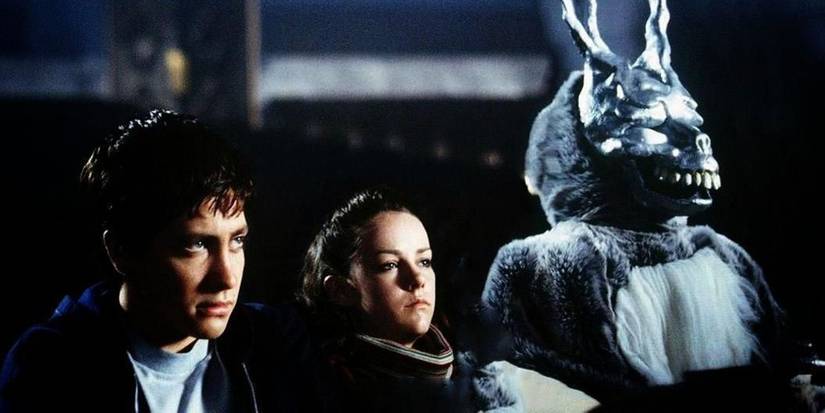
Donnie Darko is the kind of film that feels elusive by design, operating on multiple levels at once. At first, it’s easy to get caught up in its eerie tone and fragmented narrative, unsure whether it’s a time-travel story, a teenager’s psychological breakdown, or something in between.
That uncertainty is exactly what makes the second watch of Donnie Darko so rewarding. Once familiar with the film’s underlying rules, it’s easier to notice how carefully everything is constructed.
Lines that seemed cryptic suddenly feel like direct clues, and character behavior starts to align with a hidden logic. Thrillingly, rather than clarifying everything, the rewatch deepens the mystery in a satisfying way, making it clear just how deliberately Donnie Darko balances ambiguity with structure.
The Thing (1982)
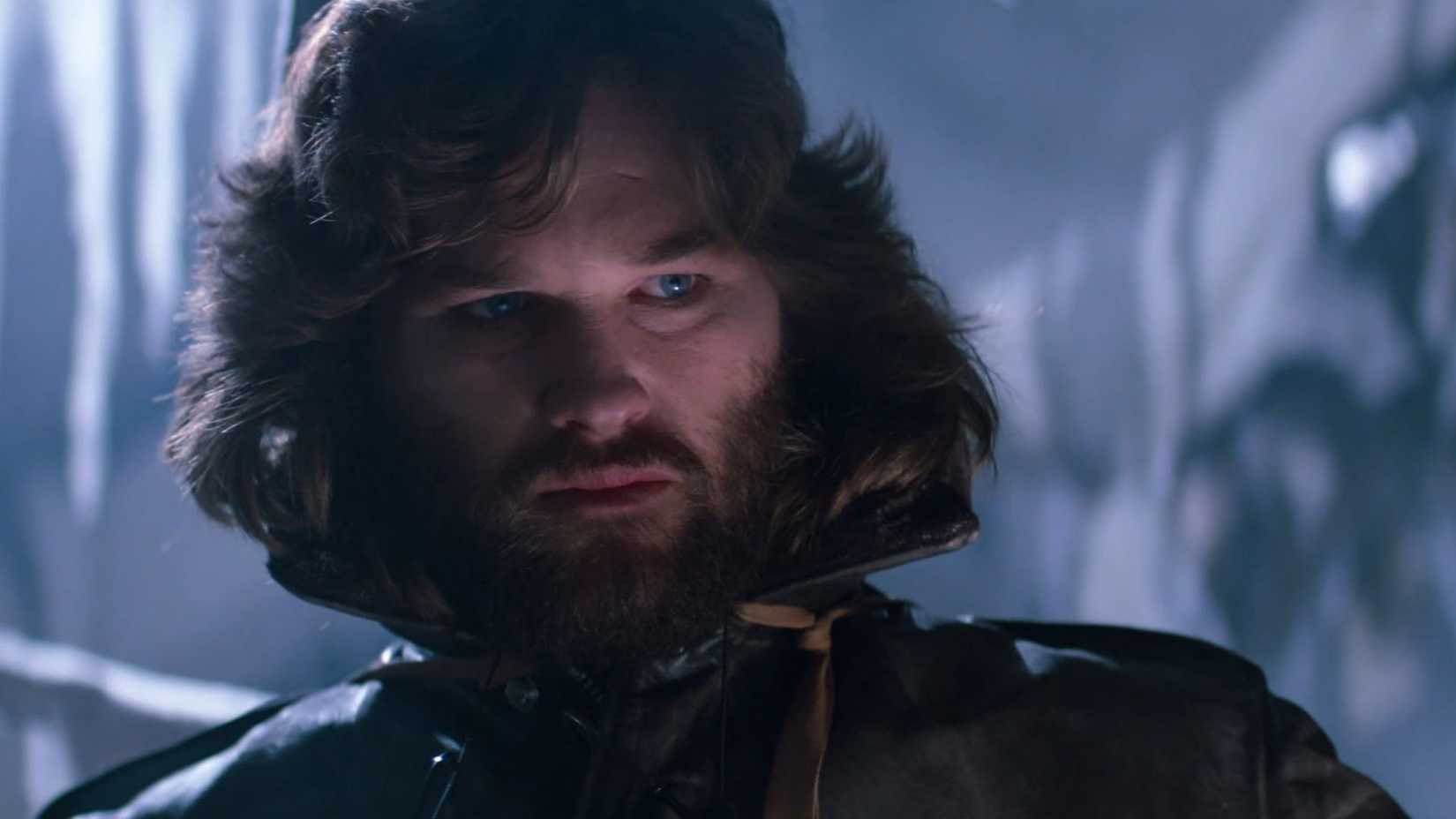
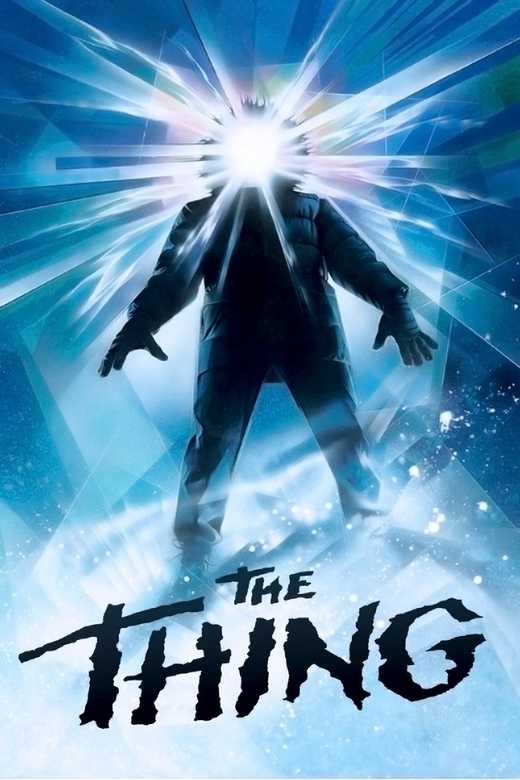
John Carpenter’s The Thing is already a masterclass in paranoia, but it becomes even more gripping the second time around. The film follows a group of researchers trapped in Antarctica, where they become exposed to a monstrous alien that assimilates and replaces them.

Related
10 Horror Movies That Don't Have A Single Bad Scene
From Bride of Frankenstein to Sinners, these horror classics deliver nonstop tension, proving great scares don’t need a single wasted scene.
Once viewers know how the infection works (and begin to suspect who is and isn’t human), every interaction takes on a new level of tension. Seemingly ordinary conversations suddenly feel loaded with subtext, and the film’s most ambiguous moments become gripping puzzles to revisit.
A second viewing forces audiences to track characters more closely, looking for subtle tells or inconsistencies that hint at who is still human and who is not. Rather than losing suspense, The Thing gains a different kind of excitement: the satisfaction of understanding its mechanics while still being unsettled by its relentless uncertainty.
Dark City (1998)
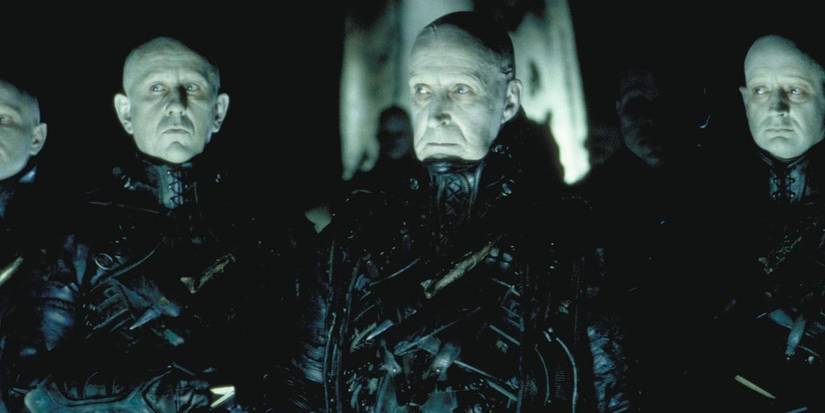
Dark City throws viewers into its strange, ever-shifting world with little explanation, creating a sense of disorientation that mirrors its protagonist’s experience. It depicts a man who wakes up with amnesia in a nightmarish world in perpetual nighttime. On a first watch, it can feel overwhelming, as the film slowly reveals the rules governing its reality.
That’s exactly why Dark City improves so much on rewatch. Once audiences understand the central twist and the nature of the city, everything snaps into focus. Character actions, visual details, and even the atmosphere itself start to feel intentional rather than confusing.
It transforms from a puzzle into a carefully layered narrative, where the clues were always present. The second viewing highlights just how meticulously Dark City builds its unsettling world from the ground up.
Annihilation (2018)
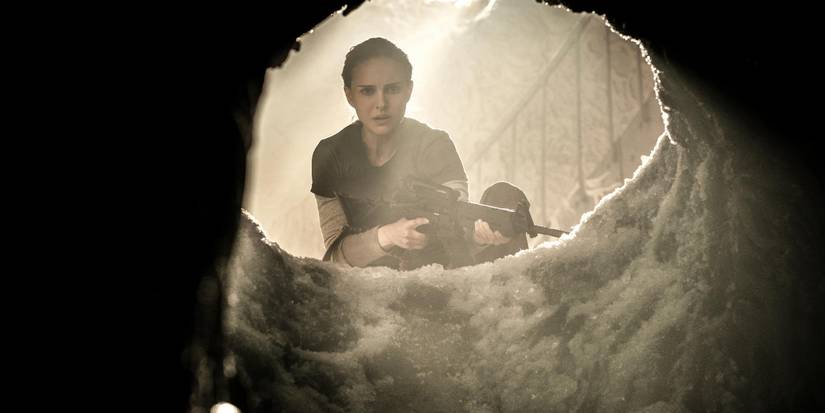
Annihilation resists easy interpretation, presenting a story that feels more experiential than explanatory. It follows a troupe of scientists who enter a quarantined zone mutated by aliens called the Shimmer. Initially, its strange imagery and ambiguous narrative can leave audiences intrigued but uncertain about what it all means.
A second watch reveals a clearer thematic through line. The film isn’t a mystery – it’s an exploration of transformation, identity, and self-destruction. Once that lens is clear, each sequence within the Shimmer feels more purposeful, with visual and narrative choices reinforcing those ideas.
The ending, in particular, becomes more impactful when revisited. What initially feels abstract begins to read as a culmination of everything Annihilation has been quietly building toward all along.
Arrival (2016)
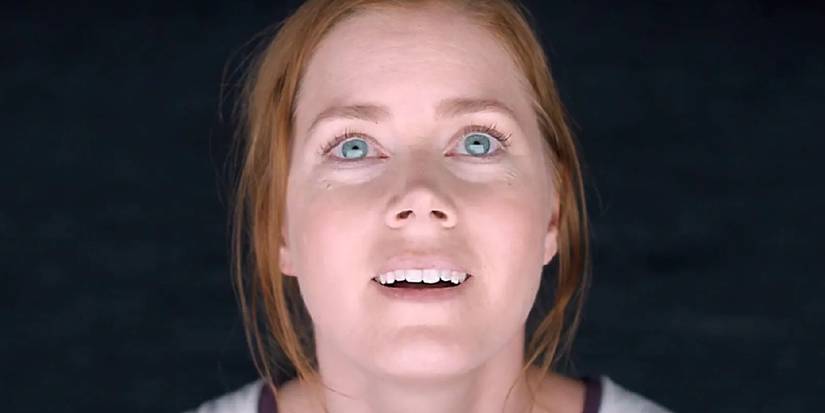
Arrival is carefully constructed to feel slightly off on first viewing, with scenes that don’t quite fit together in a traditional linear way. When extraterrestrials visit planet Earth, a linguist is tasked with communicating with them before tensions lead to war. At first, it plays like a grounded first-contact story, focused on communication and discovery.
However, once its central revelation clicks into place, everything shifts. As a result, Arrival transforms completely on a second watch. Moments that seemed like straightforward flashbacks are revealed to have a wholly new meaning, and dialogue gains an emotional weight that wasn’t fully apparent before.
The structure itself becomes part of the storytelling. Rather than simply delivering a twist, Arrival rewards rewatching by recontextualizing its entire narrative, making it feel more poignant, deliberate, and thematically rich the second time around.
Moon (2009)
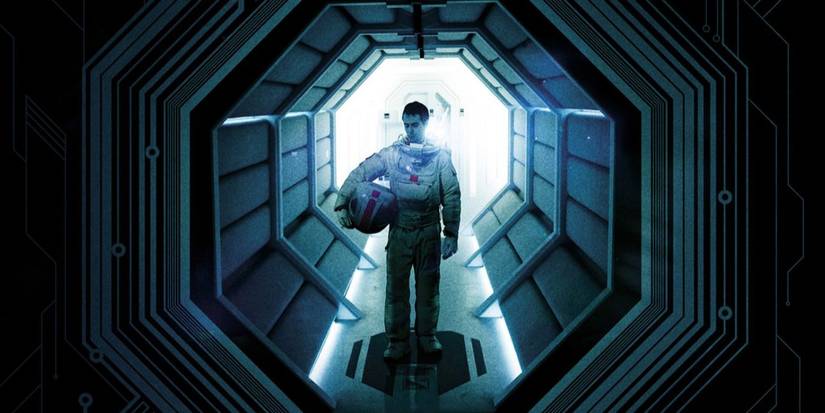
Moon thrives on simplicity, but that simplicity hides a surprisingly layered story. It depicts a contract worker tasked with mining resources on the far side of the Moon. Initially, the focus is on unraveling the mystery at its core, with Sam Rockwell carrying much of the film through a deeply engaging central performance.
Once the truth is revealed, the second watch becomes less about discovery and more about reflection. Subtle details in behavior, dialogue, and environment begin to stand out, highlighting just how carefully the story was constructed.
Moon’s confined setting actually works in its favor, making every small change feel significant. What initially feels like a straightforward sci-fi mystery evolves into something more emotional and introspective upon revisiting it.
Ex Machina (2014)
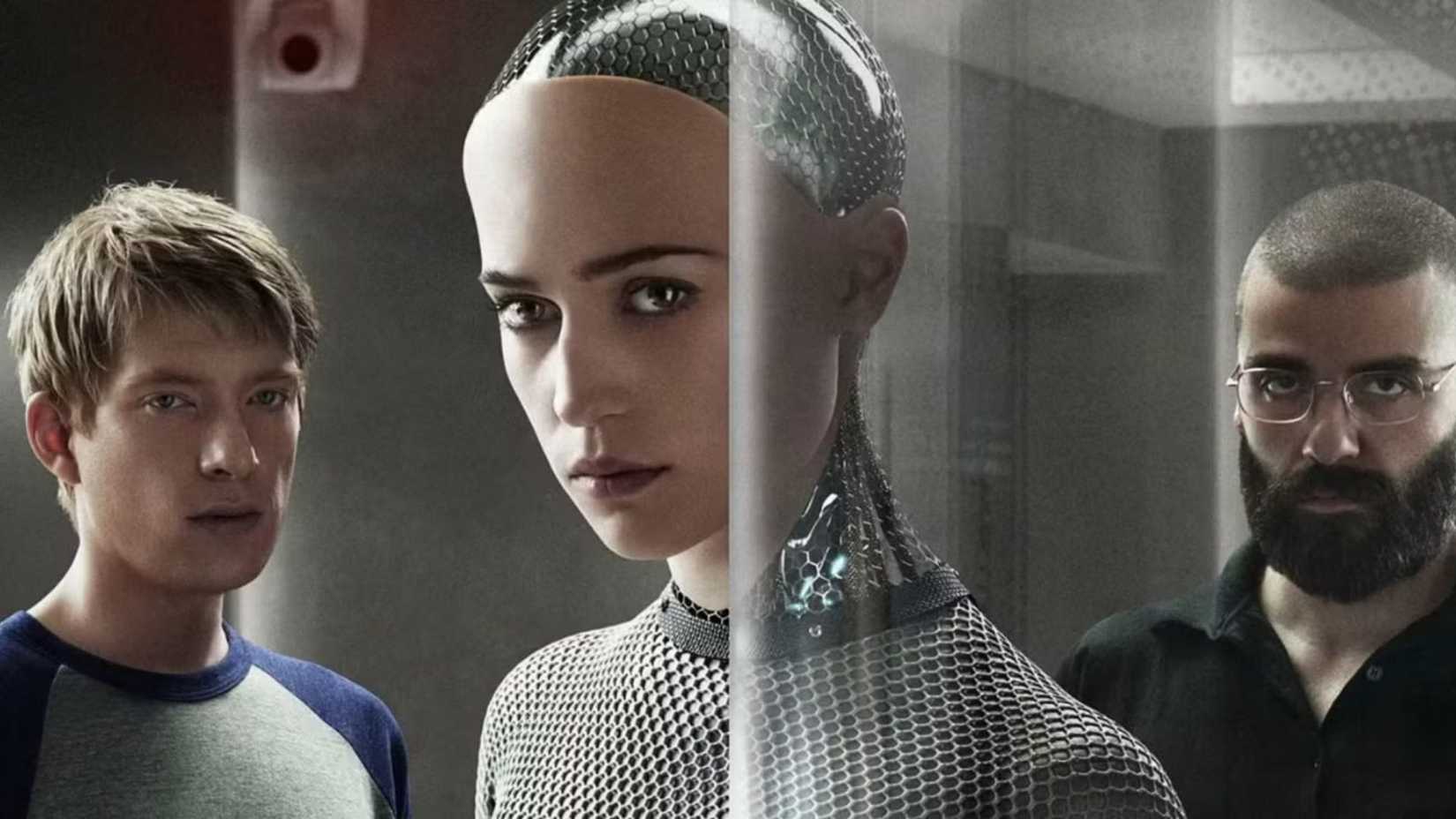
Ex Machina is deceptively straightforward on the surface, unfolding within a limited setting with only a handful of characters. It seemingly plays as a tense psychological thriller about artificial intelligence and control. Ex Machina follows a programmer chosen to test an intelligent female humanoid robot.
However, knowing how everything unfolds makes a second viewing far more revealing. Power dynamics become clearer, and interactions that seemed casual take on a calculated edge. Every line of dialogue feels intentional, loaded with subtext that’s easy to miss the first time.
The film’s true strength lies in how it rewards attention. Rather than relying on spectacle, it builds tension through nuance, making repeat viewings essential for fully appreciating its layered storytelling and character manipulation.
Children Of Men (2006)
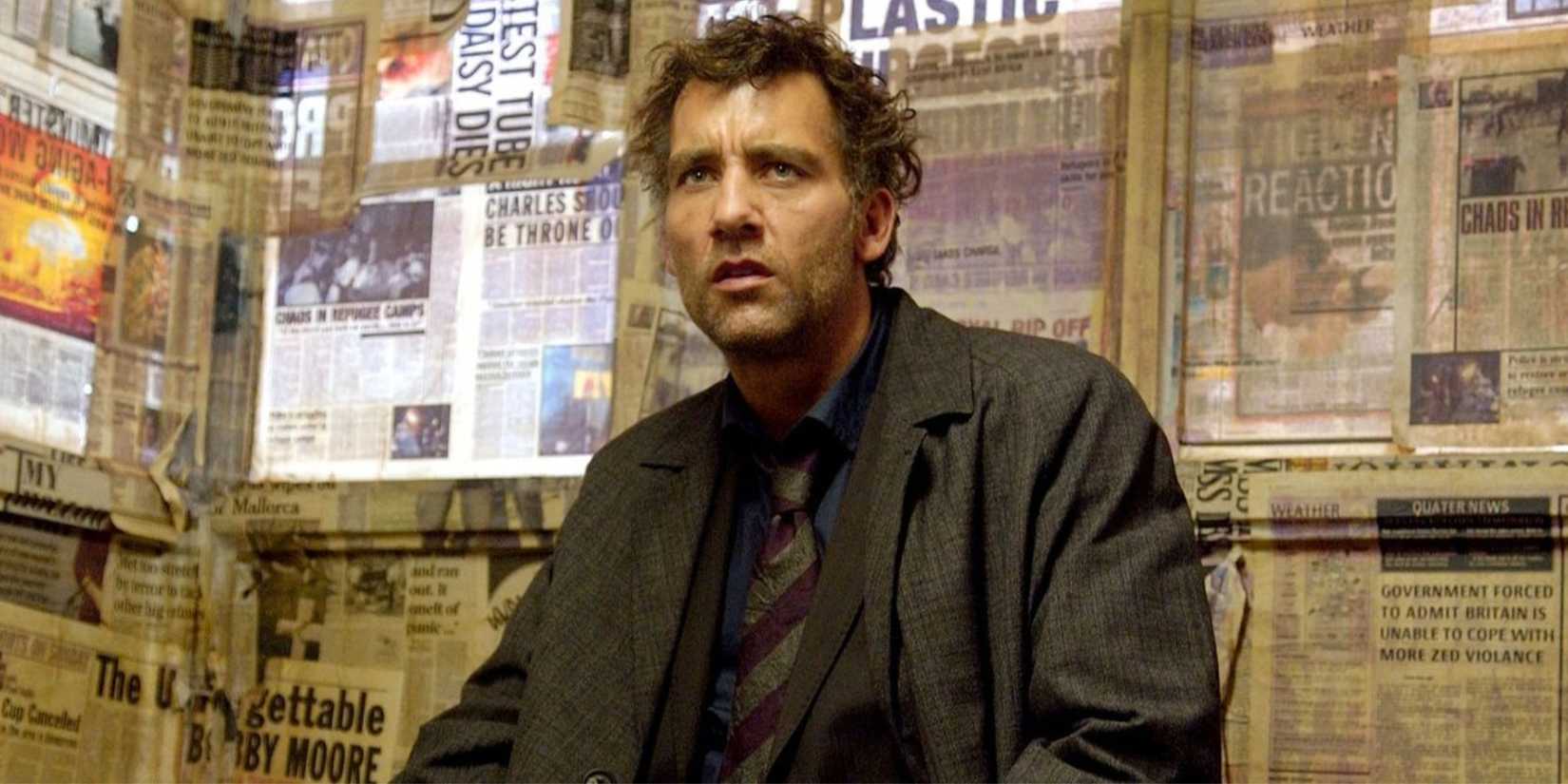
Children of Men is so immersive that it’s easy to get swept up in its relentless momentum. The narrative of a man trying to save a pregnant woman in a world where no children have been born for decades is relentless and oppressively bleak.
Related
10 Thriller Movies That Are Amazing From Start to Finish
These thrillers never lose momentum, delivering gripping tension, unforgettable twists, and masterful storytelling until the final frame.
Indeed, the film’s long takes and urgent pacing keep the focus on survival, pushing viewers through its grim world at breakneck speed. A second watch allows for a deeper appreciation of everything happening beneath the surface. Background details, world-building elements, and visual storytelling become far more noticeable, revealing how fully realized this dystopian future really is.
Beyond that, Children of Men’s themes of religion, hope, and faith stand out more clearly. Subtle symbolism, emotional performances, and parallels to real-world issues emerge, transforming it from a gripping thriller into something far more thoughtful and resonant.
Tenet (2020)
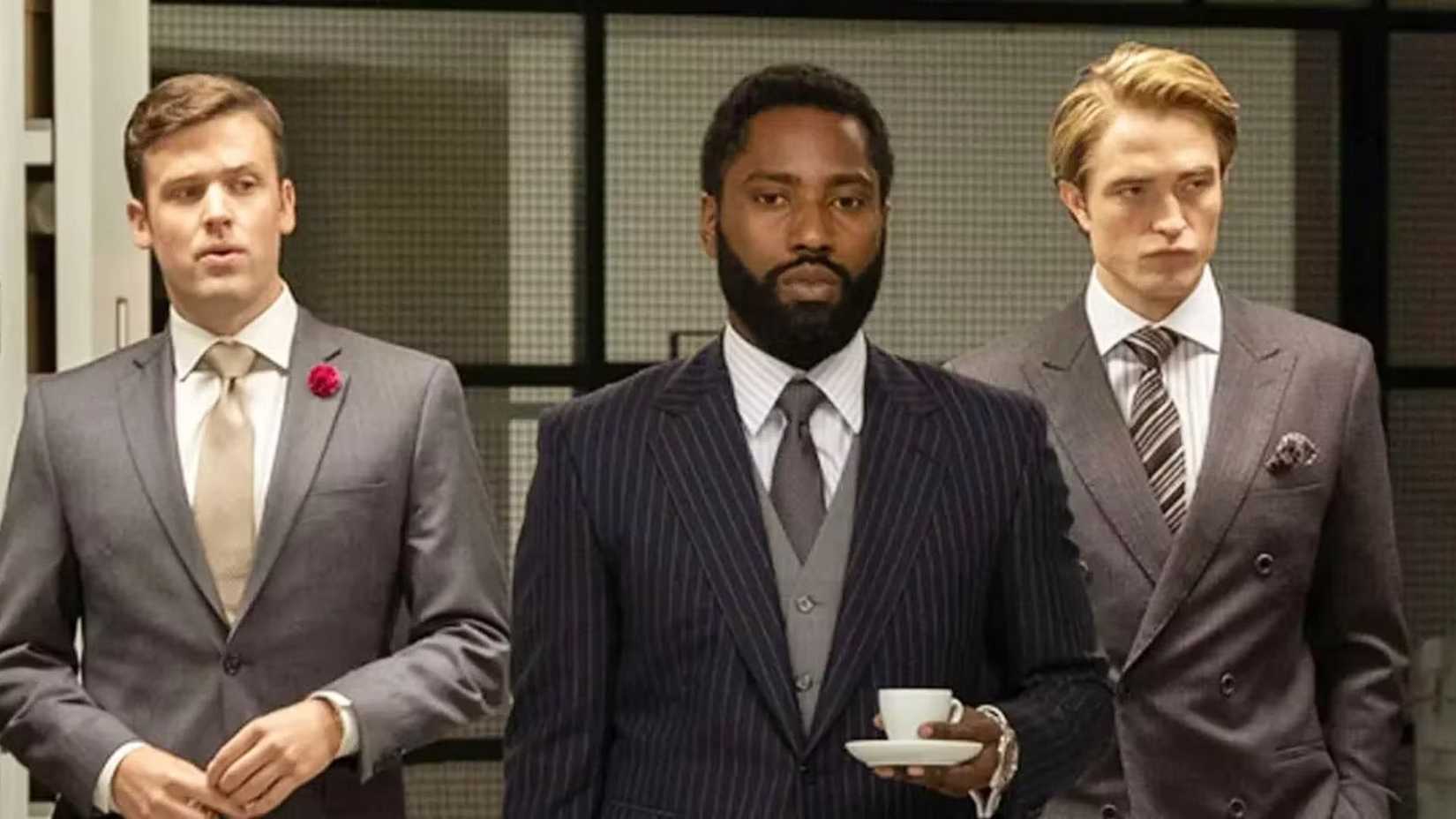
Tenet is famously dense, throwing audiences into a complex world of inverted time and high-stakes espionage with minimal hand-holding. Watching it the first time can feel like a puzzle that’s difficult to fully piece together in real time. Like most of Christopher Nolan’s movies, the full narrative doesn’t emerge until the end.
That’s exactly why it improves on a second watch. Once the core mechanics are understood, the film’s structure becomes clearer, and its ambitious action sequences are easier to follow and appreciate.
Scenes that initially felt confusing start to click into place, revealing just how intricately everything is connected. What once seemed overwhelming transforms into something impressively precise, rewarding viewers who are willing to engage with Tenet more than once.
Blade Runner (1982)
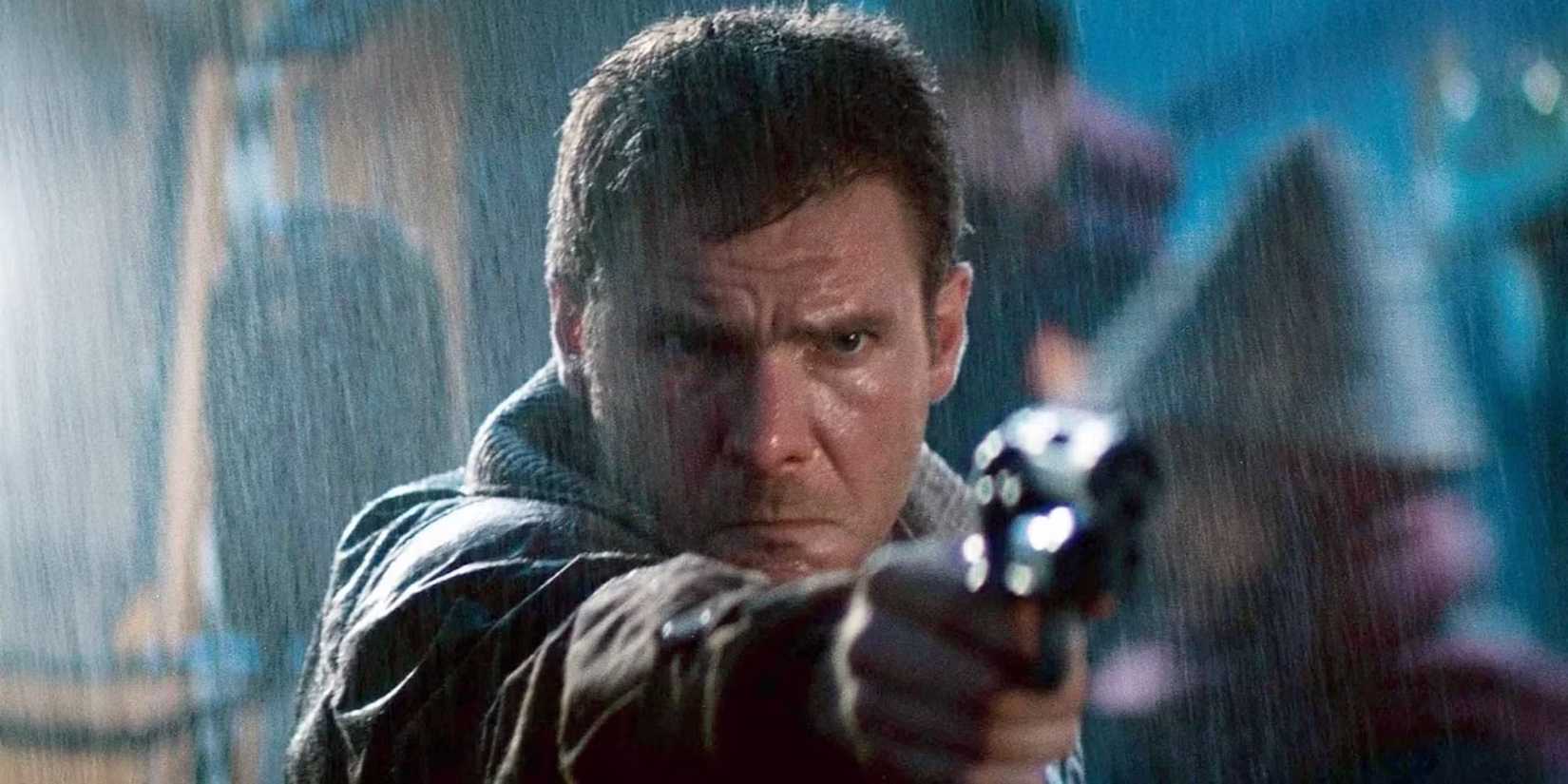
Blade Runner is less about plot and more about atmosphere, which can make it feel slow or even elusive. It doesn’t spell everything out, instead relying on visual storytelling and subtle character work. The narrative of hunting synthetic humanoids is dense, subtle, and deliberately obscure.
That approach is exactly what makes it so rewarding to revisit. On a second watch, the film’s layers become much more apparent, from its philosophical questions about humanity to its intricate world-building.
Small details like background visuals, lines of dialogue, and character choices take on greater significance. Blade Runner reveals more and more with every rewatch, transforming from a visually striking sci-fi film into a deeply thoughtful exploration of identity and existence.

















 English (US) ·