

Published Feb 24, 2026, 3:56 PM EST
Daniela is a freelance writer with two years of experience covering entertainment. She is a senior writer on Collider’s freelance team and has also been published in other platforms, such as Elite Daily. When she’s not writing, she's diving into thought-provoking, existentialist films and classic literature.
Period dramas can be deeply enticing and bewitching, primarily thanks to their unique way of drawing audiences into a world that feels distant and vividly alive. They painstakingly recreate every detail, from the clothing and architecture to the manners and social customs. On the other hand, this same meticulousness carries a double edge, making these sweeping stories just as capable of breaking hearts.
In these films, moments of historical tragedy or doomed love are rendered with such realism and intimacy that the very elements that enchant viewers also pierce them with sorrow. To celebrate the beloved genre, we look back at some of the saddest period drama films, explaining what it is exactly that makes each so soul-crushing and ranking how heartbreaking they are.
10 'Titanic' (1997)
 Image via Paramount Pictures
Based on the true accounts of the 1912 ship sinking, James Cameron's iconic film — one of cinema's greatest gambles — is perhaps the one that immediately comes to mind when the topic is the saddest period drama films. For the few not yet familiar with the story, Titanic chronicles the doomed love story between a seventeen-year-old aristocrat (Kate Winslet) and a poor artist (Leonardo DiCaprio) aboard the RMS Titanic.
Titanic's real-life tragedy, taking place in the latter half, is obviously what makes it such a heartbreaking disaster film. It excels by firstly immersing audiences in its atmosphere and narrative — with a class-defying romance at its center — and then devastates them by making the subsequent loss feel heart-crushing, intense, and almost personal. It's almost impossible to win: audiences are either blissfully unaware of what's coming or painfully anticipating it, with every moment becoming a countdown to catastrophe.
9 'The Pianist' (2002)
 Image by Pathé Distribution
From the moment it was released, The Pianist was regarded as one of the biggest tearjerkers with its unflinching portrayal of survival during such dark times. Featuring Adrien Brody in an Oscar-winning lead role, the film chronicles the survival of a pianist as he moves from the neighborhood to hiding in ruins, witnessing atrocities, and relying on the kindness of others.
The 2002 film devastates with its depiction of the gradual degradation so many underwent during the Holocaust, including starvation, disease, and the complete erosion of human dignity. Anchored by Brody's career-defining performance and Chopin's score, The Pianist remains an unforgettable and poignant picture more than 20 years later, not merely for its soul-crushing depiction of brutal hatred but for its message about human resilience and the enduring power of art.
8 'The Elephant Man' (1980)
 Image via Paramount Pictures
Starring John Hurt in an unforgettable performance, David Lynch's heart-wrenching The Elephant Man focuses on the contrast between the extreme cruelty of society and the profound humanity of its lead character. The film follows a Victorian surgeon (Anthony Hopkins) who rescues a disfigured, often mistreated — yet kind beyond measure — young man working on a sideshow.
Lynch captures the oppressive 19th-century industrial nightmare through captivating black-and-white visuals, but it's Hurt's character, inspired by real-life Joseph Merrick, that takes center stage. At its core, The Elephant Man emphasizes the hypocrisy of the Victorian era, where the upper class was juxtaposed with the often sensationalized treatment of people with physical differences. It's a heartbreaking tale for many reasons, but what stands out is how it emphasizes Merrick's desperate longing to be treated like a human being and his ultimate, unforgettable demise.
7 'Atonement' (2007)
 Image via Universal Studios
When it comes to contemporary cinema, Atonement is at the top of the list for the most heartbreaking romance. The story follows 13-year-old Briony Tallis (Saoirse Ronan in an impressive early role), who wrongly accuses her older sister Cecilia's (Keira Knightley) lover, Robbie (James McAvoy), of a terrible crime, which tears the two apart during WWII, forcing them to undergo separation and war. Meanwhile, Briony seeks redemption.
Joe Wright's tragic masterpiece breaks your heart all the way, but it's the final twist that is almost certain to stick. The film deliberately depicts the permanent consequences of careless action, the destruction of a passionate love story caused by a childish lie driven by naivety and jealousy, and the weight of guilt. It's a beautiful, breathtaking movie in all realms, but an undeniably brutal and affecting one.
6 'Hamnet' (2025)
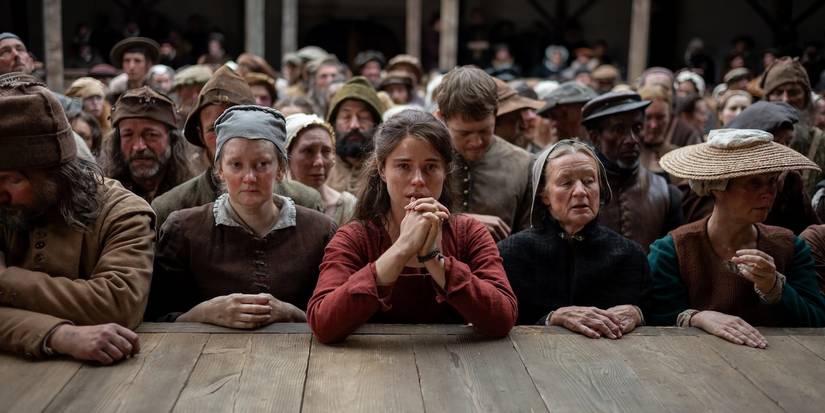 Image via Focus Features
Starring Paul Mescal and Jessie Buckley in the lead roles, Hamnet has quickly earned the hearts of critics and audiences alike (though Mescal was arguably overlooked for an Oscar nod). Based on the Maggie O'Farrell book of the same name, the heart-wrenching Chloé Zhao drama follows Agnes and William Shakespeare as they grapple with loss and grief in 16th-century England following a devastating loss.
Anchored by a heart-wrenching Max Richter score, Hament is devastating on many fronts. Not only does it do a wonderful job depicting grief — forcing viewers to almost experience it as if they were there — it showcases the different ways we deal with loss. Its dreamlike cinematography and atmosphere help bring the narrative to higher dimensions, but its time period that significantly intensifies the tragedy, especially in how it reflects the unrelenting realities of the plague, the limited medical understanding, and a mother who goes to great lengths — despite being deeply misunderstood — to keep her children safe.
5 '12 Years a Slave' (2013)
.jpg?q=49&fit=crop&w=825&dpr=2) Image via Searchlight Pictures
Image via Searchlight Pictures12 Years a Slave is widely considered one of the most harrowing, saddest historical dramas due to its historically documented depiction of slavery's extreme brutality. At its center is Solomon Northup (Chiwetel Ejiofor), a free Black man from upstate New York kidnapped in 1841 and sold into slavery in the South. There, he endures 12 years of brutality under different masters.
Based on the authentic story of Northup, this emotionally charged epic does not shy away from depicting what many people underwent in the past; it strips away dignity and identity, turning human beings into property. Furthermore, it showcases the senseless beatings and sexual assault with all the violence depicted with raw honesty. Most of all, it illustrates a capable, intelligent man who is constantly rendered powerless to create a haunting, memorable experience that is difficult for viewers to revisit.
4 'Schindler's List' (1993)
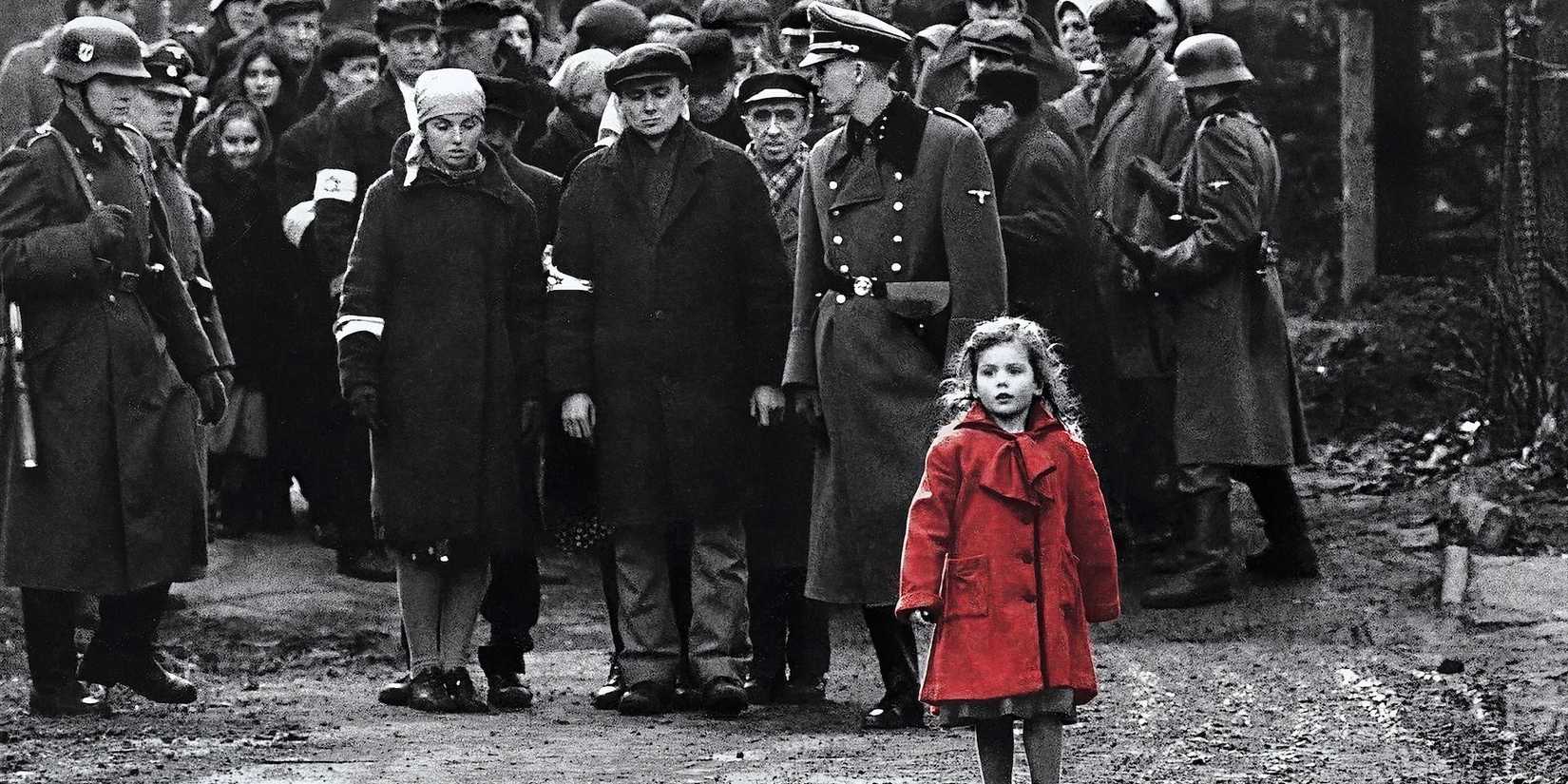 Image via Universal Pictures
Steven Spielberg's transformative film has cemented its place among the most celebrated and beloved historical epics, and for good reason. With its stark black-and-white imagery, the film elucidates to audiences the events of the Holocaust, including the brutal loss of life that followed. The plot is based on the true story of Oskar Schindler (Liam Neeson), a profiteering German businessman in WWII Poland who saves over a thousand Jewish lives by employing them in his factory.
Historically grounded and devastatingly bleak, Schindler's List is heartbreaking in many ways (the haunting image of the little girl in the red coat comes to mind). It focuses on individual stories of immense suffering — whether that's families being separated or dignity being totally robbed — and on all the atrocities that World War II has brought, never shying away from scenes of random and senseless cruelty.
3 'The Passion of Joan of Arc' (1928)
 Image via Société Générale des Films
Starring Renée Jeanne Falconetti in one of the best, most gut-wrenching performances of all time, the groundbreaking The Passion of Joan of Arc transports audiences to 1431, where Jeanne d'Arc is placed on trial on charges of heresy, and the jurists attempt to force her to recant her claims of visions.
Directed by Carl Theodor Dreyer, the 1928 film revolutionized female representation on screen while delivering a moving depiction of a real-life historical event. The Passion of Joan of Arc terrifies in how claustrophobic it is, depicting Joan as a young girl, mentally broken and mocked by powerful male figures, before her ultimate unfair execution. At its core, Dreyer's iconic silent film sheds light on Joan's exhaustion, loneliness, and fear, with the scenes leading up to her burning being particularly moving.
2 'Come and See' (1985)
 Image via Sovexportfilm
After finding an old rifle, a young boy (Alexei Kravchenko) joins the Soviet resistance movement against ruthless German forces and experiences the horror of World War II firsthand. His enthusiasm is quickly transformed into trauma, birthing an aged, broken person who has their childhood completely taken away from him in just a few days.
On top of being undeniably unsettling and uncomfortably disturbing, Come and See — based on real accounts of the punitive actions of the SS in Byelorussia — is an intensely harrowing film, but one that remains essential viewing. The iconic war film is a brutal meditation on the loss of innocence and the systematic, almost casual cruelty of the Nazis. Add in chilling cinematography and sound design amplifying its effect, and Elem Klimov's movie becomes one of the most profoundly moving of all time.
1 'Grave of the Fireflies' (1988)
 Image via Studio Ghibli
Widely regarded as one of the most heart-shattering animated films ever made, Grave of the Fireflies transports audiences to the final months of WWII, following 14-year-old Seita and his 4-year-old sister, Setsuko. After their mother is killed in a U.S. firebombing raid and their father is away serving in the navy, the orphaned siblings are forced to fend for themselves.
The premise of Studio Ghibli's masterpiece, directed by Isao Takahata, is devastating enough on its own, but the events that unfold elevate its heart-wrenching narrative to higher, heartbreaking levels. The film essentially covers the slow and agonizing starvation of two innocent children. What makes it particularly soul-crushing, though, is the perspective it emphasizes: rather than the battles, it focuses on the human cost of war and sheds light on the devastating consequences on civilians, specifically children. The result is, once again, a profoundly haunting anti-war film.

Grave of the Fireflies
Release Date April 16, 1988
Runtime 89 Mins
Director Isao Takahata
Writers Akiyuki Nosaka, Isao Takahata







 English (US) ·