


Published Feb 17, 2026, 4:00 PM EST
Emedo Ashibeze is a tenured journalist and critic specializing in the entertainment industry. Before joining ScreenRant in 2025. he wrote for several major publications, including GameRant.
Sign in to your ScreenRant account
Dragon Ball is one of the most influential anime of all time. The series created the modern shonen battle formula: a determined hero, power-ups, transformations, and fights that could alter the cosmos. Goku’s legacy is tied to an endless drive to improve, to surpass limits, and to the excitement of each new arc that has inspired millions and shaped the genre.
Anime has, however, grown a lot since the debut of Dragon Ball. Fewer series benefit from larger budgets, advanced animation techniques, faster pacing, and a wider range of storytelling styles. Many of today’s shows retain the high-energy action that made Dragon Ball beloved, while adding intricately written characters, more decisive emotional moments, more complex themes, and fewer fillers.
Jujutsu Kaisen

Jujutsu Kaisen is currently among the most explosive shonen series. There’s no other show that matches its popularity or quality right now. The animation by MAPPA is excellent. Every cursed technique feels fast, powerful, and stylish.
Jujutsu Kaisen maintains a faster pace than Dragon Ball’s long-form structure, avoids numerous episode-long training montages, power-up sequences, and the kind of strength escalation that defines Dragon Ball. Characters grow through combat experience, new applications of existing techniques, or sudden awakenings tied to emotional stakes rather than prolonged practice arcs.
Yuji Itadori is not a stereotypical main character who desires to be the strongest. He is a kind person who goes through difficult moral choices. The characters feel real and strong, especially the terrifying Sukuna. Even people new to anime can see that Jujutsu Kaisen stands above Dragon Ball in narration, animation, and writing.
Demon Slayer: Kimetsu no Yaiba

Some people say the story is simple. However, ufotable made the visuals outstanding. The animation is so beautiful and detailed that even the best Dragon Ball fight scenes are basic in comparison. The sequence techniques, such as Water, Flame, Thunderclap, and Flash, add dramatic flair and make the scene pleasant to watch, showing real skill in direction, color, and movement.
Tanjiro Kamado is very different from Goku. He is fully human. He cries, gets angry, says sorry, bleeds, and sometimes breaks under pressure. These honest moments make him feel real. Nezuko’s situation and the trauma the demons create make viewers empathetic. These moments touch the heart much more than the usual plot twists and family secrets in Dragon Ball.
Moreover, Mugen Train became the highest-grossing anime film ever. Breaking records and earning more in Japan than many big Hollywood films. The Entertainment District arc kept the momentum going. The arc drew huge audiences. In terms of visual quality, emotional strength, and worldwide success, Demon Slayer has succeeded on a scale only very few titles will ever match.
Attack on Titan

Attack on Titan does not belong in the same category as Dragon Ball. The war story is disguised as a shonen, and over four seasons, the theme tears fans’ hearts out. Eren Yeager’s journey, from an angry, determined boy to a war criminal, is one of the most disturbing character arcs in any animated work.
The tonal shift in animation from WIT Studio to MAPPA is striking. The scale, movement, and power of scenes like the Rumbling, the Wall Titans, Thunder Spears, and the Female Titan versus the Armored Titan reached a level that no tournament arc in Dragon Ball ever touched.
This series forces people to question freedom, revenge, colonialism, cycles of violence, and the cost of hatred. Dragon Ball has never attempted, and likely never will, to explore themes of such depth. Attack on Titan clearly operates on a completely different level.
Chainsaw Man

Chainsaw Man is the boldest, most unapologetic, horrid shonen narration. MAPPA did not simply animate Tatsuki Fujimoto’s manga; they turned every page into something sharp and unforgettable. The absurd devil designs, the bursts of motion, the blood-drenched splash pages, the constant escalation of violence and strangeness.
Denji is not a traditional hero. He is a broken, lonely teenager lusting over food, comfort, and physical affection. The story moves deliberately between jokes and trauma, making viewers sit unsettled. The characters are well written; Makima stands as one of the most captivating villains of recent years, and she makes characters like Frieza feel like simple cartoon threats.
Chainsaw Man is a dark, funny, tragic look at desire, control, and staying in a world that wants to devour humans. There’s no meaningful competition with Dragon Ball.
Made in Abyss

Kinema Citrus built a world so magical, only for the early episodes. Then the story takes a turn, and innocence is destroyed episode by episode. The Abyss, the center point of the story, is an unforgiving place that punishes curiosity with pain. The “Blessings” of the curse are disturbing on a level that no transformation sequence in Dragon Ball could ever reach.
Riko and Reg’s journey downward is filled with both wonder and terror. Every layer reveals darker truths and more grotesque creatures. The theme is devastating yet straightforward: a child chasing her missing mother into hell. That single drive carries more emotional depth than any “save the world” plot.
All the while, the score remains angelic even as bodies break and characters’ minds break. This series is not about tournaments, but rather the death of innocence in the face of darkness. Made in Abyss exists in a different space, one where Dragon Ball feels like light entertainment meant for children.
Mob Psycho 100

Mob Psycho 100 stands as one of the finest anime about psychic battles ever. There’s no competition with Dragon Ball; it exists on a different scale of emotional depth and storytelling. ONE and Studio Bones take a simple premise and turn it into something profound. The story follows a shy boy with unimaginable power who wants to live an everyday life.
Every major fight becomes a masterpiece. The psychic energy moves with creativity, elasticity, and expression that makes even Ultra Instinct feel stiff and ordinary. But the true gem is in the writing. Mob’s growth is not about gaining new power levels. The themes are about learning to accept and value oneself.
The series discusses mental health, self-worth, the weight of being “gifted,” friendship, and the fear of hurting others. There’s a balance of humor, warmth, and moments of heartbreaking yet beautiful. Mob Psycho 100 does not just surpass Dragon Ball; it quietly reveals how empty power fantasies can be.
One-Punch Man

One-Punch Man was created to make fun of everything Dragon Ball represents. Saitama ends the entire idea of power scaling with a single punch. No dramatic yelling, no changing hair color, no long speeches while powering up. The series shows infinite strength and its other side: boredom and loneliness.
The series’ first season by Madhouse in 2015 remains one of the most visually accomplished action seasons ever produced in anime. Every fight is treated with attention to weight, timing, and the impact of a single punch: when Saitama flicks someone, the air compresses and shockwaves tear through concrete in a deliberate arc.
The series uses Saitama’s one-punch victories as a joke that repeatedly forces the audience to refocus on character motivations, insecurities, and small human moments rather than spectacle for its own sake. Unlike Dragon Ball, the show has a mature emotional core beneath its deadpan comedy.
My Hero Academia

My Hero Academia tries to repair what Dragon Ball helped create: the belief that being the strongest makes one the best person. Deku starts as a powerless, anxious boy who must destroy his own body to help someone else. The world of Hero society feels real. There’s corruption, toxic rankings, discrimination based on quirks, and social divides.
Many villains are shaped by trauma and neglect. The Paranormal Liberation War arc and the Dark Deku phase read like actual war stories. The characters carry real emotional weight. Endeavor’s long, difficult redemption feels earned rather than easy. Shigaraki’s villainy is a product of suffering and rage.
My Hero Academia explores themes of justice, inherited trauma, the cost of heroism, and what society owes its weakest members. Dragon Ball remains a much simpler story of power and victory, while My Hero Academia reflects on something more meaningful.
Frieren: Beyond Journey’s End

Frieren: Beyond Journey’s End tells a simple yet powerful story. The story centers on an immortal elf who has already defeated the greatest enemy of her time, the Demon King. After that victory, she lived on for centuries. Over time, she realizes something painful: she never truly connected with her human friends while they were alive.
Every scene carries beauty and sadness as she reflects on her past. Magic battles are few, but when they happen, they feel clever, meaningful, and tied to justifiable emotion, not long sequences of energy beams clashing for multiple episodes. Fern’s silent anger and Stark’s kindness force Frieren to face feelings she has avoided for a thousand years.
The series is an elegy; a mournful reflection on time, loss, and the value of human connection. The series does not try to defeat Dragon Ball in a strength contest. Instead, hard questions, such as why anyone spends their life chasing the title of “strongest” when time itself is so short, and relationships are so fragile, are asked.
Solo Leveling
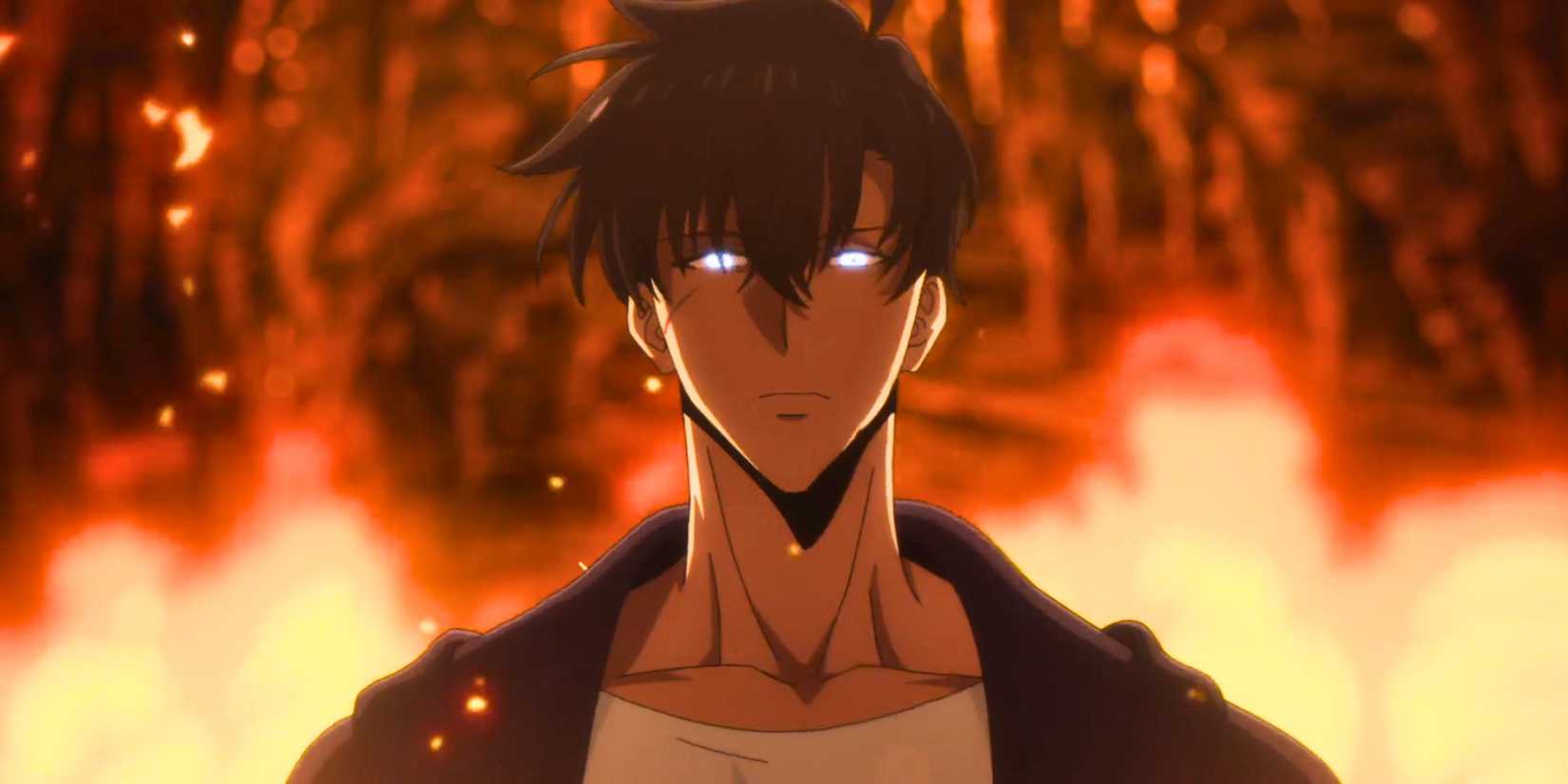
Solo Leveling is a pure power fantasy with impeccable thematic elements. The story centers on Sung Jinwoo, the weakest hunter ever, who suddenly receives the most extraordinary ability ever. From that moment on, every level-up and every calm display of strength is intensely satisfying.
A-1 Pictures brings the manhwa to life as fans expected: striking effects, epic battles, and Jinwoo’s cool, confident smirk while everyone around panics. Solo Leveling has no interest in moral gray areas, long training fillers, or endless speeches about friendship and effort.
The story delivers precisely what many viewers crave: the thrill of watching the underdog become untouchable. Solo Leveling takes the idea of Dragon Ball’s power fantasy, removes all the filler episodes, cuts the dramatic yelling and charge-up moments, and sharpens everything into a cleaner, more holistic version.
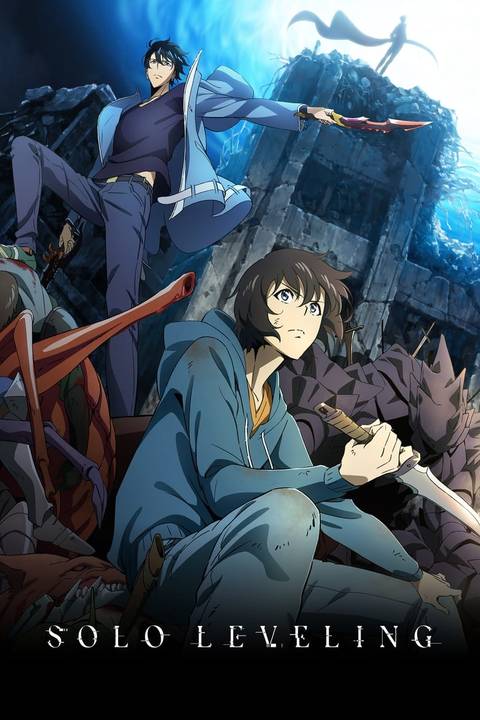
Release Date 2024 - 2025-00-00
Network Tokyo MX, Gunma TV, BS11, Tochigi TV
Directors Tatsuya Sasaki, Toru Hamasaki
Writers Shigeru Murakoshi, Shingo Irie, Fuka Ishii
-

-
Genta Nakamura
Yoo Jin-ho






 English (US) ·