
A war epic feels realistic, not just with the big firefights. No. It is the radio checks, the confusion, the fatigue, and the way one bad call can ruin a day. When a film nails those mechanics, you stop watching for spectacle and start watching like it is a situation you need to survive.
The movies below earn that feeling in different ways. I am ranking them by how consistently they keep you inside the reality of war without letting the movie side take over. Nothing feels staged, even when the scale is huge.
10 'Black Hawk Down' (2001)
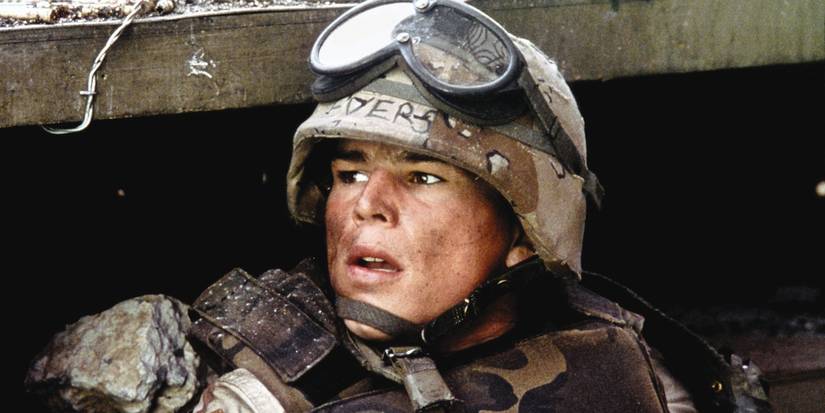 Image via Sony Pictures Releasing
Black Hawk Down drops you into Mogadishu and immediately makes it feel like a mission that is supposed to be quick. Then the first helicopter goes down, and everything turns into people trying to improvise in a city they do not control. Staff Sergeant Matt Eversmann (Josh Hartnett) is basically learning the job in real time, and you feel the confusion because the plan keeps collapsing. You can track the chaos without the movie holding your hand.
What keeps Black Hawk Down feeling real is the constant friction. Radios fail. Convoys get lost. The injured pile up faster than the solutions. General William Garrison (Sam Shepard) is reacting to partial information while time keeps bleeding away,, and that feels real because that’s exactly what happens in real life. A real war doesn’t stick to the script. Black Hawk Down does a good job of mimicking that. It stays brutally practical the whole way through.
9 'Fury' (2014)
 Image via Sony Pictures Releasing
Fury earns its realism by treating the tank like a cramped workplace. The film follows Don “Wardaddy” Collier (Brad Pitt) and his crew as they move through the last months of the war with routines that feel learned the hard way. When Norman Ellison (Logan Lerman) gets pulled into the crew, the movie shows how fast innocence gets stripped out. Not to mention, but that learning curve is savage.
The fights in Fury are messy in a way that feels familiar if you have seen enough combat films. Shots miss. People panic. The crew argues over what the right move is while shells are already coming in. The movie also keeps circling the moral damage, especially when Wardaddy forces choices that no one wants to own. The movie makes you feel the cost even when they survive a scene.
8 '1917' (2019)
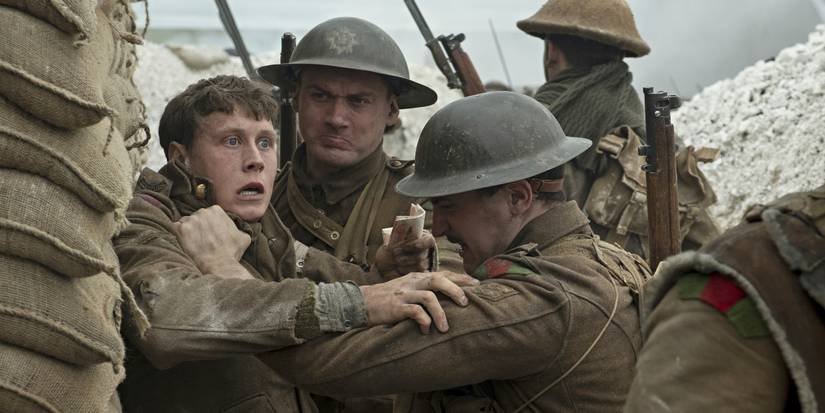 Image via Universal Pictures
What makes 1917 feel real is how it shows war as a landscape of hazards, which is exactly what most people sitting at home miss in times of war. A quiet trench can be lethal. An empty farmhouse can be lethal. The consequences of a single diplomatic move by anybody can be deadly, and yet on the news, it feels like it’s just one man pulling the switches. Even the moments of beauty feel temporary because Schofield (George MacKay) is always moving toward another threat.
Lance Corporal Schofield and Lance Corporal Blake (Dean-Charles Chapman) are sent to deliver a message that could stop a deadly attack, and the movie makes every mile feel like it could kill them. The movie is about keeping your head clear while everything tries to break it.
7 'Das Boot' (1981)
 Image via Neue Constantin Film
Das Boot makes you feel what it means to be trapped in a submarine that can kill you even when no one is shooting at it. The movie makes you feel that you are packed into a U-boat where the ceiling is always too low, the air gets thicker by the hour, and every routine job feels like it is stealing a little more oxygen from the room. Captain Heinrich Lehmann-Willenbrock (Jürgen Prochnow) leads, and the movie gives his character and crew a sense of discipline and patience.
What makes it real is also what makes it boring for a lot of people. The movie spends time on the boring parts on purpose because that is where the pressure builds. And when the alarms finally hit, you already understand what is at stake because you have lived inside the sub with them. When the attack finally comes, the horror is brutally practical. The submarine is a machine with limits, and you watch those limits close in. It zeroes in on pressure, physics, and time beautifully.
6 'The Hurt Locker' (2008)
 Image via Summit Entertainment
What stays with me in The Hurt Locker is the team dynamic. Sergeant J. T. Sanborn (Anthony Mackie) is trying to keep it professional, and Specialist Owen Eldridge (Brian Geraghty) is trying to keep it together, and James keeps pushing the line. The movie makes you feel how war becomes routine, and how that routine can still eat people alive.
The Hurt Locker also makes bomb disposal feel like the kind of job that rewires you. The movie is realistic because the threat is not cinematic. It is a wire, a trigger, a crowd watching, and the fact that you do not get to be wrong.
5 'Platoon' (1986)
 Image via Orion Pictures
Platoon feels realistic because it is honest about how ugly a unit can get from the inside. The movie follows Chris Taylor (Charlie Sheen), who arrives in Vietnam thinking he is doing something meaningful, and the plot quickly shows him that survival is the only thing everyone fully agrees on. Sergeant Barnes (Tom Berenger) and Sergeant Elias (Willem Dafoe) are rivals, but also two versions of what the war can turn you into. Any man who’s served in the forces can understand how real the dynamics and relationships depicted in the movie are.
In Platoon, the violence is only part of the realism. The other part is the fear of your own side, the exhaustion, and the way resentment spreads in the quiet stretches between patrols. Taylor keeps trying to find a stable sense of right and wrong, and the movie does not let him. That is why the ending lands. It feels like someone leaving a place that already changed him. It is so real that an average viewer may find it uncomfortable, and also because it refuses easy catharsis.
4 'Letters from Iwo Jima' (2006)
 Image via Warner Bros.
With this one, you feel the gut punch almost immediately because the movie locks you into the Japanese side and refuses to soften what that means. General Tadamichi Kuribayashi (Ken Watanabe) is a calm, capable leader who already knows the numbers do not work in their favor. That single truth hangs over everything. Then you meet Saigo (Kazunari Ninomiya), and suddenly it is not strategy, it is survival. He is not chasing glory. He is not chasing praise. He is trying to make it to the next hour without getting crushed by duty, fear, or the island itself.
Letters from Iwo Jima shows war as a grinding reality. You watch supplies shrink. You watch hunger and exhaustion turn men quiet. The tunnels stop feeling like defenses and start feeling like a place people disappear into. Orders keep coming even when they make no sense anymore, and the scariest part is how everyone still tries to follow them because discipline is the last thing they can control. The film never tells you to clap or pick a side. It just lets you sit with people trying to hold onto dignity while the perimeter closes and the air gets heavier.
3 'Come and See' (1985)
 Image via Sovexportfilm
Come and See is one of the few war films that feels like it is showing you what war does to a child’s face. Flyora (Aleksei Kravchenko) starts as a kid chasing the idea of joining the partisans, and the movie wastes no time turning that excitement into shock. The realism is in the way fear changes the body and the mind.
Come and See keeps escalating without feeling like it is trying to impress you. Villages get erased. Crowds get herded. People get trapped in decisions they cannot undo. The movie stays close enough that you do not get the distance most war epics give you, and that is why it lands so brutally. By the time Flyora’s expression changes for good, you understand the title in your bones.
2 'Saving Private Ryan' (1998)
 Image via Paramount Pictures
Saving Private Ryan set the standard for realistic combat openings decades ago because it makes D-Day feel like a sensory overload you cannot control. The movie stars Tom Hanks as Captain John Miller, who is trying to do his job while everything around him is collapsing. The movie shows fear, confusion, and bravery happening at the same time, and it never feels clean. You feel the disorder from the first minutes.
After that, Saving Private Ryan stays realistic by making the mission feel complicated. Miller’s squad is arguing. Questioning the point, and they still move forward because that is what they were sent to do. Private James Ryan (Matt Damon), at the end, is a person who has already been through his own hell. The movie is about an exhausted group trying to hold a line with limited time and limited luck.
1 'Paths of Glory' (1957)
 Image via United Artists
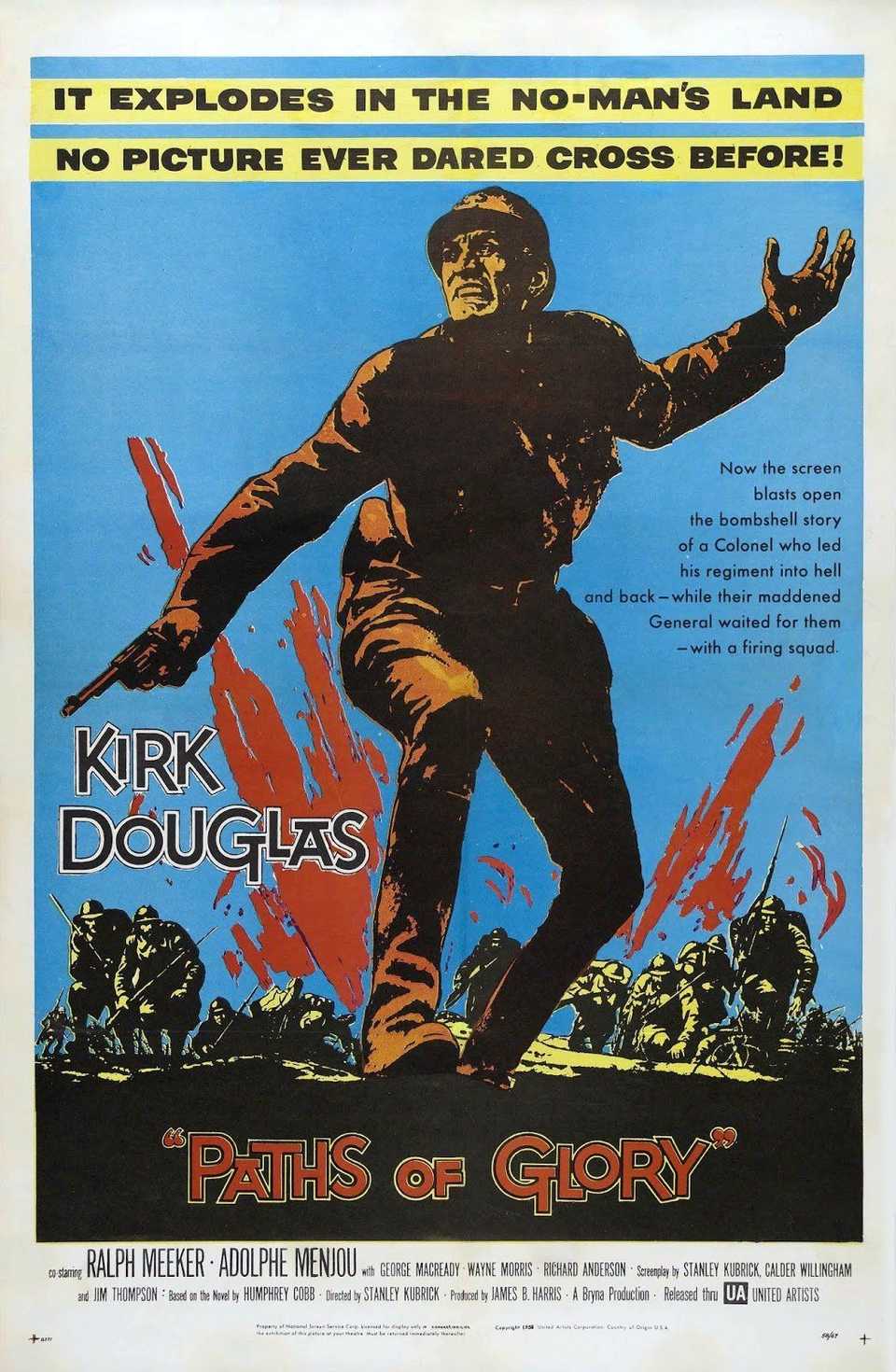
Paths of Glory is realistic in a way most war epics avoid. That’s mainly because it shows the violence of command decisions far from the trenches. The film follows Colonel Dax (Kirk Douglas), who is ordered to push an impossible attack, and you can see the logic break in real time. The movie makes the front line look like a death sentence, then it makes the back rooms look just as dangerous in a different way. It nails the cruelty of hierarchy.
The movie is timeless in how it handles the aftermath. When the attack fails, the system looks for scapegoats instead of the truth. Dax fights with words and evidence, and you keep hoping decency will matter, even though the film is showing you why it usually does not. The closing scene then reminds you what the men were before they were in uniforms.
Paths of Glory
Release Date December 25, 1957
Runtime 88 Minutes
Director Stanley Kubrick
Writers Stanley Kubrick, Calder Willingham, Jim Thompson, Humphrey Cobb








 English (US) ·