

Published Feb 8, 2026, 3:38 PM EST
Daniela is a freelance writer with two years of experience covering entertainment. She is a senior writer on Collider’s freelance team and has also been published in other platforms, such as Elite Daily. When she’s not writing, she's diving into thought-provoking, existentialist films and classic literature.
Although often overlooked and dismissed as nothing more than cheap thrills and gore, the horror genre has immense potential to be meaningful and sometimes even poetic, with some of the most powerful pictures tapping into deeper emotions and existential themes, all of which naturally lend themselves to poetry.
At its best, horror becomes a compelling reflection of the human condition — what moves and shapes us — and an analysis of our surroundings, using the unsettling and the supernatural to probe life's profound truths. To celebrate its depth and atmosphere, we look back at some of the most poetic horror films that have stayed with us in one way or another.
10 'Mother!' (2017)
 Image via Paramount Pictures
Jennifer Lawrence stars in Mother!, a Darren Aronofsky psychological horror that disturbs with its allegory. Also starring Javier Bardem as her writer husband, the story essentially follows the aftermath of unwanted guests arriving at the couple's home and disrupting their peaceful existence, which ultimately leads to a series of increasingly chaotic and destructive events.
Framed as an eternal, repeating cycle, Mother! is a direct metaphor for the Bible and the human destruction of Earth. Lawrence's unnamed character takes on the role of Mother Nature, while Bardem plays a God-like poet; together they inhabit a home that symbolizes the natural world slowly destroyed by the very hands of mankind. It's fair to say that Aronofsky's movie is the most direct example of contemporary poetic horror, pulling from a bunch of mythologies and weaving them into a dark, twisted, and ultimately unforgettable tale.
9 'Bram Stoker's Dracula' (1992)
 Image via Columbia Pictures
Elevated by Gary Oldman's incredible performance, this lavish Francis Ford Coppola feature ranks high among the quintessential goth romances, and it's easy to see why. The plot centers around centuries-old vampire Count Dracula, who comes to England to seduce his barrister Jonathan Harker's (Keanu Reeves) fiancée Mina Murray (Winona, Ryder) and cause havoc in the process.
Although worth savoring for its visuals alone, Bram Stoker's Dracula is also deeply poetic in its narrative — you might even realize you feel like you've "crossed oceans of time" to find a film that truly masters Gothic romance. Beyond its surreal, old-school visuals that evoke early cinema and add to the film's emotional core, its tragic quality, symbolic imagery, dramatic lighting, and dreamlike sequences are key to what makes it feel like a poem.
8 'Let the Right One In' (2008)
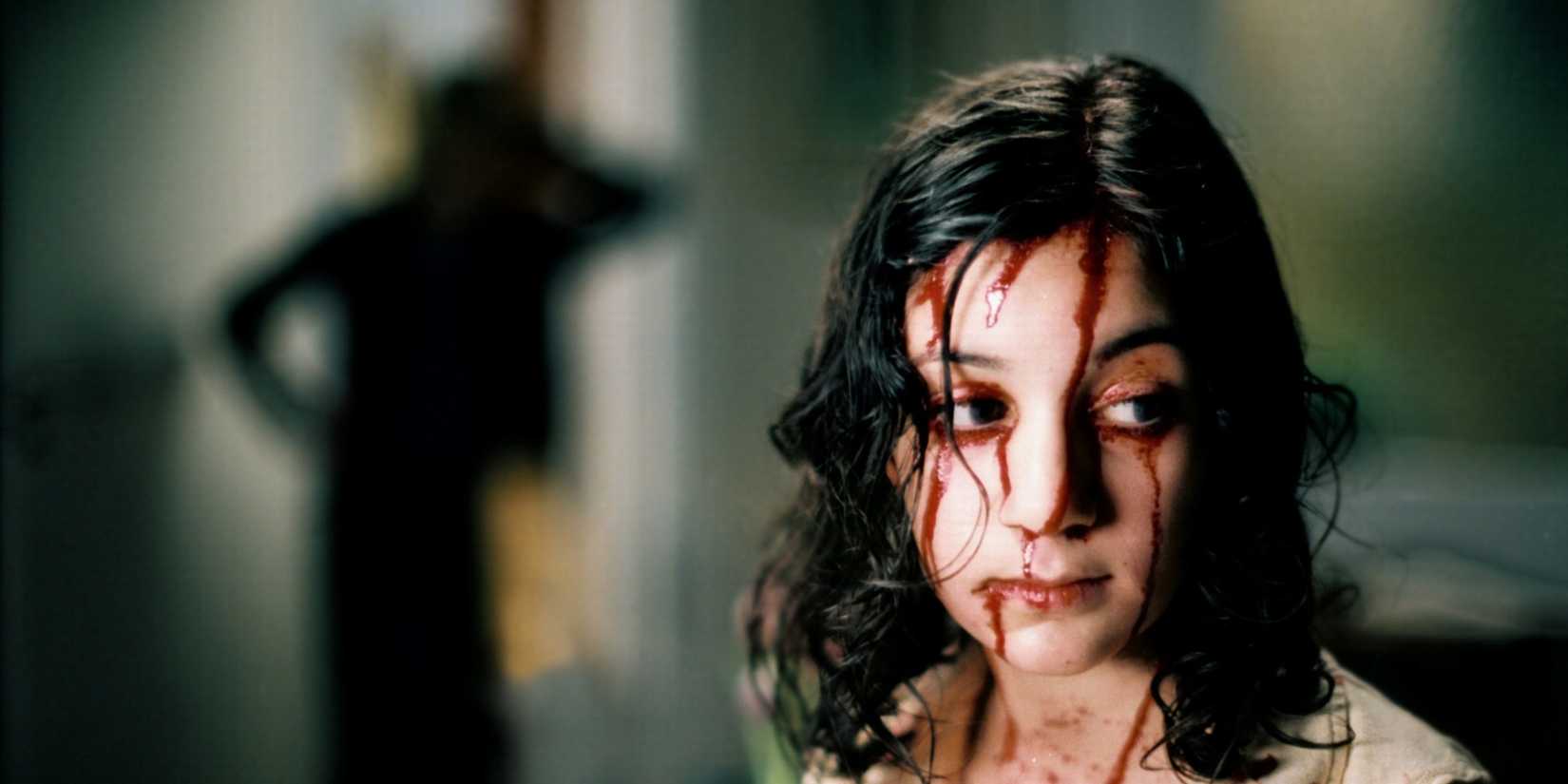 Image via Sandrew Metronome
Unraveling the moving story of a bullied 12-year-old boy (Kåre Hedebrant) who forms a friendship with a peculiar child (Lina Leandersson) in a Stockholm suburb, Let the Right One In transports audiences back to the early 1980s to deliver a compelling meditation on sexual repression, parenthood, and loneliness.
At its core, Tomas Alfredson's poetic film is a tender portrayal of unconventional friendship. What's particularly interesting about it is how it doesn't actively rely on horror clichés, featuring minimalist but effective direction and an immersive, wintry Scandinavian setting instead. Fundamentally, Let the Right One In thrives in its quiet and melancholic realism as it explores loneliness and isolation. For those seeking a coming-of-age story with a vampire twist, Alfredson's film offers a compelling and understated take.
7 'Don't Look Now' (1973)
 Image via British Lion Films
Starring the talented Donald Sutherland and Julie Christie in the lead roles, Don't Look Now is one of the most compelling takes on loss and grief in the horror genre. The movie, directed by Nicolas Roeg and adapted from the 1971 short story by Daphne du Maurier, follows a couple grieving the recent death of their young daughter as they navigate Venice and encounter two elderly sisters, one of them claiming to be in contact with their daughter's spirit.
Through captivating non-linear storytelling, the impressionistic film questions the visible: are ghosts real or imaginary? Don't Look Now's poetry lies in its unambiguousness and focuses on the central theme of grief, looking at how both characters process the death of their loved one in very different ways. Simultaneously, it features a haunting soundtrack that elevates the narrative to higher levels.
6 'The Lighthouse' (2019)
 Image via A24
Saturated with metaphors, The Lighthouse stands among the strongest contemporary contenders of poetic horror, though Robert Eggers' The Witch, an earlier work by the same director, also deserves a nod. Starring Robert Pattinson and Willem Dafoe in two incredible performances, the film transports audiences to a bleak nineteenth-century lighthouse in New England where two men attempt to maintain their sanity.
Anchored by striking black-and-white cinematography by Jarin Blaschke that feels like a love letter to German Expressionist cinema and 19th-century art, The Lighthouse is a sensorial experience that refuses to explain what's happening, enveloping audiences in an increasingly suffocating atmosphere in the meantime. Add in the Shakespearean dialogue, a handful of classical mythology references, and it's no wonder this feels like poetry in motion.
5 'Suspiria' (1977)
 Image via International Classics
Directed by horror legend Dario Argento, the visually dazzling and cerebral Suspiria follows an American ballet student (Jessica Harper) who transfers to a prestigious German ballet academy but slowly comes to realize that the school is hiding something sinister.
Argento's iconic movie has rightly earned its place among the most groundbreaking films of its era. Anchored by dreamlike experiences over a logical, conventional narrative, the film functions more like a fairytale than a standard horror story. Yet despite — or perhaps because of — its vivid, psychedelic colors, it remains a nightmarish vision rich with poetic symbolism, from the thematic weight of its palette to the eerie framing of witchcraft as an embodiment of femininity.
4 'Eraserhead' (1977)
 Image via Libra Films International
Among David Lynch's most iconic works, Eraserhead endures as a puzzling film by today's standards, a testament to Lynch's everlasting appeal and genius mind. Shot in high-contrast black and white, the surreal film tells the story of a man (Jack Nance) left to care for his deformed child in a desolate industrial landscape.
With only 22 pages of script, Eraserhead unfolds primarily through sound and mood. When it focuses on visuals, they're usually ugly and unsettling — textures of dirt, industrial decay, flesh, and so on. Yet despite not aiming for conventional beauty, Lynch's absurdist masterpiece thrives on its poetic rawness, finding meaning within the grotesque. Essentially, it communicates through sensation, unfolding less as a story and more as an uncomfortable poem and lived dream.
3 'Eyes Without a Face' (1960)
 Image via Lux Compagnie Cinématographique de France.
In this acclaimed French body horror, Georges Franju unfolds an enthralling narrative following a well-known plastic surgeon (Pierre Brasseur) determined to fix his daughter Christiani's (Edith Scob) disfigured face, a result of a car accident he caused. How does he plan to do this? Abducting young women so he can perform a procedure that involves transferring living tissue from the victim's face to his daughter's.
Eyes Without a Face is a pretty creepy picture even more than six decades later, and that's saying something. What makes it poetic, though, is the ethereal, melancholic atmosphere. It's terrifying, yes, but also anchored in pure elegance. Some would argue that even the famous face-transplant scene feels more sad than exploitative. At its core, this is less a conventional horror story and more a tragic meditation on obsession, guilt, and loss of identity, with every visual element elevating its heartbreaking narrative.
2 'Vampyr' (1932)
 Image Via Conti-Film
The Danish Vampyr is among the oldest horror tales in cinema, and although it's been almost a century since its release, it holds up undeniably well. With its characteristic soft and misty look, Carl Theodor Dreyer's dreamlike film pulls audiences into a liminal state between reality and imagination. The film follows a young man (Nicolas de Gunzburg) fascinated by the supernatural, who is drawn to a small village. There, he meets an old man (Maurice Schutz) who asks him to protect his two daughters — one of whom appears to have been bitten by a vampire.
Stripped of words and choosing silent-film style instead, Vampyr is haunting and quiet, with Wolfgang Zeller's score adding just the right touch of melancholy. While it may not be the go-to for jumpscares, this iconic 1932 film delivers something far more compelling: events that unfold in fragments, a liminal atmosphere hovering between life and death, and just enough ambiguity for audiences to fill in the story itself.
1 'Kwaidan' (1964)
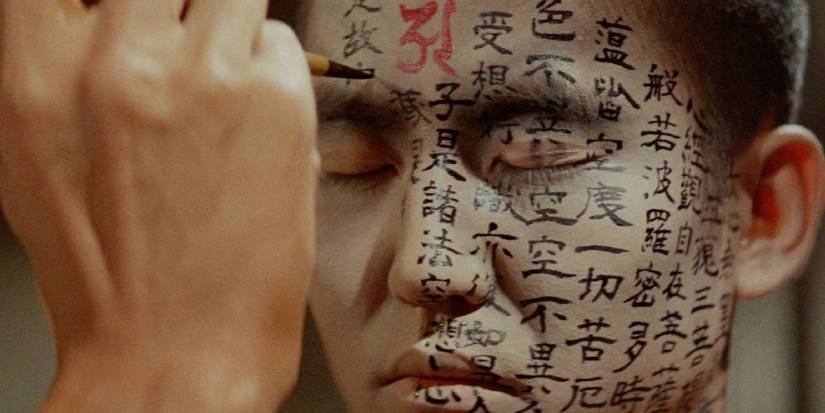 Image via Toho
With its stylized visuals and deliberate pacing, Kwaidan has earned a sweet spot in many horror fans' hearts, and understandably so. 60 years later, the Japanese folk horror film remains equally haunting and beautiful, presenting four different tales with supernatural themes that both entertain and terrify audiences from all around the globe.
Kwaidan's poetic charm lies heavily in its visuals: whether it's the saturated colors and surreal backdrops, slow pacing, atmosphere, or set design. Drawing deeply from Japanese art and aesthetics, Masaki Kobayashi crafts a movie that feels less like a horror anthology than a series of visual poems. Beneath its beauty, however, lie universal meditations on human frailty, loneliness, and inevitable loss. It transcends conventional horror in many ways, but most notably in its willingness to highlight theme, history, and cultural memory over easy scares.
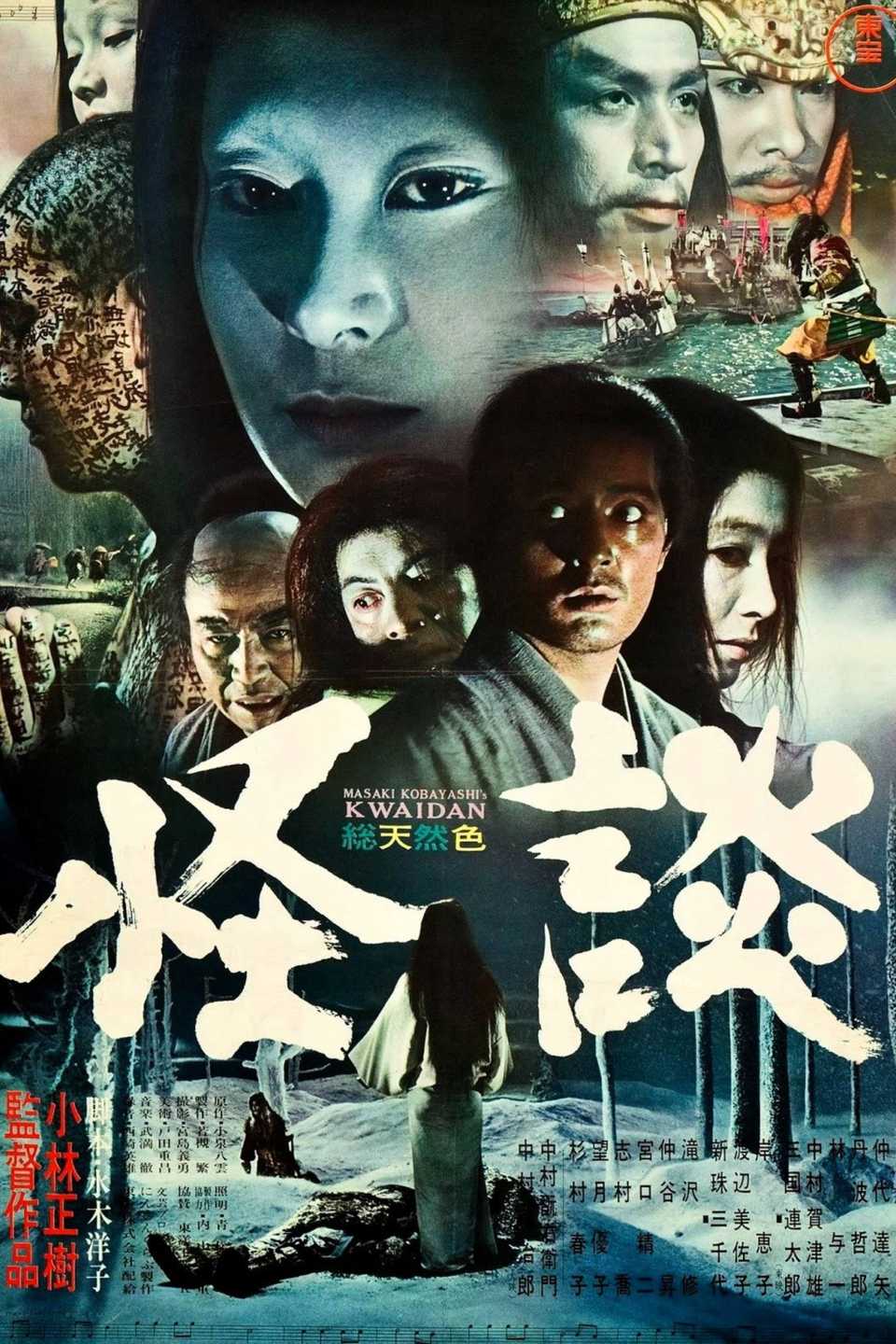
Kwaidan
Release Date December 29, 1964
Runtime 183 Minutes
Director Masaki Kobayashi
Writers Yôko Mizuki, Lafcadio Hearn
-

-
Michiyo Aratama
First Wife
-
Misako Watanabe
Second Wife
-


 English (US) ·