
There's nothing quite like curling up on the couch or in bed after a long day or week and popping on a good TV drama to escape into. Whether it's one you watched before, something new that has just come out (or a new season), or an old show you always meant to check out but never got around to watching, there are some great ones from which to choose.
These range from shows about the drug underworld to fractured families, medical dramas, post-apocalyptic stories, even ones about serial killers, mob bosses, and prisoners. You have your pick of the litter when it comes to choosing among the most perfect TV dramas of the last three decades.
10 'Shameless' (2001–2021)
 Image via Showtime
Roseanne may have started the trend with TV shows depicting lower-middle-class families who didn't have it all together. But Shameless took it to new heights. The comedy drama is about the Gallagher family, which should be led by single father Frank (William H. Macy), but he's too busy drinking, and dealing with his bipolar disorder makes it impossible to care for his kids. This leaves them to fend for themselves, and care for him, notably the eldest child, Fiona (Emmy Rossum).
Shining an uncomfortable lens on a family situation that sadly is all too common, Shameless is the longest-running scripted original series in Showtime's history. While the final season was met with delays due to the COVID-19 pandemic, it ended fittingly raw and emotional. It's the type of show that requires a huge investment in time if you never watched its 11 seasons, but it's worth the time even 25 years after it started.
9 'The Walking Dead' (2010–2022)
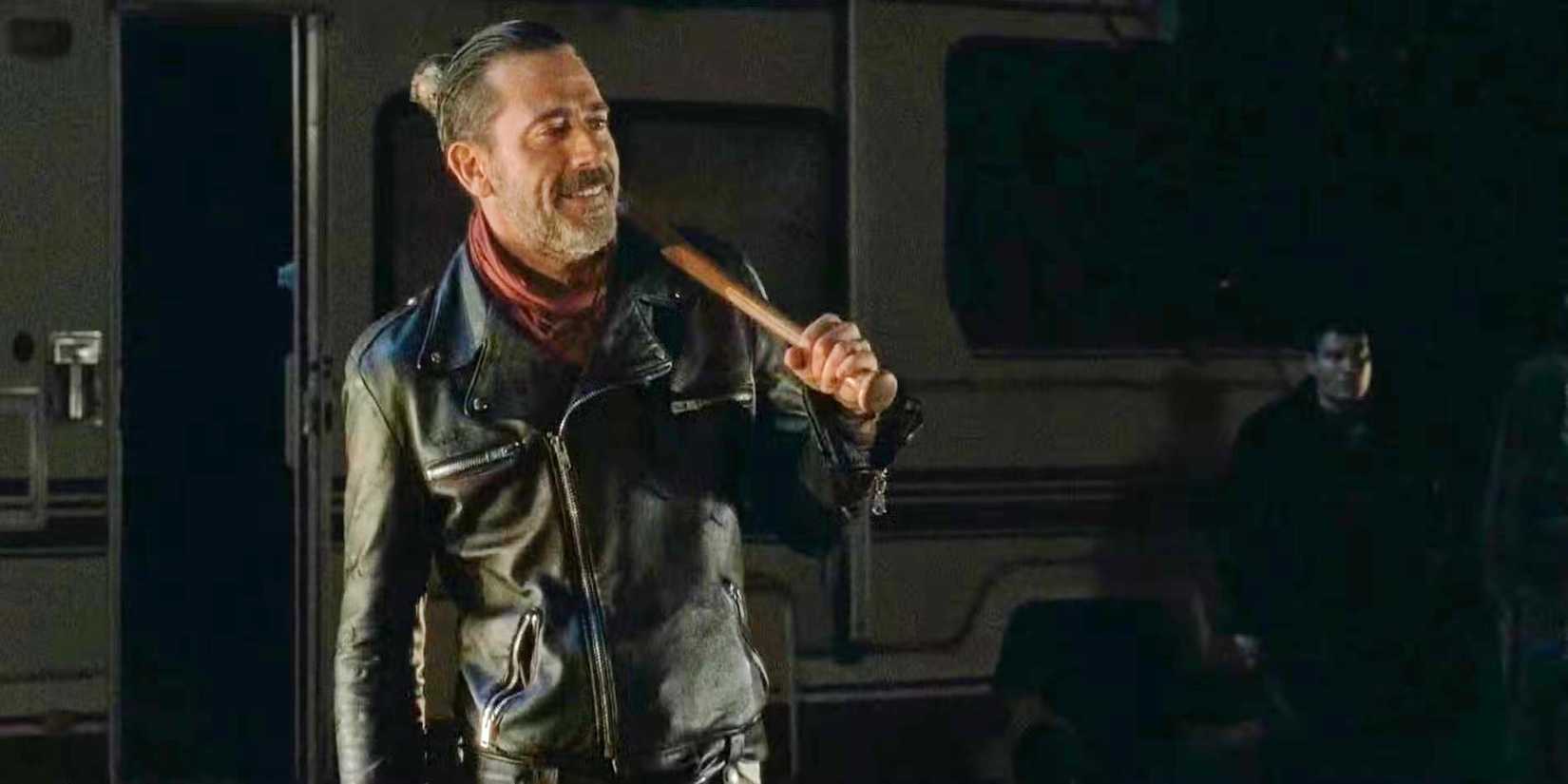 Image via AMC
Yes, there was a time when The Walking Dead had a dip in the story, losing viewers along the way. But it picked itself back up and returned better than ever, rewarding those who stuck with it through to the end. The post-apocalyptic horror drama centers around a virus that infects people, turning them into flesh-eating zombies.
However, The Walking Dead is about so much more than zombies; its focus is more on the survivors and the seemingly impossible decisions they make along the way to survive. It's about strength, resilience, and people of all walks of life coming together. There are so many themes behind The Walking Dead, lessons you can learn. Given how beloved the characters and story became, it's no wonder the show spawned several spin-offs, including two that continue to air to this day.
8 '24' (2001–2010)
 Image via FOX
Airing for nine seasons plus a TV movie called 24: Redemption and the 12-episode limited series 24: Live Another Day, 24 changed the game for television with its unique format. Each episode of the action drama is told in real-time, covering an hour in the life of Jack Bauer (Kiefer Sutherland), a senior agent in the Counter Terrorist Unit (CTU) who puts his life on the line daily to stop terrorist plots from materializing.
The show is intense, the format different from anything else on television at the time. The story gets emotional at times, but for the most part, it's entirely filled with action. With high stakes, there are compelling characters who play into the plot, playing everyone from Jack's co-workers to the fictional President of the United States. 24 and its ticking clock format have become part of pop culture history.
7 'Oz' (1997–2003)
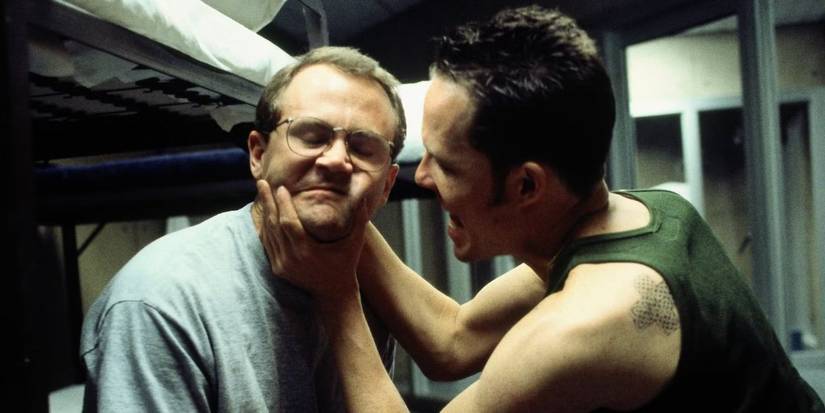 Image via HBO
This prison drama that aired for six seasons takes place in a fictional level 4 maximum security state prison known as Oswald State Correctional Facility, or Oz. But the name is also a play on The Wizard of Oz. The show even uses the tagline "It's no place like home" and names the wing of the prison where most of the story takes place, "Emerald City." Of course, the situation is anything but rosy in Oz, even though the premise is that it's an experimental unit that focuses on rehabilitating criminals instead of punishing them.
Oz depicts a concept many people have fought for in American prisons. It shows how such a set-up can potentially help, but also how the same problems still exist, including a racial and social divide among prisoners who are constantly fighting, fights for power, and actions that threaten their futures. Narration cleverly helps provide context and analysis of situations, along with a hint of humor to lighten the otherwise dark premise.
Collider Exclusive · TV Medicine Quiz Which Fictional Hospital Would You Work Best In? The Pitt · ER · Grey's Anatomy · House · Scrubs
Five hospitals. Five completely different ways medicine goes sideways on television — brutal, chaotic, romantic, brilliant, and ridiculous. Only one of them is the ward your instincts were built for. Eight questions will figure out exactly where you belong.
🚨The Pitt
🏥ER
💉Grey's
🔬House
🩺Scrubs
FIND YOUR HOSPITAL →
01
A critical patient comes through the door. What's your first instinct? Medicine under pressure reveals who you actually are.
AStay completely present — block everything else out and work through it step by step, right now. BTriage fast and delegate — get the right people on the right problems immediately. CTrust my gut and move — I work best when I stop overthinking and just act. DAsk the question everyone else is ignoring — what's the thing that doesn't fit? ETake a breath, make a joke to cut the tension, and then get to work — panic helps no one.
NEXT QUESTION →
02
Why did you go into medicine in the first place? The honest answer says more about you than the one you'd give in an interview.
ABecause I wanted to be where it matters most — right at the edge, when someone's life is actually on the line. BBecause I wanted to help people — genuinely, one patient at a time, in a system that makes it hard. CBecause I was drawn to the intensity of it — the stakes, the drama, the feeling of being fully alive. DBecause medicine is the most interesting puzzle there is — and I needed a problem worth solving. EBecause I wanted to make a difference — and also, honestly, I didn't know what else to do with my life.
NEXT QUESTION →
03
What do you actually want from the people you work with? Who you want beside you under pressure is who you are.
ACompetence and calm — I need people who don't fall apart when things get bad. BTrust and reliability — I want to know that when I pass something off, it's handled. CConnection — I want colleagues who become family, even if that gets complicated. DIntelligence and the willingness to be challenged — I have no interest in people who just agree with me. EFriendship — people I actually like spending twelve hours a day with, because those hours are going to happen either way.
NEXT QUESTION →
04
You lose a patient you fought hard to save. How do you carry it? Every doctor who's worked a long shift has had to answer this question.
AI carry it. All of it. I don't look for ways to put it down — that weight is part of doing this work honestly. BI process it and move — you have to, or the next patient suffers for the one you just lost. CI feel it deeply and lean on the people around me — I don't think you're supposed to handle that alone. DI go back over every decision — not to punish myself, but because I need to understand what I missed. EI grieve it genuinely, find some way to laugh about something unrelated, and try to be kind to myself — imperfectly.
NEXT QUESTION →
05
How would your colleagues describe the way you work? Your reputation on the floor is usually more accurate than your self-image.
AIntense and completely present — no small talk during a shift, but exactly who you want there. BSteady and dependable — not the flashiest in the room but never the one who drops something. CPassionate and occasionally chaotic — brilliant on the hard cases, prone to drama everywhere else. DBrilliant and difficult — right more often than anyone else, and everyone knows it, including me. EWarm and self-deprecating — not the most intimidating presence, but genuinely good at this and easy to like.
NEXT QUESTION →
06
How do you feel about hospital protocol and procedure? Every institution has rules. What you do with them is a choice.
AProtocol is the floor, not the ceiling — I follow it until the patient needs something it can't provide. BI respect it — the system is broken in places, but the structure is there for a reason and I work within it. CI follow it until my instincts tell me not to — and my instincts are usually right, even when they cause problems. DRules are for people who haven't thought hard enough about when to break them. EI try to follow it and mostly do — with a few memorable exceptions that still come up in meetings.
NEXT QUESTION →
07
What does this job cost you personally? Nobody works in medicine without paying a price. What's yours?
AEverything outside these walls — I've given this job my full attention and the rest of my life has gone around it. BMy idealism, mostly — I came in believing the system could be fixed and I've made a complicated peace with that. CStability — my personal life has been as chaotic as the OR, and that's not entirely a coincidence. DMy relationships — I am not easy to know, and the people who've tried to would probably agree. EMy sense of gravity — I use humour as a coping mechanism, which not everyone appreciates in a hospital.
NEXT QUESTION →
08
At the end of a long shift, what keeps you coming back? The answer to this question is the most honest thing about you.
AThe fact that it's real — that nothing else I could be doing would matter this much, right now, today. BThe patients — individual human beings who needed something and got it because I was there. CThe people I work with — I have walked through impossible things with these people and I'd do it again. DThe next unsolved case — there's always another puzzle, and I'm not done yet. EBecause despite everything — the exhaustion, the loss, the absurdity — I actually love this job.
REVEAL MY HOSPITAL →
Your Assignment Has Been Made You Belong In…
Your answers have pointed to one fictional hospital above all others. This is the ward your instincts, your temperament, and your particular brand of dysfunction were built for.
The Pitt
You are built for the most unsparing version of emergency medicine television has ever shown — one that puts you inside a single fifteen-hour shift and doesn't let you look away.
- You need your work to be real, not romanticised — meaning over drama, honesty over aesthetics.
- You find purpose inside the work itself, not in the chaos surrounding it.
- You've made peace with the fact that this job takes from you constantly, and gives back in ways that are harder to name.
- Pittsburgh Trauma Medical Center demands exactly that kind of person — and you would not want to be anywhere else.
ER
You are the person who keeps the whole floor running — not the most brilliant in the room, but possibly the most essential.
- You show up, do the work, absorb the losses, and come back the next day without needing the job to be anything other than what it is.
- You care about patients as individual human beings, not as cases to solve or dramas to live through.
- You believe in the system even when it fails you — and you understand that emergency medicine is about holding the line just long enough.
- ER is television about endurance. You have it.
Grey's Anatomy
You came to medicine with your whole self — your ambition, your emotions, your relationships, your history — and you have never quite managed to leave any of it at the door.
- You feel things fully and form deep attachments to the people you work with.
- Your personal and professional lives are permanently, chaotically entangled — and that entanglement drives both your greatest disasters and your most remarkable saves.
- You understand that extraordinary medicine often happens at the intersection of clinical skill and profound human connection.
- It's messy at Grey Sloan. You would not have it any other way.
House
You are drawn to the problem above everything else — the symptom that doesn't fit, the diagnosis hiding underneath the obvious one.
- You're not primarily motivated by the patient as a person — though you are capable of caring, even if you'd deny it.
- You work best when the stakes are highest and the standard answer is wrong.
- Princeton-Plainsboro exists to house one extraordinary, impossible mind — and everyone around that mind is there because they're smart enough to keep up.
- The only way forward here is to think harder than everyone else in the room. That is exactly what you do.
Scrubs
You understand that medicine is tragic and absurd in almost equal measure — and that the only sane response is to hold both of those things at the same time.
- You are warm, self-aware, and funnier than most people in your field.
- You use humour to get through terrible moments — and at Sacred Heart, that's not a flaw, it's a survival strategy.
- You lean on the people around you and let them lean back. The laughter and the grief are genuinely inseparable here.
- Scrubs is a show about learning to become someone worthy of the job. You are still very much in the middle of that process — which is exactly right.
↻ RETAKE THE QUIZ
6 'The Pitt' (2025–Present)
The Pitt has taken the new primetime TV lineup by storm, dubbed as ER for a new generation. Noah Wyle returns, this time as Dr. Michael "Robby" Robinavitch, attending physician at a teaching hospital. Praised for being one of the realest medical dramas ever on television, it's raw, emotional, graphic at times, and heavily focused on both mental and physical health. It's one of the most stressful TV shows of all time as well.
The show has been the subject of conversation as it has injected real-life social commentary into episodes with stories like ICE agents coming into the hospital with an injured person in custody and the COVID-19 pandemic. With just two seasons under its belt, a third on the way, it's worth catching up on the show, each episode per season uniquely delivered as a real-time hour in a 15-hour shift.
5 'Mr. Robot' (2015–2019)
 Image via USA Network
Having developed a cult following since premiering over a decade ago, Mr. Robot is a mind-bending psychological techno-thriller that delivers twists and turns as well as serves up social commentary about corporate greed, control, and privacy. Rami Malek is Elliot Alderson, a reclusive cybersecurity engineer who secretly plans to take down the largest conglomerate in the world, E Corp. He's led by the mysterious Mr. Robot (Christian Slater) who we learn more about as the plot unfolds.
The series is one you'll want to watch a second time once the biggest twist is revealed, and that you'll see in a completely different light once you truly understand what's going on. The story becomes darker and more ominous through each of its four seasons, culminating in an explosive end. Beautifully shot, written, and acted, there's little to critique with this absolutely perfect drama.
4 'Dexter' (2006–2013)
 Image via Showtime
Dexter is so perfect throughout its seven seasons that it's enough to forget the abysmal finale and still rank it among the best dramas. This is helped by the sequel series Dexter: New Blood and Dexter: Resurrection, the latter of which will return for a second season, both of which helped right the wrongs of that original finale.
At the heart of the crime drama is vigilante serial killer Dexter Morgan (Michael C. Hall), who has learned to control his compulsions, channeling them into killing only bad people who "deserve it": criminals who do, and will continue to do, awful things if they aren't stopped. The show follows his life as a blood spatter analyst for the local police department balanced with his secret identity. It's emotional, riveting, and creates complicated feelings for viewers who can't help but adore a stone-cold killer.
3 'The Wire' (2002–2008)
 Image via HBO
Dubbed one of the realest crime dramas ever on television, The Wire is loosely based on the experiences of Ed Burns, a former homicide detective and public school teacher who serves as the show creator's writing partner. Set in Baltimore, it follows authorities trying their best to keep the peace while navigating the complicated web of societal factions that play into their jobs. This includes everything from the port city to the government and the media.
Ending just as poignantly and fittingly as it begins, The Wire delivers through all five of its masterfully written seasons. Often named among the best TV shows of all time, The Wire is a scathing commentary on bureaucracy and red tape, and tells a true-to-life story about how situations are rarely tied up with little bows. Instead, the wheel of crime and justice simply always keeps turning.
2 'The Sopranos' (1999–2007)
 Image via HBO
One of HBO's first big shows (yes, it's tough to imagine a time when HBO wasn't one of the biggest networks, and now streamers, in the landscape) was The Sopranos. The crime drama is about Tony Soprano (Jame Gandolfini), a mafia boss in New Jersey. We see two sides of Tony: his time at work running an underground criminal organization that often involves doing violent things, and the time he spends with his psychiatrist, Dr. Jennifer Melfi (Lorraine Bracco), who tries to help him through the challenges of balancing his life as a crime boss with that of also being a husband and father.
Considered to be one of the best and most influential TV shows ever made, The Sopranos is the benchmark on which every mafia-based show that has come since has emulated. Presenting like a classic '80s and '90s mafia movie spread across multiple episodes in a season, this allows for tremendous character development, loss, and deep storytelling. While the show's ending left fans divided, looking at it in retrospect, it was the only way to close his story.
1 'Breaking Bad' (2008–2013)
 Image via AMC
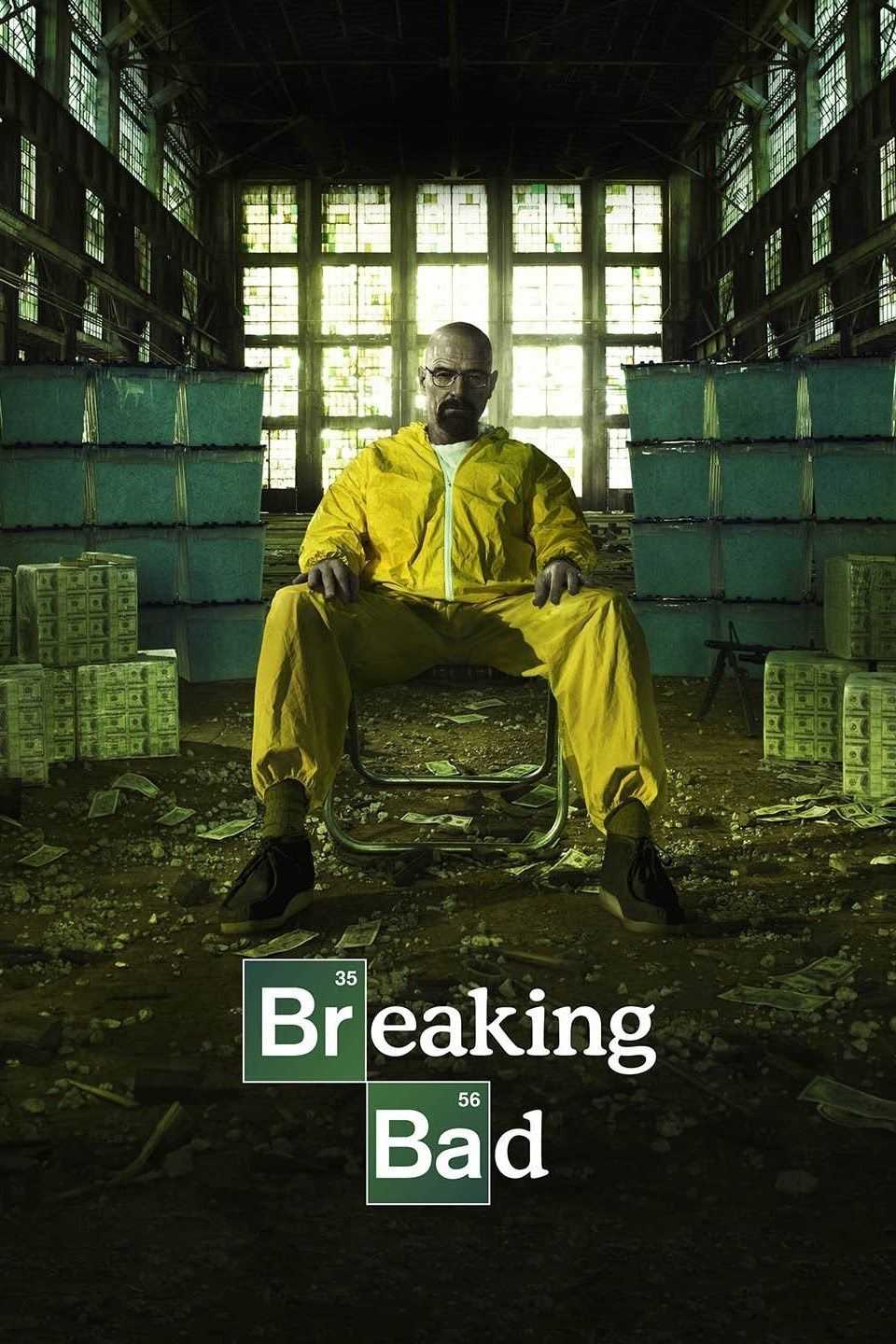
Some might argue that Breaking Bad isn't just one of the most perfect TV dramas of the last 30 years, but the best TV drama ever. The story is about the criminal drug underworld on the surface, but the real story is that of the descent of a man who has felt dismissed his whole life, quietly lived as he felt he should, but is finally rising to power and can't help but sink into the worst version of himself in the process.
Walter White (Bryan Cranston) is one of the most enthralling TV antiheroes, beloved so much despite the heinous things he does that fans even ripped his on-screen wife Skyler (Anna Gunn) to shreds, despite Walter being the supposed "bad guy." A man who goes from chemistry teacher to drug kingpin sounds like a stretch, but it's the slow-burn journey in this series that is absolutely brilliant, from beginning to end.
Breaking Bad
Release Date 2008 - 2013-00-00
Network AMC
Showrunner Vince Gilligan
Directors Vince Gilligan, Michelle Maclaren







 English (US) ·