
 Image via Netflix / Courtesy Everett Collection
Published Apr 12, 2026, 9:22 PM EDT
Ryan Heffernan is a Senior Writer at Collider. Storytelling has been one of his interests since an early age, with his appreciation for film and television becoming a particular interest of his during his teenage years.
This passion saw Ryan graduate from the University of Canberra in 2020 with an Honours Degree in Film Production. In the years since, he has found freelance work as a videographer and editor in the Canberra region while also becoming entrenched in the city's film-making community.
In addition to cinema and writing, Ryan's other major interest is sport, with him having a particular love for Australian Rules football, Formula 1, and cricket. He also has casual interests in reading, gaming, and history.
Sign in to your Collider account
Ever since television entered its golden age in the late 1990s and early 2000s, the medium has been in a state of constant evolution as new sensations have continuously shifted the paradigm of what audiences want to see. This landscape of change, innovation, and influence has been particularly pronounced over the past decade, with the nature of the medium changing substantially with the onset of streaming entertainment and the progressive increase in the funding of small-screen drama allowing for bigger and bolder stories to be told.
From dramas that have reset the status quo with their unique tonal approaches to age-old genre tropes to comedies that have defied the rampant cynicism of the times with warmth and wonder, and even to science-fiction series that have inspired a wave of nostalgia, these 10 titles have made a lasting impact already. Some of these series have even gone beyond influencing the state of television to have an immediate real-world impact on everything from fashion and reality TV to political debates surrounding issues of nuclear energy.
10 'The White Lotus' (2021–Present)
 Image via HBO
The White Lotus is a fascinating series to analyze from the viewpoint of its impact on satirical storytelling and society. Each of The White Lotus' three seasons released thus far has focused on a different branch of the White Lotus luxury resort hotel, with narratives employing biting, acidic, and absurd comedy to lampoon the morality of wealth and elitism as they revolve around the intersecting personal drama of the guests and staff alike.
While the series’ integral idea of making a mockery of power and luxury is far from original, the lengths it is willing to go to do so are certainly unprecedented. Featuring everything from shock comedy and obscene dialogue to abrupt, stupefying nudity, The White Lotus has made boundary-pushing bravado a spectacle in itself. The fact that this wicked humor combines so well with the series’ enrapturing interest in dissecting class disparity and elitism through its litany of incredibly flawed characters, tackling additional themes of gender politics and familial dysfunction, and doing so in such idyllic locations makes The White Lotus one of the most decadently addictive series of the past decade, one that illuminates television’s growing budgetary strength in the streaming age as well as society’s mounting interest in issues of power and class.
9 'Ted Lasso' (2020–Present)
 Image via Apple TV
The past 10 years have certainly been an interesting time to live in, with everything from the lunacy of international politics and economic crises to disturbing societal trends dominating the headlines and coating the world in a sense of gloom. Many of the biggest TV shows of the last decade, even comedies, have sought to explore these issues and, as such, have embraced an air of pessimism in the process. Ted Lasso has emerged as a refreshing departure from this, flaunting a warmth and hopefulness that has taken television lovers by storm.
Jason Sudeikis stars as the titular Ted Lasso, an American college football coach hired as the manager of an EPL soccer team as an act of sabotage, only for his unwavering compassion, kindness, and belief to be the very thing the club needs to soar to unlikely new heights, both on the field and off it. Its positivity is infectious, feeling like a warm hug in a time of global anxiety. Its success has already seen some series follow suit, pivoting away from the moral ambiguity of anti-heroes in favor of sincere, empathetic characters who offer comfort at a time when it is most needed.
8 'The Bear' (2022–Present)
 Image via FX
A defining hit series of the 2020s so far, The Bear has garnered a significant following off the back of its ability to blend grounded and moving drama with outbursts of chaotic comedy as it follows the tumultuous life and career of young chef Carmy Berzatto (Jeremy Allen White). After inheriting a sandwich shop in the aftermath of his brother’s suicide, Carmy returns home to Chicago to manage the restaurant, but his hopes of fulfilling his dream of becoming a successful haute cuisine chef are jeopardized by his dysfunctional family dynamic, the crushing responsibilities of operating a small business, and even the unruly staff who work under him.
Executed with an uncompromising appetite for authenticity, The Bear is an immersive look at the high-octane life of hospitality and the pressures of running a fine-dining establishment. Over the course of its four-season run thus far, it has become a true phenomenon of modern television, with cries of “yes, Chef!” reverberating around kitchens the world over. Far more than just a social fad, however, The Bear is certain to impact television with its masterful ability to juggle raw realism with powerful character drama and eruptions of outrageous dark comedy. The Bear's fifth and final season will premiere later in 2026.
7 'Severance' (2022–Present)
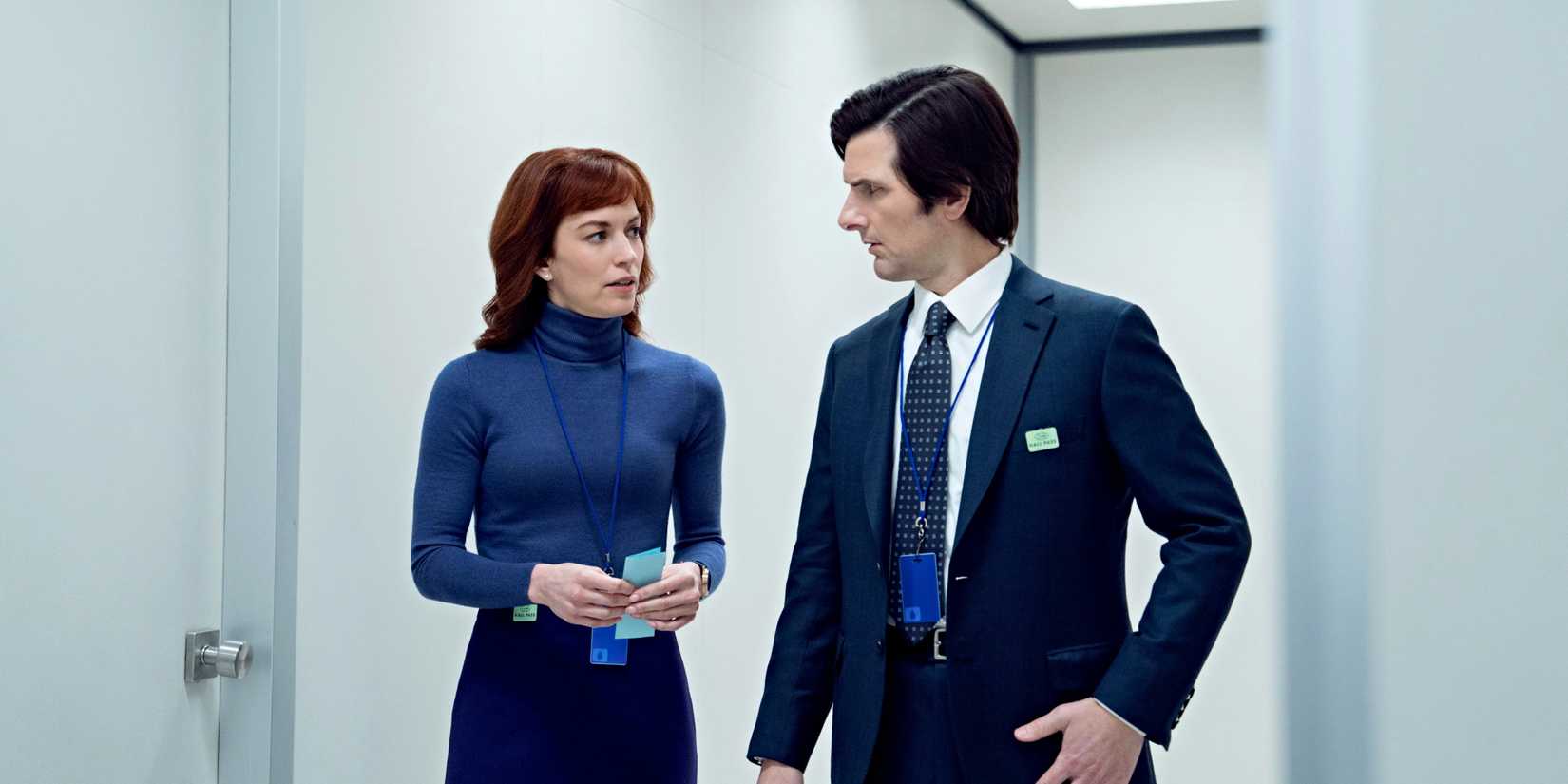 Image via Apple TV
Science fiction has been growing in stature on the small screen in recent years, especially through a lens of grounded dystopian landscapes that aren’t too far detached from reality. Severance is something of a defining title in this regard, with the Apple TV+ original series following Mark Scout (Adam Scott), a Lumon Industries employee who, like his team, has undergone a procedure to create a divide between his work experiences and personal memories in his brain. After a bizarre encounter with a former colleague in the real world, Mark embarks on a quest to figure out the true nature of the company he works for.
The series has had a massive social impact since the release of its second season, with its compelling story of high-stakes sci-fi and corporate amorality striking viewers with its meditations on the imbalance of modern professional/personal schedules and the cold sterility of the workplace. Severance excels at delivering an original and unique high-concept story in a manner that is bleakly relatable. Its endeavor to marry surreal, genre-heavy narrative with cutting analysis of real-world issues that millions of people face is sure to be a relevant idea for future films and TV shows as well.
6 'Fleabag' (2016–2019)
 Image via BBC
Heralded by many as being among the greatest comedy series of all time, especially in more recent years, Fleabag thrives as both a brilliant sitcom and a masterful re-wiring of the genre’s design. Written, directed by, and starring Phoebe Waller-Bridge, the tragi-comedy series follows a woman—referred to only as “Fleabag”—as she navigates the pitfalls of love and life in London with nothing but her acidic wit and no-filter crudeness, all while struggling to overcome the grief and anger she feels about the recent death of her best friend.
Based on Waller-Bridge’s own one-woman stage play, Fleabag juggles debilitating drama and uproarious, completely absurd comedy with expert precision, employing everything from incredibly fluid fourth-wall-breaking monologues to subversive ideals on the “messy woman” archetype with such brilliance that it has become an enduring television triumph. While its style hasn’t been truly replicated, Fleabag has been influential in its ability to normalize and even inspire more female-led series that deal with real-life issues from a feminine perspective with sincerity, depth, and an acceptance of faults and flaws. It empowers with its earnestness, and it opened a door to a television landscape more encouraging of such stories.
Collider Exclusive · Sci-Fi Survival Quiz Which Sci-Fi World Would You Survive? The Matrix · Mad Max · Blade Runner · Dune · Star Wars
Five universes. Five completely different ways the future went wrong — or sideways, or up in flames. Only one of them is the world your instincts were built for. Eight questions will figure out which dystopia, galaxy, or desert wasteland you'd actually make it out of alive.
💊The Matrix
🔥Mad Max
🌧️Blade Runner
🏜️Dune
🚀Star Wars
TEST YOUR SURVIVAL →
01
You sense something is deeply wrong with the world around you. What do you do? The first instinct is often the truest one.
APull on every thread until I understand the system — then figure out how to break it. BStop asking questions and start stockpiling — food, fuel, weapons. Questions don't keep you alive. CKeep my head down, observe carefully, and trust no one until I know who's pulling the strings. DStudy the patterns. Every system has a rhythm — learn it, and you learn how to survive it. EFind the people fighting back and join them. You can't fix a broken galaxy alone.
NEXT QUESTION →
02
In a world of scarcity, what resource do you guard most fiercely? What we protect reveals what we believe survival actually requires.
AKnowledge. If you understand the system, you don't need resources — you can generate them. BFuel. Everything else — movement, power, escape — runs on it. CTrust. In a world of fakes and informants, a truly reliable ally is rarer than any commodity. DWater. And after water, information — the two things empires are truly built on. EShips and credits. The galaxy is big — you survive it by being able to move through it freely.
NEXT QUESTION →
03
What kind of threat keeps you up at night? Fear is useful data — if you're honest about what you're actually afraid of.
AThat reality itself is a lie — that everything I experience has been constructed to keep me compliant. BA raid. No warning, no mercy — just the roar of engines and then nothing left. CBeing identified. Once someone with power decides you're a problem, you're already out of time. DBeing outmanoeuvred — losing a political game I didn't even know I was playing. EThe Empire tightening its grip until there's nowhere left to run.
NEXT QUESTION →
04
How do you deal with authority you don't trust? Every dystopia has a power structure. Your approach to it determines everything.
ASubvert it from the inside — learn its rules well enough to weaponise them against it. BIgnore it and stay out of its reach. The further from any power structure, the better. CAppear to comply while doing exactly what I need to do. Visibility is the enemy. DManoeuvre within it carefully. You can't beat a system you refuse to understand. EResist openly when I have to. Some things are worth the risk of being seen.
NEXT QUESTION →
05
Which environment could you actually endure long-term? Survival isn't just tactical — it's physical, psychological, and very much about where you are.
AUnderground bunkers and server rooms — cramped, artificial, but with access to everything that matters. BOpen wasteland — brutal sun, no shelter, constant movement. At least the threat is honest. CA dense, rain-soaked city where you can disappear into the crowd and nobody asks questions. DMerciless desert — extreme heat, no water, and something enormous living beneath the sand. EThe fringe — backwater planets and busy spaceports where the Empire's attention rarely reaches.
NEXT QUESTION →
06
Who do you want in your corner when things fall apart? The company you keep is the clearest signal of who you actually are.
AA tight crew of believers who've seen behind the curtain and have nothing left to lose. BOne or two people I'd trust with my life. Any more than that and someone talks. CNobody, ideally. Alliances are liabilities. I work alone unless I have no choice. DA community bound by shared hardship and mutual survival — people who need each other to last. EA ragtag team with wildly different skills and total commitment when it counts.
NEXT QUESTION →
07
Where do you draw the line — if you draw one at all? Every survivor eventually faces a moment that tests what they're actually made of.
AI won't harm the innocent — even the ones who'd report me without hesitation. BI do what I have to to protect the people I've chosen. Everything else is negotiable. CThe line shifts depending on who's asking and what's at stake. DI draw a long-term line — nothing that compromises my people's future, even if it'd help now. ESome lines, once crossed, can't be uncrossed. I know which ones they are.
NEXT QUESTION →
08
What would actually make survival worth it? Staying alive is one thing. Having a reason to is another.
AWaking others up — dismantling the illusion so no one else has to live inside it. BFinding somewhere — or someone — worth protecting. A reason to keep moving. CAnswers. Understanding what I am, what any of this means, before time runs out. DLegacy — shaping the future in a way that outlasts me by generations. EFreedom — for myself, for others, for every world still living under someone else's boot.
REVEAL MY WORLD →
Your Fate Has Been Calculated You'd Survive In…
Your answers point to the world your instincts were built for. This is the universe your temperament, your survival instincts, and your particular brand of stubbornness were made for.
The Matrix
You took the red pill a long time ago — probably before anyone offered it to you. You're a systems thinker who can't help but notice the seams in things.
- You're drawn to understanding how the system works before figuring out how to break it.
- You'd find the Resistance, or it would find you — your instinct for spotting constructed realities is the machines' worst nightmare.
- You function best when you have access to information and the freedom to act on it.
- The Matrix built an airtight prison. You'd be the one probing the walls for the door.
Mad Max
The wasteland doesn't reward the clever or the well-connected — it rewards those who are hard to kill and harder to break. That's you.
- You don't need comfort, community, or a cause larger than the next horizon.
- You need a vehicle, a clear threat, and enough fuel to outrun it — and you're good at all three.
- You are unsentimental enough to survive that world, and decent enough — just barely — to be something more than another raider.
- In the wasteland, that distinction is everything.
Blade Runner
You'd survive here because you know how to exist in moral grey areas without losing yourself completely.
- You read people accurately, keep your circle small, and ask the questions others prefer not to answer.
- In a city where humanity is a legal designation rather than a feeling, you hold onto something that keeps you functional.
- You're not a hero. But you're not lost, either.
- In Blade Runner's world, that distinction is everything.
Dune
Arrakis is the most hostile environment in the known universe — and you are precisely the kind of person it rewards.
- Patience, discipline, and political awareness are your core strengths — and on Arrakis, they're survival tools.
- You understand that the long game matters more than any single victory.
- Others come to Dune and are consumed by it. You'd learn its logic and earn its respect.
- In time, you wouldn't just survive Arrakis — you'd begin to reshape it.
Star Wars
The galaxy far, far away is vast, loud, and in a constant state of violent political upheaval — and you wouldn't have it any other way.
- You find meaning in being part of something larger than yourself — a cause, a crew, a rebellion.
- You'd gravitate toward the Rebellion, or the fringes, or whatever pocket of the galaxy still believes the Empire's grip can be broken.
- You fight — not because you have to, but because standing aside isn't something you're capable of.
- In Star Wars, that willingness is what makes all the difference.
↻ RETAKE THE QUIZ
5 'Mindhunter' (2017–2019)
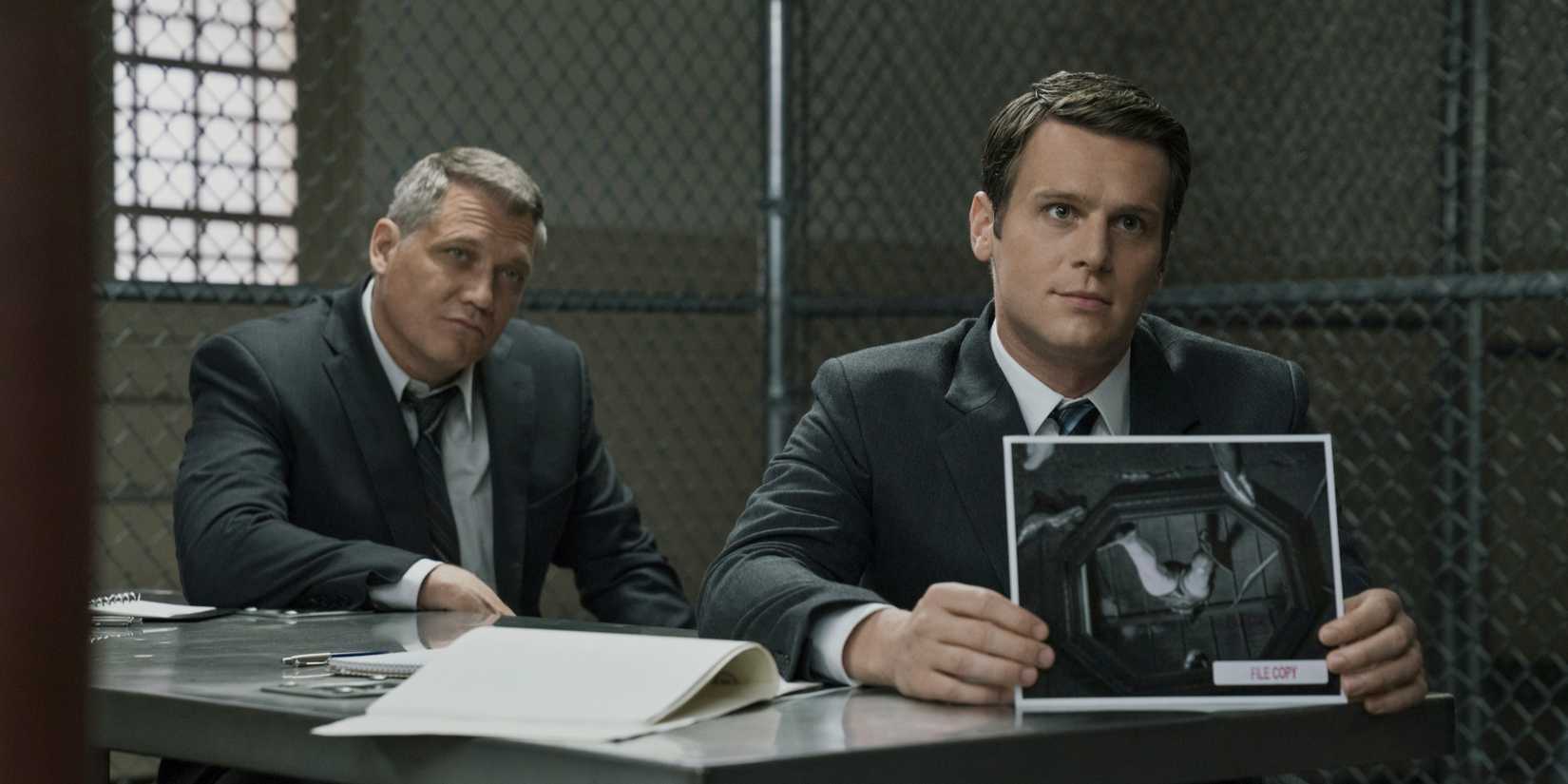 Image via Netflix
Crime drama has always been a centerpiece of television entertainment, but the recent onset of the true crime phenomenon has introduced new possibilities to the medium that no series has realized as sharply and masterfully as Mindhunter. While short-lived, the Netflix original series became an instant sensation with its unique spin on serial killer mystery, mixing fantastically with David Fincher’s penchant for slow-burn suspense and rich cinematic imagery, as well as its intriguing period setting.
Pivoting to focus on the minds of violent criminals, the series follows the early stages of the FBI’s Behavioral Science Unit—consisting of two agents and a psychologist—as they travel around America interviewing detained serial killers to gain insights into their motivations, patterns, and upbringings with the hope that their findings can be applied to active cases. Imbued with a psychological tension that prioritizes simmering dread and disconcerting intimacy over blood and gore, Mindhunter compels as a new spin on crime television. Its success helped popularize slow and meticulous crime thrillers on the small screen while setting a new standard for realism and cerebral depth in the medium.
4 'Succession' (2018–2023)
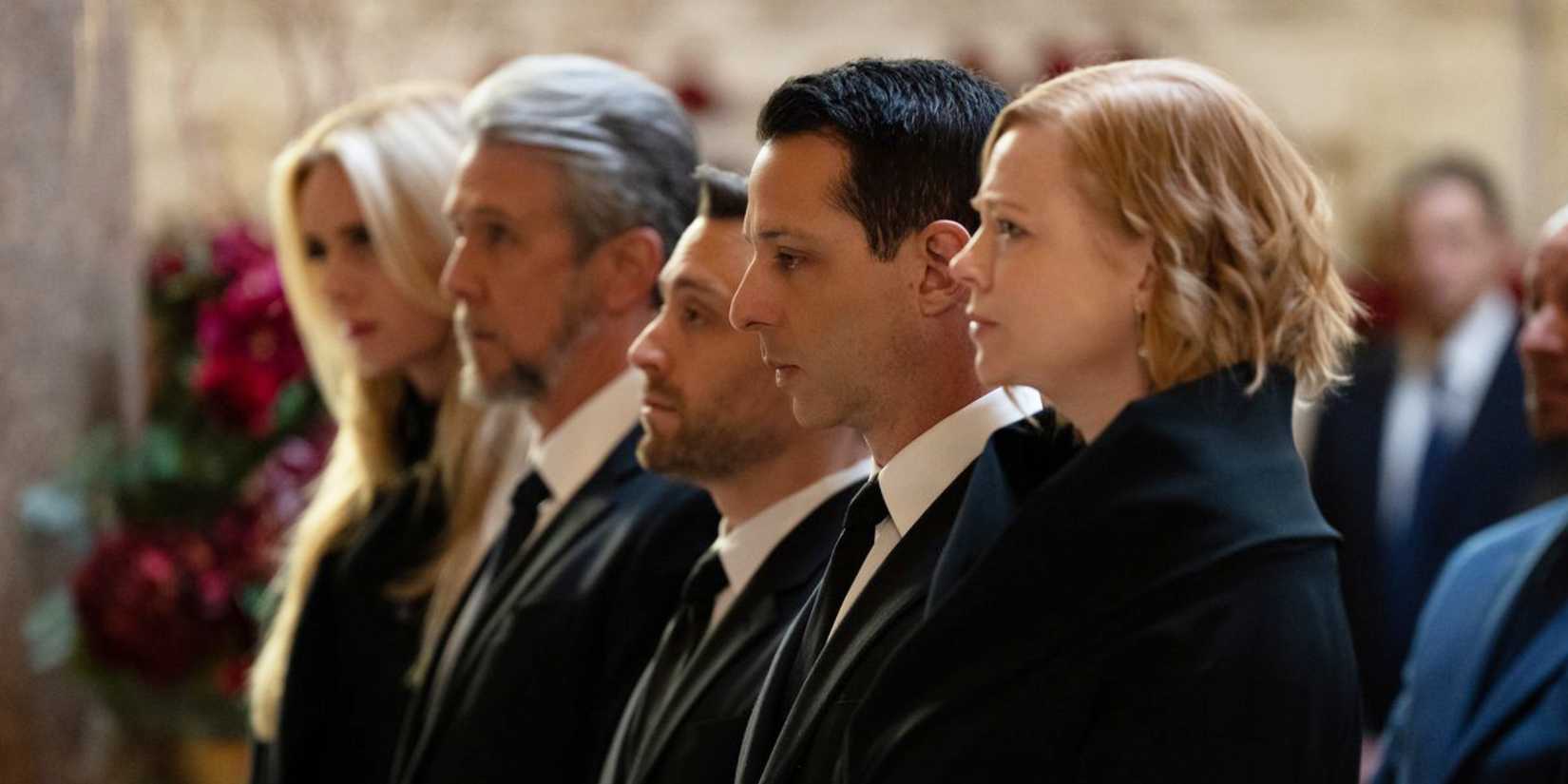 Image via HBO
Another sharp perfection of prestigious tragicomedy, Succession is a cutting and callous skewering of corporate politics and elitism. Its consistently fantastic four-season run marks one of the defining series of its era, with its story—following the internal feuding, rivalries, and shambolic dysfunction of the Roy family as three siblings strive to position themselves to succeed their aging father as the head of the global multimedia conglomerate, Waystar Royco—operating with such cutthroat tenacity that it became infectiously entertaining in the most wicked and wretched way possible.
Its surgical satirical edge definitely made an impression on the medium, but so too did its clever pivot on the anti-hero trope television has embraced for over 20 years now, with the Roy family depicted less as likable though amoral people, and more as spoiled, malignant, and absurd figures viewers learn to understand rather than admire. Furthermore, Succession has had a remarkable impact on how society views issues of elitism and immense wealth, reducing it from its enigmatic and lavish air of depravity and power to make it a profanity-laden punchline of obscenity and human behavior. Also influencing fashion trends—such as the rise of the minimalist “stealth wealth” style—and reconfiguring how people view the modern media landscape, its indelible imprint expands far beyond the small screen, making it one of the most prominent and important TV titles in recent years.
3 'Chernobyl' (2019)
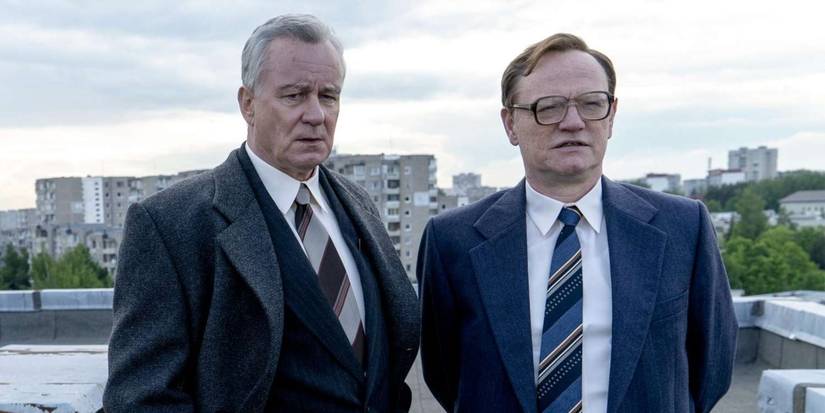 Image via HBO
A comprehensive and captivating dramatization of the Chernobyl nuclear power plant disaster of 1986 that examines everything from the experiences of the first responders, the intensive efforts to contain the fallout, the systemic corruption of the Soviet Union that tried to cover up the extent of the crisis, and the eventual political aftermath, Chernobyl is an awe-inspiring masterpiece of television drama. Proving itself to be so much more than just an incredible drama, the five-part miniseries has had an enormous impact on both the medium and global discussions concerning the safety of nuclear energy.
Focusing purely on the mark it has made on television productions, Chernobyl has set a new benchmark for historical drama with the astounding quality of its production, writing, and performances, as well as its attention to detail, thematic conviction, and unflinching endeavor to depict the true horror of the catastrophe. On a more societal note, its harrowing tone and immense scope re-ignited debate about the viability of nuclear power, the self-serving interests of political figures, and the importance of reporting the truth when such disasters occur.
2 'Squid Game' (2021–2025)
 Image via Netflix
Given the pop-culture phenomenon it has become, there is a peculiar irony that series creator Hwang Dong-hyuk spent in excess of 10 years toiling to bring Squid Game to life. The struggle worked out for the best, however, with the hit South Korean series proving to be perfectly timed with its premiere in 2021, with its ability to marry high-stakes survival thrills, piercing observations on capitalist desperation, and its unique, quirky aesthetic resonating with viewers all over the world.
Therein lies the series’ greatest impact. Squid Game’s soaring success dismantled language barriers in small-screen drama, effectively ushering in an age of international prestige drama—particularly from South Korea—that has been a defining force of 2020s television. Looking beyond television, it has had a tremendous effect on pop culture at large, whether it is its eerie yet impressionable visual style influencing fashion, its thematic ideas inspiring widespread discussion about societal norms and structures, or even—somewhat disturbingly—its competitive premise launching spin-off reality series. Its first season remains Netflix’s most-watched original project, thus further cementing the streaming platform as a juggernaut of modern entertainment.
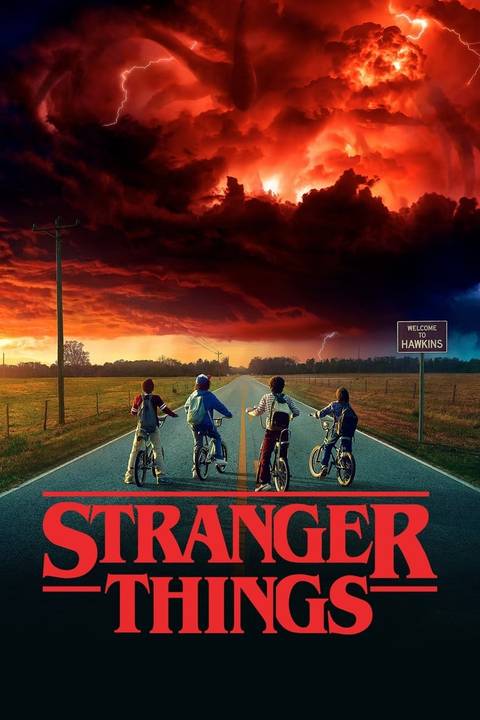
1 'Stranger Things' (2016–2025)
 Image via Netflix
Following the release of House of Cards, which started in 2013, Stranger Things was the series that truly cemented Netflix as a major force in producing prestige television drama, thus igniting streaming as a commanding power of the medium. Set in the 1980s, it takes place in the small town of Hawkins as the case of a missing child reveals a sinister scientific experiment and a doorway between our reality and a nightmarish mirror universe full of supernatural forces and monsters.
The hit sci-fi series birthed a new wave of '80s nostalgia, a phenomenon that has touched everything from mainstream film and television productions to modern fashion, pop-culture interests, and even music trends. The nature of its release schedule was instrumental in pioneering the binge-watch experience as it steered away from week-by-week releases. It could even be argued that the immense success of Stranger Things paved the way for the resurgence of high-quality horror in film and television as well. From its very first season right through to the release of its finale late in 2025, the Netflix original series has been a trailblazing triumph for streaming that has had a distinct impact on society as well.
Stranger Things
Release Date 2016 - 2025-00-00
Network Netflix






 English (US) ·