
 Image via Liam Daniel / ©HBO / Courtesy Everett Collection

Published Mar 26, 2026, 8:25 PM EDT
Sign in to your Collider account
Violence in television can take many forms, yet some miniseries leave a deeper mark because they refuse to soften what they are showing. These miniseries are brutal, not simply because of the presence of violence. The real weight comes from the situations surrounding it. A wrongful conviction slowly reshapes a young life. A government disaster exposes the danger of secrecy. Soldiers experience the psychological toll of combat that continues long after the fighting ends.
Because the episodes are limited, the creators can focus closely on the emotional and human cost of each event without stretching the story unnecessarily. Here are some of the most brutal series of all time that hit all the right chords.
10 ‘Waco’ (2018)
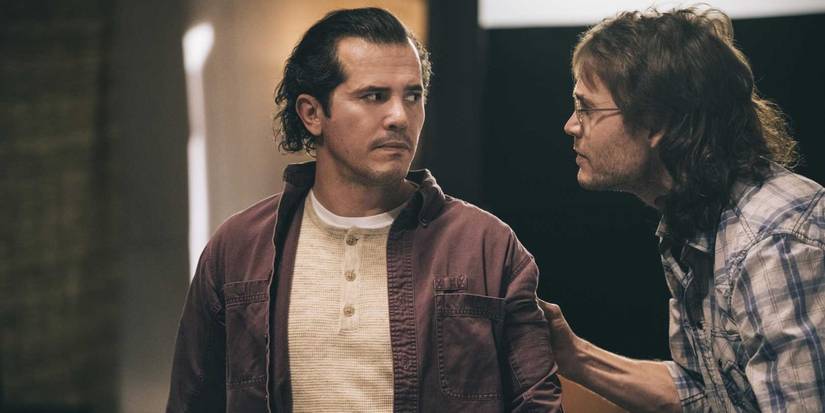 Image via Showtime
Some historical tragedies feel distant with time, yet the events in Waco still carry a heavy sense of unease. The miniseries revisits the 1993 siege between federal agents and the Branch Davidians in Texas, a conflict that unfolded slowly and painfully in front of national television. Instead of rushing toward the outcome, the show spends time with the people on both sides.
At the center of the compound stands David Koresh (Taylor Kitsch), a religious leader who believes he must protect his followers from outside authority. Across the barricade, negotiator Gary Noesner (Michael Shannon) tries to find a peaceful way out before the situation collapses. As days turn into weeks, families inside the compound grow more fearful while federal agents face pressure to end the standoff. The series keeps returning to these small human moments, and slowly it becomes clear how misunderstanding and pride can push a crisis toward an irreversible end.
9 ‘The Night Of’ (2016)
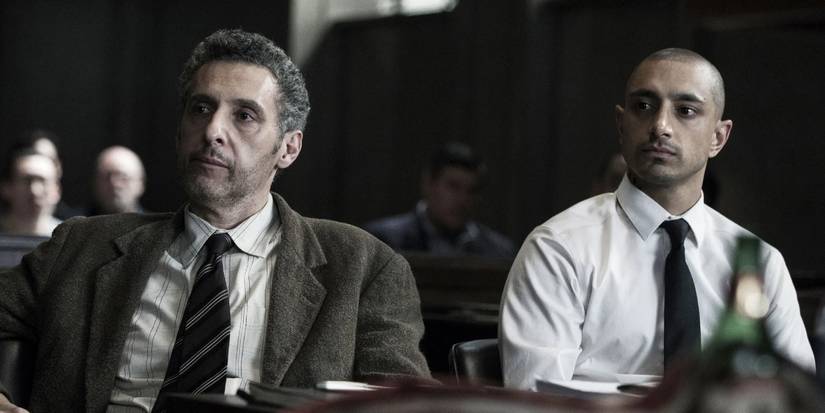 Image via HBO
A single night can change the direction of a life, and The Night Of explores that idea with painful patience. The series begins quietly, almost like an ordinary crime story, yet it gradually turns into a much deeper look at how the justice system affects everyone caught inside it. The tone remains restrained and serious, which allows the tension to grow through small developments instead of dramatic twists.
The story centers on Nasir Khan (Riz Ahmed), a college student who takes his father’s taxi for an evening in Manhattan. After meeting a stranger named Andrea (Sofia Black-D’Elia), the night ends in confusion when Nasir wakes up beside her lifeless body. The investigation quickly turns toward him, and the case moves through police stations, courtrooms, and the harsh routine of Rikers Island. His lawyer, John Stone (John Turturro), struggles to build a defense while the system slowly reshapes Nasir himself. As the series moves forward, the question of guilt remains uncertain, yet the damage done to everyone involved becomes impossible to ignore.
8 ‘When They See Us’ (2019)
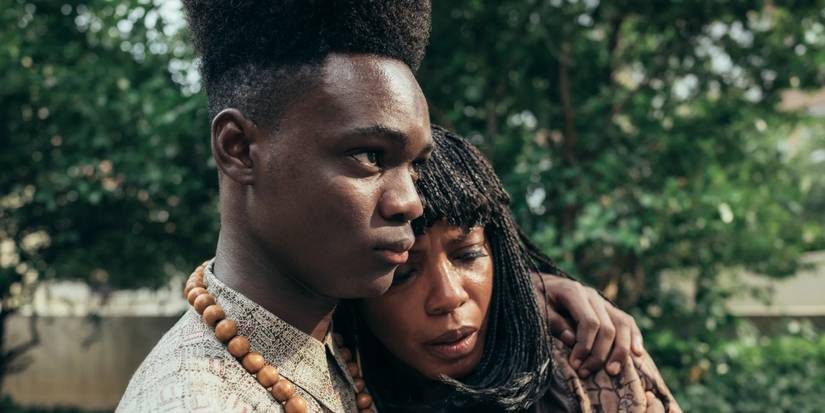 Image via Netflix
Some stories are difficult to revisit because the outcome is already known, yet the injustice behind them still demands attention. When They See Us approaches the case of the Central Park Five with patience and care. The series does not rely on sensational courtroom drama. Instead, it focuses on how institutions can fail young people when fear and public pressure begin to shape the investigation.
The story follows five teenagers, Antron McCray (Caleel Harris), Kevin Richardson (Ethan Herisse), Yusef Salaam (Chris Chalk), Raymond Santana (Marquis Rodriguez), and Korey Wise (Jharrel Jerome), who become suspects after a violent assault in Central Park in 1989. During questioning, detectives push the boys into confessions that do not match the evidence. As the case moves to court, prosecutors present a version of events that the public quickly accepts. Years later, the truth slowly emerges through new evidence. The series traces that long path carefully, showing how the weight of a wrongful conviction continues to shape their lives long after the headlines fade.
7 'Unbelievable' (2019)
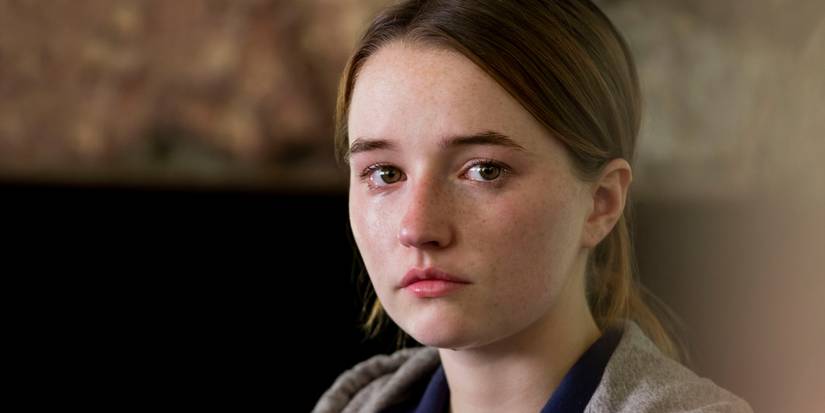 Image via Netflix
At first glance, Unbelievable appears to follow a familiar investigative structure, yet the series quickly reveals a deeper concern. It examines how victims are treated when their stories do not immediately fit the expectations of law enforcement. Rather than rushing through the investigation, the show takes time to show how doubt and disbelief can cause as much harm as the crime itself.
The story begins with Marie Adler (Kaitlyn Dever), a teenager who reports that she has been sexually assaulted in her apartment. During questioning, detectives begin to question her memory and consistency. Under pressure, Marie eventually withdraws her statement and is accused of making a false report. Years later, detectives Karen Duvall (Merritt Wever) and Grace Rasmussen (Toni Collette) begin investigating a series of similar assaults in another state. As the pattern becomes clearer, the investigation slowly reconnects with Marie’s original report. Step by step, the series reveals how one dismissed testimony nearly allowed a serial offender to continue unchecked.
6 ‘The Act’ (2019)
 Image via Hulu
True crime stories often focus on a single shocking event, yet The Act shows how disturbing situations can grow slowly inside ordinary surroundings. The series examines the strange and troubling relationship between a mother and daughter living in a quiet Missouri town. At first, the situation appears tragic. Neighbors believe they are helping a sick child and her devoted parent, and the community treats them with sympathy.
The story centers on Dee Dee Blanchard (Patricia Arquette) and her daughter Gypsy Rose (Joey King). Dee Dee claims that Gypsy suffers from numerous illnesses and keeps her dependent on medical treatments and constant supervision. Over time, however, Gypsy begins to question the reality of her condition and the limits placed on her life. As she searches for independence, the tension between them grows more intense. Eventually, that conflict leads to a violent crime that forces investigators to uncover years of manipulation and control hidden behind a carefully maintained public image.
5 ‘Chernobyl’ (2019)
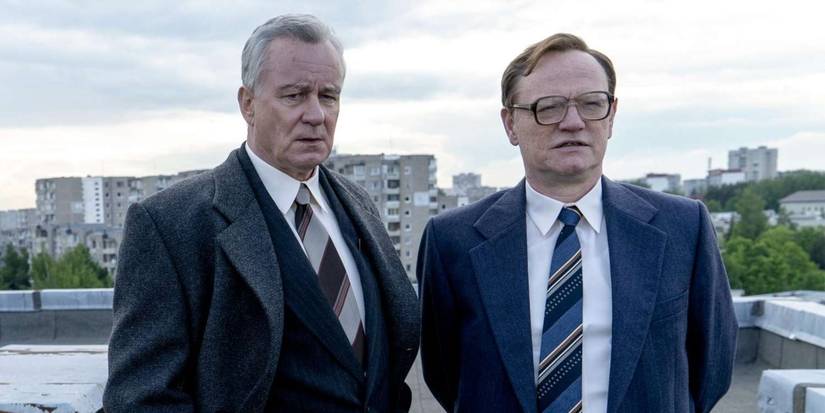 Image via HBO
Some disasters remain difficult to comprehend because of their scale, and the nuclear accident at Chernobyl is one of them. The miniseries approaches the event with careful detail and focuses on the chain of decisions and mistakes that allowed the catastrophe to unfold. Instead of rushing through the explosion itself, the show examines the people who were forced to confront the crisis in its earliest and most dangerous moments.
The story begins with the reactor failure at the Chernobyl Nuclear Power Plant in 1986. As radiation spreads across the region, Soviet officials struggle to understand the situation and control the damage. Valery Legasov (Jared Harris), a nuclear scientist, joins government official Boris Shcherbina (Stellan Skarsgård) to investigate what truly happened inside the reactor. Meanwhile, scientist Ulana Khomyuk (Emily Watson) works to uncover the technical failures behind the accident. Through their efforts, the series shows how secrecy, denial, and pressure from authority delayed the truth while thousands of people faced the consequences of the disaster.
4 ‘The Pacific’ (2010)
 Image via HBO
War stories often focus on strategy and victory, yet The Pacific chooses a different direction. The series looks closely at the soldiers themselves and the emotional cost of fighting in the Pacific theater during the Second World War. Each episode moves through brutal island battles where exhaustion, fear, and isolation slowly reshape the men who are sent there.
The story centers on several Marines whose paths cross during the campaign. Robert Leckie (James Badge Dale) records his experiences in letters and reflections as the fighting grows harsher. Eugene “Sledge” Sledge (Joseph Mazzello) enters the war with idealism, yet the reality of combat begins to wear down his sense of innocence. John Basilone (Jon Seda) becomes widely recognized for his heroism.
3 ‘Generation Kill’ (2008)
 Image via HBO
Modern warfare often appears distant when seen through headlines, yet Generation Kill places viewers directly alongside the soldiers experiencing it. The series looks at the early weeks of the Iraq War in 2003 through the perspective of a Marine reconnaissance battalion. The show observes the confusion and unpredictability that shape daily life during a fast-moving military campaign.
The narrative follows a group of Marines traveling across Iraq in armored vehicles as the invasion begins. Sergeant Brad “Iceman” Colbert (Alexander Skarsgård) leads his team while trying to maintain discipline and focus in constantly changing conditions. Lieutenant Nate Fick (Stark Sands) attempts to balance responsibility for his men with orders coming from higher command. Embedded reporter Evan Wright (Lee Tergesen) records what he sees, documenting the long drives, sudden firefights, and quiet moments between them. As the mission continues, the series reveals how uncertainty and exhaustion begin to affect the soldiers as much as the combat itself.
2 ‘Dahmer – Monster: The Jeffrey Dahmer Story’ (2022)
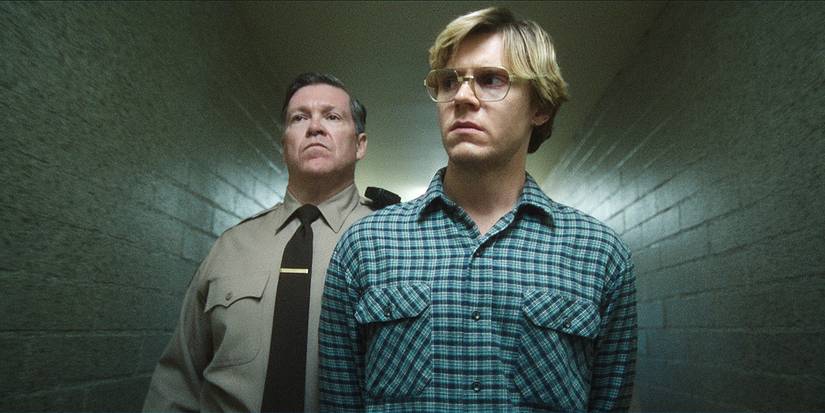 Image via Netflix
Some crime stories disturb viewers not only because of what happened, but because of how long it continued without interruption. Dahmer – Monster: The Jeffrey Dahmer Story explores the crimes committed by Jeffrey Dahmer and the failures that allowed him to operate for years in Milwaukee. The series keeps its focus on the environment around the case, showing how warning signs were overlooked and how victims’ voices were often ignored.
The story moves through the period when Dahmer (Evan Peters) lived in an apartment building where several neighbors began noticing strange behavior. One of them, Glenda Cleveland (Niecy Nash), repeatedly tries to alert the authorities after hearing disturbing sounds and witnessing troubling incidents. Despite these warnings, the investigation stalls again and again. As the series continues, the truth behind the disappearances becomes impossible to deny. The show traces how the case eventually comes to light and how the justice system confronts the consequences of the years when those warnings were not taken seriously.
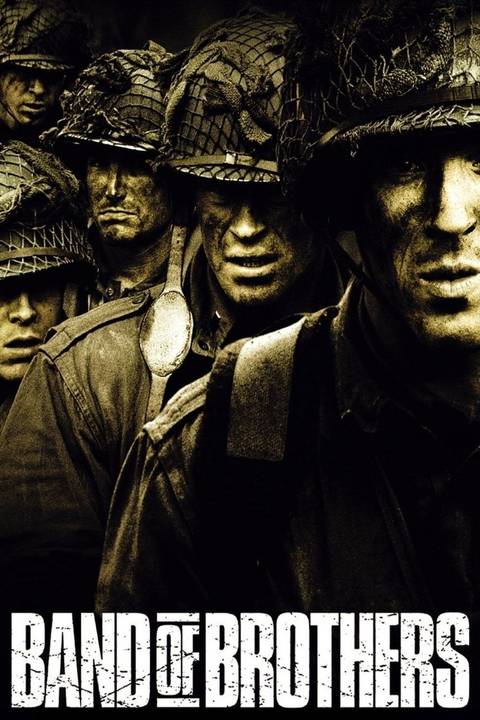
1 ‘Band of Brothers’ (2001)
 Image via HBO
Few war miniseries attempt the same scale and emotional depth as Band of Brothers. The show tells the story of Easy Company, a unit of American paratroopers during the Second World War. From training camps in the United States to the final days of the war in Europe, the series follows the soldiers through some of the conflict’s most difficult battles.
The narrative introduces officers and enlisted men whose experiences gradually intertwine across the campaign. Richard Winters (Damian Lewis) rises into leadership while trying to guide his company through increasingly dangerous missions. Lewis Nixon (Ron Livingston) remains at his side, offering support while struggling with the psychological strain of war. As Easy Company moves through the Normandy invasion, the Battle of the Bulge, and the advance into Germany, the series stays close to the men themselves. The focus remains on how long stretches of fear, loyalty, and survival shape the soldiers who endure the fighting together.
Collider Exclusive · Taylor Sheridan Universe Quiz
Which Taylor Sheridan
Show Do You Belong In?
Yellowstone · Landman · Tulsa King · Mayor of Kingstown
Four worlds. All of them brutal, complicated, and built on power, loyalty, and the price of survival. Taylor Sheridan doesn't write heroes — he writes people who do what they have to do and live with the cost. Ten questions will reveal which one of his worlds you were made for.
🤠Yellowstone
🛢️Landman
👑Tulsa King
⚖️Mayor of Kingstown
FIND YOUR WORLD →
01
Where does your power come from? In Sheridan's world, everyone has leverage. The question is what kind.
ALand, legacy, and a name that's been feared and respected for generations. BKnowing the deal better than anyone else in the room — and being willing to walk away first. CReputation. I've earned it the hard way, and everyone in the room knows it. DBeing the only person both sides will talk to. That makes me indispensable — and dangerous.
NEXT QUESTION →
02
Who do you put first, no matter what? Loyalty in Sheridan's universe is always absolute — and always costly.
AFamily — blood or chosen. The ranch, the name, the people who carry it with me. BThe company — or whoever's signing the cheques. Loyalty follows the contract. CMy crew. The men who stood with me when it counted — I don't abandon them for anything. DMy community — even when my community is a powder keg and I'm the only thing stopping it from blowing.
NEXT QUESTION →
03
Someone crosses a line. How do you respond? Every Sheridan protagonist has a line. What matters is what happens after it's crossed.
AQuietly, decisively, and in a way that sends a message to everyone watching. BI outmanoeuvre them legally, financially, and politically before they even know I've moved. CDirectly. Old school. You cross me, you hear about it to your face — and then you deal with the consequences. DI absorb it, calculate the fallout, and find the move that keeps the whole system from collapsing.
NEXT QUESTION →
04
Where do you feel most in your element? Sheridan's worlds are as much about place as they are about people.
AWide open land — mountains, sky, silence. Somewhere you can see trouble coming from a mile away. BThe oil fields of West Texas — brutal, lucrative, and indifferent to whoever happens to be standing on top of them. CA mid-size city where the rules haven't quite caught up yet — fertile ground for someone with vision and nerve. DA rust-belt town built around a prison — where everyone's life is shaped by what's inside those walls.
NEXT QUESTION →
05
How do you feel about operating in the grey? Nobody in a Sheridan show has clean hands. The question is how they carry the dirt.
AI do what has to be done to protect what's mine. I'll answer for it eventually — but not today. BGrey is just business. The line moves depending on what's at stake, and I move with it. CI have a code — it's not the law's code, but it's mine, and I don't break it. DI've made peace with it. Keeping the peace requires compromises most people don't have the stomach for.
NEXT QUESTION →
06
What are you actually fighting to hold onto? Every Sheridan character is fighting a war. The real question is what they're defending.
AA way of life that the modern world is doing everything it can to erase. BMy position — and the leverage that comes with being the person everyone needs to close a deal. CRelevance. I've been away, I've been written off — and I'm proving that was a mistake. DWhatever fragile order I've managed to build — because without it, everything burns.
NEXT QUESTION →
07
How do you lead? Authority in Sheridan's world is never given — it's established, maintained, and constantly tested.
ABy example and force of will. People follow me because they believe in what I'm protecting — and because they know what happens if they don't. BThrough negotiation and leverage. I don't need people to like me — I need them to need me. CBy being the smartest, most experienced person in the room and making sure everyone quietly knows it. DBy being the calm centre of a situation that would spiral without me — and accepting that nobody thanks you for it.
NEXT QUESTION →
08
Someone new arrives and tries to change how things work. Your reaction? Every Sheridan show has an outsider disrupting an established order. Sometimes that outsider is you.
AThey'll learn. Or they won't. Either way, the land was here before them and it'll be here after. BI figure out what they want, what they're worth, and whether they're an asset or a problem — fast. CI was the outsider once. I give them a chance — one — to show they understand respect. DNew players destabilise everything I've built. I assess the threat and manage it before it manages me.
NEXT QUESTION →
09
What has your position cost you? Nobody gets to where these characters are without paying for it. The bill is always personal.
AMy family's peace — maybe their innocence. The ranch demands everything, and I've let it take too much. BRelationships, time, any version of a normal life. The job eats everything that isn't nailed down. CYears. Decades in some cases. Time I can't get back — but I'm not done yet. DMy conscience, mostly. And the ability to ever fully trust anyone on either side of the wall.
NEXT QUESTION →
10
When it's over, what do you want people to say? Sheridan's characters all know the ending is coming. The question is what they leave behind.
AThat I held the line. That the land is still ours and everything I did was worth it. BThat I was the best at what I did and that no deal ever got closed without me at the table. CThat I built something real, somewhere nobody expected it, and I did it on my own terms. DThat I kept the peace when nobody else could — and that the town is still standing because of it.
REVEAL MY SHOW →
Sheridan Has Spoken You Belong In…
The show that claimed the most of your answers is the world you were built for. If two tied, both are shown — you're complicated enough to straddle two Sheridan universes.
🤠 Yellowstone
🛢️ Landman
👑 Tulsa King
⚖️ Mayor of Kingstown
You are a Dutton — or you might as well be. You understand that some things are worth protecting at any cost, and that the modern world's indifference to history, to land, to legacy, is not something you're willing to accept quietly. You lead from the front, you carry your family's weight without complaint, and when someone threatens what's yours, you don't escalate — you finish it. You're not cruel. But you are absolute. In Yellowstone's world, that combination of ferocity and loyalty doesn't make you a villain. It makes you the only thing standing between everything that matters and everyone who wants to take it.
You thrive in the chaos of high-stakes negotiation, where the money is enormous, the margins are thin, and the wrong word in the wrong room can cost everyone everything. You're a fixer — the person called when a situation is already on fire and needs someone with the nerve to walk into it. West Texas oil country rewards exactly what you are: sharp, adaptable, unsentimental, and absolutely clear-eyed about what people want and what they'll do to get it. You're not naive enough to think this world is fair. You're smart enough to be the one deciding who it's fair to.
You are a Dwight Manfredi — someone who has served their time, paid their dues, and arrived somewhere unexpected with nothing but their reputation and their wits. You adapt without losing yourself. You build loyalty through respect rather than fear, though you're not above reminding people that the two aren't mutually exclusive. Tulsa King is for people who are still standing when everyone assumed they'd be finished — who find, in an unfamiliar place, that they're more capable than the world gave them credit for. You don't need a throne. You build one, wherever you happen to land.
You carry the weight of a system that is broken by design, and you do it anyway — because someone has to, and because you're the only one positioned to do it without the whole thing collapsing. Mike McLusky's world is for people who are comfortable operating where there are no good options, only less catastrophic ones. You speak every language: law enforcement, criminal, political, human. That fluency makes you invaluable and it makes you a target. You've made your peace with both. Mayor of Kingstown belongs to people who understand that keeping the peace is not the same as being at peace — and who do the job regardless.
↻ RETAKE THE QUIZ
Band of Brothers
Release Date 2001 - 2001
Network HBO
-

-

Donnie Wahlberg
C. Carwood Lipton





 English (US) ·