
Fantasy TV shows are the ultimate escape right from the comfort of your couch. Early fantasy TV leaned heavily on light, self-contained magic-in-the-suburbs premises, with 1960s TV shows like Bewitched and I Dream of Jeannie using supernatural abilities mainly as sitcom engines rather than heavy lore.
By the 1990s, fantasy series shifted toward a darker tone and serialized storytelling, with shows like Buffy the Vampire Slayer blending mythology with character-driven arcs. This period helped establish fantasy as a vehicle for long-form emotional storytelling rather than standalone episodic gimmicks.
The best 2010s fantasy TV shows fully broke into the mainstream, driven by large-scale serialized storytelling and bigger budgets, with shows like Game of Thrones and Once Upon a Time becoming some of the biggest fantasy TV shows of all time. Simultaneously, genre shows like Supernatural proved that this kind of storytelling could sustain long-running network and cable hits with loyal fanbases.
However, smaller, underrated fantasy TV shows, especially comedies, often slip through the cracks because their appeal is highly specific and doesn’t always translate into mass audiences or strong ratings, even when critics love them. Here is a list of 10 amazing fantasy TV shows spanning many decades and subgenres that only true fantasy fans will have seen.
The Flying Nun (1967-1970)
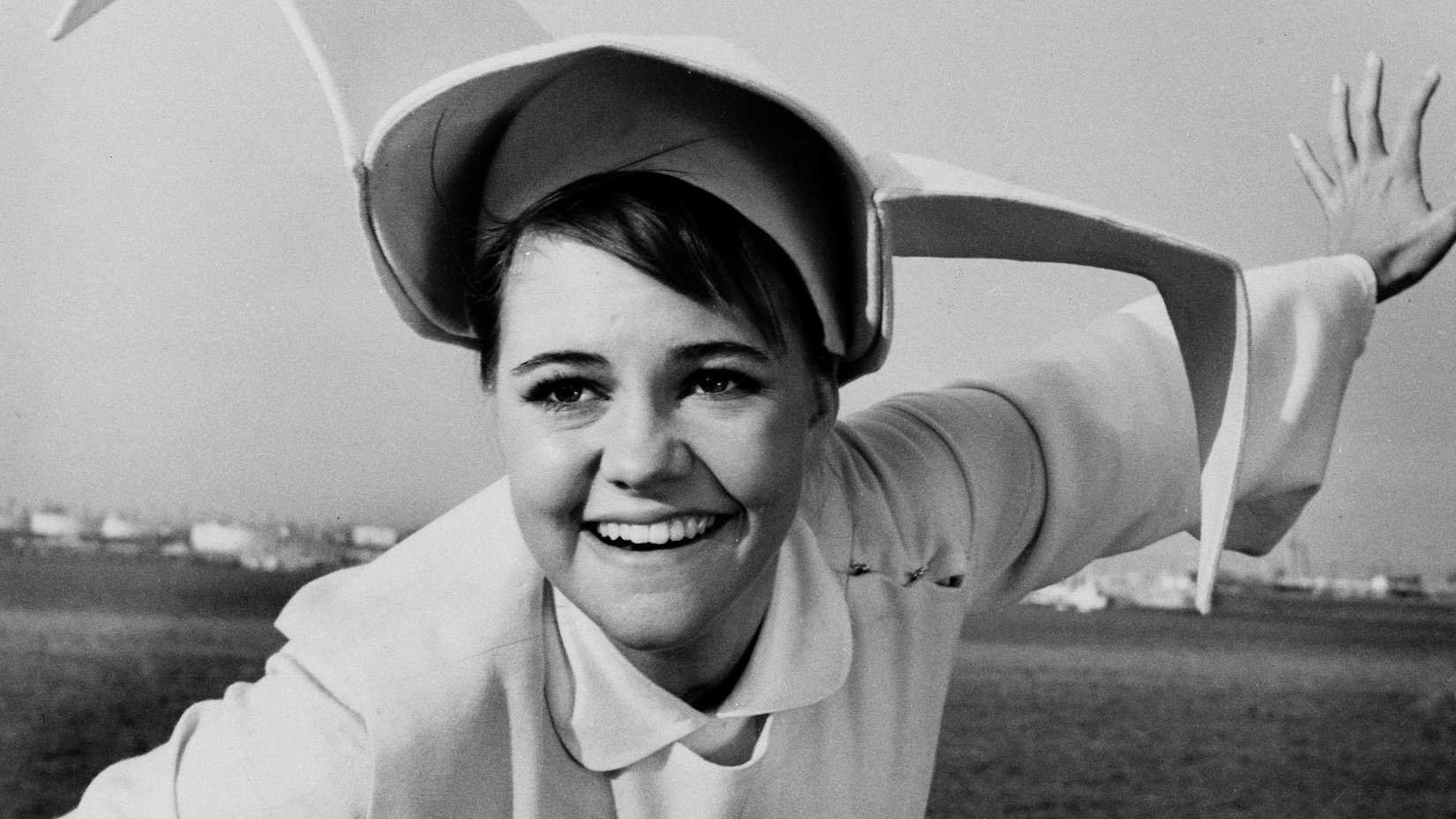
Sally Field stars as Sister Bertrille, a novice nun whose unusually light weight and oversized cornette allow her to fly through the air whenever the wind catches her just right. Much of The Flying Nun’s charm came from how casually it treated such a ridiculous premise.
Fantasy sitcoms of the era, such as Bewitched and I Dream of Jeannie, often revolved around the concealment of magical abilities. However, The Flying Nun was surprisingly open about Sister Bertrille’s gift, usually asking witnesses to simply keep it quiet.
The series became a solid hit for ABC during its first season and ultimately lasted three seasons. While it never achieved the lasting cult reputation of The Addams Family or The Munsters, its cheerful absurdity still makes it one of television’s most delightfully strange fantasy comedies.
The Ghost & Mrs. Muir (1968-1970)
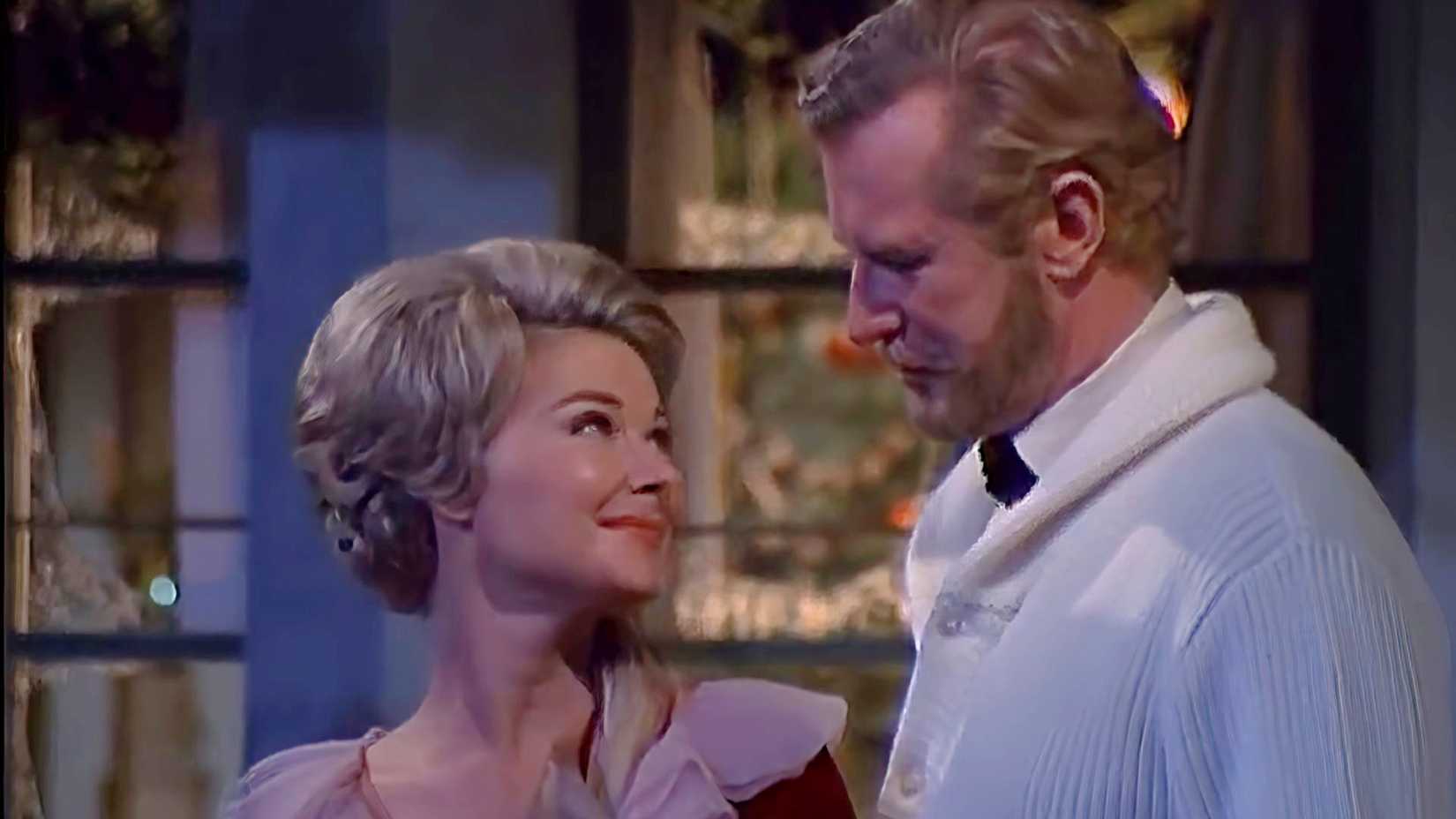
Hope Lange played Carolyn Muir, a young widow who rents a seaside cottage haunted by the ghost of its former owner, 19th-century sea captain Daniel Gregg (Edward Mulhare). Much of the show’s appeal comes from the romantic tension between the independent, modern Mrs. Muir and the stubbornly old-fashioned captain.
Despite their clashing worldviews, the pair gradually develops genuine affection and learns to meet in the middle. Unlike broader fantasy sitcoms of the era, The Ghost & Mrs. Muir embraced a softer, more emotional tone, mixing supernatural comedy with warmth and melancholy.
Its coastal setting and wistful atmosphere gave the series a distinctive identity, while Lange’s performance earned back-to-back Emmys. Though never a massive ratings hit, the show was critically admired. While not as remembered as the biggest TV shows of the 1960s, The Ghost & Mrs. Muir is thought of as a classy cult favorite.
Galavant (2015-2016)
Galavant is one of television’s most delightfully unexpected fantasy comedies. Created by Dan Fogelman and featuring songs by Disney legend Alan Menken, the series follows washed-up knight Galavant (Joshua Sasse) as he embarks on a quest filled with dragons, royalty, magical prophecies, and increasingly ridiculous detours.
What makes the show stand out is how fully committed it is to its absurd premise. Galavant perfectly parodies medieval fantasy tropes while still telling a genuinely heartfelt story with surprisingly strong character arcs. The musical numbers are consistently clever and catchy, elevating the show far beyond what its niche concept suggests.
Though the fantasy elements often take a backseat to the comedy and songs, the series still creates a lively fairy-tale world filled with magic, adventure, and romance. Despite strong reviews and a passionate cult following, Galavant remains one of modern television’s great overlooked gems.
Wonderfalls (2004)
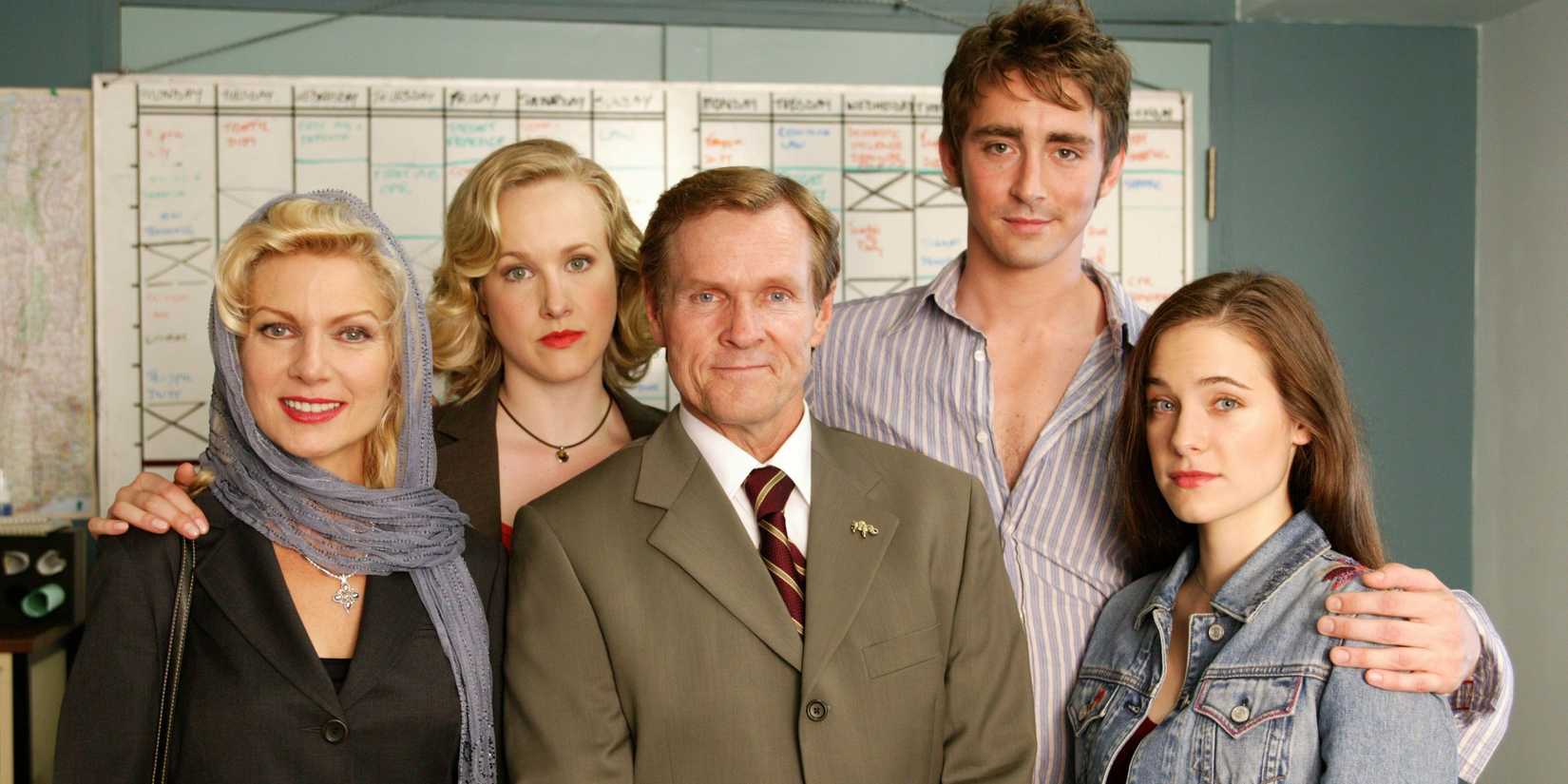
Wonderfalls centers on Jaye Tyler (Caroline Dhavernas), a recent philosophy graduate stuck in a dead-end job at a Niagara Falls gift shop. Her life takes an unexpected turn when inanimate animal figurines begin speaking to her and issuing cryptic instructions that push her to intervene in the lives of strangers.
Critics praised the sharp writing from Bryan Fuller and the show's distinctive tone, which blended deadpan humor, surreal fantasy, and heartfelt character drama. Despite strong critical acclaim, Fox gave the show minimal support, frequently changing its schedule and airing episodes out of order.
Wonderfalls was canceled after only four of the show's 13 episodes aired in the U.S., with the remaining episodes released elsewhere. Today, the show is remembered as a lost masterpiece of early Bryan Fuller television and a standout example of whimsical, philosophical fantasy comedy on network TV.
Joan of Arcadia (2003-2005)
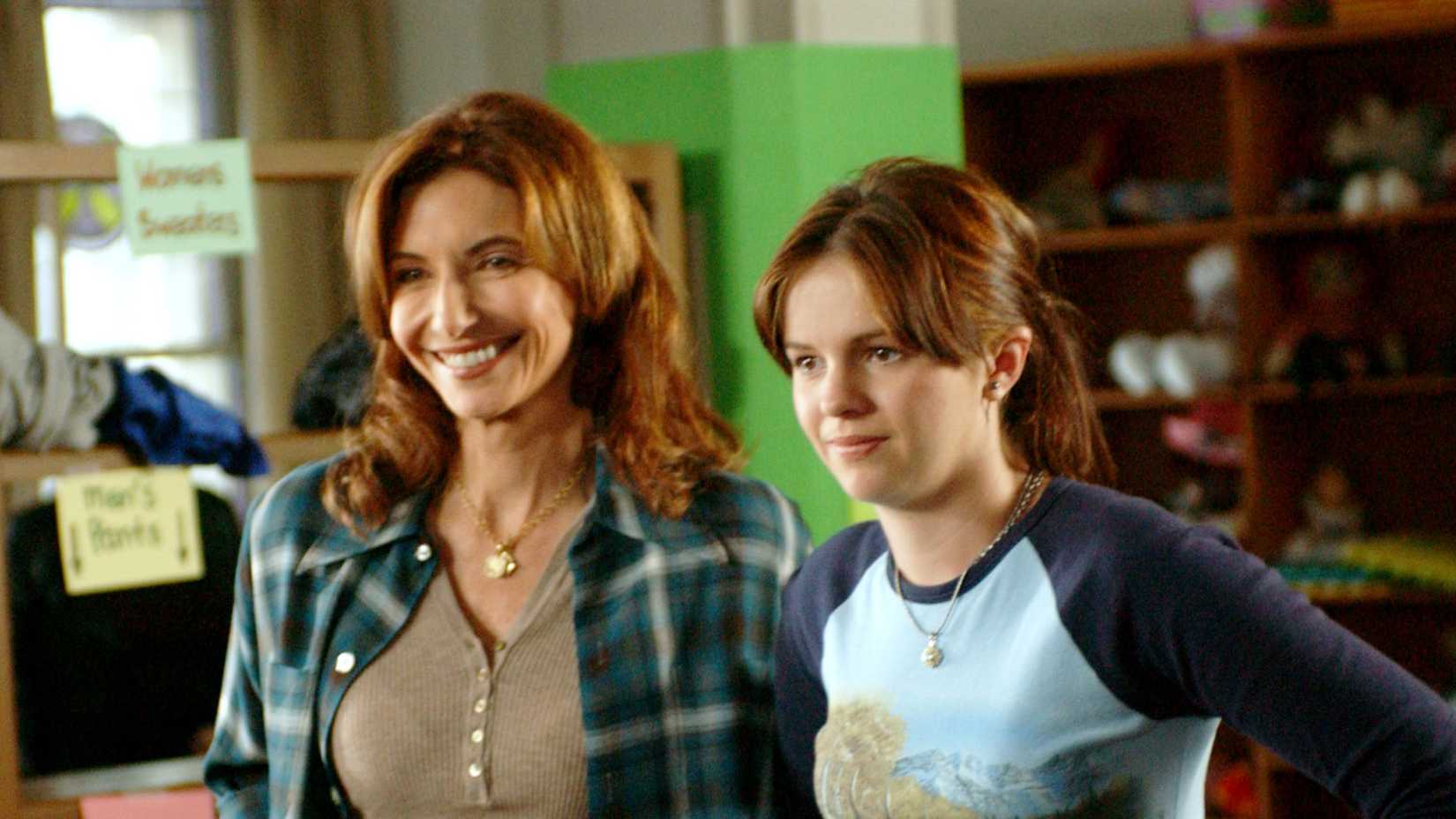 Image via Everett Collection
Joan of Arcadia follows Joan Girardi (Amber Tamblyn), a teenage girl who begins receiving visits from God, who appears in different human forms, with a loose thematic connection to Joan of Arc. Each episode presents the protagonist with seemingly random tasks or moral challenges that gradually reveal deeper connections, ultimately affecting the lives of those around her in meaningful ways.
The series blends elements of the best coming-of-age teen TV dramas with philosophical and spiritual questions, focusing less on spectacle and more on how divine intervention intersects with ordinary life, family dynamics, and personal responsibility. When it premiered in 2003, Joan of Arcadia was both a critical and commercial success, praised for its originality, emotional depth, and strong writing compared to typical network teen dramas.
It also benefited from standout performances, particularly Tamblyn's. Despite early award recognition, ratings declined, and CBS canceled the series after two seasons. Today, it’s remembered as a thoughtful, slightly ahead-of-its-time drama and a rare faith-adjacent but not preachy fantasy series on network television.
Forever (2014-2015)
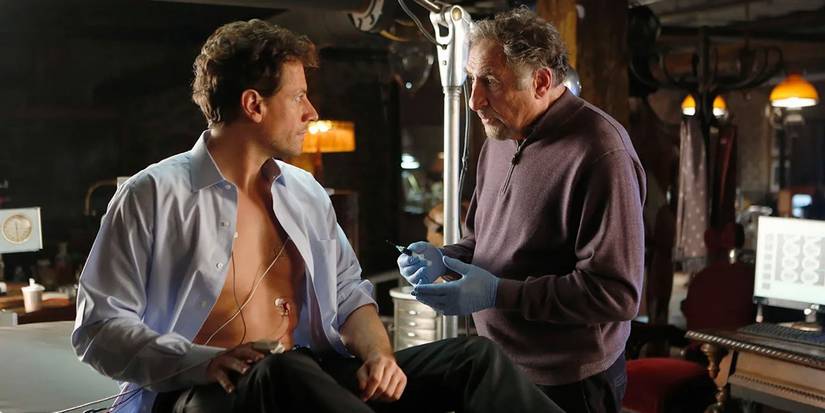
Ioan Gruffudd stars in Forever as Dr. Henry Morgan, an immortal New York City medical examiner who assists the NYPD in solving murders while secretly searching for a way to end his endless life. Each episode combines crime-solving with flashbacks exploring Henry’s centuries-long past, gradually revealing the emotional toll of immortality.
Critics were divided when the series premiered, with some dismissing it as too similar to other supernatural procedurals of the era. Audiences, however, quickly embraced the show online thanks to its warmth, melancholy tone, and Gruffudd’s quietly charming performance.
Despite respectable ratings, ABC canceled Forever after one season, partly due to concerns about sustaining the central mystery long term. That cancellation ultimately became part of the show’s legacy. Today, Forever is remembered as one of many beloved “gone too soon” TV shows and one of the most emotionally sincere fantasy procedurals of the 2010s.
Grimm (2011-2017)
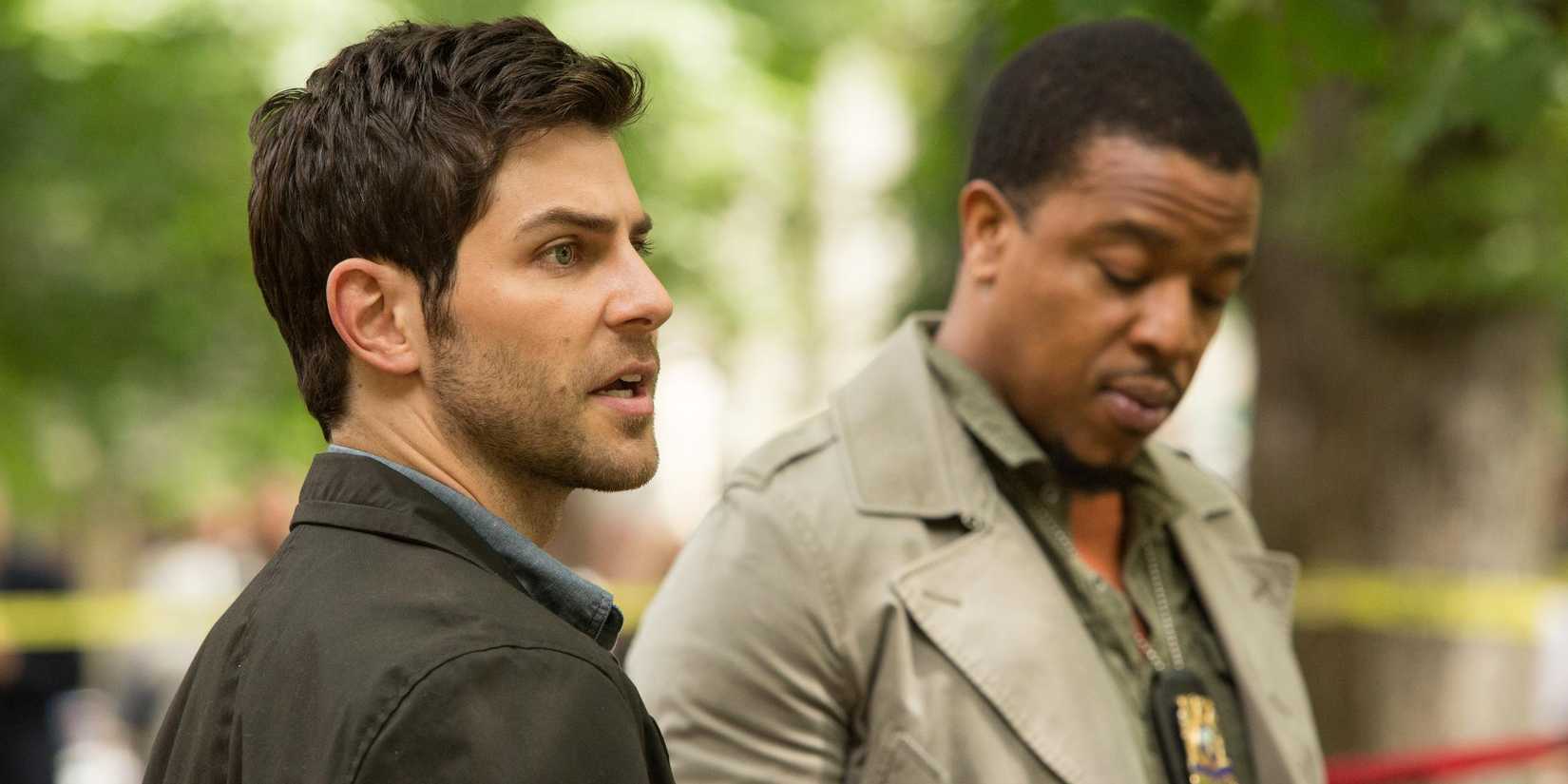
Inspired by the fairy tales collected by the Brothers Grimm, Grimm blends supernatural fantasy with the structure of a police procedural. The series follows Portland homicide detective Nick Burkhardt (David Giuntoli), who discovers he descends from a line of guardians known as Grimms, tasked with maintaining balance between humanity and the Wesen, mythological creatures secretly living among ordinary people.
What made the show work so well was its ability to combine serialized fantasy mythology with a reliable case-of-the-week format that kept the premise fresh across Grimm's six seasons and more than 120 episodes. The show steadily expanded its lore while building a likable ensemble and a surprisingly immersive supernatural world.
The show was a major success for NBC and developed a passionate fanbase. However, despite its quality, Grimm is discussed far less today than genre giants like Supernatural, Buffy the Vampire Slayer, or even Once Upon a Time.
Pushing Daisies (2007-2009)
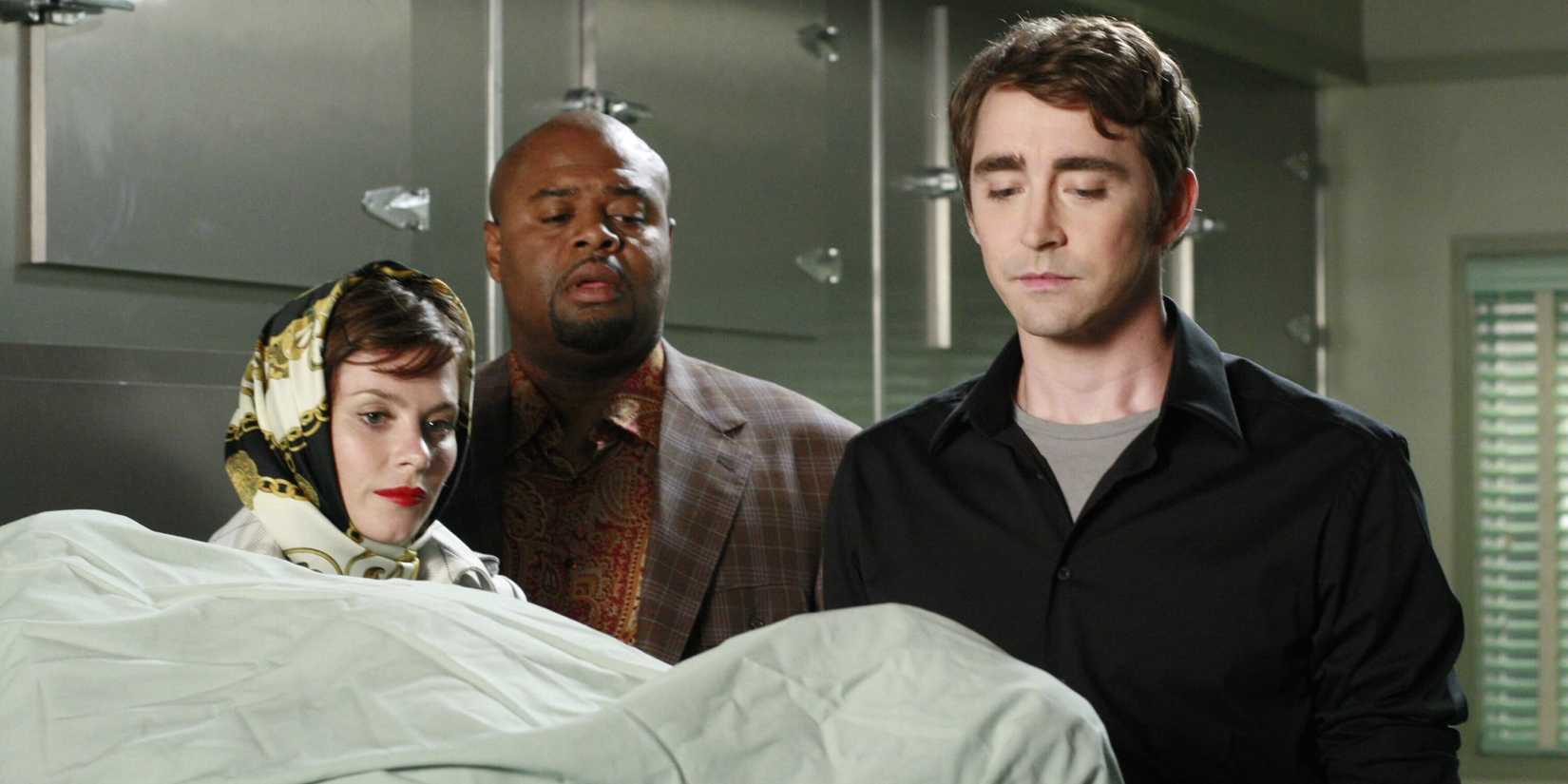
Pushing Daisies centers on Ned (Lee Pace), a pie-maker with the extraordinary ability to temporarily reanimate the dead with a single touch. Ned uses this power alongside private investigator Emerson Cod (Chi McBride) to solve murder cases by briefly reviving victims and asking who killed them.
At the emotional core of the series is Ned’s relationship with Chuck (Anna Friel), his childhood love whom he brings back to life but can never touch again. The show was widely praised for its originality, storybook narration, richly stylized visual design, and blend of noir mystery, romance, and fairy-tale logic.
Despite critical success, its quirky tone and serialized structure limited mainstream viewership on ABC. Today, it is remembered as a cult classic canceled too soon and one of Bryan Fuller's defining works, with Pushing Daisies' reputation only growing through streaming rediscovery.
Carnivàle (2003-2005)
 Image via Everett Collection
Carnivàle is a dark fantasy drama set in the United States during the Great Depression. It follows two parallel storylines that slowly converge into a larger supernatural conflict, revealing an ancient struggle between opposing forces of good and evil shaped through religious mythology, occult imagery, and apocalyptic prophecy.
Critics praised the show’s ambition, atmosphere, cinematography, and originality. It felt unlike anything else on television at the time: slow, moody, heavily serialized, and deeply symbolic. However, audiences were more divided. The deliberately measured pacing and dense mythology made it challenging for mainstream viewers.
Carnivàle was HBO's first true fantasy series, meaning it didn’t yet benefit from the fully established prestige TV audience that would emerge later. Today, Carnivàle is remembered as a cult masterpiece of prestige fantasy television, one of HBO’s most ambitious early genre experiments, and a major "what could have been" story following its cancellation after two seasons.
Dead Like Me (2003-2004)
 Image via Everett Collection
Dead Like Me follows George Lass (Ellen Muth), a cynical 18-year-old who unexpectedly dies. After her death, she is recruited into a small team of grim reapers working in Seattle. George struggles to adjust to her new career, cope with the family she left behind, and navigate the strange bureaucracy and rules governing death within the reaper system.
The series blends dark comedy, existential reflection, and workplace dramedy within a supernatural framework. Its strength was its unusual ability to treat death with humor and melancholy rather than spectacle. Bryan Fuller created the series, and it clearly reflects his signature sensibility of quirky supernatural premises, deadpan humor, and tenderness toward mortality, though he left partway due to creative differences.
Though beloved, it never became a major ratings success on Showtime and remained a niche cult favorite. Today, Dead Like Me is one of the best fantasy TV series you haven't heard of and a distinctive early entry in the modern wave of emotionally driven fantasy television shows.





 English (US) ·