
 Image via 20th Century Fox Film Corp. All rights reserved. Courtesy: Everett Collection
Published Sep 1, 2026, 1:52 PM EDT
Michael Block is a 14 time GLAM Award nominated writer, producer, and host of the podcast Block Talk. Throughout his time in the entertainment industry, he has worked on and off Broadway as a stage manager, written several produced plays, critiqued hundreds of theatrical performances, drag and cabaret shows, and has produced events randing from drag competitoons to variety concerts!
On Block Talk, he interviews nightlife personalities, covers the wide world of entertainment through features, ranking episodes, and recaps ALL of Drag Race, as well as Dragula and Survivor. He has interviewed hundreds of RuGirls that span the globe at DragCon NYC, DragCon LA, and DragCon UK.
In his free time, he makes one-of-a-kind jewelry and gift baskets with his mom. He is a proud member of the LGBTQ+ community.
Sign in to your Collider account
The brilliance of a fantasy movie is that it gives us the opportunity to escape our current reality and journey to a place beyond our wildest imaginations. From far-off lands to epic adventures, these movies give us a chance to dream. Some of the best fantasy films of all time fall under the high fantasy umbrella, meaning they are stories set in a secondary world rather than our own, featuring epic adventures and grand stakes, extensive worldbuilding, magic, and non-human creatures.
Many of the best high-fantasy films are incredibly beloved because of their mesmerizing writing. Whether a completely original idea or based on an existing tale, the films are elevated by strong character arcs, brilliant journeys, and extraordinary stakes. The mythology and lore are so strongly presented that we can not only follow along; we wish we could be a part of it. Though some films may be considered stronger overall, these ten titles thrive on the written text and the performances that arise from it.
'Clash of the Titans' (1981)
 Image via United Artists
We all have some sort of fascination with Greek mythology, and a major reason why is the brilliant 1981 film Clash of the Titans. Directed by Desmond Davis, the epic fantasy adventure tells the tale of Perseus (Harry Hamlin), a Greek hero on a perilous quest to rescue Princess Andromeda (Judi Bowker) from sacrifice to the terrifying sea monster, the Kraken. Aided by a sword, shield, helmet of invisibility, and the winged horse Pegasus, Perseus has 30 days to save the kingdom and defeat monstrous mythological foes that stand in his path.
A masterful mix of Ray Harryhausen's timeless stop-motion and pure sword-and-sorcery adventure, the star-studded film became a gateway to the adoration of Greek mythology. A major cog in the film's success is the dynamic script by Beverly Cross. Rather than provide a textbook analysis of Greek mythology, Cross uses it as a guide; it doesn't minimize the grand stakes of Perseus' duty, though. Cross invented the tragic villain Calibos (Neil McCarthy) to provide an Earth-level foe to balance the wrath of Thetis (Maggie Smith) above. With fluidity in worldbuilding, Cross honors the classics while refueling the thrilling goalposts.
'Dungeons & Dragons: Honor Among Thieves' (2023)
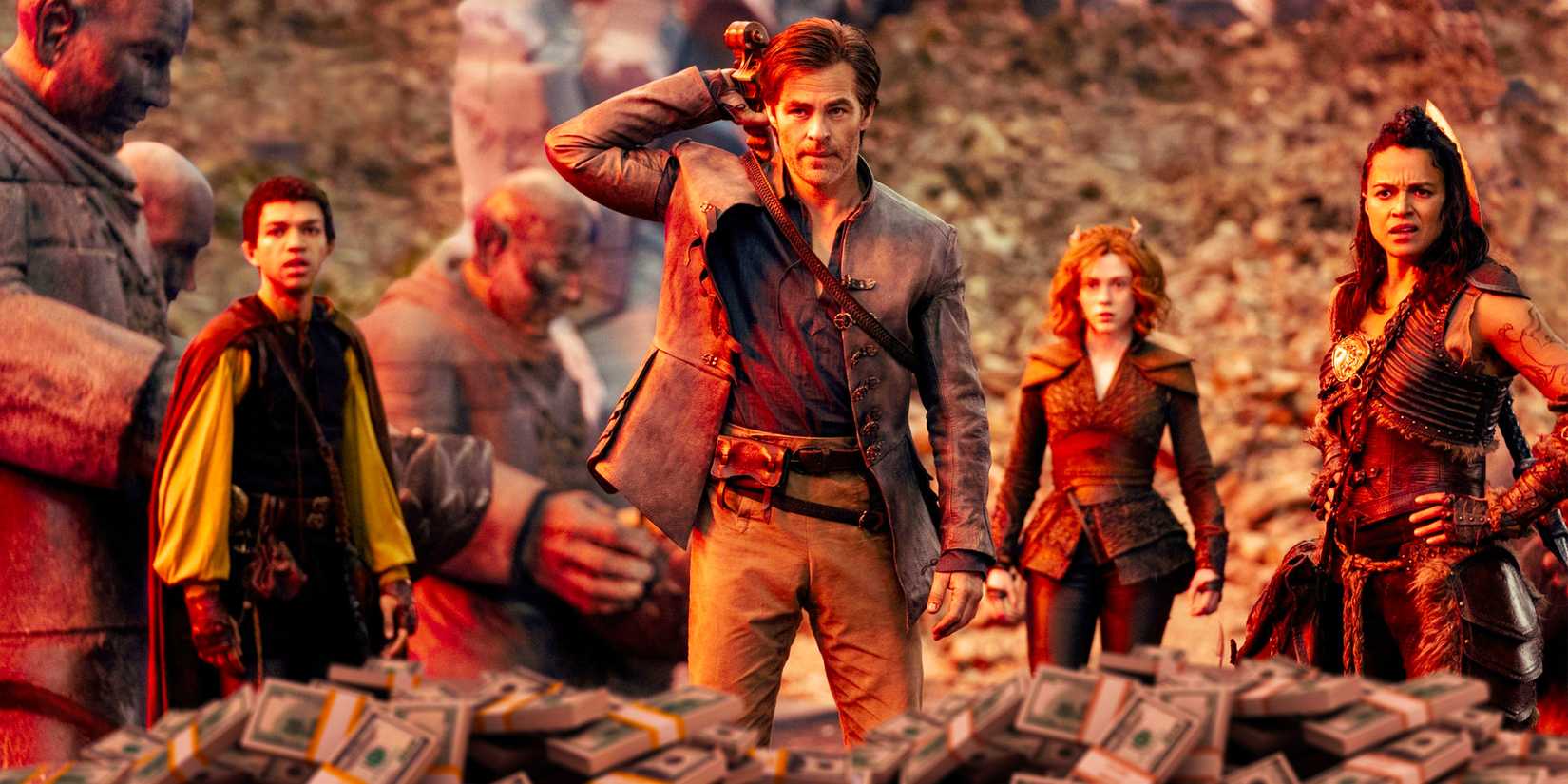 Image via Paramount Pictures
One might think that a film inspired by a tabletop role-playing game may be hokey, but Dungeons & Dragons: Honor Among Thieves defied the odds. A truly underrated high fantasy gem, the 2023 film is a fantasy heist adventure that follows a charming bard named Edgin Darvis (Chris Pine) as he assembles a ragtag group of misfits to rescue his daughter, Kira (Chloe Coleman), and stop their old comrade, Forge Fitzwilliam (Hugh Grant), from conspiring with the Red Wizard of Thay, Sofina (Daisy Head).
Dungeons & Dragons: Honor Among Thieves is a sharply written fantasy comedy that faithfully honors the beloved game while bringing genuine heart to its characters. It doesn't take itself too seriously but is grounded in integrity. With a screenplay by Michael Gilio and directors Jonathan Goldstein and John Francis Daley, the film brings the spirit of the tabletop game to life with strong, character-driven emotional sincerity. The plot mirrors the action of a session in which carefully laid plans can go horribly wrong, and the ensuing events force masterful improvisation. The film embraces its inherent camp while delivering honest, emotional arcs, such as a father going to the ends of the world to save his daughter.
'Excalibur' (1981)
 Image via Warner Bros.
The Arthurian legend has captivated fantasy lovers for generations, but if there is one pinnacle film that brilliantly captures the mythology, it's 1981's Excalibur. Loosely based on the 15th-century romance Le Morte d'Arthur by Thomas Malory, the adaptation retells the extraordinary rise and fall of King Arthur (Nigel Terry), the legendary Knights of the Round Table, and the truth about the mystical sword of power, Excalibur.
A story filled with mystifying magic, epic sword fights, tragic romance, and dazzling imagery, Excalibur is a bold, unglamorized adult interpretation that shifts away from childish tropes in favor of raw mythology and heavy philosophy. Rospo Pallenberg and John Boorman, who also served as director, chose not to make Excalibur family-friendly, resulting in a rich amount of blood, sex, humanity, and humility. There is no easy path to victory; human failure is innate, and Excalibur proves it. The film is a fully realized, visceral adventure, driven by the concept that "the king and the land are one."
'How to Train Your Dragon' (2010)
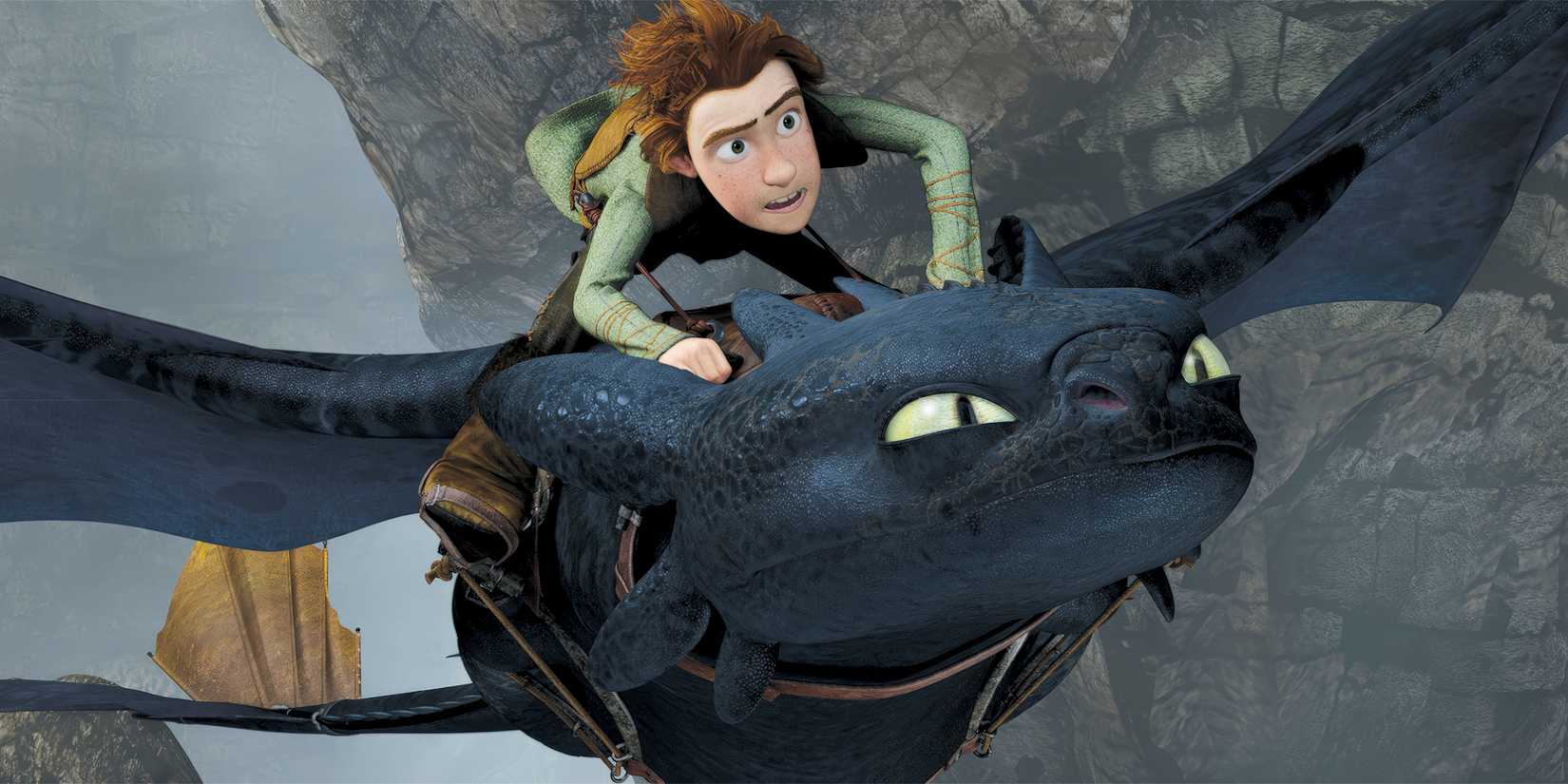 Image via Paramount Pictures
Animated films have a brilliant blank canvas to paint on. And when you have a sensational source material to work with, magic arrives on the screen. Such is the case with How to Train Your Dragon. Based on Cressida Cowell’s novel, the instant animated classic follows a clumsy young Viking named Hiccup who befriends a feared dragon named Toothless. Their newfound bond changes the dynamics between humans and dragons in the village of Berk forever.
How to Train Your Dragon is a beautifully crafted coming-of-age adventure that tasks its viewers with rejecting traditions only after asking important questions and learning from others.Writers Chris Sanders, Dean DeBlois, and Will Davies knew they had their dragon hook, but it would only work if their central character was likable. Hiccup serves as a relatable protagonist: his power comes through empathy, curiosity, and intellect, serving as a celebration of failing in order to succeed. Dragons act like wild animals rather than simplified movie monsters, making the stakes epic.
'Legend' (1985)
 Image via Universal Pictures
Legend may not be the caliber of masterpiece as the greats, but it’s a well-written film. Directed by Ridley Scott, it tells the tale of Jack (Tom Cruise), a pure-hearted hermit, who must stop the demonic Lord of Darkness (Tim Curry) from plunging the world into an eternal ice age, save the unicorns, and marry his true love, Princess Lili (Mia Sara). Teaming up with a unique group of quirky forest folk, fairies, and a dwarf, Jack must navigate traps, face magical trials, and infiltrate the decaying lair of Darkness.
Written by William Hjortsberg, the fantasy film tapped into well-known ideals while establishing a distinct mythic world. The story is built on pure myth: a hero must save the realm by preventing an evil presence from plunging the world into eternal darkness. Rather than poke fun at the magical elements, Legend treats fairies, goblins, and unicorns as genuine parts of the world rather than gimmicks. Thus, the quest for reclaiming innocence feels grounded and all the more affecting. Without Hjortsberg’s story, Scott’s mind-blowing vision could not be realized.
'The Chronicles of Narnia: The Lion, the Witch, and the Wardrobe' (2005)
 Image via Walt Disney Pictures
Through teamwork, Ann Peacock, Andrew Adamson, Christopher Markus, and Stephen McFeely made the dream work. The Chronicles of Narnia: The Lion, the Witch, and the Wardrobe follows the Pevensie kids as they discover a magical wardrobe in their country home, leading them to a frozen fantasy land ruled by Jadis, the White Witch (Tilda Swinton). Their lives are in peril, as the ancient prophecy states that they are destined to overthrow the White Witch and restore peace.
The Chronicles of Narnia: The Lion, the Witch, and the Wardrobe faithfully brings the Lewis world to life through themes of family loyalty, sacrifice, forgiveness, and redemption. It's an engaging fantasy adventure that turns the narrative into a brilliant cinematic world filled with deep emotional stakes, mythic resonance, and clear thematic structure. The film only works if Narnia is fully realized, and the writing team effortlessly establishes the land as trapped in eternal winter. The characters are brilliantly crafted, with the siblings having a genuine connection and care between them that makes them feel all the more real.
'The Last Unicorn' (1982)
 Image via Jensen Farley Pictures
One of the most beloved non-Disney films of the 20th century is The Last Unicorn, based on Peter S. Beagle’s novel. It tells the story of an immortal unicorn who leaves the safety of her forest to find out what happened to the rest of her kind. On her quest, she encounters an evil witch, a clumsy wizard, a cruel king, and the Red Bull who hoards all the world's unicorns in the ocean.
An example of classic animation, The Last Unicorn is a melancholic yet mature story that tackles themes of aging, mortality, and regret. Even though it’s an animated film, The Last Unicorn is filled with deeply complex characters. King Haggard (Christopher Lee) isn’t just a cartoon villain; he’s a tragic and lonely ruler obsessed with capturing beauty. The wizard Schmendrick (Alan Arkin) struggles with weak magic, and Molly Grue (Tammy Grimes) deals with the pain of getting older. When the unicorn becomes a human woman, she learns about grief, love, and the heavy burden of dying. At its core, The Last Unicorn uses a metaphor of the loss of magic to reflect the loss of childhood innocence; that’s a tough pill to swallow.
'The Lord of the Rings: The Fellowship of the Rings' (2001)
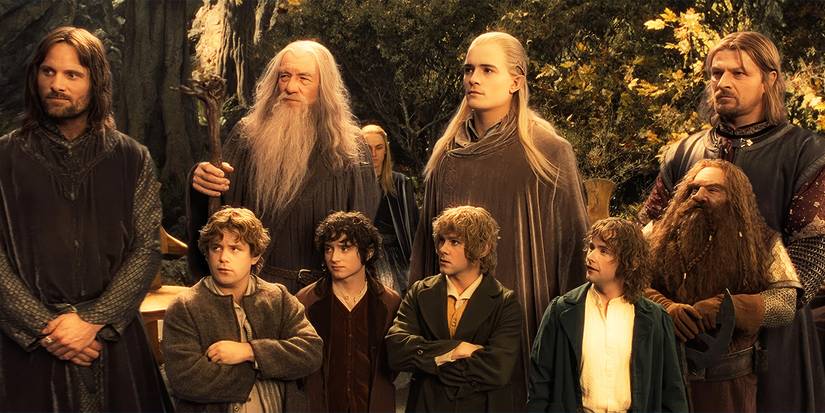 Image via New Line Cinema
The 21st century received a hard high fantasy reset thanks to the groundbreaking masterpiece The Lord of the Rings: The Fellowship of the Ring. Frodo Baggins (Elijah Wood) sets off on a daring journey to destroy a powerful and evil ring to save Middle-earth from complete destruction. Joined by a fellowship of hobbits, a wizard, an elf, a dwarf, and humans, the group travels through dangerous mountains and dark underground caves, fighting monsters and evil forces.
A mesmerizing film that transported you directly to J.R.R. Tolkien’s epic world, The Lord of the Rings was a focused, streamlined film that still flourishes in its epic scope. The screenplay by Fran Walsh, Philippa Boyens, and Peter Jackson took the massive text and ensured the first film was more than just a hook, translating massive, complex literary lore into an intimate, emotionally grounded quest. It establishes the history and the land quickly without being overwhelming, setting the stage for a massive quest that goes beyond simple good and evil. The story is grounded in hope, with Frodo representing emotional trauma and the weight of depression while trying to navigate a corrupting force of addiction and power.
Collider Exclusive · Middle-earth Quiz
Which Lord of the Rings
Character Are You?
One Quiz · Ten Questions · Your Fate Revealed
The road goes ever on. From the green hills of the Shire to the fires of Mount Doom, every soul in Middle-earth carries a destiny. Ten questions stand between you and the truth of who you are. Answer honestly — the One Ring has a way of revealing what we most want to hide.
💍Frodo
🌿Samwise
👑Aragorn
🔥Gandalf
🏹Legolas
⚒️Gimli
👁️Sauron
🪨Gollum
BEGIN YOUR QUEST →
01
You are handed a responsibility that could destroy you. What do you do? The weight of the world falls on unlikely shoulders.
AAccept it. Someone has to, and running changes nothing. BStay by the side of whoever carries it. They shouldn't go alone. CStep forward and lead. This is exactly what I was made for. DIt's mine now. I won't let anyone else have it.
NEXT QUESTION →
02
Your closest companion is heading into terrible danger. You: True loyalty is revealed not in comfort, but in crisis.
AFollow them without hesitation. I'd rather die beside them than live without them. BRally others and forge a plan to help — strength in numbers. COffer wisdom and guidance. My counsel may save them where swords cannot. DLet them go. Only the strong survive, and sentiment is a weakness.
NEXT QUESTION →
03
Enormous power is within your reach. Your instinct is: Power corrupts — but only those who reach for it.
ADestroy it. Nothing good comes from power this absolute. BUse it to protect those I love — just this once. CWield it wisely. I have the will and the knowledge to do good with it. DSeize it. I have waited long enough. It belongs to me.
NEXT QUESTION →
04
What does "home" mean to you? Where we long to return reveals who we truly are.
AA simple, peaceful place — green hills, good food, no adventure required. BWherever the people I love are. Home is a feeling, not a place. CA kingdom I must earn before I can truly claim it as mine. DI lost it long ago. That loss is what drives everything I do.
NEXT QUESTION →
05
When a battle is upon you, your approach is: War reveals what we are made of — whether we like it or not.
ASurvive by any means. I'm not a fighter — but I'll do what I must. BFight for the person beside me, not for glory or honour. CLead the charge. Nothing inspires an army like a king at the front. DStrike from range, fast and precise — never let them get close.
NEXT QUESTION →
06
Someone comes to you for advice in their darkest hour. You: Wisdom is not knowing all the answers — it's knowing which questions to ask.
AListen, then offer honest encouragement. Sometimes people just need belief. BGive them practical help — words are fine, but action is better. CSpeak carefully. I have seen much, and I know what counsel can cost. DTell them what they want to hear. Trust is a tool like any other.
NEXT QUESTION →
07
How do you see yourself, honestly? Self-knowledge is the most dangerous kind.
ASmall and ordinary — but perhaps that's exactly why I was chosen. BDefined entirely by who I serve and love. I am nothing without them. CForged by hardship into something the world has not yet fully seen. DDiminished from what I once was — and consumed by the need to reclaim it.
NEXT QUESTION →
08
Which of these best describes your relationship with the natural world? Middle-earth speaks to those who know how to listen.
AI find peace in it — forests, rivers, open skies. Nature restores me. BI prefer the earth underfoot — stone, mines, solid and real things. CI have watched the world change for longer than most can comprehend. DNature offers hiding places, cold water, raw fish. That's enough for me.
NEXT QUESTION →
09
You encounter a wretched, pitiable creature who has done terrible things. You: How we treat the fallen reveals the height of our character.
AShow mercy. Even the most broken souls deserve a chance at redemption. BPity them — but never trust them. They made their choices. CSee them as a tool. Their knowledge or skills may still serve a purpose. DDestroy them before they can cause more harm. Mercy is a luxury we cannot afford.
NEXT QUESTION →
10
When the quest is over and the songs are sung, what do you hope they say about you? In the end, we are all just stories.
AThat an ordinary person did an extraordinary thing — and came home. BThat I never abandoned the person who needed me most. CThat I was worthy of the crown — and everything it demanded. DNothing. I don't need songs. I needed it, and now it's gone.
REVEAL MY FATE →
The Fellowship Has Spoken Your Place in Middle-earth
The scores below reveal your true character. Your highest number is your match. Even a tie tells a story — the Fellowship was never made of simple people.
💍 Frodo
🌿 Samwise
👑 Aragorn
🔥 Gandalf
🏹 Legolas
⚒️ Gimli
👁️ Sauron
🪨 Gollum
You carry something heavy — and you carry it alone, even when you don't have to. You were not born for greatness, and that is precisely why greatness chose you. Your courage is not the roaring, sword-swinging kind; it is quiet, stubborn, and terrifying in its refusal to quit. The Ring weighs on you more than anyone can see, and still you walk toward the fire. That is not weakness. That is the rarest kind of strength there is.
You are, without question, the best of them. Not the most powerful, not the most celebrated — but the most essential. Your loyalty is not a trait; it is a force of nature. You would carry the person you love up the slopes of Mount Doom if it came to that, and we both know you'd do it without being asked. The world needs more people like you, and the world is lucky it has even one.
You were born to lead, and you have spent years running from it. The crown is yours by right, but you know better than anyone that right means nothing without the will and the worthiness to back it up. You are tempered by loss, shaped by long roads, and defined by a code of honour you hold to even when no one is watching. When you finally step forward, the world shifts. Because it was always waiting for you.
You have seen more than you let on, and you say less than you know — which is exactly as it should be. You are a catalyst: you do not fight the battles yourself, you ignite the people who can. Your wisdom comes not from books but from an age of watching what happens when it is ignored. You arrive precisely when you mean to, and your presence alone changes what is possible. A wizard is never late.
Graceful, perceptive, and almost preternaturally calm under pressure — you see things others miss and act before others react. You do not need to make a scene to be remarkable; your presence speaks for itself. You are loyal to those you choose to stand beside, and that choice is not made lightly. You have lived long enough to know that the most beautiful things in this world are also the most fragile, and that is why you fight to protect them.
You are loud, proud, and absolutely formidable — and beneath all of that is one of the most fiercely loyal hearts in Middle-earth. You don't do anything by half measures. Your friendships are forged like iron, your grudges run as deep as mines, and your courage in battle is the kind that makes legends. You came into this fellowship suspicious of everyone and ended it willing to die for an elf. That is not a small thing. That is everything.
You think in centuries and act in absolutes. Order, dominion, control — not because you are cruel by nature, but because you have decided that the world left to itself always falls apart, and you are the only one with the vision and the will to hold it together. You were not always this. Something was lost, or taken, or betrayed, and the version of you that stands now is the answer to that wound. The tragedy is that you're not entirely wrong — just entirely too far gone to course-correct.
You are a study in contradiction — pitiable and dangerous, cunning and broken, capable of both cruelty and something that once resembled love. You are defined by loss: of innocence, of self, of the one thing that gave your existence meaning. Two voices war inside you constantly, and the tragedy is that the better one sometimes wins, just not often enough, and never at the right moment. You are a warning, yes — but also a mirror. We are all a little Gollum, given the right ring and enough time.
↻ RETAKE THE QUIZ
'The Neverending Story' (1984)
 Image via Warner Bros. Pictures
For many young individuals of a certain generation, The Neverending Story was their gateway into the fantasy world, dazzling and traumatized simultaneously because the story was sublime. Based on Michael Ende’s book, Bastian is a lonely, imaginative boy who reads a magical book to escape bullying and the loss of his mother. He stows away to Fantasia, a crumbling realm that requires his aid.
The Neverending Story sends a powerful message about the importance of imagination. Directed by Wolfgang Petersen and co-written with Herman Weigel, it prioritizes genuine child emotions to explore themes of grief, depression, and existential dread. The script trusts its younger viewers to process complex feelings: the scene with Artax and the Swamp of Sadness remains a harrowing yet poignant moment that stays with you forever. Such moments prove the film’s thesis that dreams and imagination matter, and Fantasia only survives because of children who dare to allow their fantasies to run free.
'The Princess Bride' (1987)
 Image via 20th Century Studios
There is no other romantasy film quite like The Princess Bride. Directed by Rob Reiner, the story follows a farmhand named Westley (Cary Elwes) who embarks on a perilous quest to rescue his true love, Princess Buttercup (Robin Wright), from the evil Prince Humperdinck (Chris Sarandon). Through a timeless marriage of beautiful romance and sharp comedy, The Princess Bride remains a classic as it deconstructs the genre in sincere fashion.
How the film is presented allowed it to flourish. William Goldman used a meta-framing device to underscore the power of storytelling. The Princess Bride uses a story-within-a-story structure in which the grandfather (Peter Falk) shares the tale with his grandson (Fred Savage). The grandson is our surrogate, using his doubts and questions to make it a self-aware story. Goldman fills his script with well-rounded themes, vibrant characters, and a subversion of tropes, resulting in a whimsical, delightful fairy tale adventure.


 English (US) ·