
 Image via ABC

Published Feb 2, 2026, 10:00 PM EST
Michael Block is a 14 time GLAM Award nominated writer, producer, and host of the podcast Block Talk. Throughout his time in the entertainment industry, he has worked on and off Broadway as a stage manager, written several produced plays, critiqued hundreds of theatrical performances, drag and cabaret shows, and has produced events randing from drag competitoons to variety concerts!
On Block Talk, he interviews nightlife personalities, covers the wide world of entertainment through features, ranking episodes, and recaps ALL of Drag Race, as well as Dragula and Survivor. He has interviewed hundreds of RuGirls that span the globe at DragCon NYC, DragCon LA, and DragCon UK.
In his free time, he makes one-of-a-kind jewelry and gift baskets with his mom. He is a proud member of the LGBTQ+ community.
Sign in to your Collider account
The beauty of visual storytelling is its ability to elicit a specific reaction while watching a film or series. Though we may expect to laugh at a comedy and cry at a drama, certain projects may go beyond the base emotions through emotionally heavy content and themes. It's those works that really manage to resonate and leave a lasting impression.
When it comes to emotionally heavy TV shows of the 20th century, these 10 shows have given viewers emotions beyond what they expected. From burdensome feelings to overwhelming sensitivity, these series have been known to be emotionally taxing. From moments of rich nostalgia to moments of societal issues, stories of war to tales of trauma, these shows pack a punch.
10 'The Twilight Zone' (1959-1964)
 Image via CBS
There are certain genres we tend to watch because we know, deep down, that it's not real. Whether it's science fiction or horror, they're a source of guilty-pleasure escapism. Except sometimes, when those stories get a little too close to home, our fears reach something raw inside. At the top of every episode of the original run of The Twilight Zone, host Rod Serling welcomed audiences to boundaries beyond our imagination. In the original five-season run, the standalone episodes pushed those boundaries with disturbing, unusual tales that made the surreal feel real.
Blending psychological horror with our darkest fears, The Twilight Zone was an unrelenting series unafraid to unsettle us. Across its 156 episodes, The Twilight Zone brought stories of existential dread and isolation, fear of the unknown, and the existence of monsters in our own backyard. It was the ones that felt too real that were the scariest. And when you're scared, that's when the viewing experience is difficult. The groundbreaking anthology series has far too many exceptional episodes to name, but perhaps the ones that resonate most with our deepest emotions include Season 5's "Living Doll," which tells the story of Talking Tina, and Season 1's "The Monsters Are Due on Maple Street," which highlighted the paranoia of a suburbia where suburbia neighbors turn on one another. Though the reboot series has certainly had its moments, nothing can beat the terror of the original black-and-white phenomenon.
9 'The Wonder Years' (1988-1993)
 Image via ABC
Sometimes it's remembering our past that evokes the richest emotions within us. While we may revere nostalgia, that same nostalgia can sometimes bring out the heaviest feelings. If there was one show rooted in nostalgia, look no further than The Wonder Years. The hit series follows Kevin Arnold (Fred Savage), a teenager growing up in a suburban middle-class family in the late 1960s and the 1970s. A true coming-of-age story, the series is framed through the narration of adult Kevin (Daniel Stern) as he remininisces about his family, including his father Jack (Dan Lauria), mother Norma (Alley Mills), siblings Wayne and Karen (Jason Hervy and Olivia d'Abo), his best friend Paul Pfeffer (Josh Saviano), and childhood crush-turned girlfriend, Winnie Cooper (Danica McKellar). Though Kevin's story may not exactly be ours, The Wonder Years reflected on the good ol' days, making us wish we could relive the moments that made us.
A slice of life comedy, The Wonder Years, was built around emotional attachment. Sentimentality and sincerity, The Wonder Years was profound in hitting home. From tear-jerking moments to gut-wrenching episodes, the series tapped into themes of death, heartbreak, and the loss of innocence. The Wonder Years was a universally poignant piece. From Kevin losing his math teacher, reflecting on how a mentor can shape a young life, to Jack telling his son that, after a breakup, he wished things could get easier, The Wonder Years was unafraid to make you cry. It's rare that you can get through the show without a box of Kleenex nearby.
8 'M*A*S*H*' (1972-1983)
 Image via CBS
Inspired by the 1970 film of the same name and the book by Richard Hooker, M*A*S*H* brought viewers back to the Korean War while they were dealing with the horrors of the Vietnam War. The war drama was an ensemble piece about a team of doctors and support staff stationed at the 4077th Mobile Army Surgical Hospital in Uijeongbu, South Korea. Balancing both broad comedy and tragic drama, M*A*S*H* brought viewers straight to the horrors of war through a lighthearted lens. So, when something traumatic occurred, the heartbreak was immensely felt. And that's not just in regard to saying goodbye to the series, which was the most-watched television broadcast for decades.
With many stories based on real experiences of real MASH surgeons, the series was quite profound. Bittersweet farewells are often expected on television shows, but one of the most emotional character deaths in television history came when Lieutenant Colonel Henry Blake (McLean Stevenson) died when his plane was shot down. For some fans, it was a moment they didn't believe they could recover from, but it was a reality for a show about war. Death was imminent. Even in the finale, viewers were hit with an emotional punch through Hawkeye Pierce's (Alan Alda) "chicken" story. From start to finish, M*A*S*H* refused to shy away from difficult topics. With war as the backdrop, there was simply no way to tiptoe around it. How audiences took it truly allowed the series become an allegory for the times they were living in.
7 'Hill Street Blues' (1981-1987)
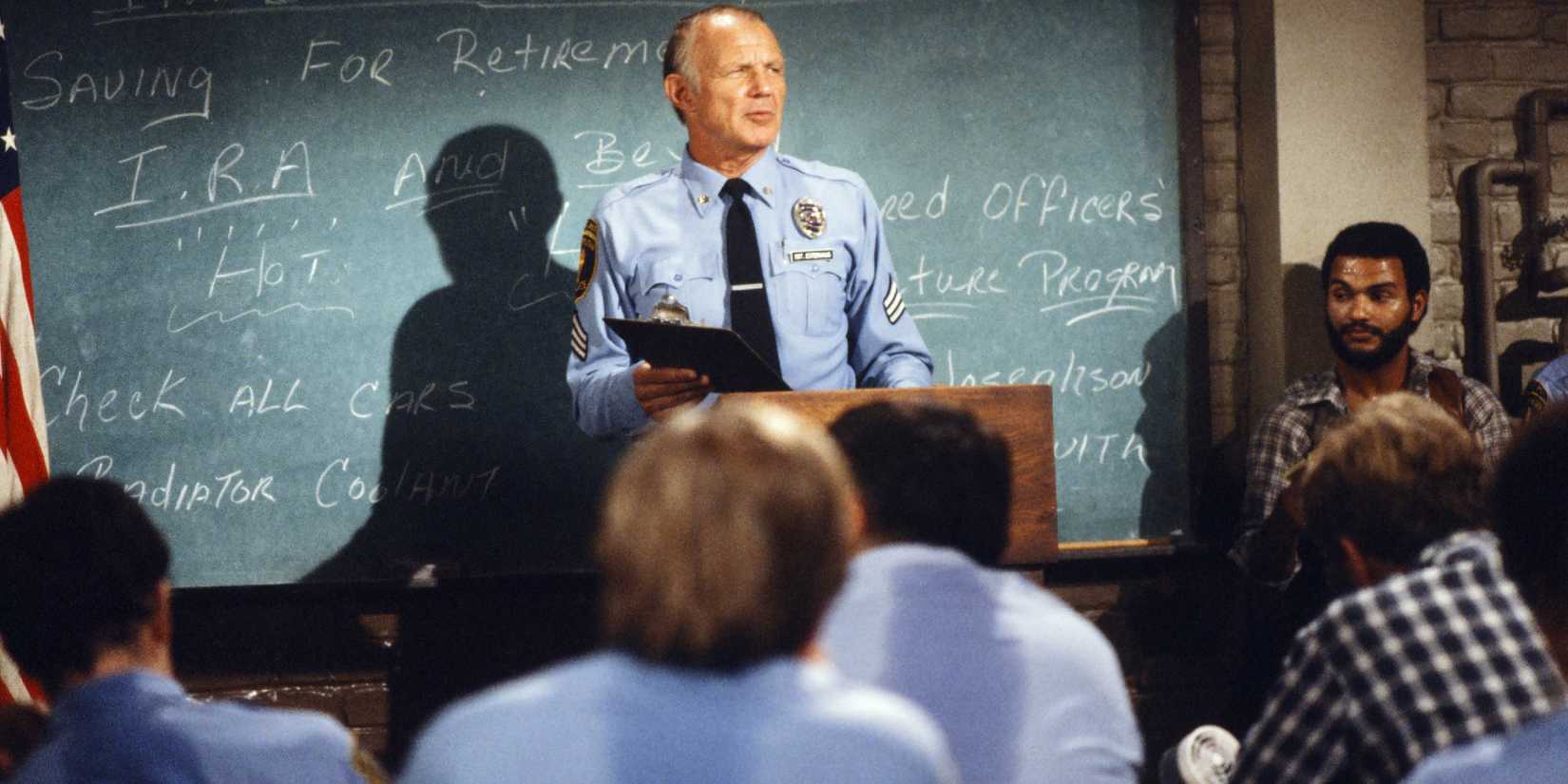 Image via NBC Studios
While police procedurals have evolved since the debut of Hill Street Blues to go deeper and darker, what Steven Bocho and Michael Kozoll created was a series that pushed the genre into a new direction. Hill Street Blues followed the lives of the Metropolitan Police Department staff of a police station located on Hill Street. Though it occurred in a non-distinct U.S. city, its universality made it resonate even further. For seven seasons, the series stood out for its gritty, realistic portrayal of the men and women in blue. Long before NYPD Blue and Law & Order, Hill Street Blues tackled themes ranging from murder and rape to drug abuse and prostitution through quite a bleak lens. It was also lauded for its inclusion of African-American characters to address racism and interracial and interethnic cop partnerships.
The series was filmed in a nearly documentary style, with handheld camerawork and disjointed editing, giving it a fast-paced, real-life feel. The ensemble-driven series wasn't centered on crimes; the psychological strain, personal struggles, and ethical dilemmas of the officers were major plot drivers. With an authentic feel, the tone instantly contrasted with the pristine and glamorous cop shows that came before and ran alongside it. This was not a series you watched as escapism.
6 'The X-Files' (1993-2002)
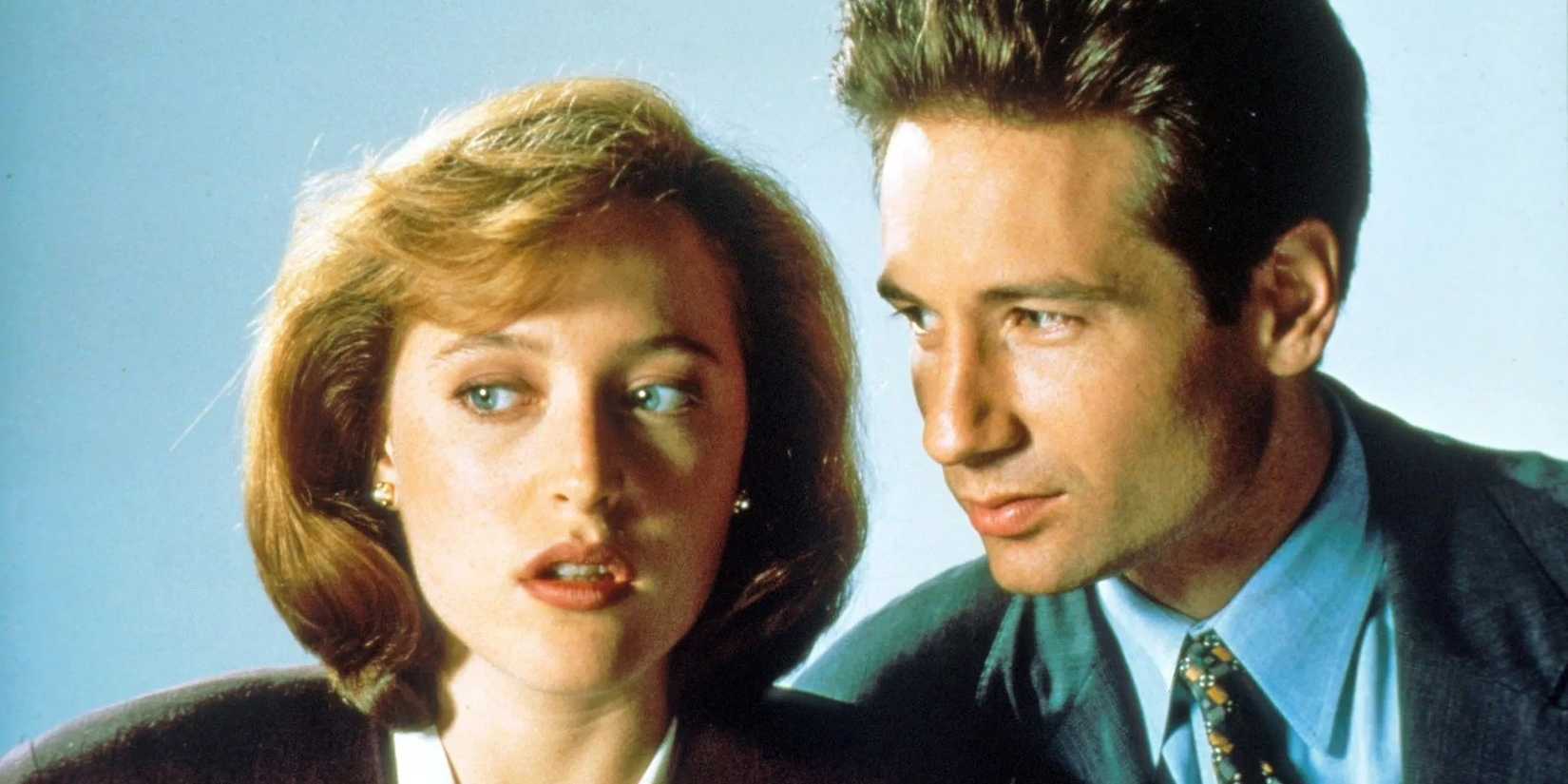 Image via FOX
There was quite a void in the world of terrifying science fiction thrillers that left a lasting impression after The Twilight Zone. Then FOX, a relatively new network, tried its hand at a daring, risky show, and television was forever changed. Created by Chris Carter, the original run of The X-Files was groundbreaking for its subject matter, tapping into our deepest fears through the supernatural, paranormal, and conspiracy theories. The series followed FBI agents Fox Mulder (David Duchovny) and Dana Scully (Gillian Anderson) as they investigated marginalized, unsolved cases. Focusing on solving what really is the truth out there, The X-Files entertained through its monster-of-the-week format.
Though a mystifying blend of psychological dread, body horror, and unsettling creatures beyond our imagination, The X-Files pushed our minds to ponder what the government could be covering up. Through a high-tension atmosphere, eerie sound design, and visceral moments of violence and terror, The X-Files was not always an easy watch. Through exceptional emotional horror, The X-Files thrived in a world before binge-watching. The X-Files was certainly a show that required a breather.
5 'Oz' (1997-2003)
 Image via HBO
Compared to cable television shows, network television felt safe and sanitized. This couldn't be more evident than the hit HBO series, Oz. Set in the "Emerald City" experimental unit of the Oswald Maximum Security Correctional Facility, known as Oz, the series focused on the power struggles, violence, and rehabilitation efforts among inmates and staff. If dramas on network television were rated PG-13, Oz was rated R. With Oz broken down through ethnic factions, including one led by the sadistic Vernon Schillinger (J.K. Simmons), via the mismanagement of the hypocritical, holier-than-thou Tim McManus (Terry Kinney), this was not a prison you wanted to call home. Nothing on Oz was sanitized.
Many of the storylines in the series were quite dark, bleak, and, at times, unsettling. From Dino Ortolani (Jon Seda) being burned alive in his cell in the pilot to a guard's eye being gouged out by inmates, Tobias Beecher's (Lee Tergesen) murdered son's hand being mailed to him, to the execution of prisoners including Cyril O'Reily (Scott William Winters) and Jefferson Keane (Leon Robinson), Oz was not an easy show to watch. Yet it was sensational television that opened the door to dramatic, realistic television for years to come.
4 'Twin Peaks' (1990-1991)
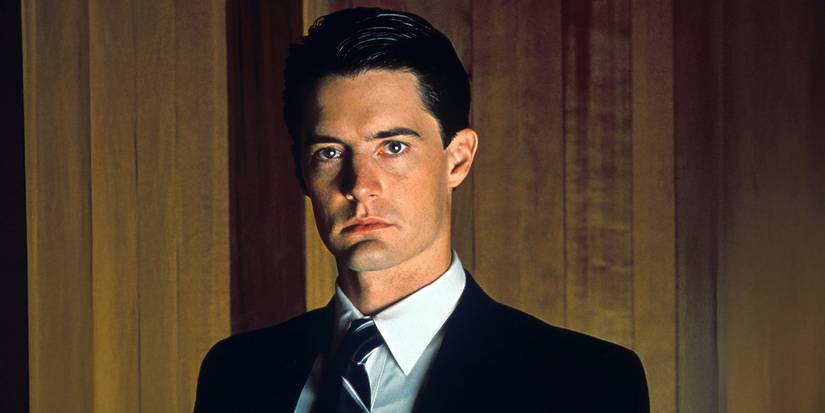 Image via ABC
There are many writers and directors whom aspiring artists strive to emulate because of their distinct stamp on the media. One such name was David Lynch. When he brought the surrealist mystery horror drama Twin Peaks to ABC, television was never the same. For two seasons, Twin Peaks took viewers on a dark journey through the titular town where idiosyncratic FBI Special Agent Dale Cooper (Kyle MacLachlan) investigated the murder of homecoming queen Laura Palmer (Sheryl Lee), only to uncover a dark underworld of secrets, crime, and supernatural forces lurking beneath.
Even with a surreal lens, the dark exploration of trauma, abuse, and evil within the quaint town made Twin Peaks heavy with the emotionally tragic and twisted horrors that you feared could be lurking in your own backyard. Lynch's signature style made the cult classic such a thrill that many have hoped to recreate, yet never could. As a truly original take on the deconstruction of Americana, Twin Peaks shattered our ideals through its dream-logic complexity. Even amid moments of chaotic energy, it served a purpose within the greater mythology and lore of Twin Peaks.
3 'St. Elsewhere' (1982-1988)

One of the most common television genres is medical dramas. Putting a perspective on the lives of the men and women who put everything on the line to save their patients, these dramas have continually found a home on television. One of the greatest of all time was St. Elsewhere. Created by Joshua Brand and John Falsey, the medical drama followed the chaotic lives of the doctors at Boston's underfunded St. Eligius teaching hospital. Best known for its far-too-realistic storylines, the series puts the trauma the lifesavers experience into perspective as they struggle to make the most of their jobs. But the series will forever be remembered for its mind-blowing finale.
With a sensational ensemble, which, during its run, included William Daniels, Ed Begley Jr., Howie Mandel, and Denzel Washington, St. Elsewhere was a true game-changer by the time the final credits rolled. From deaths of beloved doctors and their loved ones to the feeling that the hospital was just a dumping ground for patients too poor or sick for other institutions, St. Elsewhere was emotionally draining. And then came that finale. It was revealed that the entire series existed inside the imagination of an autistic child, making the entire series feel beyond surreal for devoted fans.
2 'The Real World' (1992-2019)
 Image via MTV
Perhaps you may need a refresher. The Real World was the groundbreaking MTV reality series that was the true story of seven strangers who were picked to live in a house and have their lives taped. The series truly showed you what happens when you stop being polite and start getting real. Unlike the reality shows of today, The Real World was a documentary that displayed young people experiencing real-world issues in their own lives. Often putting diametrically opposed individuals within the same house as roommates, The Real World was dramatic because it was authentic.
With a range of social issues coming to the forefront, ranging from prejudice, politics, race, homophobia, rape, abortion, alcoholism, AIDs/HIV, illness, and sexuality, The Real World played host to many television firsts. With each season set in a different season, each cast's dynamic helped diversify the experience and bring the social commentary to the forefront. Though the show fell into more common reality tropes by the time it reached the genre's heyday in the '00s, the '90s iteration was truly sublime. From Pedro Zamora's AIDS story in San Francisco, "the slap" in Seattle, Danny Roberts' blurred-out military boyfriend in New Orleans, and the removal of roommates David Edwards in Los Angeles and David "Puck" Rainey in San Francisco, The Real World was not easy viewing. It was truly a mirror to a generation.
1 'Roots' (1977)
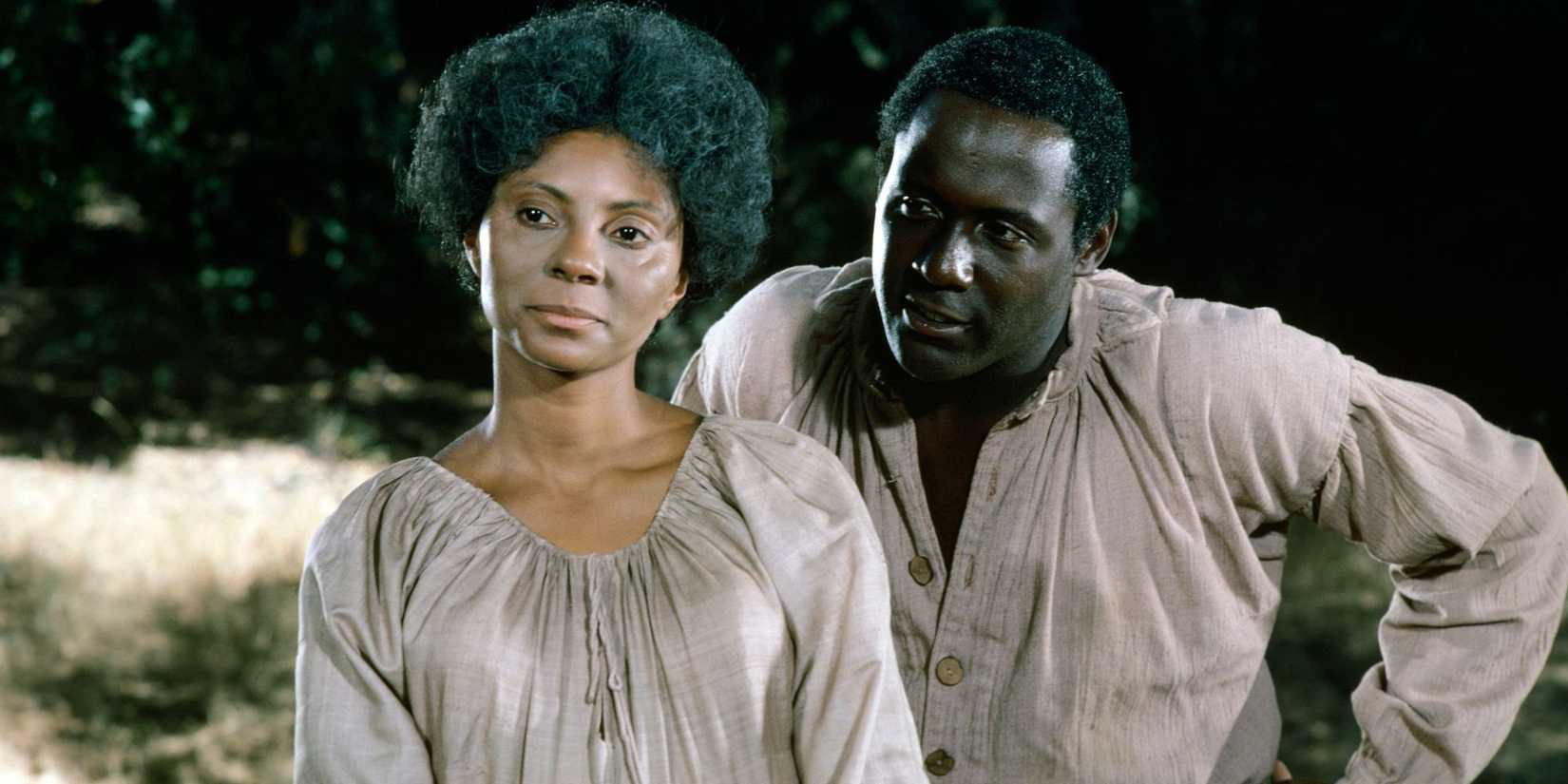 Image via ABC
Maybe you watched it in real time, or you experienced it in the classroom as a history lesson; however you viewed it, Roots was a remarkable viewing. Based on Alex Haley's book, the ABC historical miniseries was a heavy watch. The series follows Kunta Kinte (LeVar Burton), an African man captured in the 1750s and enslaved in America, following his life and the enduring journey of his descendants through generations of slavery, resistance, and the search for freedom and heritage. The series left little to the imagination as the brutal realities of slavery were front and center.
A generational story that ultimately highlighted the strength of family and the power of resilience, the series was used as an educational tool and ultimately a source of good. But it forced its audience to experience the dramatization of the dehumanizing nature of slavery, even as they discovered the enduring spirit to maintain one's history. Even when the miniseries was remade in 2016, it didn't resonate in the same manner as the 1977 version did. Roots is one of the most important miniseries of all time, even if it was difficult to watch.

Roots
Release Date 1977 - 1977-00-00
Showrunner David L. Wolper
Directors Marvin J. Chomsky, John Erman, David Greene, Gilbert Moses



![20 Years Later, One of the Best Sitcoms of the 21st Century Returns With Hilarious First Look [Exclusive]](https://static0.colliderimages.com/wordpress/wp-content/uploads/2026/02/malcolm-in-the-middle-life-s-still-unfair-feature.jpg?w=1600&h=900&fit=crop)
 English (US) ·