
Twister is a widely beloved movie, but certain aspects haven’t held up when watched 30 years later. Released on May 10, 1996, Twister quickly became one of the defining blockbuster movies of the 1990s. Three decades later, the movie actually holds up remarkably well. However, there are some small issues that haven’t aged very gracefully.
Combining groundbreaking visual effects, thrilling tornado sequences, and a hugely charismatic cast led by Helen Hunt and Bill Paxton, Twister captured audiences in a way few disaster films ever had before. The story follows storm chasers Jo and Bill Harding as they race across Oklahoma trying to deploy a revolutionary tornado tracking device called Dorothy while also dealing with their messy personal relationship.
Twister was loud, exciting, emotional, and exactly the kind of spectacle audiences wanted from summer blockbusters at the time. The practical effects remain incredibly impressive, the tornado sequences are still intense, and the cast’s chemistry carries even the weaker moments.
The franchise even returned decades later with Twisters, proving the concept still had plenty of life left in it. Yet rewatching the original today does reveal a few harsh realities that are much harder to ignore with modern audiences looking a little more closely at the details.
The Plot Makes No Sense
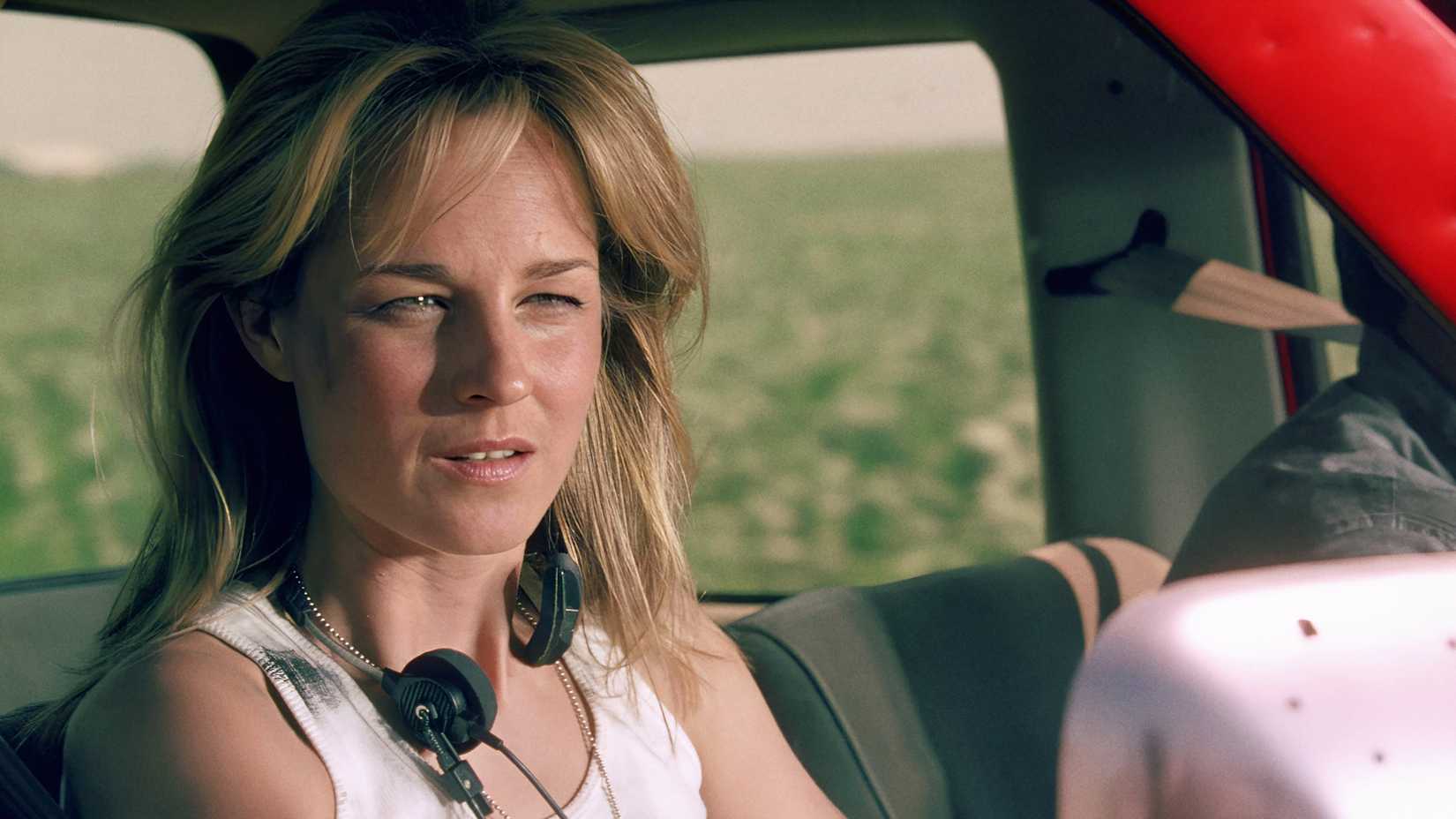
For a movie built around science and storm tracking, Twister falls apart surprisingly quickly if viewers think too hard about the plot. The movie constantly changes the rules around its own technology and tornado logic whenever it needs another action sequence.
One minute, deploying Dorothy is portrayed as an incredibly difficult process requiring perfect timing and complicated setup. The next, the crew seems able to launch the system in seconds while running from certain death.
The tornado physics are even stranger. Objects fly around unpredictably depending on what the scene requires rather than any believable storm behavior. Character motivations are equally shaky, with people repeatedly risking their lives for decisions that barely make sense. None of this ruins the fun, but rewatching the movie today makes the cracks in the story impossible to ignore.
The Early CGI Is Very Cartoonish
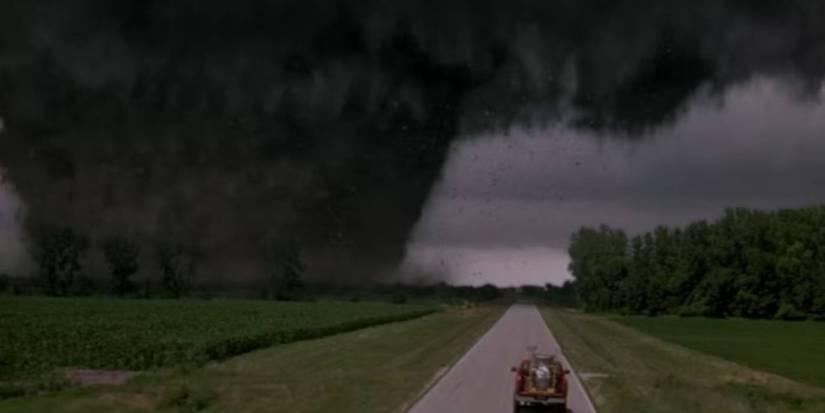
At the time of release, the visual effects in Twister were considered groundbreaking, and in many ways they still deserve praise today. The tornadoes feel massive and threatening, and the practical destruction effects give the movie an intensity many modern blockbusters struggle to replicate.
However, 30 years later, some of the CGI moments look far rougher than audiences probably remembered. Whenever the movie relies heavily on fully digital shots, the illusion can become strangely cartoonish. Flying cows, debris swirling through the air, and certain wide shots of the tornadoes occasionally resemble a video game cutscene rather than a realistic disaster movie.
The contrast is especially noticeable because the practical effects work is often phenomenal. Real explosions, crashing vehicles, and on-location chaos give many scenes genuine weight. That makes the weaker CGI stand out even more whenever it appears.
Bill Is A Terrible Person
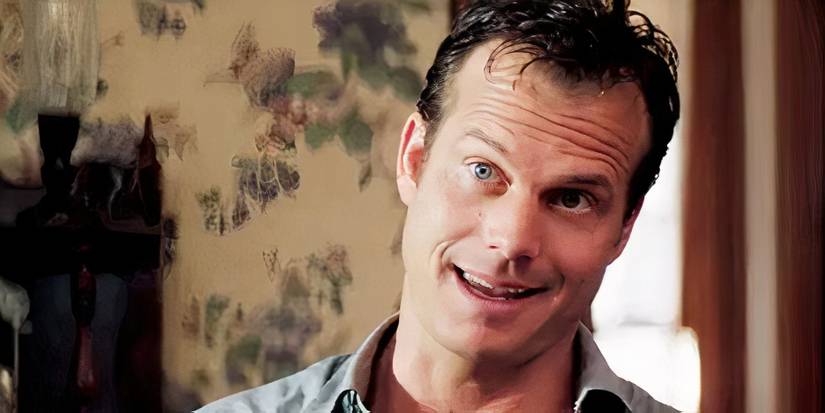
Bill Paxton’s Bill Harding is framed as the heroic lead of Twister, but revisiting the film today makes many of his actions look surprisingly awful. Bill spends much of
Twister dismissing his fiancée Melissa, ignoring her concerns, and getting dragged back into storm chasing despite supposedly wanting a more stable life.
The film treats Melissa like an obstacle to his relationship with Jo, even though she is often the most reasonable person in the story. Bill is also incredibly arrogant throughout the movie. He constantly takes over situations, argues aggressively with other storm chasers, and behaves as though only his instincts matter.
While his confidence is meant to make him charismatic, it frequently crosses into selfishness and recklessness. Modern audiences are much more likely to notice how poorly he treats the people around him.
Few Of The Characters Are Truly Likable
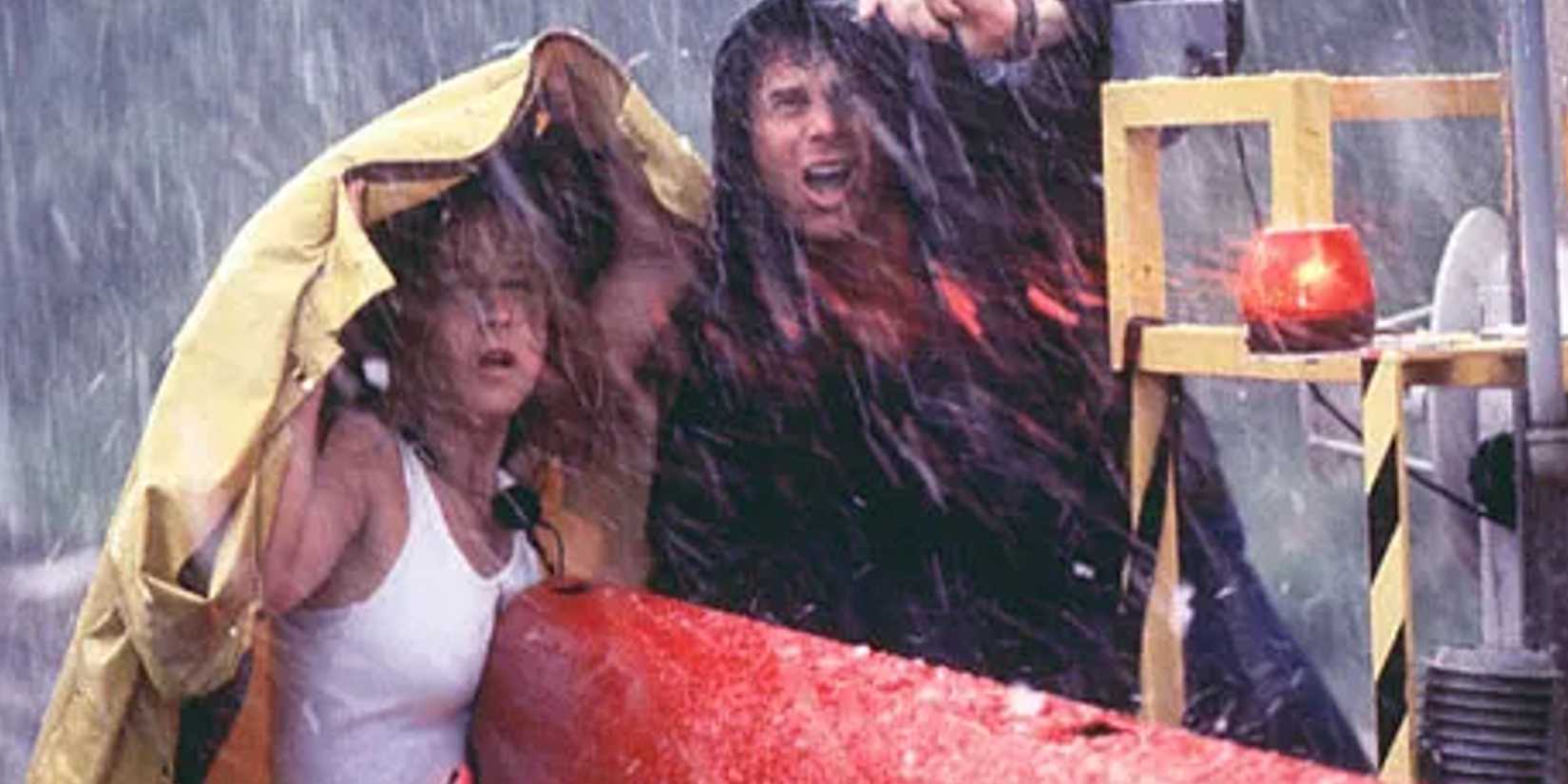
One of the reasons Twister remains entertaining is because the Twister cast is overflowing with personality. The storm chasers are eccentric, energetic, and endlessly quotable, helping the movie maintain a fun atmosphere even during its most ridiculous moments. Rewatching the film today reveals that many of these characters are actually pretty selfish and unpleasant beneath all the charisma.
The rival storm chasers are openly petty and obsessed with professional jealousy. Bill and Jo repeatedly drag others into dangerous situations because of their own emotional baggage. Even members of the supporting team often seem more interested in proving themselves right than acting responsibly.
Twister romanticizes reckless behavior so heavily that nearly everyone comes across as strangely immature at times. What saves the characters is the chemistry between the actors, because they remain entertaining even when their actions are frustrating.
There Are Some Distinct Pacing Problems
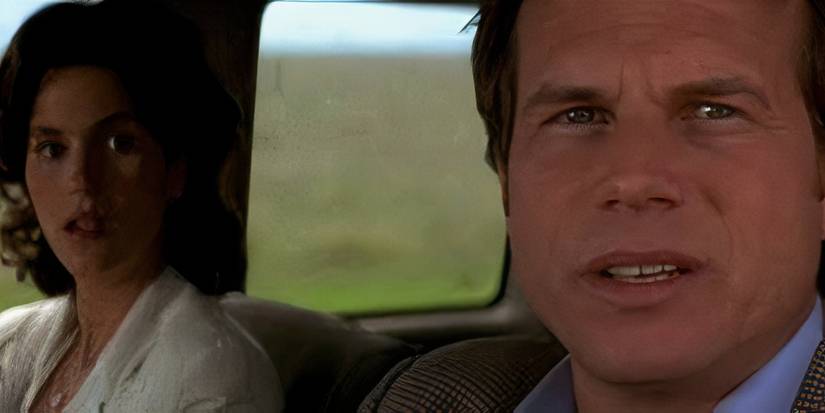
For a movie remembered as a nonstop adrenaline rush, Twister actually has some surprisingly awkward pacing when revisited today. The tornado chase sequences are undeniably exciting, but the film often struggles with how abruptly it transitions between tones.
The tornado chases especially suffer from this structure. The movie builds tension brilliantly as storms approach, only to suddenly pause for extended conversations about Bill and Jo’s relationship or arguments within the team. Then, without much buildup, it launches directly back into another huge action set piece.
In the 1990s, the spectacle alone made these shifts easier to overlook. Modern audiences, however, are far more likely to notice how uneven the movie’s momentum can feel. It never becomes boring, but the pacing definitely feels rougher than people remember.
The Drama Feels Very Manufactured
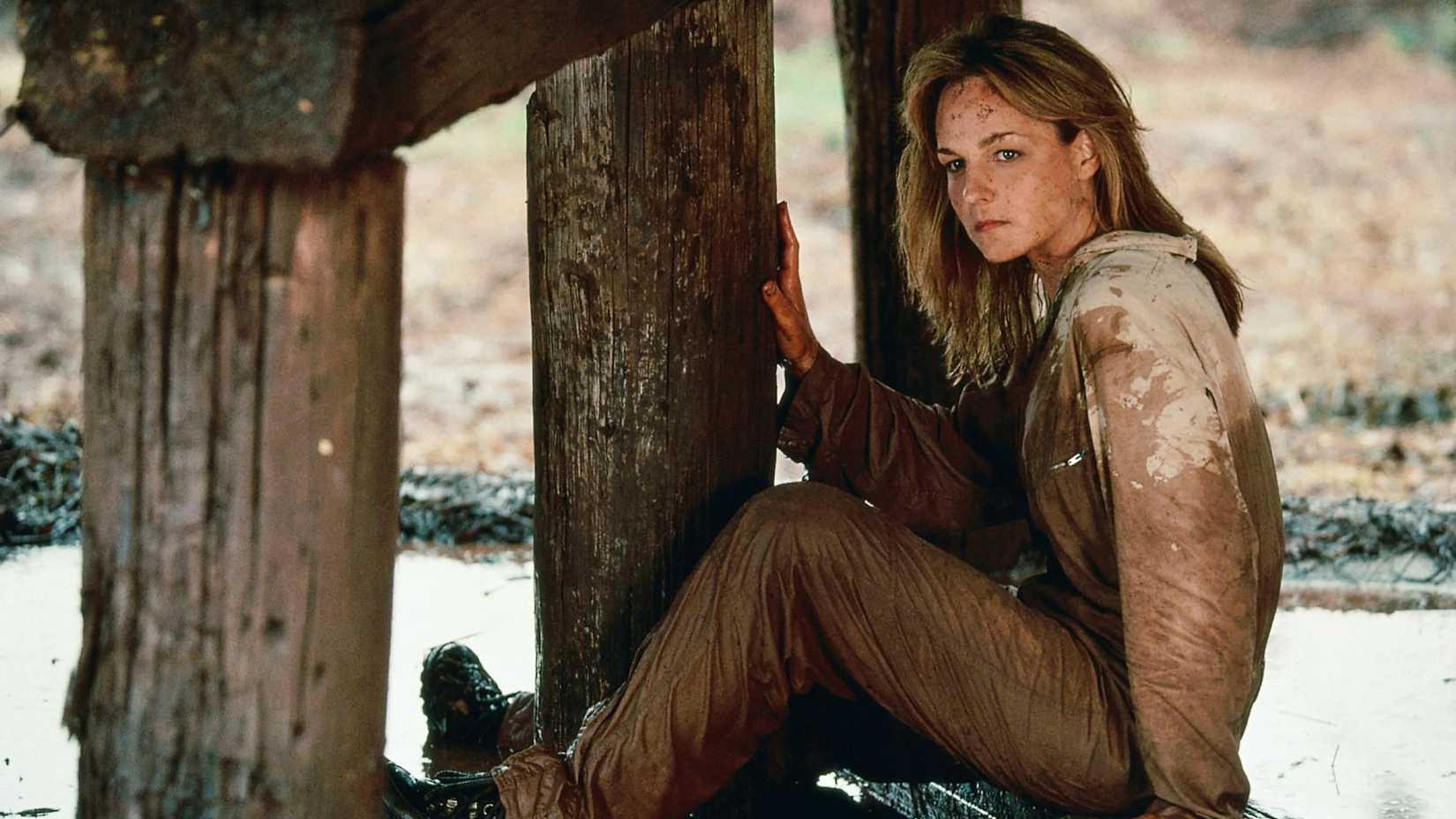
A lot of the tension in Twister comes from characters making obviously reckless decisions purely to create more danger, and that becomes much easier to spot with hindsight. Rather than the tornadoes themselves driving the drama naturally, many scenes revolve around people refusing to listen, trying to prove themselves, or acting selfishly for no good reason.
Twister constantly creates peril by having characters manufacture problems for themselves. One of the clearest examples comes when Bill recklessly drives into dangerous terrain just to prove he “still has it,” only to become trapped as a tornado approaches.
Moments like this happen throughout the movie, often feeling less like believable behavior and more like transparent setup for the next action scene. Even the soundtrack contributes to this exaggerated feeling, with triumphant chase music making every tornado pursuit feel weirdly competitive rather than terrifying.
Everyone Is Awful At Communicating
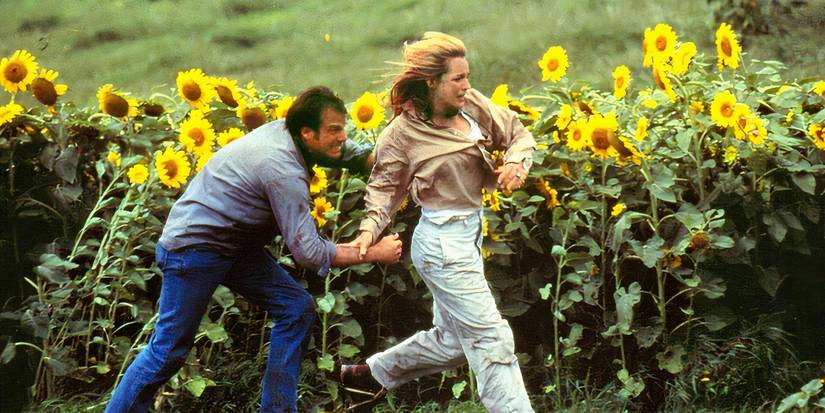
Almost every major problem in Twister could probably be solved if the characters communicated like normal people for more than 30 seconds. Instead, nearly everyone drip-feeds important information, refuses to explain their reasoning, or simply tells others to “trust me” while making dangerous decisions.
It creates constant misunderstandings that feel increasingly frustrating when watched today. Bill and Jo are especially guilty of this. Their entire relationship seems built around vague emotional conversations where nobody clearly says what they actually mean.
Melissa spends much of the movie confused because nobody properly explains what is happening around her, while the storm chasing team constantly withholds information until the last possible moment. Rewatching Twister today makes many scenes feel like examples of people intentionally avoiding simple conversations purely because the script needs more tension.
Aunt Meg Should Have Been Jo's Mother
The opening sequence of Twister strongly suggests Jo’s family trauma will play a major role in the story, which makes the absence of her mother throughout the rest of the movie surprisingly strange. The intro centers on Jo losing her father during a tornado while her mother desperately tries to protect the family.
Naturally, audiences would expect that relationship to remain emotionally important later in the film. Instead, the movie mostly ignores Jo’s mother entirely and shifts emotional focus toward Aunt Meg.
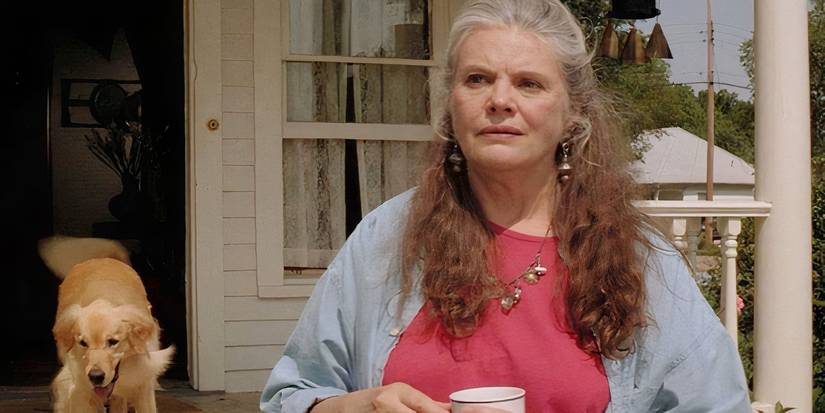
Lois Smith is wonderful as Meg, and the character adds warmth to the movie, but it feels odd that she effectively fills the maternal role without much explanation of where Jo’s actual mother is. The emotional setup from the opening never really pays off properly because that relationship disappears from the narrative altogether.
The Ending Is Very Silly
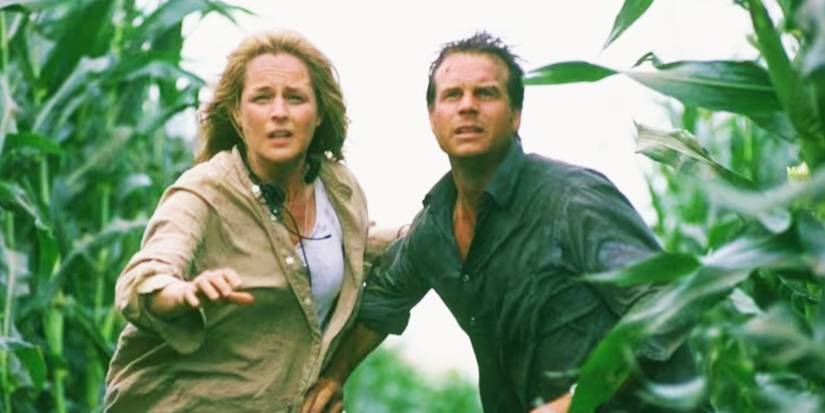
The climax of Twister is undeniably exciting, but it also becomes increasingly ridiculous the longer it continues. By the final tornado chase, the movie essentially abandons realism altogether in favor of escalating chaos and spectacle. Bill and Jo dodge a series of falling tractors, drive directly into a collapsing house, and shelter inside a barn packed with deadly objects.
The sequence operates entirely on blockbuster logic rather than anything remotely believable. Every new obstacle exists purely to top the previous one, regardless of whether it makes any sense.
In 1996, audiences were mostly swept up in the thrill of the visuals. Watching it today, however, the climax feels much more like an over-the-top disaster ride than a grounded survival sequence, pushing the movie dangerously close to self-parody.
The Whole Movie Is Built Around CGI Spectacle

One harsh reality about revisiting Twister today is realizing how much it depends on audiences being impressed by the tornado effects. In 1996, that spectacle was revolutionary. Seeing massive digital tornadoes tearing through towns and farmland felt unlike anything audiences had experienced before.
 Related
Twister Cast & Where They Are Now
While the modern cult classic film Twister stands out for a number of reasons, its iconic cast is one of the contributing factors to its greatness.
But the film’s structure is very clearly designed around repeatedly building toward the next visual effects showcase. Character development, emotional arcs, and even story logic often take a backseat to creating another tornado sequence. That approach worked brilliantly at the time because the spectacle itself was groundbreaking.
Thirty years later, though, it’s far less so. The movie loses its major selling point and awe-inspiring visuals feel underwhelming. As a result, viewers are far more likely to notice just how heavily Twister relies on its aging visual gimmick.

Release Date May 10, 1996
Runtime 113 minutes
Director Jan de bont
Writers Anne-Marie Martin, Michael Crichton
Producers Ian Bryce, Kathleen Kennedy





 English (US) ·