
 Image via Apple TV

Published Apr 11, 2026, 5:18 AM EDT
Diego Pineda has been a devout storyteller his whole life. He has self-published a fantasy novel and a book of short stories, and is actively working on publishing his second novel.
A lifelong fan of watching movies and talking about them endlessly, he writes reviews and analyses on his Instagram page dedicated to cinema, and occasionally on his blog. His favorite filmmakers are Andrei Tarkovsky and Charlie Chaplin. He loves modern Mexican cinema and thinks it's tragically underappreciated.
Other interests of Diego's include reading, gaming, roller coasters, writing reviews on his Letterboxd account (username: DPP_reviews), and going down rabbit holes of whatever topic he's interested in at any given point.
Sign in to your Collider account
Often, a sci-fi show is only as good as its plot twists. There are plenty of things that can make a plot twist effective: unpredictability, it feeling like the whole story has been building up to that point, and it feeling like the twist changes the entire narrative going forward all help. There have been several sci-fi shows over the years that haven't just had a high quality of twists, they've also had a tremendous volume of them.
But while there definitely is such a thing as too many plot twists, these ten great shows mastered the art of having a bunch of surprises along the way without ever overwhelming their audience. Mysterious, shocking, and almost labyrinthine, they're all among the best science fiction series of all time, and that's in no small measure thanks to their abundance of plot twists.
10 'Orphan Black' (2013–2017)
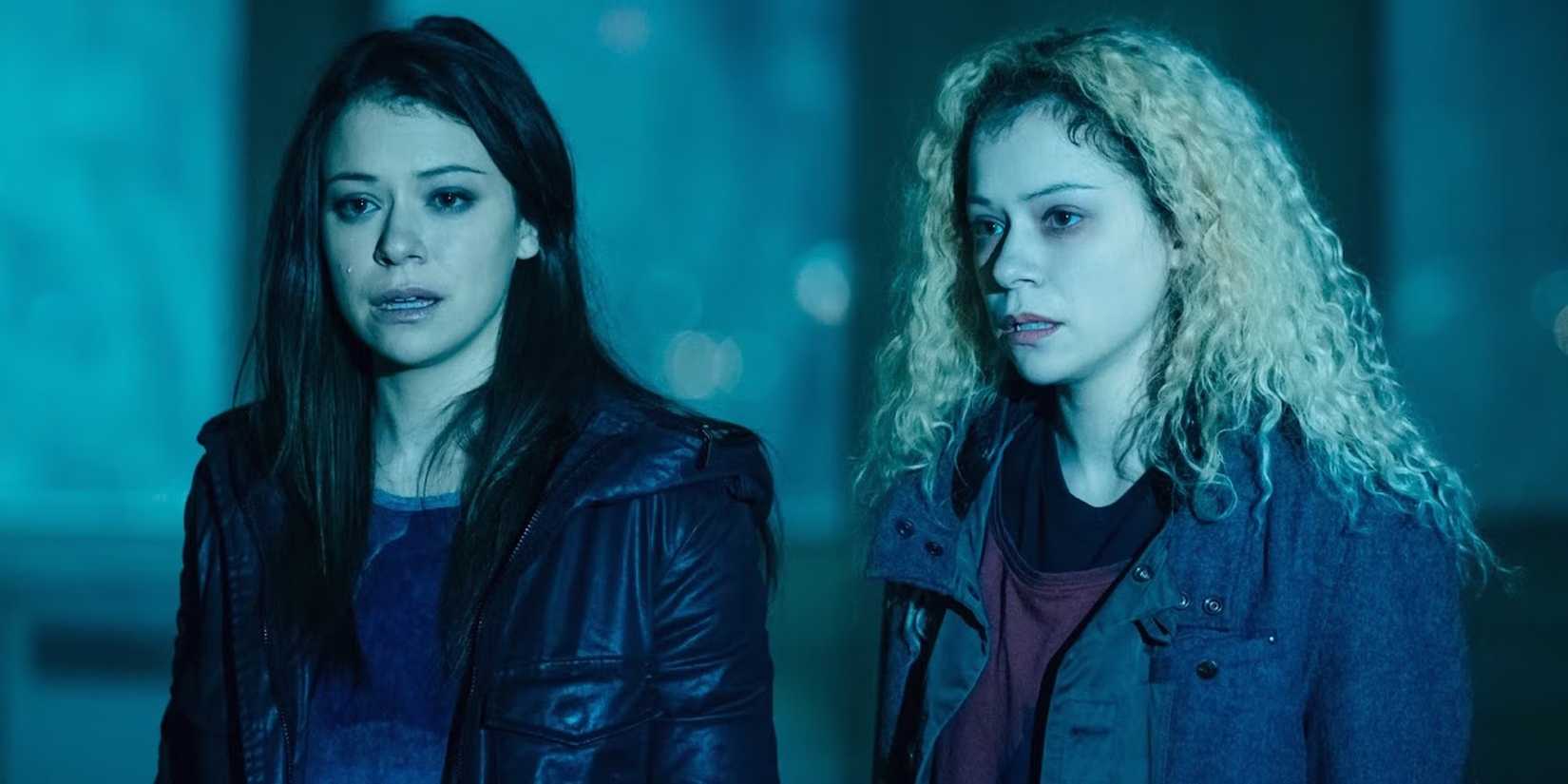 Image via BBC America
Starring Tatiana Maslany, who delivers one of the best acting performances of any sci-fi show of the 2010s, the sci-fi thriller Orphan Black is one of the best Canadian TV shows of all time. For people who love shows about clones and döppelgangers, this one's a must-see, dealing with the trope in ways that are consistently fascinating.
It's one of those sci-fi shows that are perfect from start to finish, filled with intense plot twists that constantly keep the viewers on their toes. You can't help but second-guess your every assumption when you're watching Orphan Black, as every high-stakes revelation keeps re-shaping the narrative in ways that no one could have possibly seen coming. That also keeps the story moving at a quick pace that fans of the genre will surely appreciate.
9 'Person of Interest' (2011–2016)
 Image via CBS
Some of the best sci-fi TV shows ever made are only five seasons long, and that definitely includes Person of Interest. It's a crime drama created by Jonathan Nolan and executive-produced by J. J. Abrams, dealing with themes of surveillance and political conspiracies that have (perhaps unfortunately) aged like fine wine.
There are frequent twists and turns here, all of them written with the utmost patience and intelligence. As the series starts to evolve from a "case-of-the-week" procedural to a more serialized conspiracy thriller, the twists also keep rising in number. By the end, this escalation of the stakes should be capable of keeping any and all viewers on the edge of their seats.
8 'The Prisoner' (1967–1968)
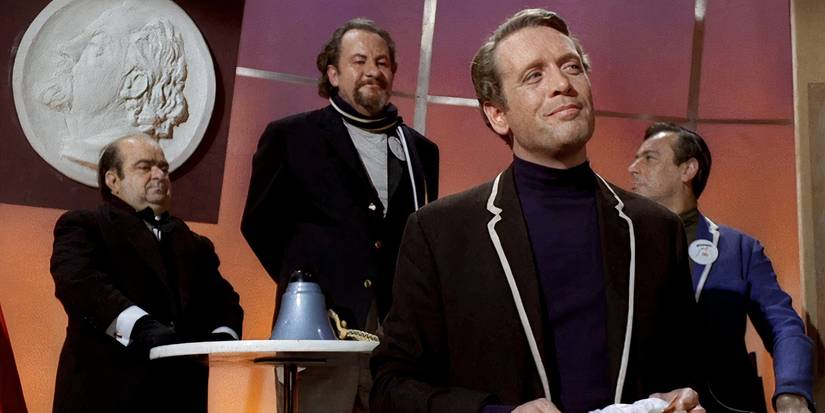 Image via Channel 3
Not enough people talk about it nowadays, but The Prisoner is nevertheless one of the greatest and most iconic British sci-fi TV shows in history. It's one of those classic sci-fi shows that have aged really well, with a legacy and level of impact and influence that most shows can only ever dream of. Nearly 60 years after it first aired, The Prisoner is still as important a show.
Dreamlike, surreal, and Kafkaesque, The Prisoner is definitely the best fit for those who enjoy arthouse sci-fi and more experimental storytelling. The series is filled with psychologically-twisty surprises that keep it engaging at all times, and which make the mysteries at the core of its narrative even harder to figure out. It's hardly a surprise that it has influenced shows of the caliber of Twin Peaks and Lost.
7 'Westworld' (2016–2022)
 Image via HBO
There are plenty of great sci-fi shows without aliens, which prove that extraterrestrial invasions aren't the only way to tell a compelling science fiction story. Case in point: HBO's Westworld, based on Michael Crichton's 1973 sci-fi Western film of the same name. Though it's generally agreed that the series got weaker as it went along, its first season is one of the greatest seasons of sci-fi television that the world has gotten in a while.
And even all that came after had its moments, in all fairness. Throughout its whole run, Westworld was well-known for its twists. These mind-bending surprises, particularly those contained within the first couple of seasons of the show, constantly shake up the narrative in such a way that you have to completely readjust the way you're consuming the story. It's quite an unforgettable experience.
6 'Fringe' (2008–2013)
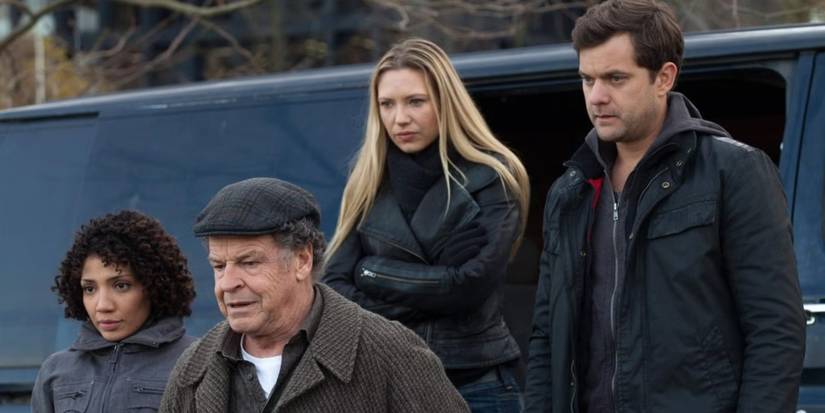 Image via FOX
After he pretty much revolutionized American television with Lost, J. J. Abrams co-created Fringe, a sci-fi thriller very clearly inspired by The X-Files and The Twilight Zone. It wears those influences on its sleeve with pride, and it's undoubtedly these predecessors that are partly responsible for this being one of the most rewatchable sci-fi TV shows of all time.
This is another series that began as a more episodic "mystery-of-the-week" type of affair, while slowly transforming into a far more serialized gem that only kept getting better season after season. It features game-changing twists involving parallel universes and alternate timelines, character identities, all of which are hugely complex and mind-bending. Without a doubt, Fringe is a show that benefits from re-watches.
Collider Exclusive · Sci-Fi Survival Quiz Which Sci-Fi World Would You Survive? The Matrix · Mad Max · Blade Runner · Dune · Star Wars
Five universes. Five completely different ways the future went wrong — or sideways, or up in flames. Only one of them is the world your instincts were built for. Eight questions will figure out which dystopia, galaxy, or desert wasteland you'd actually make it out of alive.
💊The Matrix
🔥Mad Max
🌧️Blade Runner
🏜️Dune
🚀Star Wars
TEST YOUR SURVIVAL →
01
You sense something is deeply wrong with the world around you. What do you do? The first instinct is often the truest one.
APull on every thread until I understand the system — then figure out how to break it. BStop asking questions and start stockpiling — food, fuel, weapons. Questions don't keep you alive. CKeep my head down, observe carefully, and trust no one until I know who's pulling the strings. DStudy the patterns. Every system has a rhythm — learn it, and you learn how to survive it. EFind the people fighting back and join them. You can't fix a broken galaxy alone.
NEXT QUESTION →
02
In a world of scarcity, what resource do you guard most fiercely? What we protect reveals what we believe survival actually requires.
AKnowledge. If you understand the system, you don't need resources — you can generate them. BFuel. Everything else — movement, power, escape — runs on it. CTrust. In a world of fakes and informants, a truly reliable ally is rarer than any commodity. DWater. And after water, information — the two things empires are truly built on. EShips and credits. The galaxy is big — you survive it by being able to move through it freely.
NEXT QUESTION →
03
What kind of threat keeps you up at night? Fear is useful data — if you're honest about what you're actually afraid of.
AThat reality itself is a lie — that everything I experience has been constructed to keep me compliant. BA raid. No warning, no mercy — just the roar of engines and then nothing left. CBeing identified. Once someone with power decides you're a problem, you're already out of time. DBeing outmanoeuvred — losing a political game I didn't even know I was playing. EThe Empire tightening its grip until there's nowhere left to run.
NEXT QUESTION →
04
How do you deal with authority you don't trust? Every dystopia has a power structure. Your approach to it determines everything.
ASubvert it from the inside — learn its rules well enough to weaponise them against it. BIgnore it and stay out of its reach. The further from any power structure, the better. CAppear to comply while doing exactly what I need to do. Visibility is the enemy. DManoeuvre within it carefully. You can't beat a system you refuse to understand. EResist openly when I have to. Some things are worth the risk of being seen.
NEXT QUESTION →
05
Which environment could you actually endure long-term? Survival isn't just tactical — it's physical, psychological, and very much about where you are.
AUnderground bunkers and server rooms — cramped, artificial, but with access to everything that matters. BOpen wasteland — brutal sun, no shelter, constant movement. At least the threat is honest. CA dense, rain-soaked city where you can disappear into the crowd and nobody asks questions. DMerciless desert — extreme heat, no water, and something enormous living beneath the sand. EThe fringe — backwater planets and busy spaceports where the Empire's attention rarely reaches.
NEXT QUESTION →
06
Who do you want in your corner when things fall apart? The company you keep is the clearest signal of who you actually are.
AA tight crew of believers who've seen behind the curtain and have nothing left to lose. BOne or two people I'd trust with my life. Any more than that and someone talks. CNobody, ideally. Alliances are liabilities. I work alone unless I have no choice. DA community bound by shared hardship and mutual survival — people who need each other to last. EA ragtag team with wildly different skills and total commitment when it counts.
NEXT QUESTION →
07
Where do you draw the line — if you draw one at all? Every survivor eventually faces a moment that tests what they're actually made of.
AI won't harm the innocent — even the ones who'd report me without hesitation. BI do what I have to to protect the people I've chosen. Everything else is negotiable. CThe line shifts depending on who's asking and what's at stake. DI draw a long-term line — nothing that compromises my people's future, even if it'd help now. ESome lines, once crossed, can't be uncrossed. I know which ones they are.
NEXT QUESTION →
08
What would actually make survival worth it? Staying alive is one thing. Having a reason to is another.
AWaking others up — dismantling the illusion so no one else has to live inside it. BFinding somewhere — or someone — worth protecting. A reason to keep moving. CAnswers. Understanding what I am, what any of this means, before time runs out. DLegacy — shaping the future in a way that outlasts me by generations. EFreedom — for myself, for others, for every world still living under someone else's boot.
REVEAL MY WORLD →
Your Fate Has Been Calculated You'd Survive In…
Your answers point to the world your instincts were built for. This is the universe your temperament, your survival instincts, and your particular brand of stubbornness were made for.
The Matrix
You took the red pill a long time ago — probably before anyone offered it to you. You're a systems thinker who can't help but notice the seams in things.
- You're drawn to understanding how the system works before figuring out how to break it.
- You'd find the Resistance, or it would find you — your instinct for spotting constructed realities is the machines' worst nightmare.
- You function best when you have access to information and the freedom to act on it.
- The Matrix built an airtight prison. You'd be the one probing the walls for the door.
Mad Max
The wasteland doesn't reward the clever or the well-connected — it rewards those who are hard to kill and harder to break. That's you.
- You don't need comfort, community, or a cause larger than the next horizon.
- You need a vehicle, a clear threat, and enough fuel to outrun it — and you're good at all three.
- You are unsentimental enough to survive that world, and decent enough — just barely — to be something more than another raider.
- In the wasteland, that distinction is everything.
Blade Runner
You'd survive here because you know how to exist in moral grey areas without losing yourself completely.
- You read people accurately, keep your circle small, and ask the questions others prefer not to answer.
- In a city where humanity is a legal designation rather than a feeling, you hold onto something that keeps you functional.
- You're not a hero. But you're not lost, either.
- In Blade Runner's world, that distinction is everything.
Dune
Arrakis is the most hostile environment in the known universe — and you are precisely the kind of person it rewards.
- Patience, discipline, and political awareness are your core strengths — and on Arrakis, they're survival tools.
- You understand that the long game matters more than any single victory.
- Others come to Dune and are consumed by it. You'd learn its logic and earn its respect.
- In time, you wouldn't just survive Arrakis — you'd begin to reshape it.
Star Wars
The galaxy far, far away is vast, loud, and in a constant state of violent political upheaval — and you wouldn't have it any other way.
- You find meaning in being part of something larger than yourself — a cause, a crew, a rebellion.
- You'd gravitate toward the Rebellion, or the fringes, or whatever pocket of the galaxy still believes the Empire's grip can be broken.
- You fight — not because you have to, but because standing aside isn't something you're capable of.
- In Star Wars, that willingness is what makes all the difference.
↻ RETAKE THE QUIZ
5 'Severance' (2022–)
 Image via Apple TV
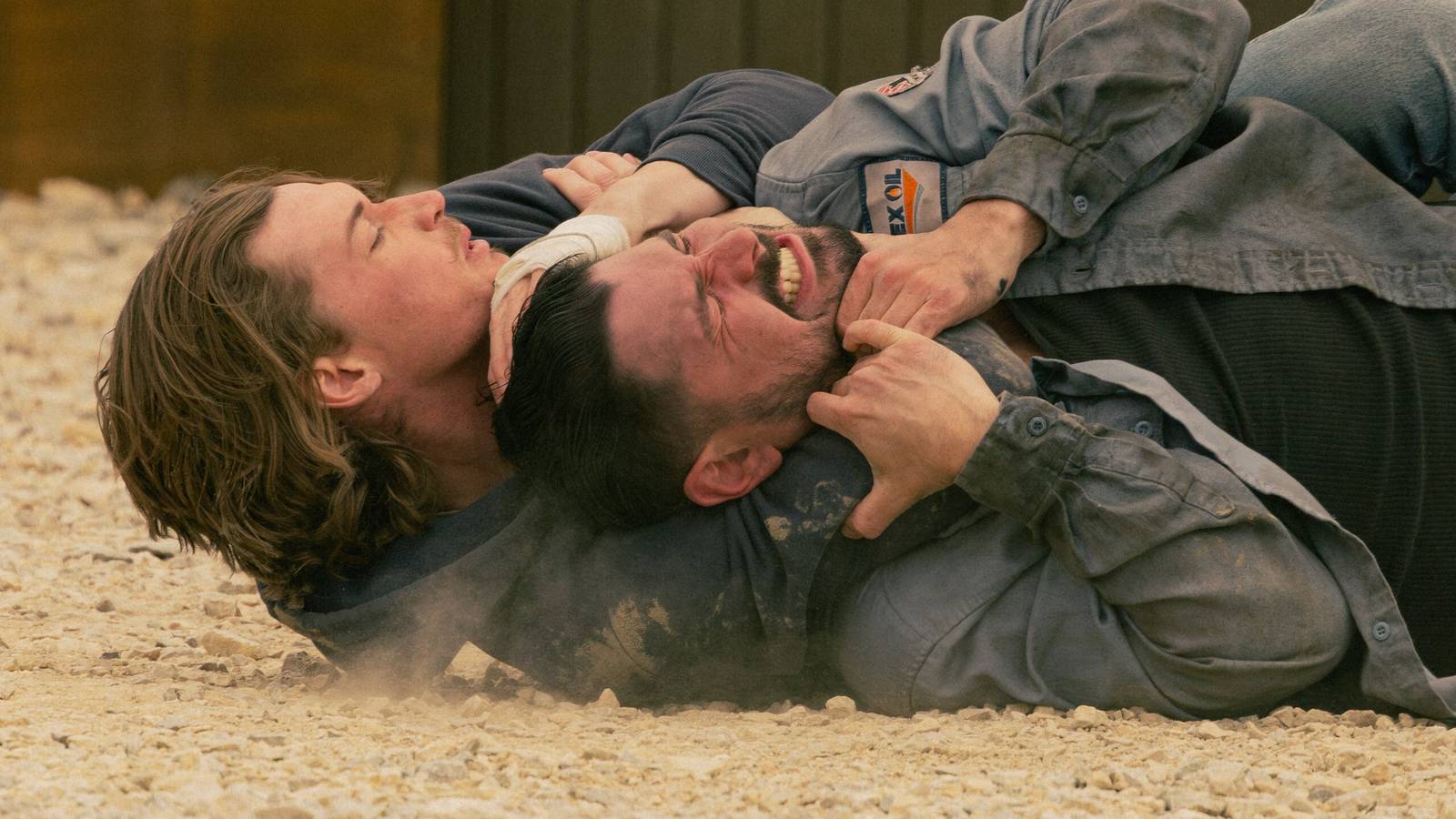
The same way that Lost was what every sci-fi television fan seemed to be talking about back during the 200s, Severance appears to be this generation's "mystery box" show masterpiece. It's one of those sci-fi shows you can binge in a single week, a constantly shocking and profoundly mysterious gem full of great performances, great production values, and even greater writing.
But Severance is also the kind of show that lives or dies by its plot twists and how well they're executed. After all, it's a TV series built entirely on a foundation of mysterious questions, and for every question that it answers, the show seems to throw in a couple more new questions into the mix. Those kinds of twists keep it consistently engaging throughout. Fans can only hope that we'll get many, many more seasons of Severance and its masterful plot twists.
4 'The OA' (2016–2019)
 Image via Netflix
Netflix's The OA is one of those mysterious sci-fi shows that are known precisely for their abundance of plot twists. The streaming giant has canceled many shows that showed potential, but this is one of their most egregious cancellations. After all, after just two seasons, it felt like The OA was just getting started—and what a wild ride it was bound to be throughout its whole planned five-season arc. But even with its untimely cancellation, this cult classic is still an icon of the genre.
Some may argue that The OA's abundance of plot twists is actually an overabundance, and that such frequent surprises inevitably end up generating plot holes. But for those willing to accept that a series which didn't even get halfway through its pre-planned run is bound to have unexplained gaps, this one should be a delight. The OA's many twists are absolutely game-changing, constantly making the viewer feel like they're suddenly watching an entirely different show.
3 'Lost' (2004–2010)
 Image via ABC
Lost was a pop culture sensation like no other throughout its run, and it absolutely revolutionized mystery box storytelling on the small screen. Divisive final season and finale notwithstanding, it's one of those classic TV dramas that have aged well, built on the foundation of one of the most impressive cast ensembles in the history of broadcast television.
But what defined Lost throughout its run weren't its performances, nor its high-budget visuals, nor its abundance of wild ideas: It was its plot twists. From smaller surprises that were fully self-contained within a given episode, to gargantuan "We have to go back!"-level twists that completely altered the course of the narrative, Lost is perfect for people who love sci-fi shows that keep them on their toes.
2 'Dark' (2017–2020)
 Image via Netflix
Netflix's first-ever German-language series, Dark is perhaps the streaming giant's greatest foreign-language series. It's not an easy watch: Its story is based on the idea of parallel universes, and the genealogy of its many characters is so complex that you need a notebook to keep track of everything, but those patient enough to keep up with Dark are in for the ride of a lifetime.
It's undoubtedly one of the best sci-fi shows of the 21st century, with one of the best sci-fi show finales of the last 10 years. One of the reasons why that finale is so phenomenal is its many twists, something that defined the show as a whole throughout its run. Full of mind-bending surprises and jaw-dropping turns, Dark barely ever gives viewers a chance to rest before they have to jump back to their notebooks again.
1 'Black Mirror' (2011–Present)
 Image via Netflix
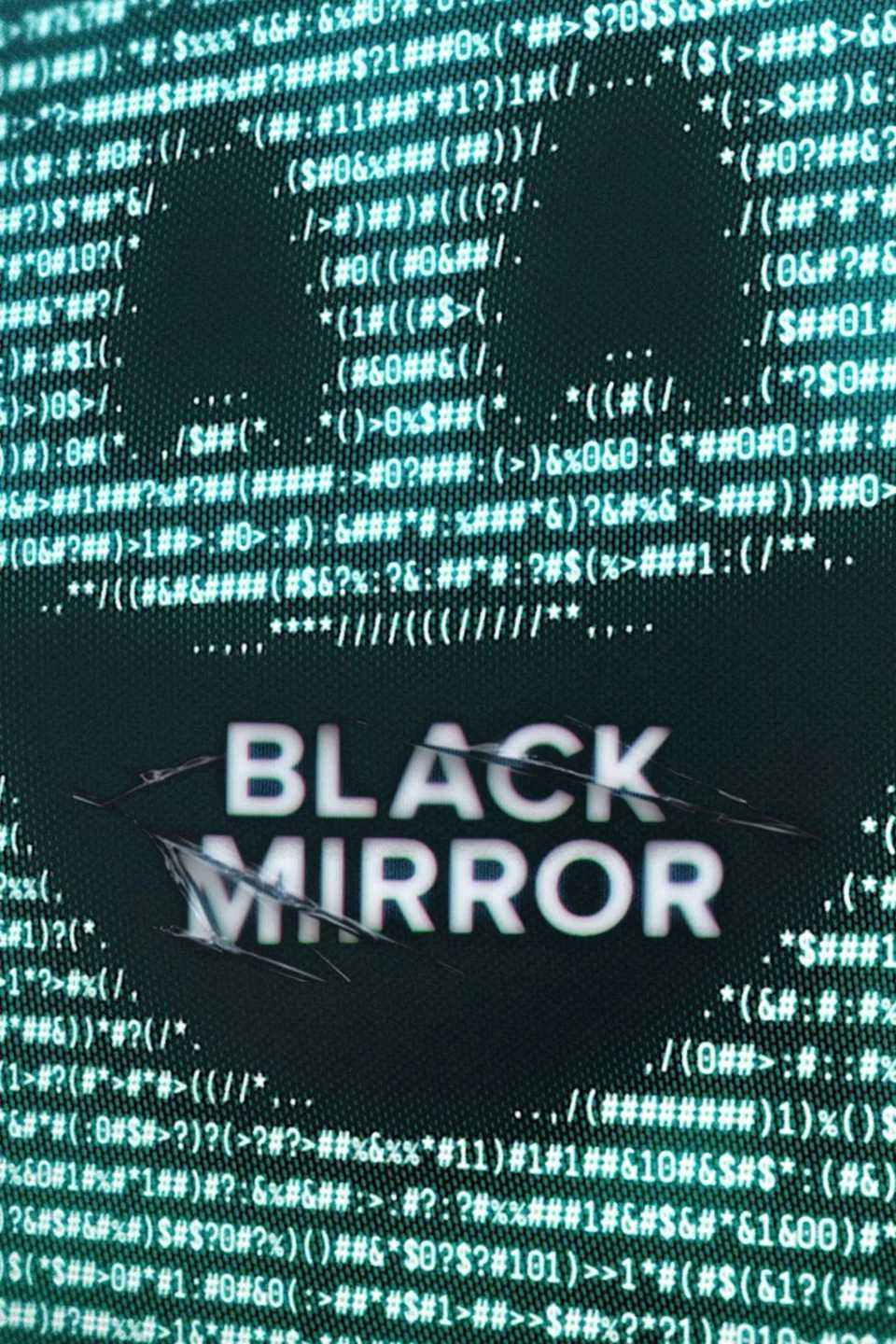
What started as a relatively small and niche sci-fi anthology series on the British Channel 4 was then bought by Netflix after two seasons, and the rest is history. Black Mirror is widely touted as this generation's The Twilight Zone, and for good reason. Dealing with similar kinds of themes of technology, progress, and the human condition, but with an undeniably modern twist, this is one of the heaviest thriller shows of recent years.
Black Mirror's abundance of twists is clearly different, because it doesn't just tell a single story throughout each season, but it's absolutely undeniable that every episode of the entire series is built on a whole web of twists and turns. It's these twists and turns that keep Black Mirror's every story interesting and compelling, and they're probably the reason why it has lasted as long as it has.
Black Mirror
Release Date December 4, 2011
Network Channel 4, Netflix



 English (US) ·