
It's rare enough to encounter a science fiction TV show that's genuinely exceptional, but to find one that's an all-out masterpiece is all the more precious of an uncommon occurrence. Around the late '90s and early 2000s, the genre saw a boom on the small screen unlike anything else audiences had ever encountered. That has meant that over the course of the 21st century, we've gotten several of the greatest sci-fi TV masterpieces of all time.
Whether it's a cartoon like Samurai Jack or a live-action space opera like Firefly, these shows aren't just great; they approach perfection just about as much as sci-fi television possibly can. They're exciting, emotionally compelling, thematically fascinating, and masterfully crafted all-around. No one who loves sci-fi TV should reach their grave without having watched the genre's greatest masterpieces.
10 'Samurai Jack' (2001–2017)
 Image via Adult Swim
Animator and director Genndy Tartakovsky is widely considered one of the most influential directors in the history of animation, and as such, he has created some of the greatest cartoons in the history of television. Case in point: Samurai Jack, pitched by Tartakovsky as an animated version of David Carradine in Kung Fu.
Aside from being one of the animated shows with the best visuals, Samurai Jack also makes the best possible use of its sci-fi elements to deliver a masterful show that wears its cinematic, televisual, and literary influences on its sleeves. Wonderfully atmospheric and delightfully action-packed, it concludes with a far darker and more mature fifth season that's among the best seasons of animated television in history.
9 'The Expanse' (2015–2022)
 Image via Prime Video
The Expanse is based on the series of novels of the same name written by Daniel Abraham and Ty Franck under the pen name S. A. Corey. Though Syfy canceled it after only three short-lived seasons, Amazon promptly picked the show back up for another three. The result? One of the greatest six-season shows in television history, as well as one of the most rewatchable sci-fi shows ever.
This enthralling space opera has been widely praised as one of the most scientifically accurate sci-fi shows ever, and that's only the tip of the iceberg when it comes to all the praiseworthy elements of The Expanse. Intricate in its geopolitical themes, complex in its neo-noir-inspired tone, and marvelously detailed in its world-building, it's a must-see for all those who love small-screen space adventures.
8 'Arcane' (2021–2024)
 Image via Netflix
Netflix has been a blessing for animated television over the course of the 21st century, and there are those who would argue that the streaming giant hasn't produced a better animated masterpiece than Arcane. You don't need to be a League of Legends fan in order to enjoy this steampunk action series, a show so impeccably written and visually striking that just about anyone who enjoys animation is bound to fall in love with it immediately.
Indeed, it's one of those new animated shows that are perfect from start to finish. Blending absolutely breathtaking and vibrantly colorful animation with a thematically sharp and character-driven story, it's both a technical and narrative masterpiece unlike anything else animated sci-fi has delivered throughout the last 26 years. Is its conclusion absolutely flawless? Not quite, but everything surrounding it is so emotionally gripping and adrenaline-pumping that it's hard to resist.
 Image via Bones
The 2003 anime series Fullmetal Alchemist, loosely based on Hiromu Arakawa's manga series of the same name, is one of the most iconic anime shows of the 2000s. It's its successor, however, that's one of the most universally beloved anime series of all time. Fullmetal Alchemist: Brotherhood is the second-highest-rated anime show of all time on IMDb, and for good reason.
Significantly more faithful to the manga than its predecessor, Brotherhood benefits from its airtight and filler-less writing, as well as its absolutely perfect animation. Character-driven, flawlessly paced, and exploring philosophically profound themes of the value of human life and of letting the past go, it's an absolutely masterful steampunk masterpiece that leaves virtually no issues to complain about.
6 'Andor' (2022–2025)
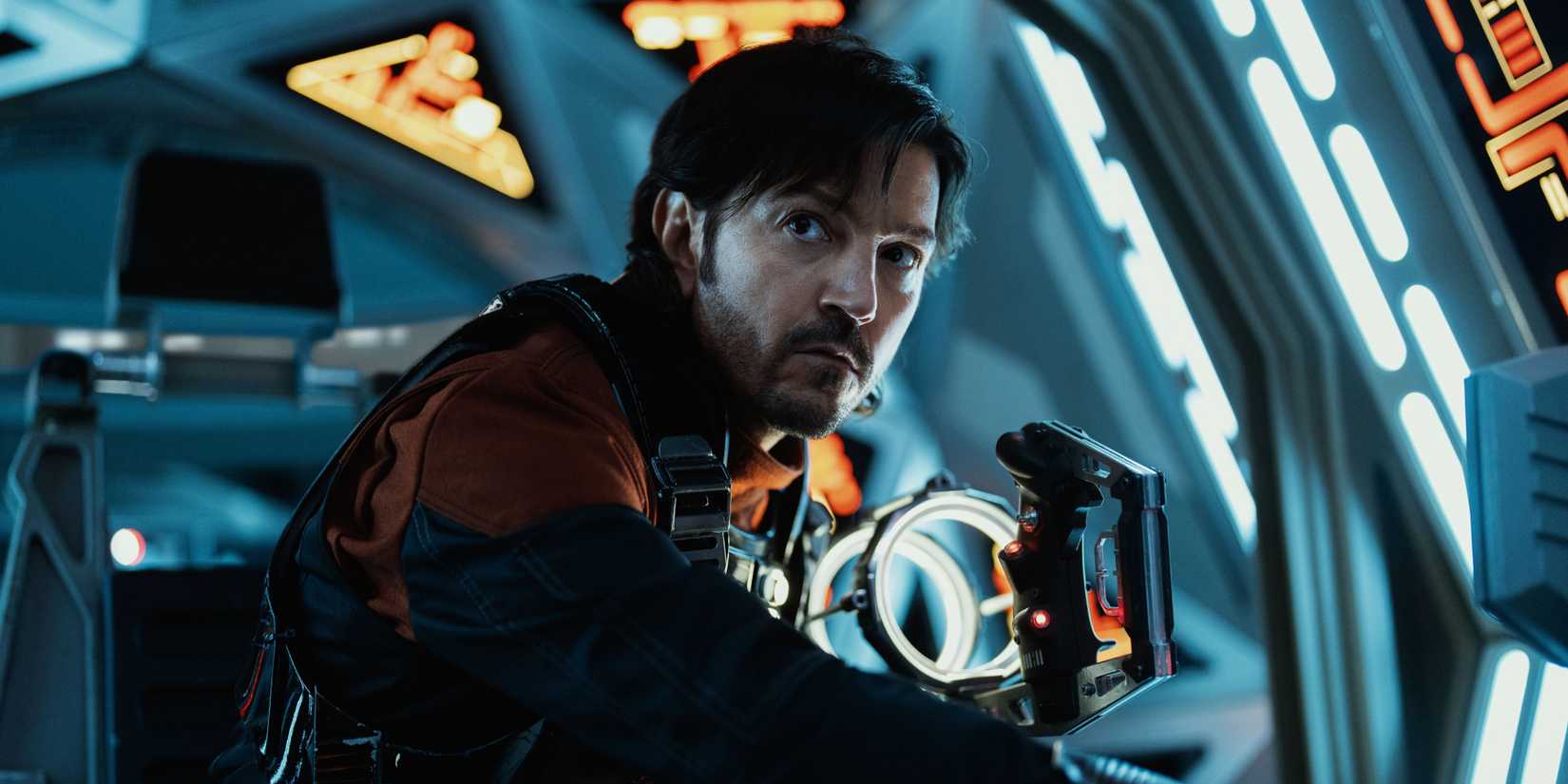 Image via Disney+
Ever since George Lucas' Star Wars became the highest-grossing movie in history at the time of its release in 1977, the galaxy far, far away has been the home of the largest transmedia franchise of all time. Star Wars just hasn't been the same ever since Disney's purchase of Lucasfilm back in 2012, but it's also true that Andor is the best that Star Wars has been since all the way back in the 1980s.
Returning the franchise to its thematic roots of fighting fascism and celebrating the power of rebellion in the face of oppression, Andor seems to understand Star Wars far better than any other live-action sci-fi show the franchise has thus far delivered. But even for those who aren't fans of the franchise, it's still very much worth watching. It's one of those sci-fi shows where every episode is a masterpiece, a wonderful sci-fi series that balances breathtaking action sequences with deeply human drama to perfection.
Collider Exclusive · Sci-Fi Survival Quiz Which Sci-Fi World Would You Survive? The Matrix · Mad Max · Blade Runner · Dune · Star Wars
Five universes. Five completely different ways the future went wrong — or sideways, or up in flames. Only one of them is the world your instincts were built for. Eight questions will figure out which dystopia, galaxy, or desert wasteland you'd actually make it out of alive.
💊The Matrix
🔥Mad Max
🌧️Blade Runner
🏜️Dune
🚀Star Wars
TEST YOUR SURVIVAL →
01
You sense something is deeply wrong with the world around you. What do you do? The first instinct is often the truest one.
APull on every thread until I understand the system — then figure out how to break it. BStop asking questions and start stockpiling — food, fuel, weapons. Questions don't keep you alive. CKeep my head down, observe carefully, and trust no one until I know who's pulling the strings. DStudy the patterns. Every system has a rhythm — learn it, and you learn how to survive it. EFind the people fighting back and join them. You can't fix a broken galaxy alone.
NEXT QUESTION →
02
In a world of scarcity, what resource do you guard most fiercely? What we protect reveals what we believe survival actually requires.
AKnowledge. If you understand the system, you don't need resources — you can generate them. BFuel. Everything else — movement, power, escape — runs on it. CTrust. In a world of fakes and informants, a truly reliable ally is rarer than any commodity. DWater. And after water, information — the two things empires are truly built on. EShips and credits. The galaxy is big — you survive it by being able to move through it freely.
NEXT QUESTION →
03
What kind of threat keeps you up at night? Fear is useful data — if you're honest about what you're actually afraid of.
AThat reality itself is a lie — that everything I experience has been constructed to keep me compliant. BA raid. No warning, no mercy — just the roar of engines and then nothing left. CBeing identified. Once someone with power decides you're a problem, you're already out of time. DBeing outmanoeuvred — losing a political game I didn't even know I was playing. EThe Empire tightening its grip until there's nowhere left to run.
NEXT QUESTION →
04
How do you deal with authority you don't trust? Every dystopia has a power structure. Your approach to it determines everything.
ASubvert it from the inside — learn its rules well enough to weaponise them against it. BIgnore it and stay out of its reach. The further from any power structure, the better. CAppear to comply while doing exactly what I need to do. Visibility is the enemy. DManoeuvre within it carefully. You can't beat a system you refuse to understand. EResist openly when I have to. Some things are worth the risk of being seen.
NEXT QUESTION →
05
Which environment could you actually endure long-term? Survival isn't just tactical — it's physical, psychological, and very much about where you are.
AUnderground bunkers and server rooms — cramped, artificial, but with access to everything that matters. BOpen wasteland — brutal sun, no shelter, constant movement. At least the threat is honest. CA dense, rain-soaked city where you can disappear into the crowd and nobody asks questions. DMerciless desert — extreme heat, no water, and something enormous living beneath the sand. EThe fringe — backwater planets and busy spaceports where the Empire's attention rarely reaches.
NEXT QUESTION →
06
Who do you want in your corner when things fall apart? The company you keep is the clearest signal of who you actually are.
AA tight crew of believers who've seen behind the curtain and have nothing left to lose. BOne or two people I'd trust with my life. Any more than that and someone talks. CNobody, ideally. Alliances are liabilities. I work alone unless I have no choice. DA community bound by shared hardship and mutual survival — people who need each other to last. EA ragtag team with wildly different skills and total commitment when it counts.
NEXT QUESTION →
07
Where do you draw the line — if you draw one at all? Every survivor eventually faces a moment that tests what they're actually made of.
AI won't harm the innocent — even the ones who'd report me without hesitation. BI do what I have to to protect the people I've chosen. Everything else is negotiable. CThe line shifts depending on who's asking and what's at stake. DI draw a long-term line — nothing that compromises my people's future, even if it'd help now. ESome lines, once crossed, can't be uncrossed. I know which ones they are.
NEXT QUESTION →
08
What would actually make survival worth it? Staying alive is one thing. Having a reason to is another.
AWaking others up — dismantling the illusion so no one else has to live inside it. BFinding somewhere — or someone — worth protecting. A reason to keep moving. CAnswers. Understanding what I am, what any of this means, before time runs out. DLegacy — shaping the future in a way that outlasts me by generations. EFreedom — for myself, for others, for every world still living under someone else's boot.
REVEAL MY WORLD →
Your Fate Has Been Calculated You'd Survive In…
Your answers point to the world your instincts were built for. This is the universe your temperament, your survival instincts, and your particular brand of stubbornness were made for.
The Matrix
You took the red pill a long time ago — probably before anyone offered it to you. You're a systems thinker who can't help but notice the seams in things.
- You're drawn to understanding how the system works before figuring out how to break it.
- You'd find the Resistance, or it would find you — your instinct for spotting constructed realities is the machines' worst nightmare.
- You function best when you have access to information and the freedom to act on it.
- The Matrix built an airtight prison. You'd be the one probing the walls for the door.
Mad Max
The wasteland doesn't reward the clever or the well-connected — it rewards those who are hard to kill and harder to break. That's you.
- You don't need comfort, community, or a cause larger than the next horizon.
- You need a vehicle, a clear threat, and enough fuel to outrun it — and you're good at all three.
- You are unsentimental enough to survive that world, and decent enough — just barely — to be something more than another raider.
- In the wasteland, that distinction is everything.
Blade Runner
You'd survive here because you know how to exist in moral grey areas without losing yourself completely.
- You read people accurately, keep your circle small, and ask the questions others prefer not to answer.
- In a city where humanity is a legal designation rather than a feeling, you hold onto something that keeps you functional.
- You're not a hero. But you're not lost, either.
- In Blade Runner's world, that distinction is everything.
Dune
Arrakis is the most hostile environment in the known universe — and you are precisely the kind of person it rewards.
- Patience, discipline, and political awareness are your core strengths — and on Arrakis, they're survival tools.
- You understand that the long game matters more than any single victory.
- Others come to Dune and are consumed by it. You'd learn its logic and earn its respect.
- In time, you wouldn't just survive Arrakis — you'd begin to reshape it.
Star Wars
The galaxy far, far away is vast, loud, and in a constant state of violent political upheaval — and you wouldn't have it any other way.
- You find meaning in being part of something larger than yourself — a cause, a crew, a rebellion.
- You'd gravitate toward the Rebellion, or the fringes, or whatever pocket of the galaxy still believes the Empire's grip can be broken.
- You fight — not because you have to, but because standing aside isn't something you're capable of.
- In Star Wars, that willingness is what makes all the difference.
↻ RETAKE THE QUIZ
5 'Severance' (2022–Present)
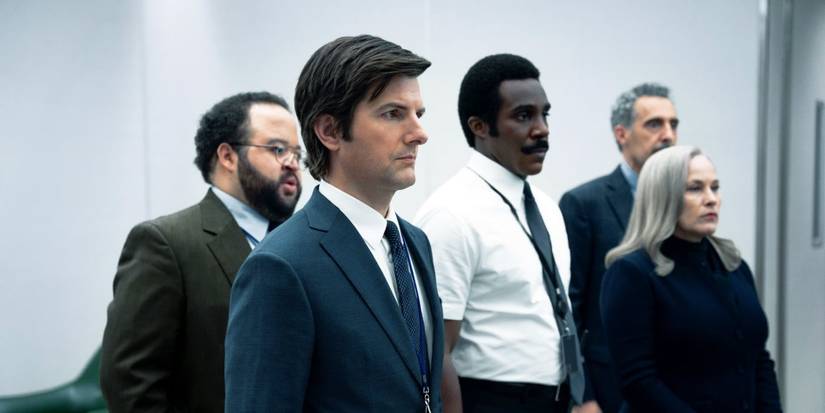 Image via Apple TV
There's a very strong argument to be made that Severance is the best Apple TV original show to date. Conceived of by creator and showrunner Dan Erickson during a period of depression, working a monotonous office job at a door factory, this workplace comedy/psychological thriller hybrid isn't easy to fit into any kind of genre box, but that tonal versatility is precisely the source of its charm.
Severance can be funny in all sorts of surreal, Terry Gilliam-esque ways, but it can also be nail-bitingly suspenseful and overwhelmingly dramatic whenever it needs to be. The performances are fantastic, the writing and directing of each episode are superb, and the many mysteries the show has set up are all so fascinating that it's hard not to be anxious to see what comes next. Two seasons into its run, Severance is already one of the biggest sci-fi TV masterpieces of the decade.
4 'Firefly' (2002–2003)
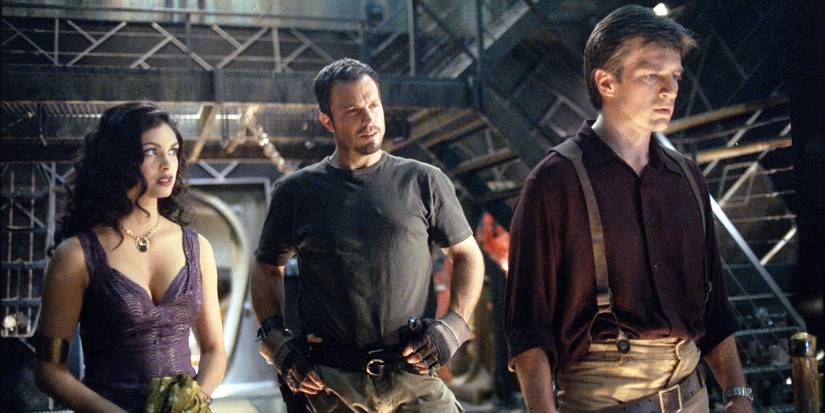 Image via FOX
Nowadays, Joss Whedon's Firefly is perhaps best known because it was canceled after only one season, in one of the most criminal decisions a network has made in the history of sci-fi television. But even setting aside the fact that the series was never allowed to reach its full potential, the fact that it's still one of the highest-rated sci-fi shows ever on IMDb speaks volumes about its quality.
It's one of the best action TV shows with only one season, arguably the television space Western par excellence. With one of the greatest ensemble casts in the history of modern sci-fi TV, Firefly is mainly focused on its irresistibly fun cast of characters. Full of sharp and witty dialogue, as well as absolutely exceptional production values, it's still essential viewing even all these many years after its unjust cancellation.
3 'Dark' (2017–2020)
 Image via Netflix
Netflix's first-ever German-language original show, Dark is undoubtedly one of the greatest dramas in the streaming giant's library, science fiction or otherwise. It's a delight that it came out during the era of streaming, too, because it's also one of the best sci-fi shows to rewatch. For those who love sci-fi at its most mind-bending and labyrinthine, Dark should prove to be a real treat.
But as intellectually challenging as it often is, Dark never feels like a chore, as it always makes sure to make its many mysteries and twists feel hugely rewarding. The whole three-season arc was clearly meticulously planned from the very start, because it's a virtually impeccable story imbued with such an engrossingly grim atmosphere that it's no exaggeration to say it's downright perfect.
2 'Battlestar Galactica' (2004–2009)
 Image via SyFy
There are many sci-fi shows that should never be remade, but the outdated '70s version of Battlestar Galactica was the type of sci-fi series begging for a reimagining. After the 2003 miniseries took the world by storm, the full-length show aired its pilot one year later. Everything that came after that makes this one of those few 2000s sci-fi shows that are true masterpieces.
What makes Battlestar Galactica such a sci-fi masterclass is that aside from being a delectably entertaining and technically exceptional space opera, it's also a deeply human, philosophically complex, and sociopolitically sharp work of art. Born out of the fear, uncertainty, and moral ambiguity of the post-9/11 years and the United States' national psyche during the War on Terror, it's very much a product of its time, but in the best way possible.
1 'Black Mirror' (2011–Present)
 Image via Netflix
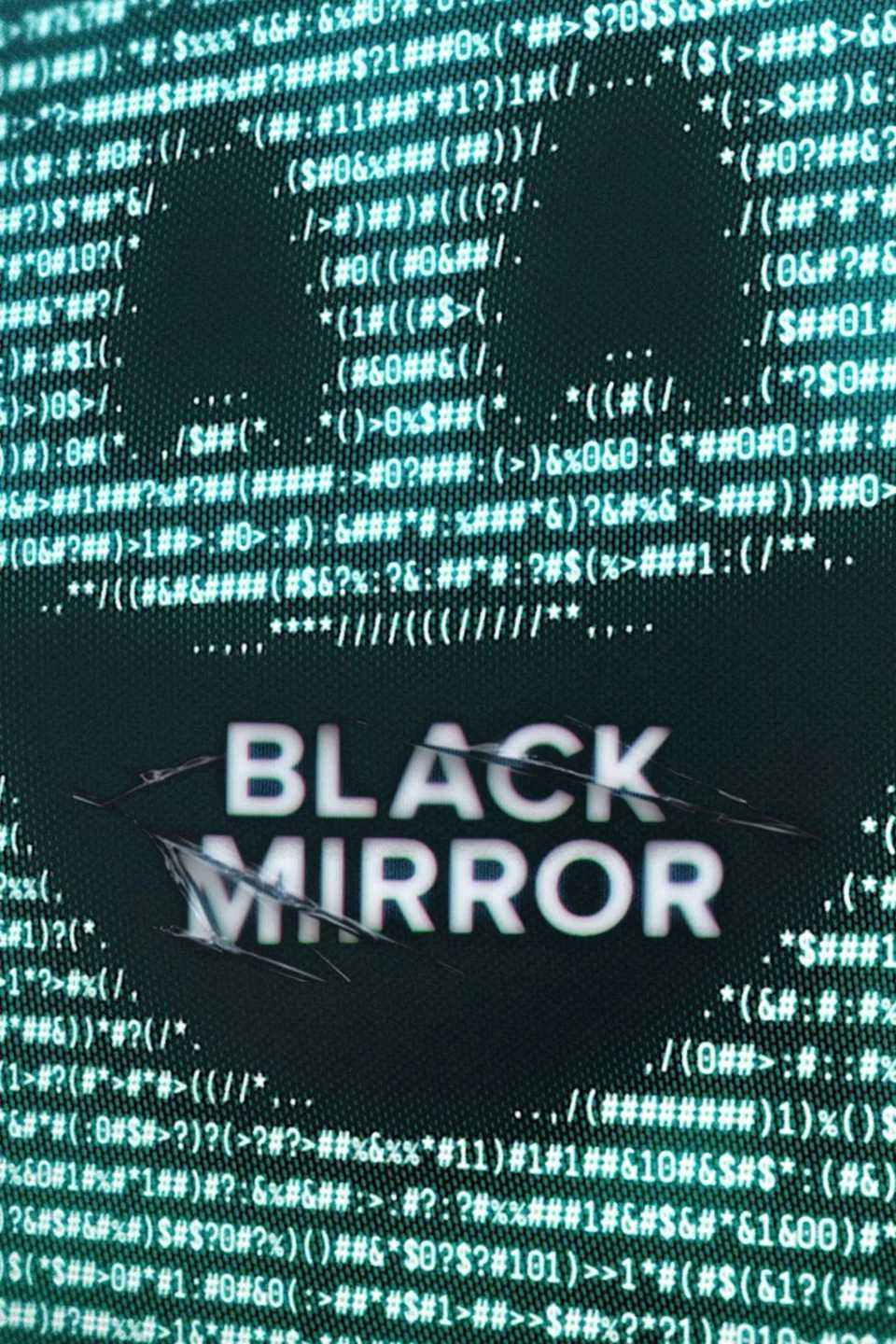
Black Mirror's first two seasons aired on the British network Channel 4, after which the series was acquired by Netflix. In the years since, the show has arguably become the streaming giant's biggest pop culture sensation. Every generation gets its own version of The Twilight Zone, but Black Mirror is far more than just that: It's a perfect spiritual successor to Rod Serling's hyper-influential masterpiece, yes, but it has also proven to be hugely unique and influential itself.
Reflecting the many fears and anxieties of living in this modern digital world, Black Mirror is an all-out masterpiece in virtually every way that a sci-fi show possibly can be. It's one of those sci-fi shows with the most mind-bending plot twists, as well as several incredible performances and a series of banger script after banger script. It has revolutionized the anthology format for the 21st century, and it has proven to be the biggest televisual sci-fi masterpiece of the last 26 years.
Black Mirror
Release Date December 4, 2011
Network Channel 4, Netflix



 English (US) ·