
 Image via Netflix

Published May 3, 2026, 5:26 AM EDT
Jessica is a young writer from Brisbane, Australia. An avid consumer and lover of all things Film and TV, you will never tear her away from a screen. A tendency rooted from childhood, she once had dreams of becoming a member of the famed kids-band 'Hi-5'. Perhaps that's what pushed her to secure an education with a theater background. But now, as dreams evolved, her passions have turned to admiring performances from afar. Frankly, she's just grateful that she can put her binging skills to good use. Outside of work, Jessica recently completed her undergraduate double degree in Arts/Communications at the University of Queensland. Other than that, she spends most of her free time with family and friends, probably never forgetting to talk about the new movie or show she watched the day prior.
Sign in to your Collider account
For better or worse, Netflix changed the television game with its streaming format. And even now, over the last decade, it has continued to produce some of the most defining shows of the modern TV era. From psychological thrillers and ambitious sci-fi to animated masterpieces and brutally sharp character studies, these shows have shaped the way people watch and talk about television.
Of course, with that sheer volume comes plenty of inconsistency as Netflix has also become infamous for canceling many great shows. But when the platform gets it right, it really gets it right. So why not celebrate its greatest achievements of the last 10 years? After all, these are the shows that didn't just dominate the cultural conversation; they genuinely pushed the medium forward through their bold storytelling, unforgettable performances, and creative artistic risks.
10 'Beef' (2023–Present)
 Image via Netflix
What begins as a minor road rage incident between struggling contractor Danny Cho (Steven Yeun) and entrepreneur Amy Lau (Ali Wong) spirals into an all-consuming feud. Determined to outdo one another, the two strangers become increasingly entangled in each other's lives, with their escalating acts of revenge bleeding into their relationships, careers, and sense of self.
In a world filled with petty aggression, Beef made its mark by peeling back the tale's absurdity by revealing something far more uncomfortable. Danny and Amy aren't just fighting each other—they're lashing out at the quiet dissatisfaction that defines their lives. The result? A series that walks a tightrope between dark comedy and emotional unraveling, culminating in a finale that strips everything back to raw vulnerability. It's messy, painfully honest, and unexpectedly tender.
9 'Ozark' (2017–2022)
 Image via Netflix
After a money-laundering scheme for a Mexican cartel goes wrong, financial advisor Marty Byrde (Jason Bateman) relocates his family to the Missouri Ozarks in a desperate bid to keep them alive. Alongside his increasingly involved wife Wendy (Laura Linney), Marty is forced to build a new criminal operation from the ground up, forging alliances with local criminals—all while staying one step ahead of both enforcement and cartel retaliation.
As an award-winning gem, what elevates Ozark is how it tracks the moral erosion of its central family with unnerving precision. Marty may be the one with the plan, but Wendy's growing appetite for power becomes the show's most fascinating turn, shifting the dynamic in ways that feel both shocking and inevitable. The tension rarely lets up, but it's the character transformations that give the series its staying power. Of course, much of that is attributed to the stellar performances from the Netflix show's cast members.
8 'The Haunting of Hill House' (2018)
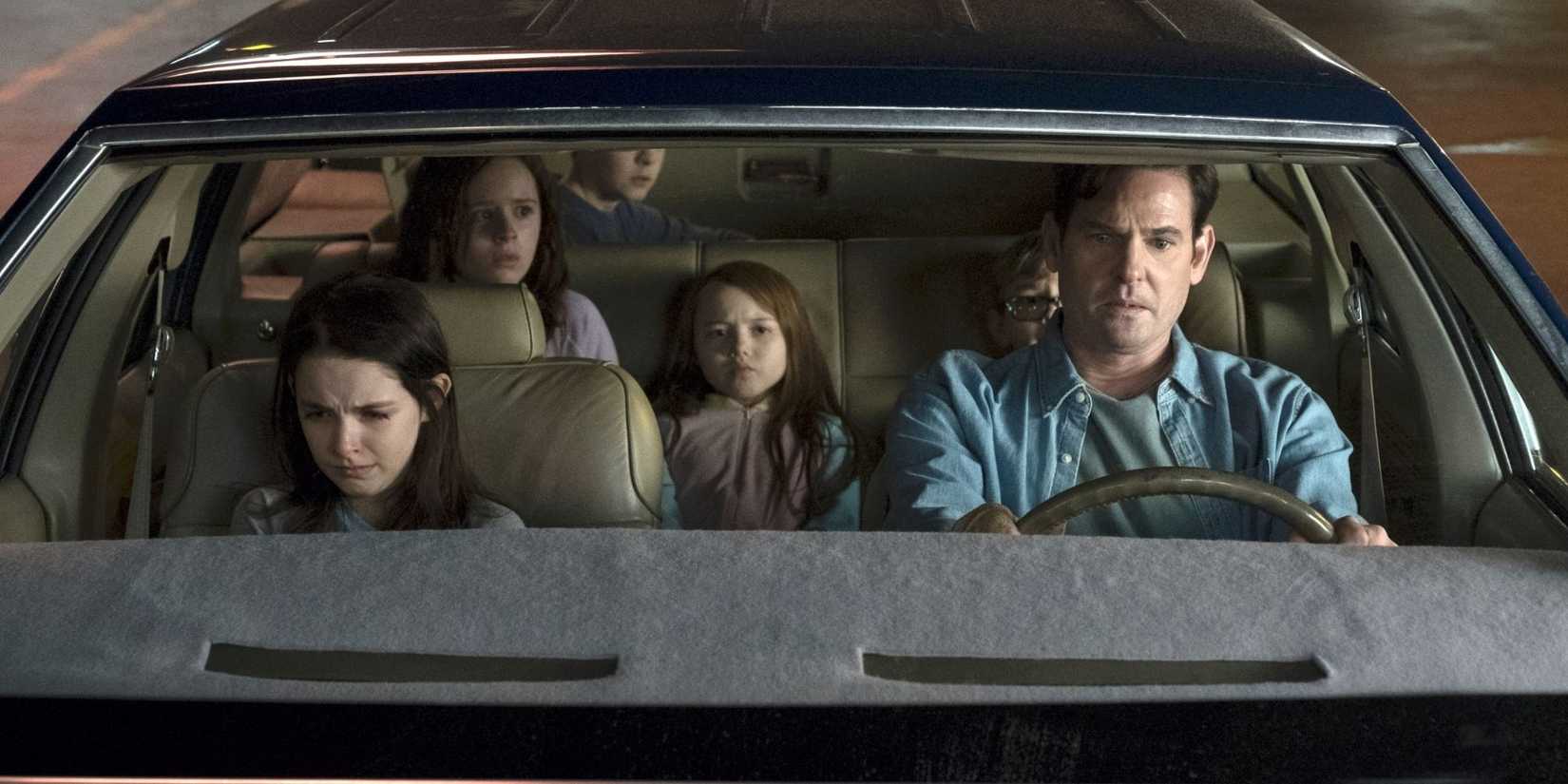 Image via Netflix
Spanning across two timelines, the Crain family grapples with the lasting trauma of their childhood spent in a deeply haunted mansion. Years later, now as adults, the siblings are forced back together after a tragedy, each still carrying their own fractured memories of what really happened inside of Hill House.
While the show's jump scares are iconic, what lingers longer is how deeply the horror is rooted in grief. Indeed, every ghost and every haunting feels tied to something unresolved — whether that's loss, guilt, addiction, or regret. This is what makes the supernatural elements feel almost secondary to the emotional weight. In many ways, it's the quiet reckonings that become the most devastating moments of The Haunting of Hill House. Leave it to Mike Flanagan to produce horrors that understand how the real terror lies in what we carry with us.
7 'Mindhunter' (2017–2019)
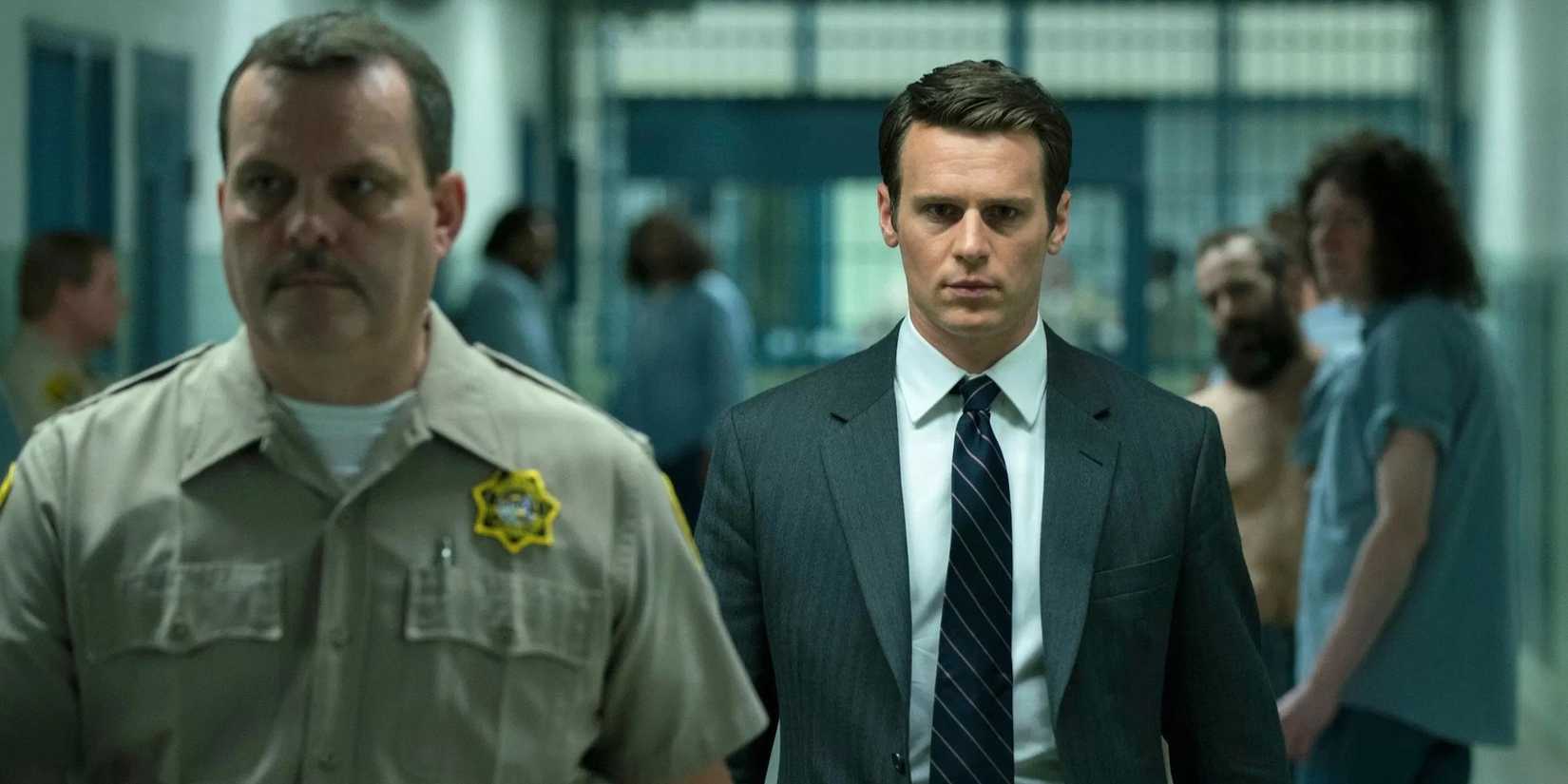 Image via Netflix
Set in the late 1970s, FBI agents Holden Ford (Jonathan Groff) and Bill Tench (Holt McCallany) develop criminal profiling techniques by interviewing incarcerated serial killers. Later joined by a psychologist, the team attempts to reshape how law enforcement understands violent behavior, often putting themselves in unsettling proximity to the minds they're studying.
Rather than following in the footsteps of other crime shows and sensationalizing violence, Mindhunter finds its tension in the simplicity of conversation. The interviews are chilling not because of what's shown, but because of what's said (and what is implied). And given that this was produced by David Fincher, it's no surprise that these intellectual sparring matches are both atmospheric and deeply unsettling. Add in the gripping performances, and you've got one of the best psychological dramas of all time. How it fell victim to Netflix's abrupt cancellations is still baffling to this day.
6 'The Crown' (2016–2023)
 Image via Netflix
Chronicling the reign of Queen Elizabeth II, The Crown explores the personal and political challenges faced by the British royal family over several decades. From early struggles with duty and identity to later crises involving marriage, scandal, and public perception, the show blends historical events with intimate character drama.
While most can recognize the symbolic weight of the English monarchy, The Crown adds new dimensions as it focuses on humanizing the people behind the system. Throughout every season, Elizabeth is often positioned as both figurehead and prisoner, with her personal desires repeatedly sacrificed for the sake of stability and tradition. It's less about spectacle (even though its grandeur is spectacularly replicated) and more about human restraint—how power is preserved, and what's quietly lost in the process, even if the cost is family.
Collider Exclusive · Sci-Fi Survival Quiz Which Sci-Fi World Would You Survive? The Matrix · Mad Max · Blade Runner · Dune · Star Wars
Five universes. Five completely different ways the future went wrong — or sideways, or up in flames. Only one of them is the world your instincts were built for. Eight questions will figure out which dystopia, galaxy, or desert wasteland you'd actually make it out of alive.
💊The Matrix
🔥Mad Max
🌧️Blade Runner
🏜️Dune
🚀Star Wars
TEST YOUR SURVIVAL →
01
You sense something is deeply wrong with the world around you. What do you do? The first instinct is often the truest one.
APull on every thread until I understand the system — then figure out how to break it. BStop asking questions and start stockpiling — food, fuel, weapons. Questions don't keep you alive. CKeep my head down, observe carefully, and trust no one until I know who's pulling the strings. DStudy the patterns. Every system has a rhythm — learn it, and you learn how to survive it. EFind the people fighting back and join them. You can't fix a broken galaxy alone.
NEXT QUESTION →
02
In a world of scarcity, what resource do you guard most fiercely? What we protect reveals what we believe survival actually requires.
AKnowledge. If you understand the system, you don't need resources — you can generate them. BFuel. Everything else — movement, power, escape — runs on it. CTrust. In a world of fakes and informants, a truly reliable ally is rarer than any commodity. DWater. And after water, information — the two things empires are truly built on. EShips and credits. The galaxy is big — you survive it by being able to move through it freely.
NEXT QUESTION →
03
What kind of threat keeps you up at night? Fear is useful data — if you're honest about what you're actually afraid of.
AThat reality itself is a lie — that everything I experience has been constructed to keep me compliant. BA raid. No warning, no mercy — just the roar of engines and then nothing left. CBeing identified. Once someone with power decides you're a problem, you're already out of time. DBeing outmanoeuvred — losing a political game I didn't even know I was playing. EThe Empire tightening its grip until there's nowhere left to run.
NEXT QUESTION →
04
How do you deal with authority you don't trust? Every dystopia has a power structure. Your approach to it determines everything.
ASubvert it from the inside — learn its rules well enough to weaponise them against it. BIgnore it and stay out of its reach. The further from any power structure, the better. CAppear to comply while doing exactly what I need to do. Visibility is the enemy. DManoeuvre within it carefully. You can't beat a system you refuse to understand. EResist openly when I have to. Some things are worth the risk of being seen.
NEXT QUESTION →
05
Which environment could you actually endure long-term? Survival isn't just tactical — it's physical, psychological, and very much about where you are.
AUnderground bunkers and server rooms — cramped, artificial, but with access to everything that matters. BOpen wasteland — brutal sun, no shelter, constant movement. At least the threat is honest. CA dense, rain-soaked city where you can disappear into the crowd and nobody asks questions. DMerciless desert — extreme heat, no water, and something enormous living beneath the sand. EThe fringe — backwater planets and busy spaceports where the Empire's attention rarely reaches.
NEXT QUESTION →
06
Who do you want in your corner when things fall apart? The company you keep is the clearest signal of who you actually are.
AA tight crew of believers who've seen behind the curtain and have nothing left to lose. BOne or two people I'd trust with my life. Any more than that and someone talks. CNobody, ideally. Alliances are liabilities. I work alone unless I have no choice. DA community bound by shared hardship and mutual survival — people who need each other to last. EA ragtag team with wildly different skills and total commitment when it counts.
NEXT QUESTION →
07
Where do you draw the line — if you draw one at all? Every survivor eventually faces a moment that tests what they're actually made of.
AI won't harm the innocent — even the ones who'd report me without hesitation. BI do what I have to to protect the people I've chosen. Everything else is negotiable. CThe line shifts depending on who's asking and what's at stake. DI draw a long-term line — nothing that compromises my people's future, even if it'd help now. ESome lines, once crossed, can't be uncrossed. I know which ones they are.
NEXT QUESTION →
08
What would actually make survival worth it? Staying alive is one thing. Having a reason to is another.
AWaking others up — dismantling the illusion so no one else has to live inside it. BFinding somewhere — or someone — worth protecting. A reason to keep moving. CAnswers. Understanding what I am, what any of this means, before time runs out. DLegacy — shaping the future in a way that outlasts me by generations. EFreedom — for myself, for others, for every world still living under someone else's boot.
REVEAL MY WORLD →
Your Fate Has Been Calculated You'd Survive In…
Your answers point to the world your instincts were built for. This is the universe your temperament, your survival instincts, and your particular brand of stubbornness were made for.
The Matrix
You took the red pill a long time ago — probably before anyone offered it to you. You're a systems thinker who can't help but notice the seams in things.
- You're drawn to understanding how the system works before figuring out how to break it.
- You'd find the Resistance, or it would find you — your instinct for spotting constructed realities is the machines' worst nightmare.
- You function best when you have access to information and the freedom to act on it.
- The Matrix built an airtight prison. You'd be the one probing the walls for the door.
Mad Max
The wasteland doesn't reward the clever or the well-connected — it rewards those who are hard to kill and harder to break. That's you.
- You don't need comfort, community, or a cause larger than the next horizon.
- You need a vehicle, a clear threat, and enough fuel to outrun it — and you're good at all three.
- You are unsentimental enough to survive that world, and decent enough — just barely — to be something more than another raider.
- In the wasteland, that distinction is everything.
Blade Runner
You'd survive here because you know how to exist in moral grey areas without losing yourself completely.
- You read people accurately, keep your circle small, and ask the questions others prefer not to answer.
- In a city where humanity is a legal designation rather than a feeling, you hold onto something that keeps you functional.
- You're not a hero. But you're not lost, either.
- In Blade Runner's world, that distinction is everything.
Dune
Arrakis is the most hostile environment in the known universe — and you are precisely the kind of person it rewards.
- Patience, discipline, and political awareness are your core strengths — and on Arrakis, they're survival tools.
- You understand that the long game matters more than any single victory.
- Others come to Dune and are consumed by it. You'd learn its logic and earn its respect.
- In time, you wouldn't just survive Arrakis — you'd begin to reshape it.
Star Wars
The galaxy far, far away is vast, loud, and in a constant state of violent political upheaval — and you wouldn't have it any other way.
- You find meaning in being part of something larger than yourself — a cause, a crew, a rebellion.
- You'd gravitate toward the Rebellion, or the fringes, or whatever pocket of the galaxy still believes the Empire's grip can be broken.
- You fight — not because you have to, but because standing aside isn't something you're capable of.
- In Star Wars, that willingness is what makes all the difference.
↻ RETAKE THE QUIZ
5 'Squid Game' (2021–2025)
.JPG?q=70&fit=crop&w=825&dpr=1) Image via Netflix
Image via NetflixDesperate to attain financial relief after swimming in gambling debt, Seong Gi-hun (Lee Jung-jae) joins hundreds of other contestants in a series of deadly games for the chance to win a life-changing cash prize. Each round is based on childhood games, twisted into brutal survival challenges where losing means death.
Squid Game's impact isn't just due to the "mainstreamification" of non-English projects or the thrill of its high-concept premise—it's how ruthlessly the show interrogates the system behind it. Every deadly challenge in Squid Game strips away another layer of morality, revealing how desperation and greed can reshape people in ways they never imagined. Gi-hun's journey anchors the chaos, grounding the spectacle in something deeply human. And while there are glaring issues with its final seasons, there's no denying the importance of it uncomfortably reflecting the inequalities of society.
4 'Stranger Things' (2016–2025)
 Image via Netflix
Set in the 1980s town of Hawkins, Indiana, the disappearance of a young boy throws the community into complete disarray. Desperate to find him, his friends, family, and even local authorities look into the mystery, which somehow leads them to discover secret government experiments and a parallel dimension filled with monsters. They even encounter a girl with powerful abilities who becomes central to their fight against the growing threat.
While there are parts of Stranger Things that certainly feel like nostalgia bait, it's the emotional core that lingers within the cultural zeitgeist. In particular, the friendships at the center that evolve alongside the characters. And while the scale increases with each season (sometimes unnecessarily so), it's the quieter moments—the hangouts, the losses, the sense of growing up—that give the spectacle its weight. Yes, the final season was pretty all over the place, but the show still reigns supreme for its rare blend of genre storytelling and heartfelt coming-of-age.
3 'Arcane' (2021–2024)
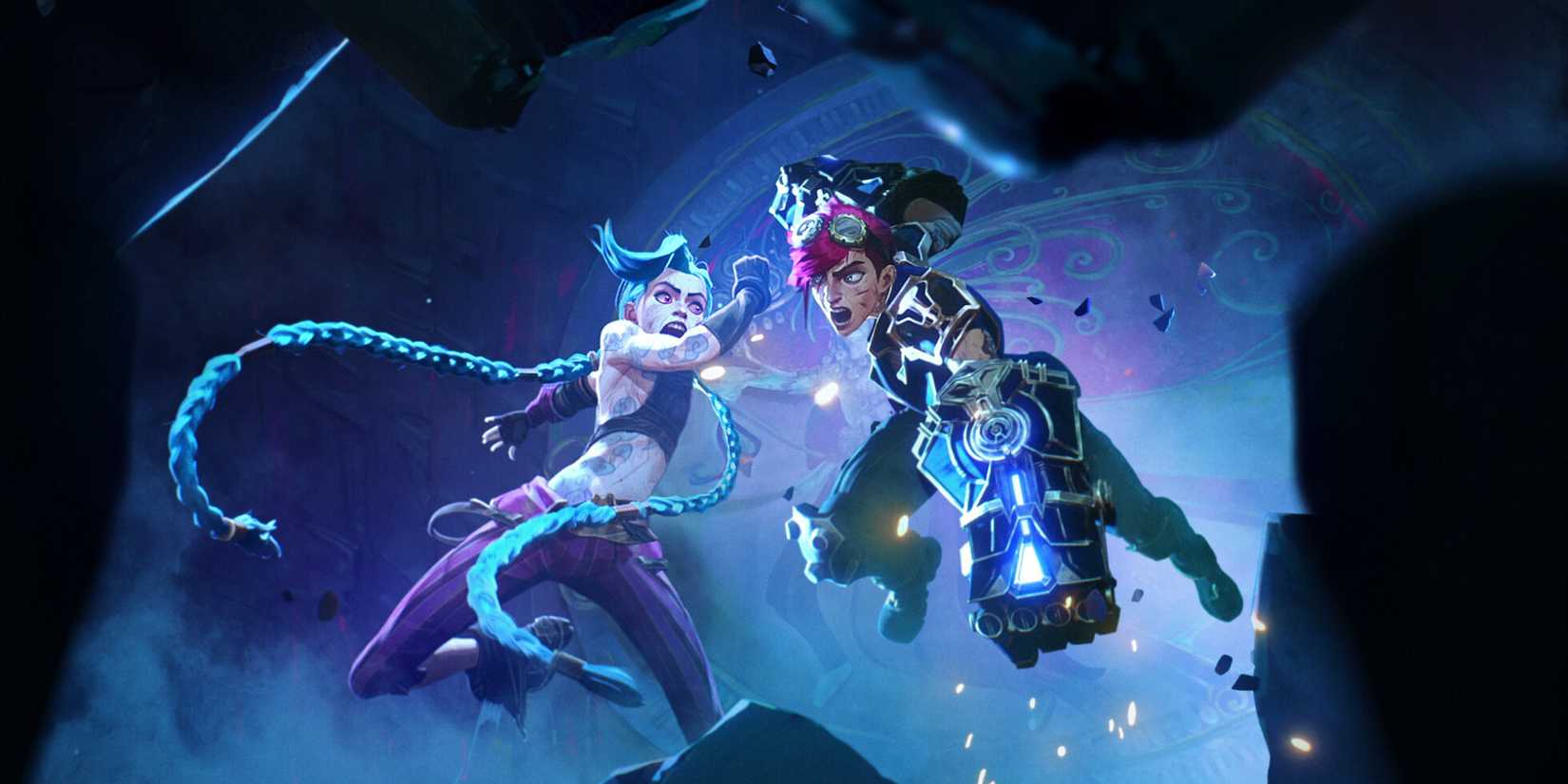 Image via Netflix
Set in the divided cities of Piltover and Zaun, sisters Vi (Hailee Steinfeld) and Jinx (Ella Purnell) find themselves on opposite sides of a growing conflict fueled by class division and political unrest. As tensions escalate, alliances shift, and new technologies threaten to destabilize the fragile balance between the two worlds.
What sets Arcane apart is how seamlessly it blends spectacle with emotional depth. Yes, the visuals are absolutely stunning, but it's the character work that truly resonates—particularly the tragic evolution of Jinx, whose descent feels both inevitable and heartbreaking. Indeed, the show refuses to draw clean lines between right and wrong, instead presenting a world shaped by perspective and consequence. It's ambitious, striking, and emotionally grounded in a way few animations achieve. A true gem of its genre.
2 'Dark' (2017–2020)
 Image via Netflix
When a young boy disappears in a small German town of Widen, a complex, multi-generational mystery unravels—all of which include time travel, hidden identities, and interconnected families. But as the investigation deepens, it soon becomes clear that past, present, and future are inextricably linked, with events repeating in cycles that seem impossible to break.
As one of the most criminally underrated shows of the last decade, Dark proves to be the most rewarding sci-fi by committing to the tale's complexity, without ever losing emotional clarity. There's no hand-holding here. Beneath the intricate plotting and bootstrap paradoxes, audiences are expected to unravel its deeply human story that's all about fate, choice, and the desire to change what feels inevitable. What follows is a show with an airtight arc with minimal (if not any) plot holes in sight. Yes, it may be heavy—but it's never hollow.
1 'Adolescence' (2025)
 Image via Netflix
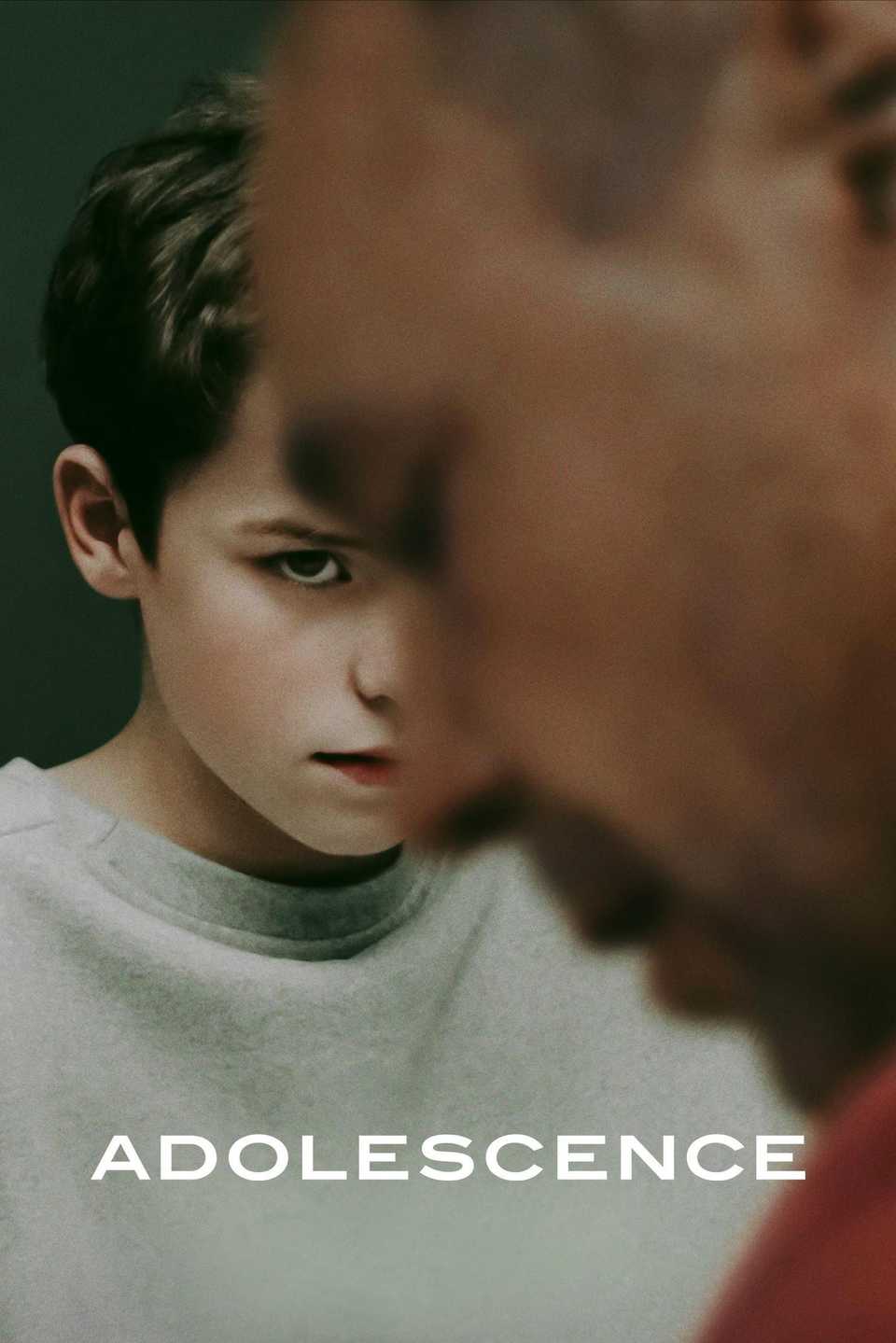
When 13-year-old Jamie Miller (Owen Cooper) is arrested for the murder of a girl from his school, his family is thrown into a nightmare they can barely comprehend. As the investigation unfolds, the show shifts between police interviews, family breakdowns, and the wider social forces surrounding the case, forcing everyone involved to confront uncomfortable questions about responsibility and influence.
Seen as a "whydunnit" rather than a "whodunnit," there's no doubt Adolescence made waves with its brutal honesty. Rather than treating Jamie as a simple villain or victim, the show digs into the unsettling gray areas of modern adolescence: online radicalization, emotional isolation, the toxic reshaping of masculinity, and the quiet failures of child protection. The show is also a major creative feat, not just in its groundbreaking performances, but in the fact that every episode is filmed as a single long take. It's intimate, unsettling, and painfully timely, turning one family tragedy into a much larger reflection of the world young people are growing up in. A masterpiece in miniseries storytelling.
Adolescence
Release Date March 13, 2025
Network Netflix
Directors Philip Barantini



 English (US) ·