
A defining spark of 1940s cinema, film noir made an indelible imprint on the form with its bleak, pessimistic drama, astonishing visual style defined by harsh shadows and expressionistic lighting, and elaborate, intricate mysteries shrouded in impulse, conceit, and duplicity. 30 years after the genre’s heyday, a new iteration emerged in the form of the neo-noir films of the 1970s, typically armed with a greater appetite for violence, sexuality, and social criticism.
While limiting this list to just the last 50 years eliminates several masterpieces—Chinatown, The Long Goodbye, and Night Moves among them—the greatest neo-noir hits since ‘76 still illustrate the grandeur and grit of the genre. From classics that stand among the greatest films of the past half-century, to underrated gems that epitomize neo-noir suspense in all its glory, these movies are the finest neo-noir pictures made since 1976.
10 'L.A. Confidential' (1997)
 Image via Warner Bros. Pictures
There has perhaps been no truer realization of film noir in recent decades than L.A. Confidential, a film made in the exact mold of neo-noir’s foundations while hearkening back to the era that birthed noir cinema to begin with. Transpiring in Los Angeles in 1953, it follows three LAPD detectives, each with their own motives, methods, and obsessions, as their investigation of murders unearths not only newfound evidence and a growing list of suspects, but corruption within their own department as well.
Complemented by immaculate period detail and an engrossing emphasis on the detectives' psychology, it flawlessly balances the cynical coarseness of the genre’s pioneering masterpieces with a decisively modern eye towards police corruption. Also bolstered by a litany of exceptional performances, an addictively twisty story, and a fierce deconstruction of the rot beneath the glamour of Los Angeles, L.A. Confidential is a stunning treat of neo-noir purism, as well as a gem of '90s cinema.
9 'Blood Simple' (1984)
 Image via Circle Films
The Coen Brothers have been at the forefront of neo-noir cinema over the past 40 years, often meshing the genre with elements of black comedy, existentialism, and heart-racing tension. Their purist work in neo-noir is also their feature film debut, the criminally underrated Blood Simple. It unfurls with a litany of violent twists and turns as a Texas bar owner discovers his wife is having an affair with his bartender and hires a P.I. to kill them.
Paranoia, skepticism, and miscommunication drive the story. It all culminates in a spectacle of ever-mounting suspense strengthened by its absorbing style, a wicked treat of murderous passion and macabre plotting that unfolds in the sun-baked, neon-lit grit of rural Texas. Bleak yet breathtaking, Blood Simple captivates from beginning to end as a triumph of independent cinema and a noteworthy highlight of neo-noir in the 1980s.
8 'Blue Velvet' (1986)
There is perhaps no director as attuned to the enigmatic allure and visual style of neo-noir as David Lynch, who produced one of the greatest and most deranged hits of the '80s in Blue Velvet. Following the discovery of a severed ear near his family home, Jeffrey (Kyle MacLachlan) starts working with a detective’s daughter to investigate, thus embarking on a tumultuous road of discovery and depravity as they get closer to an ensnaring lounge singer and sexually disturbed crime boss.
Like many of Lynch’s films, Blue Velvet refuses to give up easy answers. However, it engulfs viewers nonetheless with its rich atmospheric pull, born from a uniquely stunning combination of violence, style, and tension, and its array of exceptionally striking performances. It doesn’t hesitate to take the genre to its darkest and most traumatizing depths, making for a marvelously macabre descent into surrealism and suspense that defines the genre at its most daring and relentless.
7 'Se7en' (1995)
.jpg?q=49&fit=crop&w=825&dpr=2) Image via New Line Cinema
Image via New Line CinemaTaking the sour and cynical soul of 1940s noir and implementing it into a modern urban setting, Se7en is a perfect example of neo-noir cinema at its most resonant and disturbing. Shrouded in a grimy atmosphere of social rot realized with sickly green hues and a pressing sense of claustrophobia, it follows two detectives as they investigate a serial killer motivated by the seven deadly sins.
The shocking climax may be the most memorable sequence, but Se7en is a procession of masterfully constructed mystery suspense that plunges viewers into the vile evil that humanity is capable of with unflinching conviction and often frightful imagery. David Fincher's masterpiece remains one of the most revered and intensely discussed movies of the 1990s, and will endure for many decades to come as one of the greatest neo-noir thrillers ever made.
6 'Memento' (2000)
 Image via Newmarket Films
Directed by Sir Christopher Nolan, Memento is famous for its reverse-chronological storytelling. The movie unfolds backwards in time as anterograde amnesiac Leonard Shelby (Guy Pearce) hunts down the man who murdered his wife, using tattoos and Polaroid pictures to keep track of breakthroughs as he battles his inability to form new memories. Underneath this bewildering and mind-bending trick, however, resides an absorbing, enigmatic tale of morality, duplicity and mystery that encapsulates the very essence of neo-noir suspense.
The film is masterfully conceived and constructed. The reverse narrative never feels like a gimmick, instead excelling as a narrative device that places the audience in Leonard’s confounded and suspicious headspace, with every revelation casting doubt on the truth of the vengeance he exacted. Even with a relatively small ensemble of characters, Memento weaves an elaborate web of manipulation and violence. It then grinds to a ferocious halt with a magnificently twisted finale that encompasses noir’s penchant for fatalism and doomed anti-heroes with utter perfection.
5 'Drive' (2011)
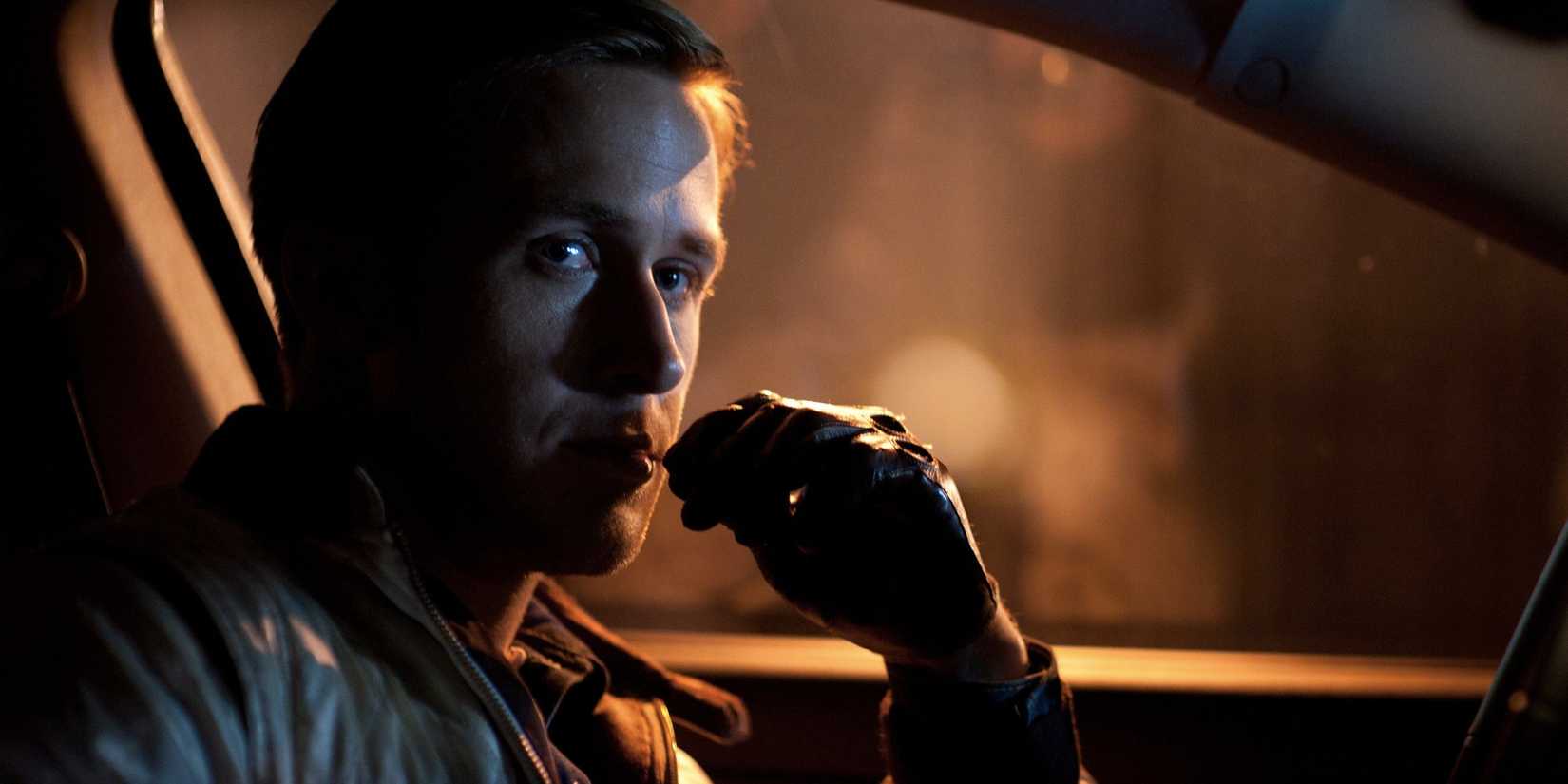 Image via FilmDistrict
Neo-noir isn’t just about style and atmosphere, but when it is, it can be unbelievably transfixing. That is the case with Drive, a 2011 crime thriller from Nicolas Winding Refn that basks in the visual divinity of the genre. The film creates a gorgeous image of a neon-drenched L.A. underworld that marries the grimy darkness of classic noir with a synth-pop dreamscape that hearkens to the stylistic allure of the 1980s.
Ryan Gosling stars as an unnamed getaway driver who finds himself embroiled in a web of violence and betrayal when he falls in love with his neighbor and agrees to work a doomed job to help her recently released con husband pay off a prison debt. Drive captures a sense of tragedy within its slow-burn crime chaos, wafting as a modern fairy tale of sorts soaked in the vibrancy and viciousness of organized crime. Even as a cult classic, it is one of the more underrated movies of the 21st century thus far, as well as a stunning example of neo-noir at its most visually arresting.
4 'Mulholland Drive' (2001)
 Image via Universal Pictures
Marking another David Lynch masterpiece, Mulholland Drive is perhaps the director’s most esteemed and universally admired picture. This haunting mystery of identity and surrealism exchanges the genre’s penchant for grizzled detectives and amoral crooks for a bleak analysis of the corruption of Hollywood. While its narrative thread is difficult to define, it revolves around Diane (Naomi Watts), a buoyant actress with dreams of stardom, as she helps the amnesiac Rita (Laura Harring) track down details regarding her past life.
The dreamlike splendor of both its visual allure and its wafting storytelling craft a noir gem that is utterly hypnotic, albeit ceaselessly perplexing. It deconstructs the nature of the femme fatale archetype as it evolves, emphasizing the dark moral decay of the entertainment business. Mulholland Drive is a masterclass in winding mysticism and cinematic style that stands tall among the greatest movies of the century so far.
Collider Exclusive · Oscar Best Picture Quiz
Which Oscar Best Picture
Is Your Perfect Movie?
Parasite · Everything Everywhere · Oppenheimer · Birdman · No Country
Five Oscar Best Picture winners. Five completely different visions of what cinema can be — and what it can do to you. One of them is the film that was made for the way your mind works. Ten questions will figure out which one.
🪜Parasite
🌀Everything Everywhere
☢️Oppenheimer
🐦Birdman
🪙No Country for Old Men
FIND YOUR FILM →
01
What kind of film experience do you actually want? The best movies don't just entertain — they leave something behind.
ASomething that pulls the rug out — that makes me think I'm watching one kind of film and then reveals I'm watching another entirely. BSomething overwhelming — funny, sad, absurd, and genuinely moving, all at once. CSomething grand and weighty — a film that makes me feel the full scale of what I'm watching. DSomething formally daring — a film that pushes what cinema can even do. ESomething lean and relentless — pure tension with no wasted frame.
NEXT QUESTION →
02
Which idea grabs you most in a film? Great films are driven by a central obsession. What's yours?
AClass, inequality, and what people are willing to do when desperation meets opportunity. BIdentity, family, and the chaos of trying to hold your life together when everything is falling apart. CGenius, moral responsibility, and the catastrophic weight of a decision you can never take back. DEgo, legacy, and the terror of becoming irrelevant while you're still alive to watch it happen. EEvil, chance, and whether moral order actually exists or if we just tell ourselves it does.
NEXT QUESTION →
03
How do you like your story told? Form is content. The way a story is shaped changes what it means.
AGenre-twisting — I want it to start in one lane and migrate into something completely different. BMaximalist and genre-blending — comedy, action, drama, sci-fi, all in one ride. CEpic and non-linear — cutting between timelines, building a mosaic of cause and consequence. DA single unbroken flow — I want to feel like I'm living it in real time, no cuts to safety. ESpare and precise — every scene doing exactly what it needs to do and nothing more.
NEXT QUESTION →
04
What makes a truly great antagonist? The opposition defines the protagonist. What kind of opposition fascinates you?
AA system — invisible, structural, and almost impossible to fight because it has no single face. BThe self — the ways we sabotage, abandon, and fail the people we love most. CHistory — the unstoppable momentum of events that no single person can stop or redirect. DThe industry — the machinery of culture that chews up talent and spits out irrelevance. EPure, implacable evil — a force so certain of itself it becomes almost philosophical.
NEXT QUESTION →
05
What do you want from a film's ending? The final note is the one that lingers. What do you want it to sound like?
AShock and inevitability — a conclusion that recontextualises everything that came before it. BEarned emotion — I want to cry, laugh, and feel genuinely hopeful, even if the world is a mess. CDevastation and grandeur — an ending that makes me sit in silence for a few minutes after. DAmbiguity — something that leaves enough open that I'm still thinking about it days later. EBleakness — an honest refusal to pretend the world is tidier than it actually is.
NEXT QUESTION →
06
Which setting pulls you in most? Where a film takes place shapes everything — mood, stakes, what's even possible.
AA gleaming modern city with a hidden underside — beauty masking rot, wealth masking desperation. BA collapsing suburban life that opens onto something infinite — the multiverse of a single ordinary person. CThe corridors of power and science at a world-historical turning point — where decisions echo for decades. DThe grimy, alive chaos of New York and Hollywood — fame as both destination and trap. EVast, indifferent landscape — desert and highway where violence arrives without warning or reason.
NEXT QUESTION →
07
What cinematic craft impresses you most? Every great film has a signature — a technical or artistic element that makes it unmistakable.
AProduction design and mise-en-scène — every frame composed to carry meaning beneath the surface. BEditing and tonal control — the ability to move between registers without losing the audience. CScore and sound design — music that becomes inseparable from the dread and awe of what you're watching. DCinematography as performance — the camera not recording events but participating in them. ESilence and restraint — what's left unsaid and unshown doing more work than any dialogue could.
NEXT QUESTION →
08
What kind of main character do you root for? The protagonist is the lens. Who you choose to follow says something about you.
ASomeone smart and resourceful who makes increasingly dangerous decisions under pressure. BSomeone overwhelmed and ordinary who turns out to be capable of something extraordinary. CA brilliant, tortured figure whose gifts and flaws are inseparable from each other. DA self-destructive artist whose ego is both their superpower and their undoing. EA quiet, principled person trying to make sense of a world that has stopped making sense.
NEXT QUESTION →
09
How do you feel about a film that takes its time? Pace is a choice. Some films sprint; others let tension accumulate slowly, deliberately.
AI love a slow build when I know the payoff is going to be seismic — patience for a devastating reveal. BGive me relentless momentum — I want to feel breathless and emotionally spent by the end. CEpic runtime doesn't scare me — if the material demands three hours, give me three hours. DI want it to feel propulsive even when nothing is technically happening — restless energy throughout. EDeliberate and unhurried — I want dread to accumulate in the spaces between the action.
NEXT QUESTION →
10
What do you want to feel walking out of the cinema? The best films leave a mark. What kind of mark do you want?
AUnsettled — like I've just seen something I can't fully explain but can't stop thinking about. BMoved and energised — like the film reminded me what actually matters and gave me something to hold onto. CHumbled — like I've been in the presence of something genuinely important and overwhelming. DExhilarated — like I've just seen cinema doing something it's never quite done before. EHaunted — like a cold, quiet dread that stays with me for days.
REVEAL MY FILM →
The Academy Has Decided Your Perfect Film Is…
Your answers have pointed to one Oscar Best Picture winner above all others. This is the film that was made for the way your mind works.
Parasite
You are drawn to films that operate on multiple levels simultaneously — that begin in one genre and quietly, brilliantly migrate into another. Bong Joon-ho's Parasite is a film about class, desire, and the architecture of inequality that manages to be darkly funny, deeply suspenseful, and genuinely shocking across a single extraordinary running time. Your instinct is for cinema that hides its true intentions until the moment it's ready to reveal them. Parasite is exactly that — a film that rewards close attention and punishes assumptions, right up to its devastating final image.
Everything Everywhere All at Once
You want it all — and this film gives you all of it. The Daniels' Everything Everywhere All at Once is one of the most maximalist films ever made: action comedy, multiverse sci-fi, family drama, existential crisis, and a genuinely earned emotional core that sneaks up on you amid the chaos. You are someone who responds to ambition, who doesn't want cinema to choose between being entertaining and being meaningful. This film refuses that choice entirely. It is overwhelming by design, and its overwhelming nature is precisely the point — because the feeling of being crushed by infinite possibility is exactly what it's about.
Oppenheimer
You are drawn to cinema on a grand scale — films that understand history not as a backdrop but as a force, and that place their characters inside that force and watch what happens. Christopher Nolan's Oppenheimer is a film about the terrifying gap between what we can do and what we should do, told with the full weight of one of the most consequential moments in human history behind it. You want your films to feel important without feeling self-important — to earn their ambition through sheer craft and the gravity of their subject. Oppenheimer does exactly that. It is enormous, complicated, and refuses easy comfort.
Birdman
You are drawn to films that foreground their own construction — that make the how of the filmmaking part of the what it's about. Alejandro González Iñárritu's Birdman, shot to appear as a single continuous take, is cinema examining itself through the cracked mirror of a fading actor's ego. You respond to formal daring, to the feeling that a film is doing something that probably shouldn't be possible. Michael Keaton's performance and Emmanuel Lubezki's restless camera create something genuinely unlike anything else — a film that is simultaneously about creativity, relevance, self-destruction, and the impossibility of ever truly knowing if your work means anything at all.
No Country for Old Men
You are drawn to cinema that trusts silence, that refuses to explain itself, and that treats dread as a form of meaning. The Coen Brothers' No Country for Old Men is a film about the arrival of a new kind of evil — implacable, arbitrary, and utterly indifferent to the moral frameworks we use to make sense of the world. It is one of the most formally controlled films ever made, and its controlled restraint is what makes it so terrifying. You want your films to haunt you, not comfort you. You are not interested in resolution if resolution would be dishonest. No Country for Old Men is honest in a way that most cinema never dares to be.
↻ RETAKE THE QUIZ
3 'Memories of Murder' (2003)
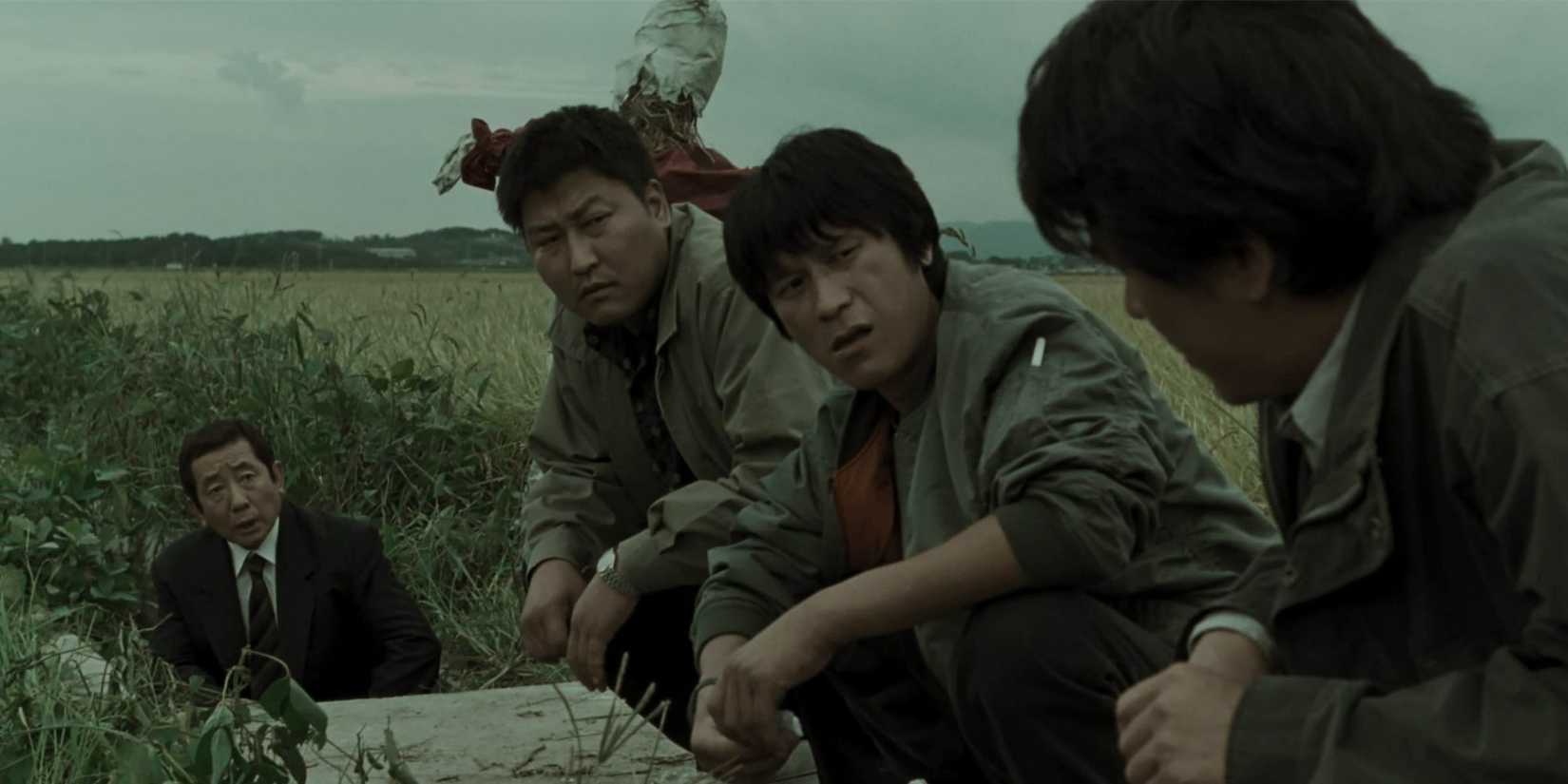 Image via CJ Entertainment
Proving that noir cinema expands far beyond America’s shores, Memories of Murder is the first of Bong Joon Ho’s many masterpieces. The South Korean film follows two regional cops and a detective from Seoul as they investigate a serial rapist and murderer in the province of Hwaseong. It is astounding how the film balances its morbid true-story basis against societal and systemic criticisms, contemplative character drama, and outbursts of slapstick comedy without losing focus and conviction.
Much of its brilliance resides in its atmosphere. Memories of Murder uses the rain-soaked greenery, winding tunnels, and muddy rice paddies of rural South Korea in much the same way that American noir films use the fog-drenched streets of major cities to establish the setting as a duplicitous and treacherous character in its own right. Also bolstered by its endeavor to pry into the psychological toll of police obsession and failure, the pitfalls of the human condition, and one of the most striking climaxes in cinematic history, Memories of Murder shines as a gem of neo-noir intrigue and as a highlight of international crime cinema.
2 'No Country for Old Men' (2007)
 Image via Miramax Films
Marrying elements of neo-Western drama, crime suspense, and neo-noir intrigue to produce a masterpiece of unyielding tension, No Country for Old Men is perhaps the crowning achievement of the Coen Brothers’ filmography. It is certainly one of the finest pictures the genre has seen, following Texan hunter Llewelyn Moss (Josh Brolin) as he is hunted by a psychotic cartel hitman after stealing a case of money from the scene of a shootout.
With its brutal and grim existentialism portraying the world as a cold and savage place, No Country for Old Men excels by pushing several integral tropes of noir cinema to the limit. Particularly, it enhances the genre’s knack for fatalist endings, depriving viewers of any sense of closure or catharsis. Ingeniously, the approach strengthens the story. The 2007 instant classic is a weary and relentlessly intense descent into ideas of criminal morality and law and order in an evolving world of evil and violence.
1 'Taxi Driver' (1976)
 Image via Columbia Pictures
2026 marks 50 years since Taxi Driver was released, and the Martin Scorsese masterpiece remains not only a defining title in neo-noir cinema, but one of the most iconic and ageless pictures the medium has ever seen. Whereas the noir movies of earlier decades explored ideas of loneliness and isolation through jaded cops and investigators, Taxi Driver applies the theme to the sense of alienation, disillusionment, and rejection many veterans faced in the aftermath of the Vietnam War.
Robert De Niro is unforgettable as Travis Bickle, a New York taxi driver whose simmering hatred for the world around him threatens to spill over into an eruption of violence that could be targeted at either a mayoral candidate or a pimp peddling underage girls. The city is treated as a labyrinth of corruption, immorality, and scandal, a neon-infused slum of notoriety. Even its ending, in which Bickle’s anti-heroic appetite for violence is misunderstood and glorified, spins fundamental noir ideas into something sinister and socially skewering. It makes Taxi Driver a devastating neo-noir character study that boils with suspense and darkness from start to finish.





 English (US) ·