
For a studio that began as the scrappy alternative to Disney, DreamWorks Animation has produced an astonishing number of unforgettable animated heroes, weirdos, underdogs, and scene-stealers over the last few decades. While the studio is often associated with wisecracking humor and celebrity voice casts, its best characters have always worked because they feel surprisingly human underneath all the talking animals, dragons, and con artists.
That approach helped films like Shrek, How to Train Your Dragon, and Chicken Run develop fanbases that lasted far beyond their original releases. DreamWorks has repeatedly created characters who remain iconic because they are so specific. Their personalities shape every joke, emotional moment, and ridiculous action sequence around them, which is exactly why audiences still love them.
Tulio And Miguel — The Road To El Dorado (2000)
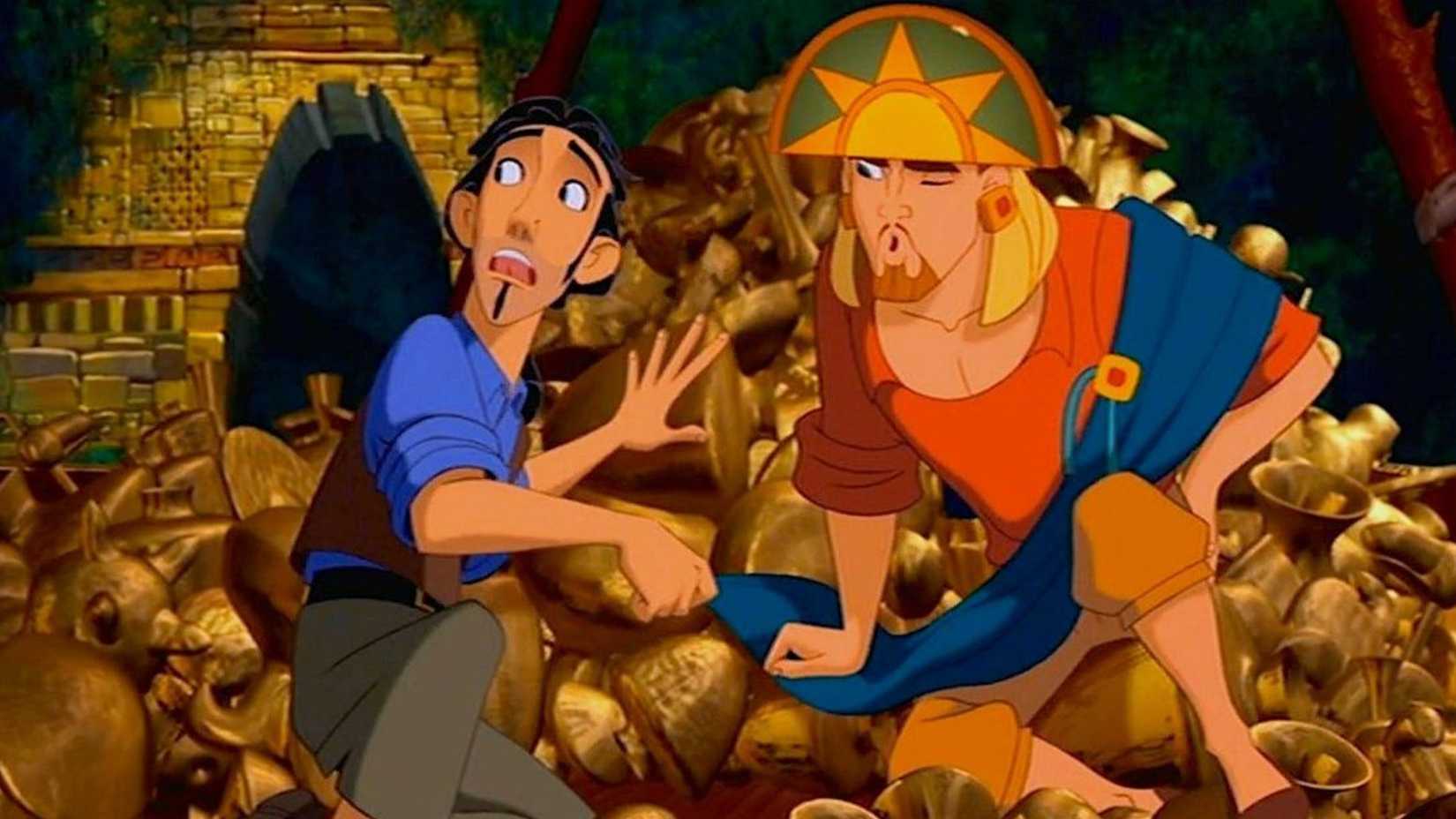
DreamWorks Animation somehow managed to make two completely irresponsible men endlessly charming for ninety straight minutes. Tulio and Miguel from The Road to El Dorado operate on pure, hapless instinct, which invariably proves misguided. Nevertheless, they have an unforgettable chemistry, driven by how much they complete each other.
Tulio is the anxious planner convinced every scheme is moments away from disaster, while Miguel barrels through life powered entirely by optimism and terrible impulse control. The Road to El Dorado’s funniest scenes, like the fake god routine and the chaotic ball game sequence, work because the pair constantly undermine each other in hysterical ways.
Yet beneath all the scams and jokes, there is genuine affection between them. Their argument near the El Dorado finale lands so hard because audiences fully believe this friendship matters more to them than gold ever did.
Ginger – Chicken Run (2000)
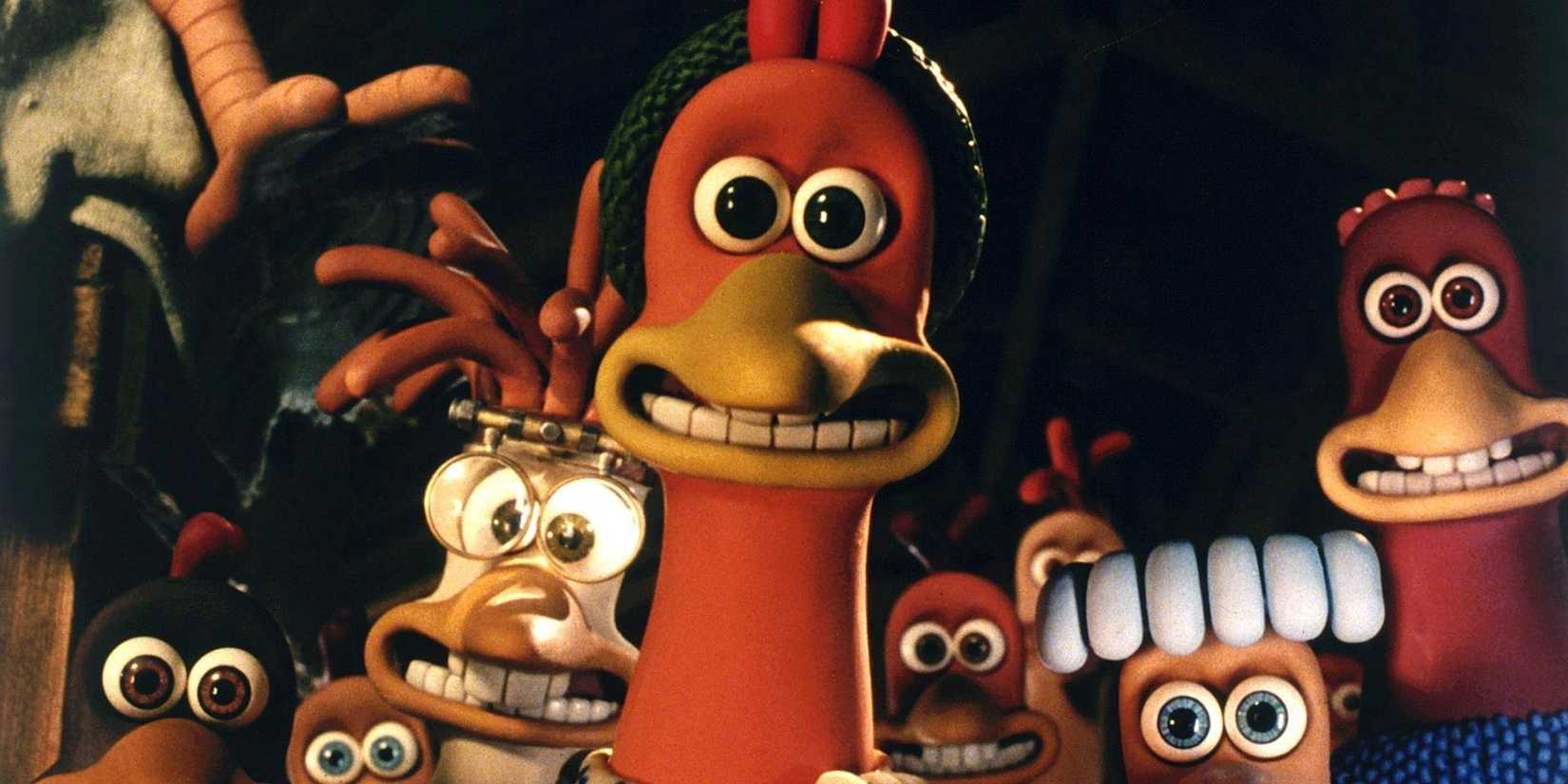
Ginger from Chicken Run is one of the best characters to come out of Dreamworks’ partnership with Aardman Animation. Julie Sawalha pitch-perfect performance deserves much of the credit, transforming the Chicken Run protagonist into someone palpably compelling and genuinely rousing.
While most animated protagonists stumble into heroism accidentally, Ginger spends the entire movie actively engineering prison escapes with the energy of someone running a maximum-security operation using only spoons and pure spite. Vitally, Chicken Run never treats her optimism as effortless.
Every failed escape attempt leaves her more tired and discouraged, yet she keeps going because she genuinely cannot accept life inside Tweedy’s farm. Her deadpan reactions to Rocky’s ridiculous stories are consistently hilarious, especially because she clearly wants to believe him despite every warning sign imaginable.
Z – Antz (1998)
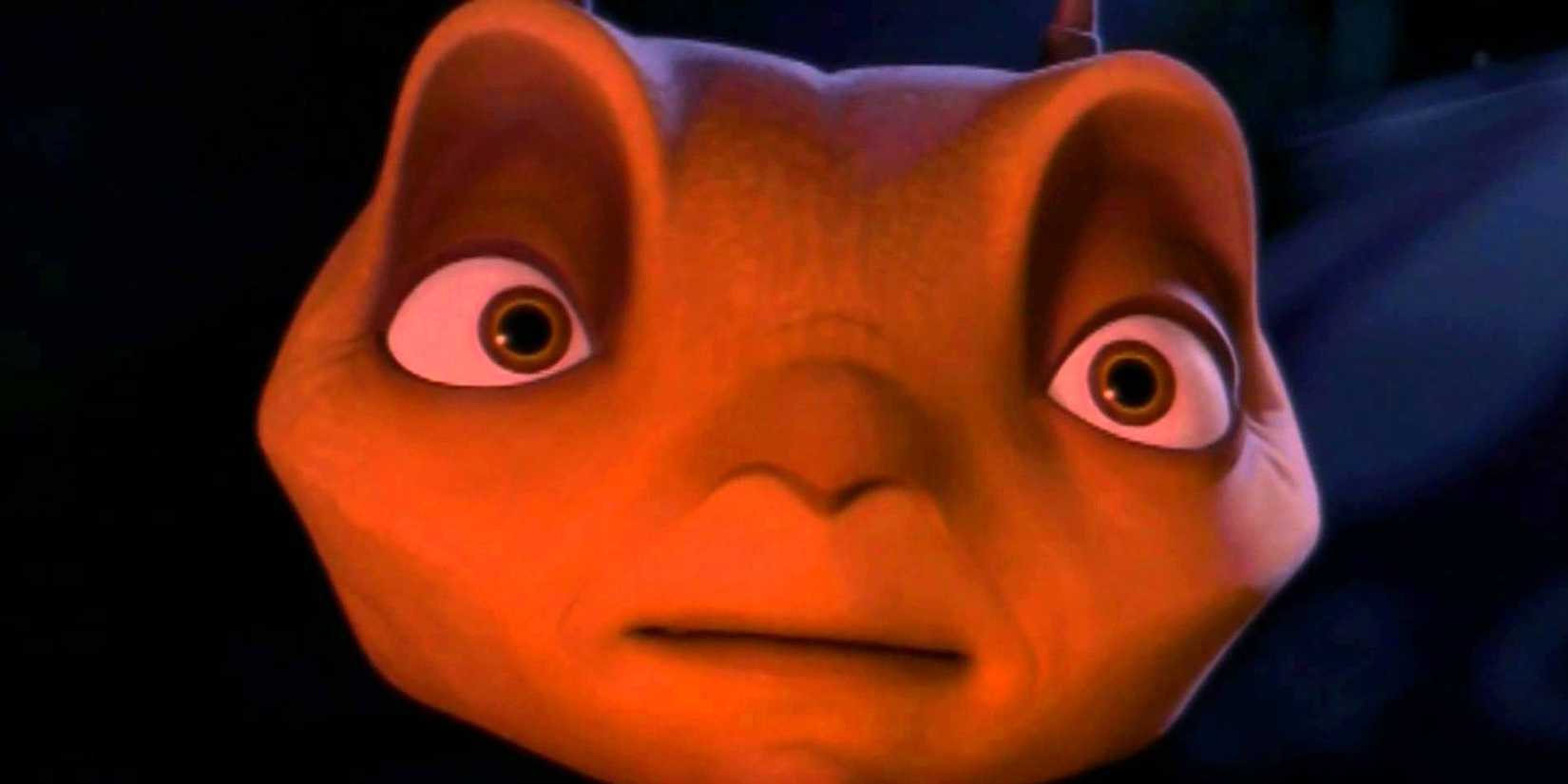
Long before many animated movies explored self-aware protagonists questioning society, Z from Antz was already having existential crises in therapy. Voiced with wonderfully neurotic energy, Z spends much of the film panicking about individuality while trapped inside a colony that values conformity above all else.
What elevates the character beyond the movie’s satire is how relatable his insecurity feels. Zee is not especially brave, strong, or competent, and the film constantly reminds audiences of that fact.
Z’s accidental rise into heroism becomes entertaining precisely because he never transforms into a flawless action lead. Scenes like his disastrous soldier training or awkward attempts to impress Princess Bala remain funny because Zee approaches every situation with visible terror. Yet by the finale, his actions fundamentally change the colony around him.
Hiccup – How To Train Your Dragon (2010)
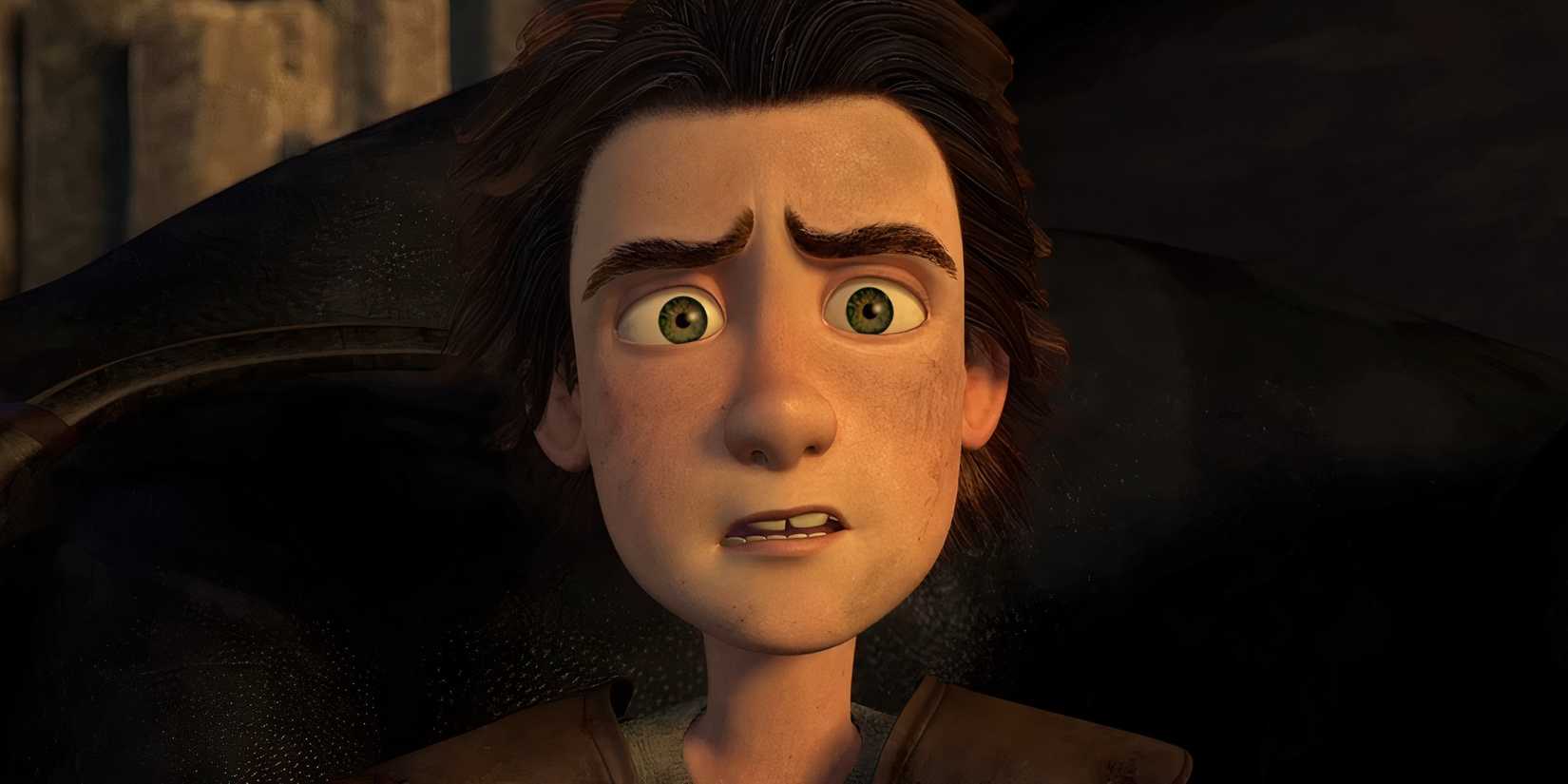
Hiccup Horrendous Haddock III is arguably the moment DreamWorks Animation fully mastered emotionally complex protagonists. Introduced in How to Train Your Dragon as a scrawny Viking disaster who can barely hold a weapon correctly, Hiccup immediately stands apart from traditional heroes.
The scene where he first reaches out to touch Toothless remains one of DreamWorks’ best sequences because almost no dialogue is needed to understand the fear and trust building between them. Hiccup’s intelligence also creates many of the film’s funniest moments, especially when his inventions malfunction catastrophically during dragon training.
More importantly, his conflict with Stoick feels painfully real. Hiccup is not trying to rebel for attention; he simply sees a better path nobody else is willing to consider yet.
Megamind – Megamind (2010)
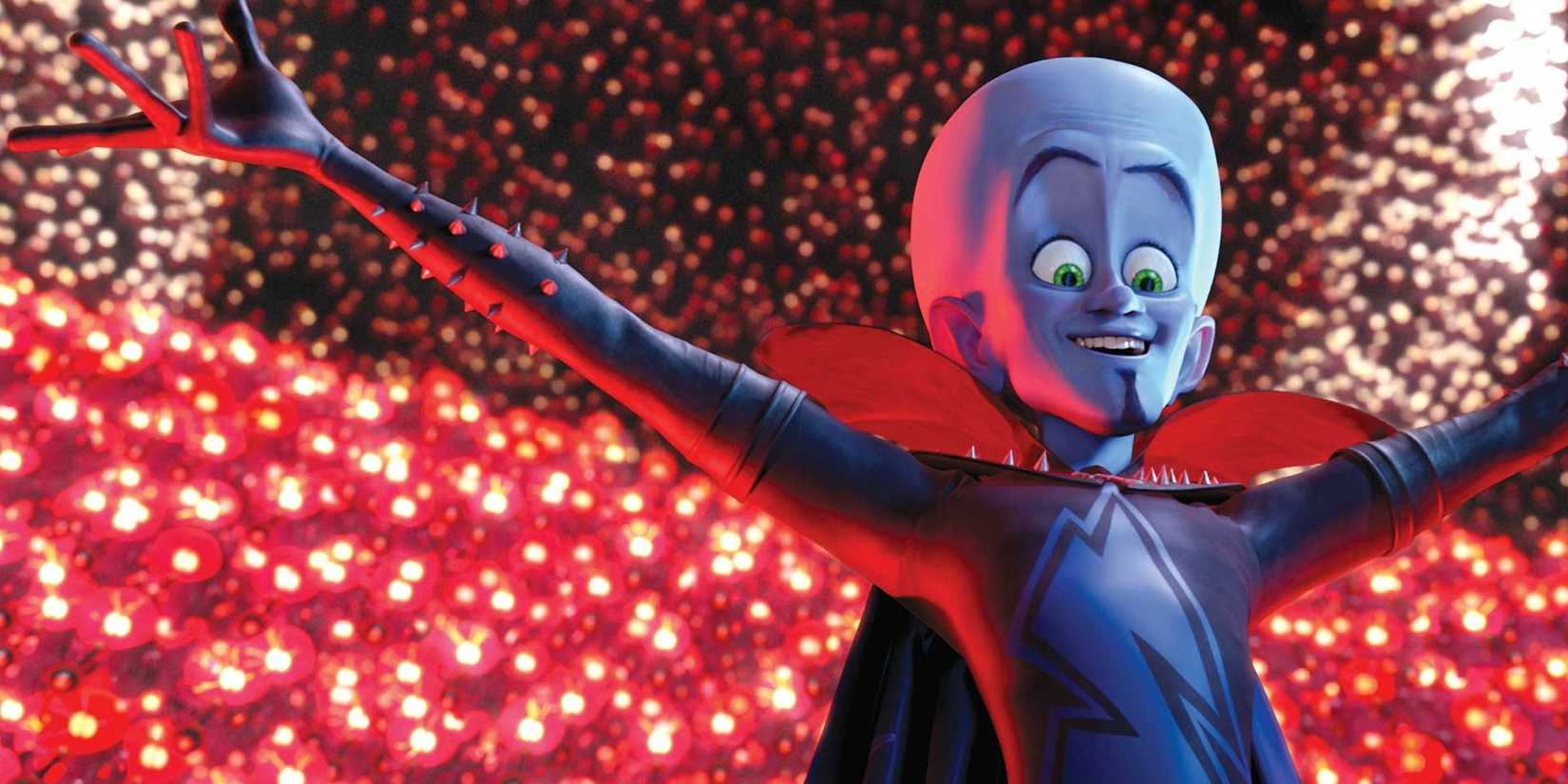
Megamind works so brilliantly because Megamind realizes villains are often just theater kids with unresolved emotional issues and far too much free time. From his melodramatic speeches to his inability to pronounce “school” normally, Megamind constantly steals scenes through sheer personality.
Yet the character becomes genuinely great once the movie asks what happens after the villain actually wins. His total confusion following Metro Man’s apparent death is unexpectedly funny and weirdly sad, especially as he realizes being evil was the only purpose he ever understood.
The film’s strongest moments come when Megamind slowly figures out that he enjoys helping people far more than terrorizing them. Even his romance with Roxanne succeeds because it develops through awkward sincerity rather than sudden transformation.
The Penguin Commandos – Madagascar (2005)
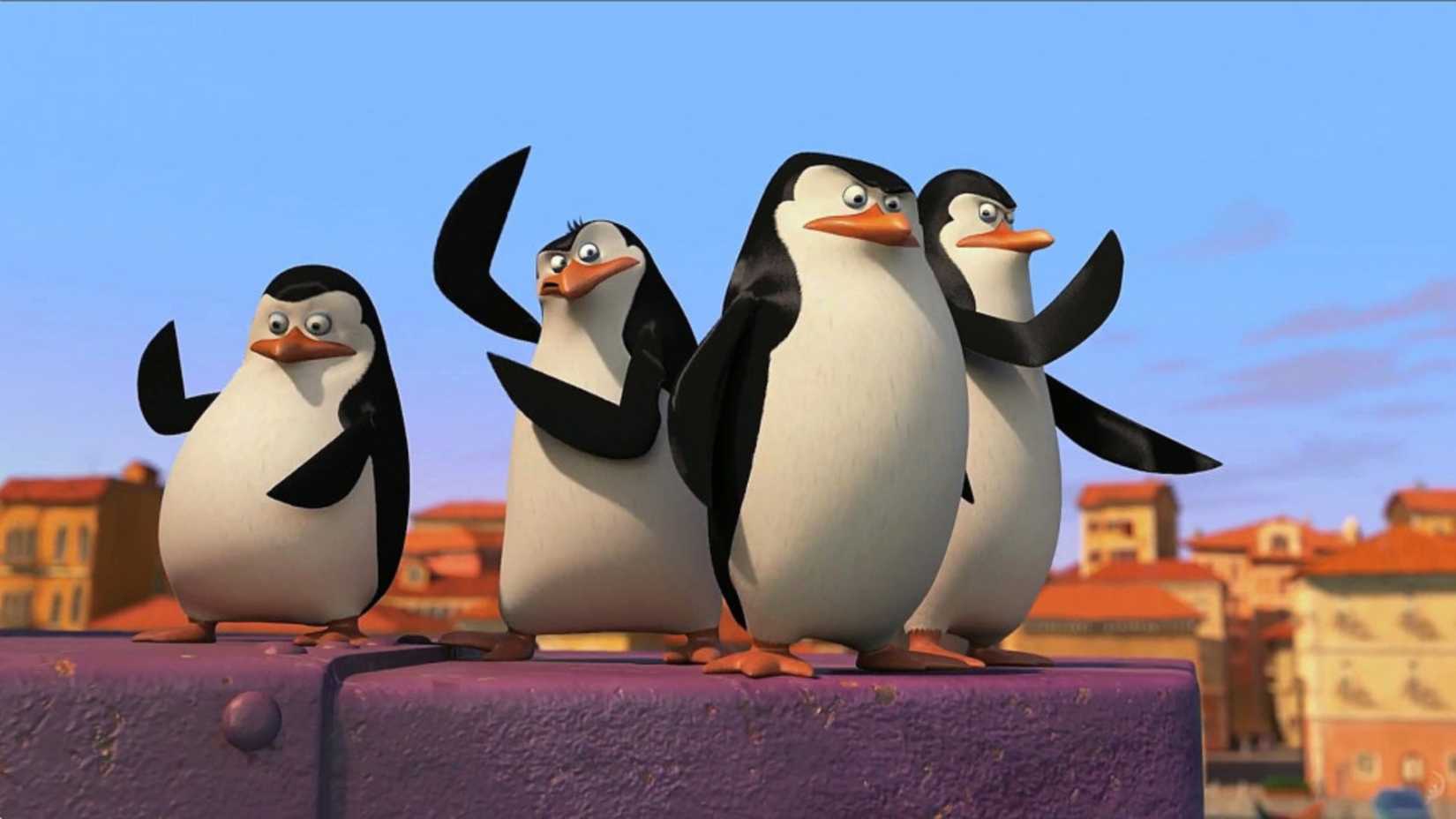
The penguins from Madagascar should theoretically have been minor comic relief characters. Instead, their full-blown military tactics produced the movie’s funniest dynamic. Skipper, Kowalski, Rico, and Private are hilarious because they approach every minor inconvenience like a classified Cold War mission requiring tactical precision and maximum chaos.
Their dead-serious planning contrasts perfectly with the complete nonsense happening around them, particularly during scenes like the fish heist or their homemade submarine escape. Skipper barking commands while Rico produces increasingly impossible weapons from his stomach somehow never stops being funny.
What makes the characters endure beyond simple jokes is how specific each penguin feels within the group dynamic. Kowalski overthinks everything, Private panics constantly, and Rico appears legally prohibited from functioning normally. Madagascar wisely uses them sparingly because every appearance immediately hijacks audience attention in the best possible way.
Toothless – How To Train Your Dragon (2010)
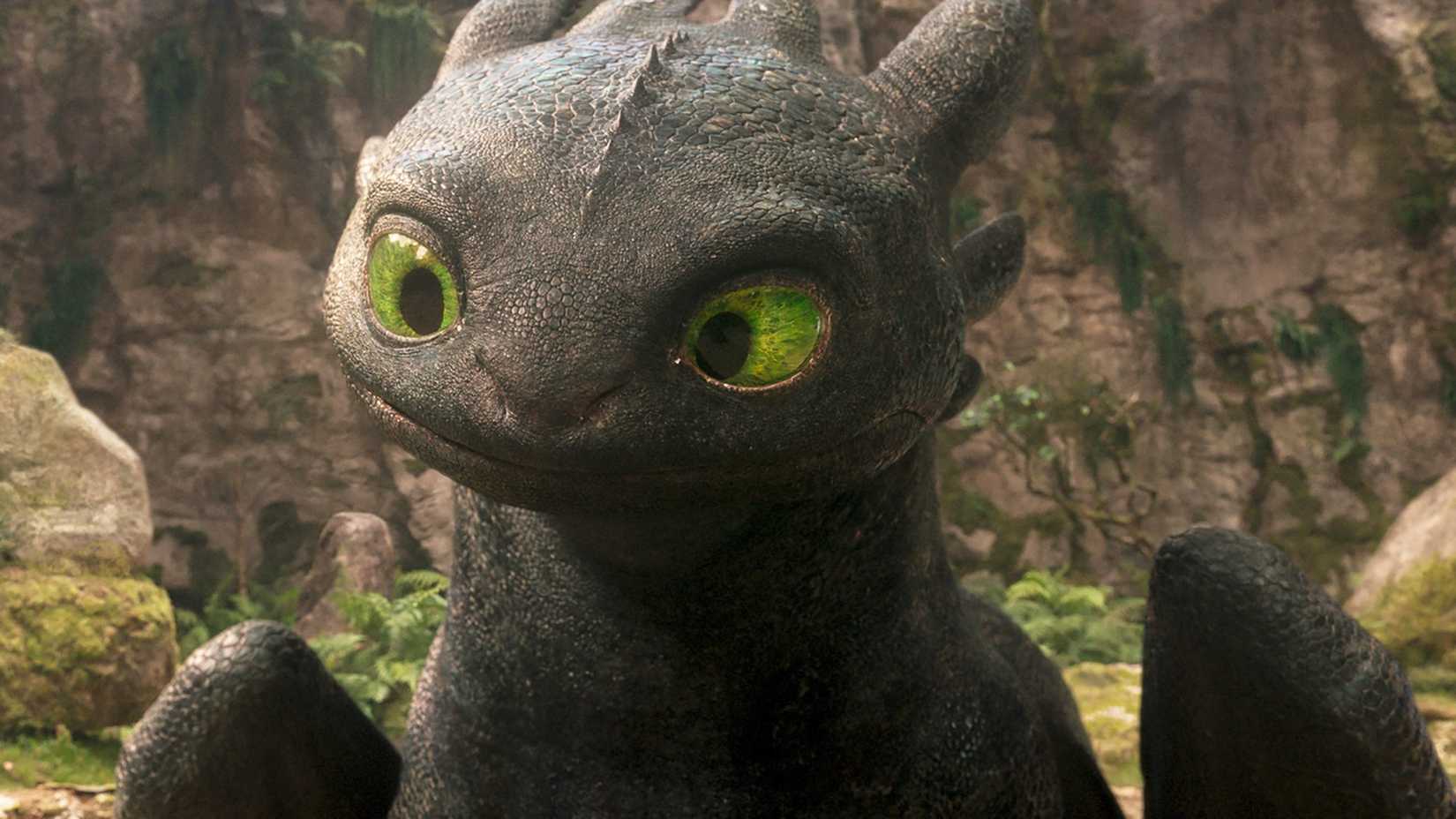 Credit: Dreamworks/Universal Pictures/Courtesy Everett Collection
Toothless is one of animation’s greatest examples of personality without dialogue. Throughout How to Train Your Dragon, Toothless communicates almost entirely through movement, expressions, and behavior, yet audiences instantly understand exactly what he is thinking.
One second he behaves like a terrifying predator emerging from the darkness, and the next he acts like an overexcited cat discovering sunlight for the first time. That balance is what makes him unforgettable. Scenes like Toothless attempting to smile awkwardly at Hiccup or drawing in the sand with his tail build enormous emotional attachment without needing exposition.
His bond with Hiccup also feels believable because the movie carefully earns every moment of trust between them. By the soaring first flight sequence, Toothless no longer feels like a sidekick or pet. He feels like a fully realized character audiences desperately want to protect.
Puss In Boots – Shrek 2 (2004)

Introducing a new character into an already beloved franchise is difficult. Introducing one so entertaining that audiences immediately demand multiple Shrek spin-offs is almost impossible. Yet Puss in Boots pulled it off effortlessly in Shrek 2. Voiced by Antonio Banderas with gloriously dramatic swagger, Puss is a tiny orange swordsman convinced every room he enters deserves a flamenco soundtrack like Zorro himself.
His greatest strength is how shamelessly theatrical he is. Whether he is making a grand entrance, hacking up a hairball mid-fight, or deploying the famous giant-eyed stare to manipulate everyone around him, Puss completely commits to every moment.
The character also works because, beneath the ego and dramatic posing, he genuinely becomes loyal to Shrek. His combination of action-hero confidence and embarrassing cat behavior remains endlessly funny.
Po – Kung Fu Panda (2008)

Po from Kung Fu Panda succeeds because the movie never treats his love of kung fu as a joke. Po begins as an overeager fanboy who knows every legendary warrior by name yet can barely climb stairs without collapsing dramatically.
However, the movie understands that passion and enthusiasm can matter just as much as natural talent. Watching Po attempt training with the Furious Five is consistently hilarious because he approaches every impossible task with the confidence of someone who absolutely should not survive any of this.
His relationship with Shifu becomes especially rewarding once the master realizes Po cannot be molded into a traditional warrior. The famous peach bun training montage remains one of DreamWorks’ smartest comedic sequences because it transforms Po’s biggest weakness into his greatest strength.
Shrek – Shrek (2001)
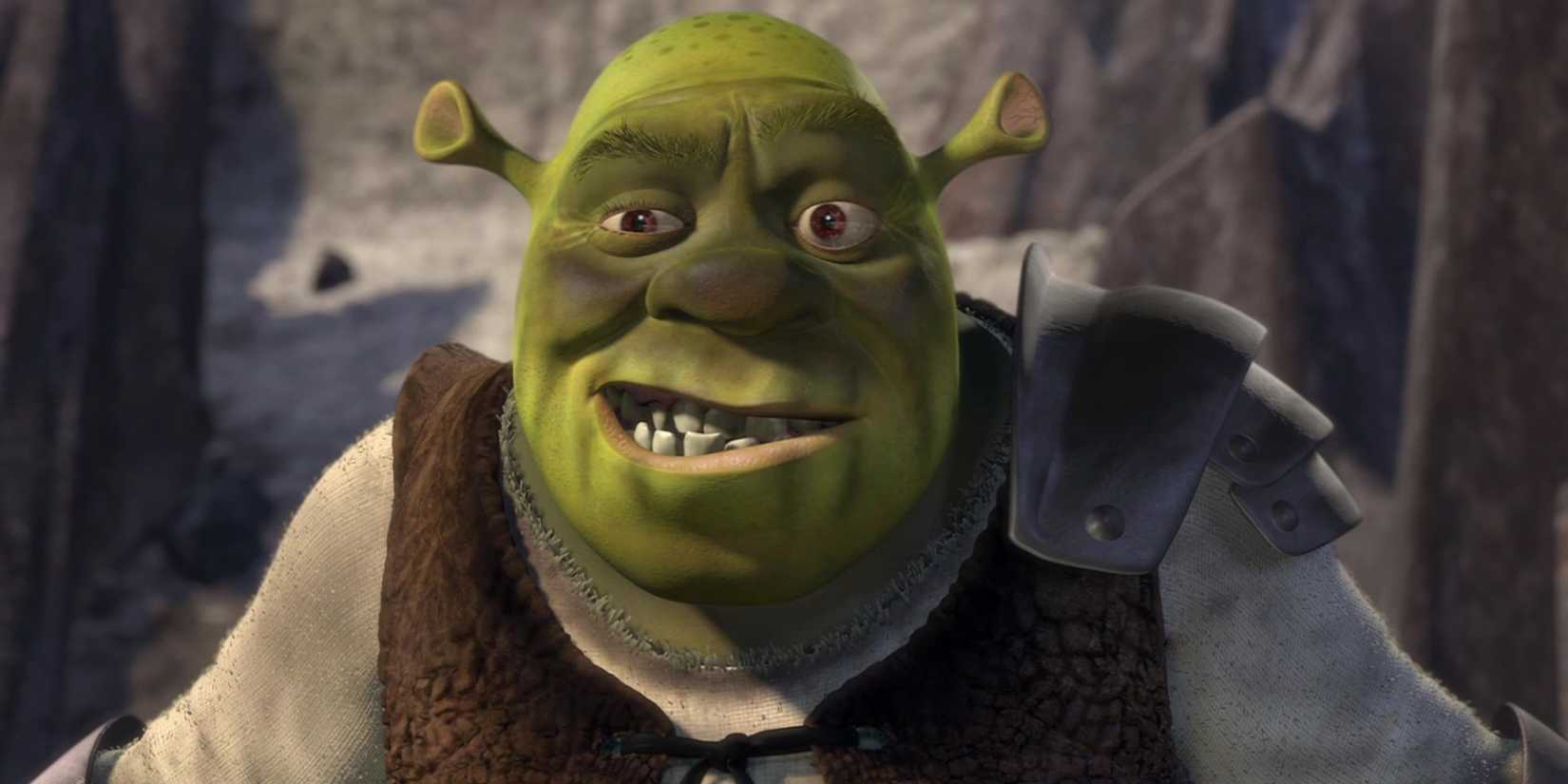
Shrek changed animated movies forever largely because he was allowed to be grumpy, rude, insecure, and deeply antisocial without the film trying to soften him immediately. When Shrek debuted, most animated heroes were still polished and idealized. Shrek instead introduced audiences to an ogre who weaponized bad hygiene and wanted everybody to leave him alone forever.
Beneath the sarcasm and swamp jokes, though, Shrek’s fear of rejection gives the character surprising emotional depth. His speech to Donkey about people judging him before knowing him remains one of DreamWorks’ strongest emotional scenes because it explains years of loneliness in just a few lines.
The movie also brilliantly uses Shrek’s irritation as comedy. Watching him slowly lose patience with Donkey’s nonstop chatter never stops being entertaining, especially because audiences can understand both sides completely. He stands as the greatest and most iconic Dreamworks character ever created.
-

Chicken Run
Release Date June 23, 2000
Runtime 84 minutes
-

Antz
Release Date October 2, 1998
Runtime 83 minutes
-

How to Train Your Dragon

9/10
Release Date March 26, 2010
Runtime 98 minutes
-

Jay Baruchel
Hiccup (voice)
-

Gerard Butler
Stoick (voice)
-
-

-

Madagascar
Release Date May 15, 2005
Runtime 86 minutes
-

-







 English (US) ·