
Few characters have enjoyed a cinematic career quite like Dracula. Since Bram Stoker's novel was published in 1897, filmmakers have returned to the legendary vampire again and again, reimagining him as a seductive aristocrat, a terrifying monster, a tragic romantic figure, and occasionally all three at once. While countless vampire movies have appeared over the last century, Dracula remains the genre's most enduring icon.
Part of the character's appeal is his flexibility. Different generations have used Dracula to explore everything from fear of the unknown, social anxieties to forbidden desire and mortality, and even xenophobia. While some adaptations stick closely to Stoker's original story, others use only fragments of the source material as a jumping-off point for something entirely new.
As a result, Dracula has spawned a fascinating collection of films that vary wildly in tone, style, and interpretation. From silent-era masterpieces to lavish gothic romances and modern horror reinventions, Dracula's cinematic legacy is remarkably diverse. Ranking the greatest Dracula movies is no easy task, but these films stand out for their influence, artistry, performances, and ability to keep one of horror's oldest monsters feeling immortal.
10 The Last Voyage Of The Demeter (2023)

The Last Voyage of the Demeter takes one of the shortest sections of Bram Stoker's novel and expands it into an entire feature film. It is a refreshing change from the countless Dracula adaptations that focus on familiar encounters in castles and drawing rooms. Set aboard the doomed ship carrying Dracula from Transylvania to England, the narrative plays like a gothic version of Alien.
Crew members begin disappearing one by one as something monstrous stalks the vessel at night. Javier Botet's Dracula is particularly memorable. Rather than presenting the Count as a charming nobleman, it leans heavily into his inhuman qualities, transforming him into a fully demonic bat-like creature.
The monster’s gaunt appearance and predatory behavior make him genuinely frightening. While not every expansion of the source material works perfectly, the atmosphere and creature design help make The Last Voyage of the Demeter one of Dracula's strongest modern outings.
9 Dracula: Prince Of Darkness (1966)

Christopher Lee's second proper appearance as Dracula for Hammer Films remains one of the studio's most entertaining gothic horrors. Interestingly, Lee spends the entire of Dracula: Prince of Darkness without speaking a single line of dialogue. Despite that limitation, he dominates the screen through sheer physical presence.
Hammer presents Dracula less as a manipulative aristocrat and more as a relentless force of evil, albeit an immaculately dressed one. The resurrection sequence remains one of the film's highlights, with Dracula returning through a grisly ritual involving blood and ashes.
Director Terence Fisher fills Prince Of Darkness with atmospheric castles, candlelit corridors, and vivid color photography that became a hallmark of Hammer horror. Although it lacks some of the complexity of later interpretations, Dracula: Prince of Darkness excels at delivering classic vampire thrills and showcases why Lee became synonymous with the role.
8 Dracula: Pages From A Virgin's Diary (2002)

Few Dracula adaptations are as unconventional as Guy Maddin's Dracula: Pages from a Virgin's Diary. Adapted from a ballet production, itblends silent cinema aesthetics, expressionist imagery, and dance performance into something entirely unique. Rather than relying heavily on dialogue, the story unfolds through movement, striking visual compositions, and carefully choreographed performances.
Zhang Wei-Qiang's Dracula is simultaneously elegant and unsettling, embodying the character through physicality rather than lengthy speeches. Maddin's decision to emulate silent-era filmmaking creates a dreamlike atmosphere that feels oddly appropriate for a story about seduction and supernatural obsession.
The bold use of color and stylized imagery gives the film an identity unlike any other version of Dracula. Dracula: Pages from a Virgin's Diary is certainly not the most accessible adaptation, but it remains one of the most artistically ambitious.
7 Nosferatu (2024)

Robert Eggers' Nosferatu faced the daunting challenge of revisiting one of horror's most revered stories while standing alongside multiple beloved adaptations. Fortunately, the filmmaker proved more than capable of the task. Bill Skarsgård delivers a haunting interpretation of Count Orlok, emphasizing the character's grotesque physicality and unsettling presence.
Rather than portraying a charismatic vampire, Eggers’ Nosferatu presents a figure who feels genuinely unnatural and deeply disturbing. Eggers' attention to historical detail helps immerse viewers in a world of superstition, plague, and dread.
Every location feels lived-in, while the cinematography creates images that could easily hang in a gothic art gallery. Nosferau’s commitment to atmosphere occasionally slows its pace, but the payoff is a version of Dracula's story that feels ancient, cursed, and genuinely frightening.
6 Count Dracula (1977)

The BBC's Count Dracula remains one of the most faithful adaptations of Bram Stoker's novel ever produced. Starring Louis Jourdan as the Count, the production benefits enormously from its commitment to the source material. Jourdan also captures aspects of Dracula that many adaptations overlook.
He is charming, intelligent, and persuasive, making it easier to understand why characters fall under his influence. At the same time, moments of menace remind audiences that a predator lurks beneath the polished exterior.
Because the adaptation had more time than most theatrical releases, Count Dracula could explore plot points frequently omitted elsewhere. Familiar characters receive greater development, and key events unfold with room to breathe. The production values may feel modest compared to modern interpretations, but its respect for Stoker's novel remains admirable.
5 House Of Dracula (1945)

Universal's monster movies were already cultural institutions by the time House of Dracula arrived, and the film embraces that legacy with enthusiasm. Rather than focusing solely on Dracula, the movie brings together several iconic horror figures, including the Wolf Man and Frankenstein's Monster.
Such crossover concepts are common today, but they felt remarkably ambitious during the 1940s. John Carradine's Dracula seeks a cure for his vampirism, adding an interesting wrinkle to the familiar formula.
House of Dracula balances gothic horror with pulpy monster-movie fun, creating a narrative that feels like a reward for longtime Universal horror fans. While it lacks the prestige of some higher-ranked entries, its historical importance and sheer entertainment value earn it a place among the best Dracula films ever made.
4 Dracula (1931)

Tod Browning's Dracula introduced one of cinema's most enduring horror performances. Even people who have never seen the film can probably picture Bela Lugosi's piercing stare and distinctive accent. Unlike many later adaptations that emphasize action or elaborate effects, Dracula relies heavily on atmosphere and performance.
Lugosi brings a theatrical elegance to the role, turning simple lines into unforgettable moments – an intriguing side effect of him learning the English lines phonetically. The slower pacing reflects its era, but many sequences remain surprisingly effective.
The early scenes at Castle Dracula, in particular, create a sense of unease that still resonates today. As one of Universal's foundational horror classics, Dracula helped establish the cinematic language of vampire stories. Interestingly, the Spanish-language rendition of the same movie is frequently cited as being even more visually stunning, though Lugosi's absence is hard to surmount.
3 Nosferatu The Vampyre (1979)

Werner Herzog's Nosferatu the Vampyre accomplishes something remarkably difficult and pays tribute to the 1922 classic while also standing confidently as its own work. Klaus Kinski's Count Dracula is simultaneously monstrous and tragic.
His appearance evokes Max Schreck's iconic Orlok, but Herzog places greater emphasis on the character's loneliness and despair. This vampire is terrifying, yet there is something strangely pitiable about him.
Nosferatu the Vampyre’s visuals are extraordinary. Mist-covered landscapes, abandoned towns, and haunting compositions create an atmosphere that feels closer to a waking nightmare than traditional horror. Herzog's slower, meditative approach will not appeal to everyone, but it allows the story's themes of isolation and decay to linger far longer.
2 Bram Stoker's Dracula (1992)
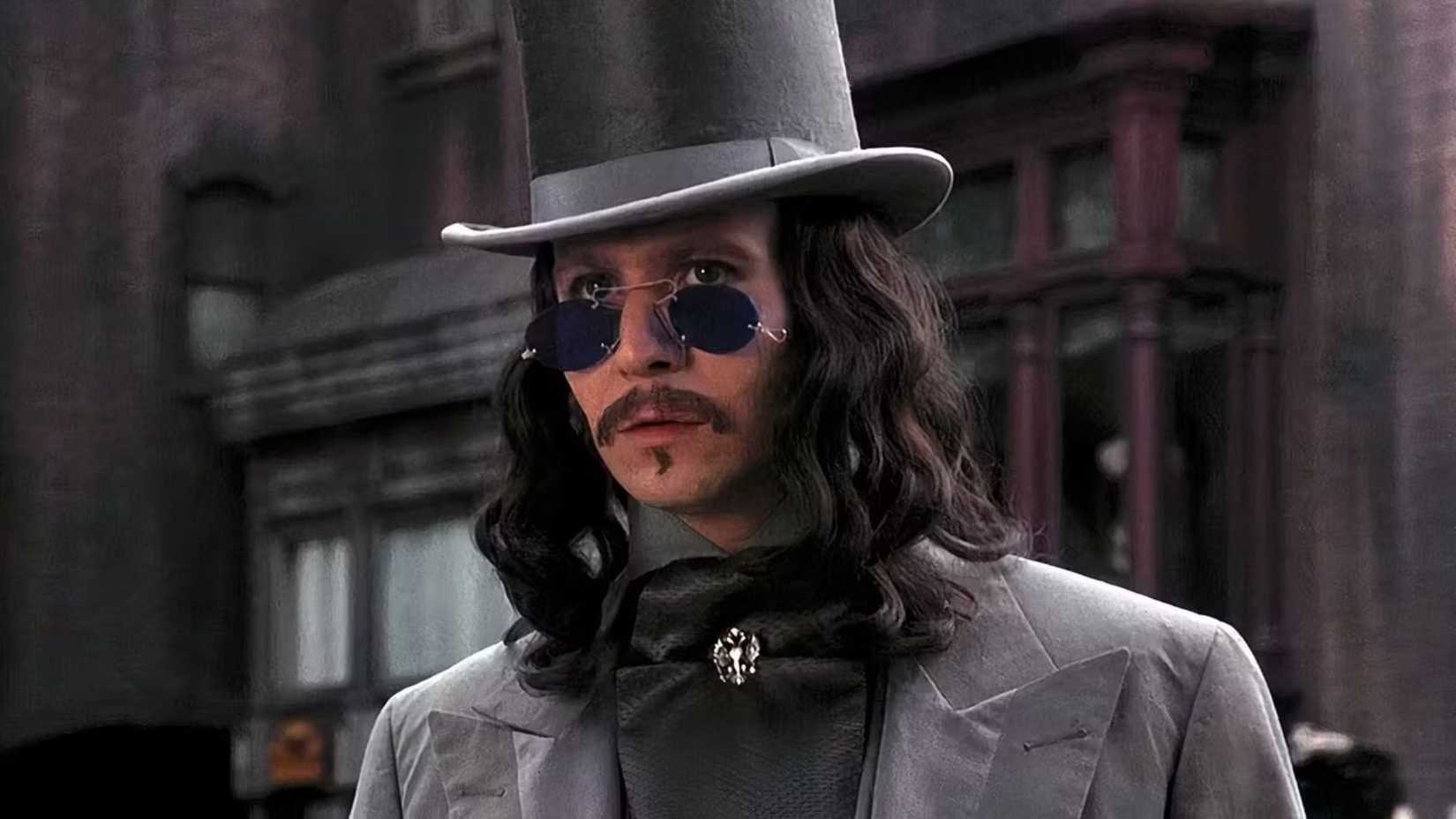
Francis Ford Coppola's Bram Stoker's Dracula is one of the most visually extravagant horror films ever made. Every frame bursts with elaborate costumes, practical effects, and theatrical imagery. Gary Oldman delivers a wonderfully unpredictable performance as Dracula, shifting between charming nobleman, grieving lover, and terrifying predator.
Oldman’s portrayal constantly evolves, from utterly beguiling to truly terrifying. Coppola deliberately avoided many modern visual effects techniques, relying instead on practical camera tricks inspired by early cinema. The result gives the movie a distinctive dreamlike quality.
Bram Stoker's Dracula occasionally embraces melodrama with such enthusiasm that it threatens to topple over into camp, but that excess is part of its charm. Few Dracula adaptations are this ambitious, romantic, or visually unforgettable – despite some dodgy accents from the cast.
1 Nosferatu (1922)
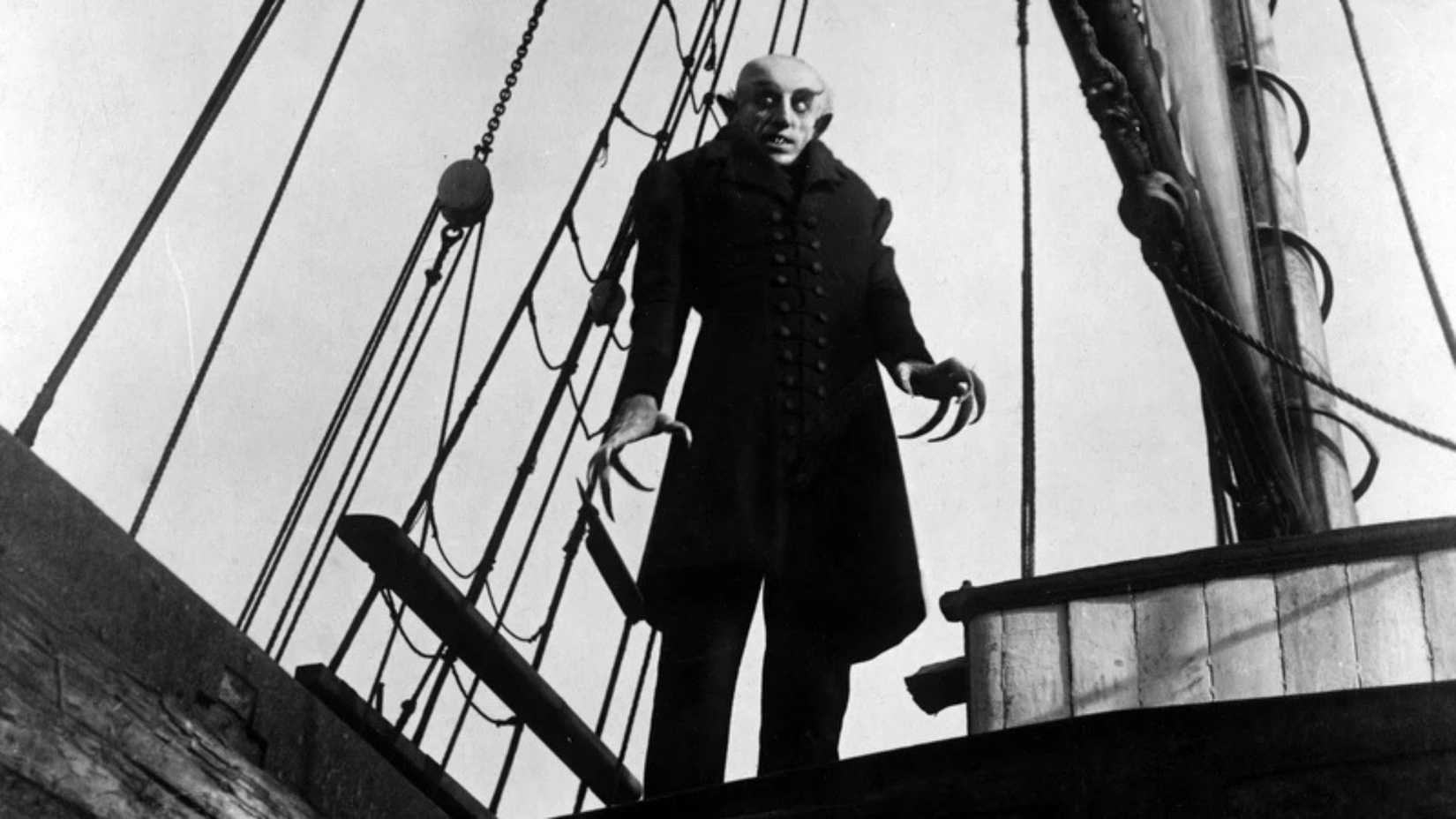
More than a century after its release, F. W. Murnau's Nosferatu remains one of the most influential horror films ever made. Created without official rights to Bram Stoker's novel, the movie changed names and details but preserved the essence of Dracula's story.
Max Schreck's Count Orlok remains one of cinema's most terrifying monsters. With his elongated fingers, rat-like features, and unnatural movements, he feels genuinely inhuman. Murnau's visual storytelling remains extraordinary. The use of shadows, location photography, and expressionist imagery helped define horror cinema for generations.
One famous shot of Orlok's shadow creeping up a staircase continues to inspire filmmakers more than one hundred years later. While many Dracula films have refined, expanded, or reimagined the character, Nosferatu remains the most important and arguably the most haunting of them all.
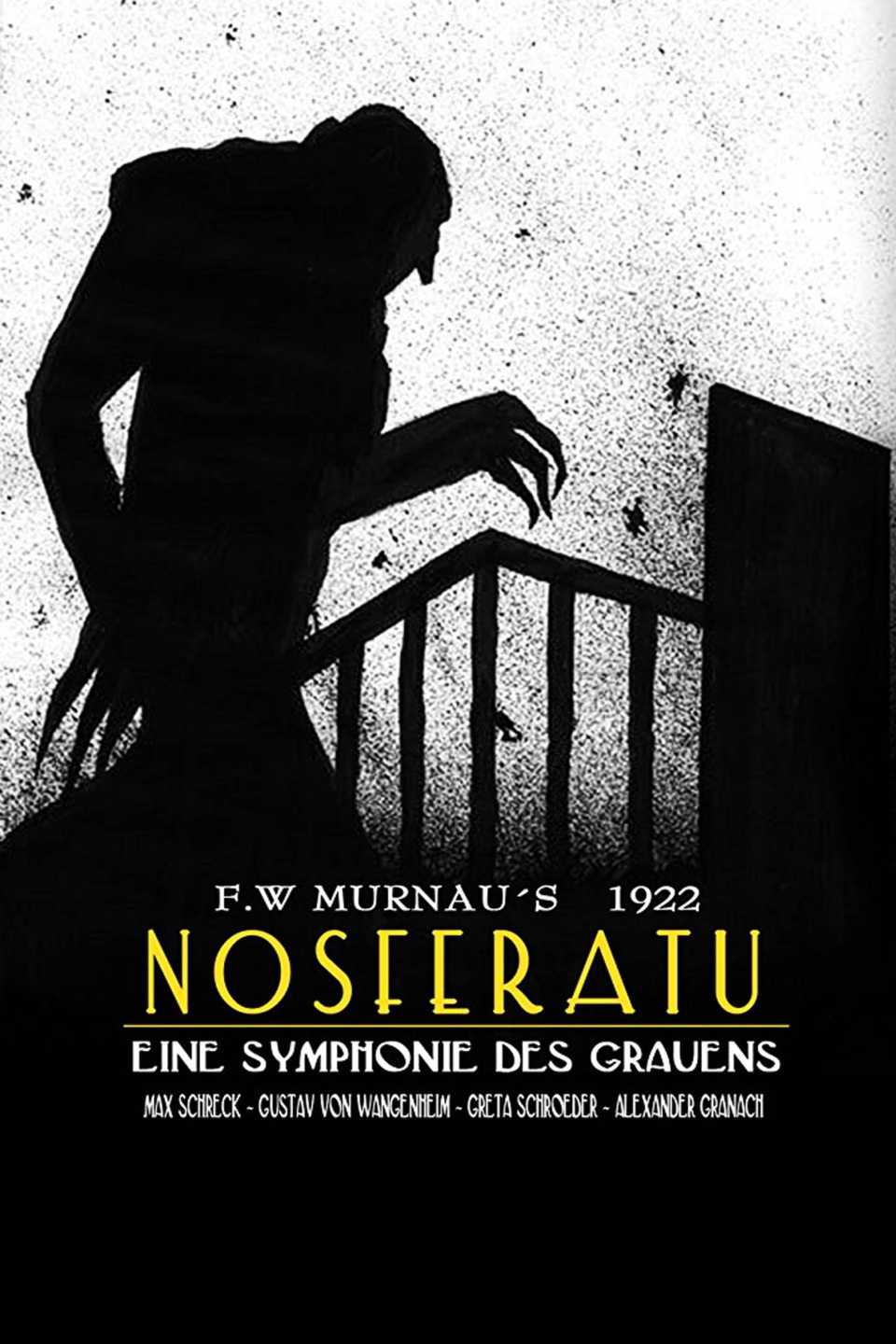
Release Date February 16, 1922
Runtime 95 Minutes
Director F. W. Murnau
Writers Henrik Galeen

 English (US) ·