10 Great Movies That Confirm Fantasy Is the Best Genre
22 hours ago
27
Image via New Line Cinema
Published Oct 22, 2026, 4:57 PM EDT
Michael Block is a 14 time GLAM Award nominated writer, producer, and host of the podcast Block Talk. Throughout his time in the entertainment industry, he has worked on and off Broadway as a stage manager, written several produced plays, critiqued hundreds of theatrical performances, drag and cabaret shows, and has produced events randing from drag competitoons to variety concerts!
On Block Talk, he interviews nightlife personalities, covers the wide world of entertainment through features, ranking episodes, and recaps ALL of Drag Race, as well as Dragula and Survivor. He has interviewed hundreds of RuGirls that span the globe at DragCon NYC, DragCon LA, and DragCon UK.
In his free time, he makes one-of-a-kind jewelry and gift baskets with his mom. He is a proud member of the LGBTQ+ community.
The brilliance of the fantasy genre lies in its ability to take audiences far beyond their wildest imaginations. Thanks to the medium of film, those fantasies become fully realized in spectacular fashion. With such a wide range of subgenres, fantasy has opened the door to extraordinary cinematic storytelling that has changed movies forever.
Though many people love a good straight comedy or science fiction flick, nothing beats a good fantasy film. Need proof? These ten titles! From a beloved toy coming to life to an epic quest of unlikely heroes, these are some of the best fantasy films we've ever seen. While there are certainly many other films that could be added to this list, we are celebrating a wide spectrum of eras, styles, and subgenres to prove how incredible fantasy is.
'Barbie' (2023)
Image via Warner Bros.
In the '90s, Aqua told us what it would be like to be a Barbie girl living in a Barbie world; in 2023, Greta Gerwig put that mindset into practice. The hit blockbuster Barbie tells a story of self-discovery as Barbie (Margot Robbie) spirals into an existential crisis and leaves the utopian matriarchy of Barbieland for the real world. Joined by Ken (Ryan Gosling), it's a clash of realities as Barbie discovers a society run by men, causing Ken to introduce patriarchy to his newfound "Kendom." With the help of human allies Gloria (America Ferrera) and Sasha (Ariana Greenblatt), Barbie returns to reclaim Barbieland.
Barbie is a masterclass in fantasy fun. Gerwig uses an impossible imaginary world to reveal the deep, uncomfortable truths about our reality. Rather than make a mindless fun movie, she uses fantasy conventions to tackle complex themes that go beyond pure escapism, balancing a colorful, plastic world with existential dread, all while keeping the tone of a lighthearted comedic romp. Barbie uses absurdity to hammer home the tough truths we face daily. If this perfect can experience anxiety, fear of death, and cellulite all in the same breath, it's OK for us to face the same trials and tribulations.
'Beauty and the Beast' (1991)
Image via Walt Disney Studios Motion Pictures
In this groundbreaking Disney animated feature, a selfish prince (Robby Benson) is cursed to live as a hideous beast; to break the curse, he must discover real love. When the spirited book-loving Belle (Paige O'Hara) trades places with her imprisoned father Maurice, she forms a growing connection with the Beast, thanks to a little push from the enchanted objects inside the castle.
A magical fairy tale that redefined animation, Beauty and the Beast elevated the fantasy genre through an extraordinary songbook from Alan Menken and Howard Ashman, beloved characters, and truly sublime, game-changing animation. It helped establish the Disney Renaissance, using a magical story to tackle real-world human truths about inner character, redemption, and prejudice. By having a strong, independent woman serve as the leading protagonist, a new kind of heroine was celebrated in fairy tales. This was not a story about love at first sight but about earning true love.
'Edward Scissorhands' (1990)
Image via 20th Century Studios
Directed by Tim Burton, this gem sees an eccentric inventor (Vincent Price) build an artificial man named Edward (Johnny Depp). Sadly, he suffers a fatal heart attack before he can replace Edward's metal scissor blades with real hands. When Peg Boggs (Dianne Wiest) discovers Edward and brings him to live with her suburban family, Edward becomes a local celebrity for his creative artistic skills as he falls for Peg's daughter, Kim (Winona Ryder).
Finding the perfect balance between horror and fantasy, Edward Scissorhandssubverts gothic storytelling for a whimsically dark tale. A beacon of Burton's imaginative vision, it's a richly personal, innovative fable that blends dark gothic aesthetics with a critique of the shallow suburban mindset. Burton balances the dark, gloomy exterior of Edward with a bright, pastel-colored suburban neighborhood to depict how one's exterior may not always match what's deep inside. Edward is a beautifully gentle soul who represents otherness, and his physical nature serves as a cautionary tale about never judging a book by its cover.
'Harry Potter and the Sorcerer's Stone' (2001)
Image via Warner Bros. Pictures
Directed by Chris Columbus, Harry Potter and the Sorcerer's Stone centers on the orphaned Harry Potter (Daniel Radcliffe), who discovers he is a wizard and embarks on a journey to hone his skills at Hogwarts School of Witchcraft and Wizardry. Alongside his new friends Ron Weasley (Rupert Grint) and Hermione Granger (Emma Watson), they discover someone is seeking to steal the Sorcerer's Stone to revive the evil Voldemort.
Proving the power of fantasy, Harry Potter and the Sorcerer's Stoneturned pure escapism into a deeply grounded, emotionally tinged story through a magical sense of wonder. Through brilliantly devised physical sets, practical effects, and an iconic score from John Williams, the film's tactile worldbuilding brought a fictional school of witchcraft and wizardry to life. By immersing audiences into Harry's world, the film became a portal to imagination. One of the most influential fantasy films of all time, Harry Potter and the Sorcerer's Stoneset the tone for fantasy in the 2000s.
'How to Train Your Dragon' (2010)
Image via DreamWorks Animation
The 21st century saw DreamWorks slowly become one of the leading visionaries in fantasy animation, and How to Train Your Dragonwas proof. Inspired by the book by Cressida Cowell, the story follows Hiccup (Jay Baruchel), an awkward teenage Viking on the Isle of Berk, who defies his tribe's tradition of killing dragons by befriending an injured Night Fury named Toothless, reminding everyone thatheroism isn't always defined by brute strength.
How to Train Your Dragon uses an outsider as the entry point into the story, giving audiences a relatable protagonist to champion. Instead of portraying dragons as mindless, aggressive beasts to be slain, the narrative reveals them as intelligent, frightened creatures who simply react to the treatment they face. The film expertly blends Nordic folklore with dragon mythology for extraordinary worldbuilding: the Isle of Berk became a place you wanted to venture to. Launching a media franchise with a live-action remake that captured the original's allure, How to Train Your Dragon is simply delightful.
'King Kong' (1933)
Image via RKO Radio Pictures
The world of creature features reached great heights in 1933 with the debut of the monster movie King Kong. Directed by Merian C. Cooper and Ernest B. Schoedsack, the original film follows ambitious movie director Carl Denham (Robert Armstrong) who sails to Skull Island with a first mate, Jack Driscoll (Bruce Cabot), and struggling actress Ann Darrow (Fay Wray) to shoot a new jungle movie. After the native villagers kidnap Ann to use as a human sacrifice to the 50-foot-tall giant ape Kong, Jack, Carl, and his crew must rescue her. Instead, Kong develops a protective affection for Ann as the crew decides to subdue Kong and transport him to New York City.
Ending in one of the most iconic climaxes in cinema history, King Kong turned the impossible, mythic premise into a masterpiece about human ambition and obsession. Released during some of the darkest days of the Great Depression, King Kong offered audacious escapism through a harrowing fantasy story. Animator Willis O'Brien used extraordinary stop-motion animation, miniature sets, and rear-projection to make Kong feel tangible, with the giant ape as a symbol for the battle between vanishing nature and industrial progress in civilization.
'The Lord of the Rings: The Fellowship of the Ring' (2001)
Image via New Line Cinema
LiftingJ.R.R. Tolkien's epic novel into a tangible film was no easy feat, but Peter Jackson made it look flawless. In the first part of the trilogy, The Lord of the Rings: The Fellowship of the Ring is an epic fantasy adventure film about a young hobbit named Frodo Baggins (Elijah Wood) who inherits a corrupt and powerful artifact known as the One Ring. Guided by the wizard Gandalf (Ian McKellen), Frodo must embark on a perilous journey with a diverse group of companions known as the Fellowship to destroy the ring.
Jackson combined the physical New Zealand landscape with massive practical sets, makeup, and miniatures to make Middle-earth feel like an immersive land. He established a rich visual vocabulary that made the film look extraordinarily authentic. Rather than use modern blockbuster cynicism and irony, The Lord of the Rings: The Fellowship of the Ring presented a profound story of heroism, sacrifice, and friendship with sincerity and earnestness, setting the tone for future epics.
'The Princess Bride' (1987)
Image via 20th Century Studios
There may not be a greater romantasy movie than The Princess Bride. Directed by Rob Reiner, the fantasy adventure comedy based on William Goldman's novel tells the story of daring farmhand Westley (Cary Elwes) as he seeks to rescue his one true love, Princess Buttercup (Robin Wright), before her forced nuptials to the arrogant Prince Humperdinck (Chris Sarandon). Joined by foes-turned-friends Fezzik (André the Giant) and Inigo Montoya (Mandy Patinkin), it's a race to stop the royal wedding.
Framed as a grandfather (Peter Falk) reading to his sick grandchild (Fred Savage), The Princess Bride is the ultimate generational film about the power of storytelling. It masterfully combines an earnest emotional heart with self-aware humor, proving that a story can honor traditional fairy tale tropes while simultaneously poking fun at them. Sincerity meets satire, as the film embraces the timeless tropes through amazement and wonder in a perfect example of how to mix swashbuckling fantasy with classic romance, a revenge tale, and farcical comedy without ever feeling disjointed or forced.
'The Wizard of Oz' (1939)
Image via Metro-Goldwyn-Mayer
Thanks to The Wizard of Oz, we learned that even when you're somewhere over the rainbow, there's no place like home. Based on the eponymous L. Frank Baum book, it tells the story of Dorothy Gale (Judy Garland) and her dog Toto as they are swept away by a twister from their Kansas home to the magical Land of Oz. After befriending the Scarecrow (Ray Bolger), the Tin Man (Jack Haley), and the Cowardly Lion (Bert Lahr), they embark on a journey to meet the Wonderful Wizard of Oz (Frank Morgan).
The Wizard of Oz is a brilliant example of visual storytelling. It famously uses a dreary sepia-toned start to depict the restrictive real world and brilliant Technicolor to showcase Oz. This visual leap not only showcases the power of magic but serves as an internal awakening from dull reality into vibrant imagination. The fantasy elements give the story the chance to confront dark and scary themes while still presenting a message about evil being ultimately destroyed by its own volition. At the end of the day, it's a story about how hope will prevail.
'Willy Wonka and the Chocolate Factory' (1971)
Image via Paramount Pictures
Willy Wonka and the Chocolate Factory brilliantly invited audiences to come and see a world of pure imagination. The dark fantasy film based on Roald Dahl's novel tells the story of the eccentric candymaker Willy Wonka (Gene Wilder), who invites five Golden Ticket recipients inside his surreal, colorful factory, manned by the orange-skinned, green-haired Oompa Loompas. There, the spoiled children are weeded out as Charlie Bucket (Peter Ostrum) passes Wonka's hidden morality test.
At its heart, the film opens up our human desire to use imagination as a source of magic. Relying on a physical, awe-inspiring set and practical effects, the film made every viewer dream of entering Wonka's world. The story's ability to turn greed, pride, and gluttony into quirky consequences operates as a cautionary tale where humility and honesty are ultimately rewarded. The fantastical elements act as an antidote to reality: the world beyond the walls may be bleak, but with a strong moral center, there is hope.

 Image via New Line Cinema

 Image via Warner Bros.
 Image via Walt Disney Studios Motion Pictures
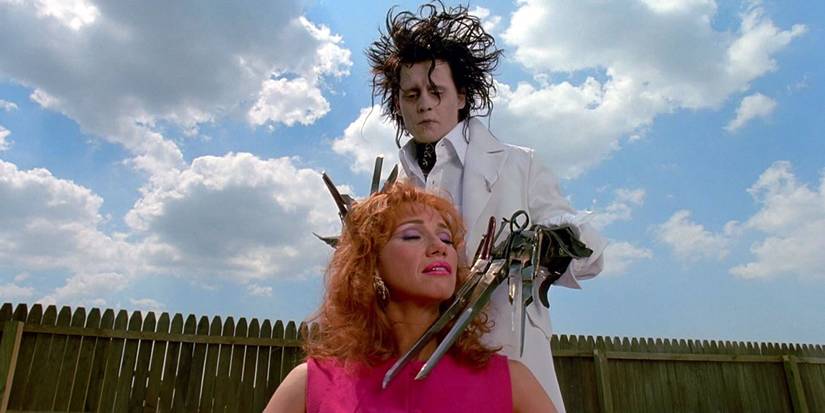 Image via 20th Century Studios
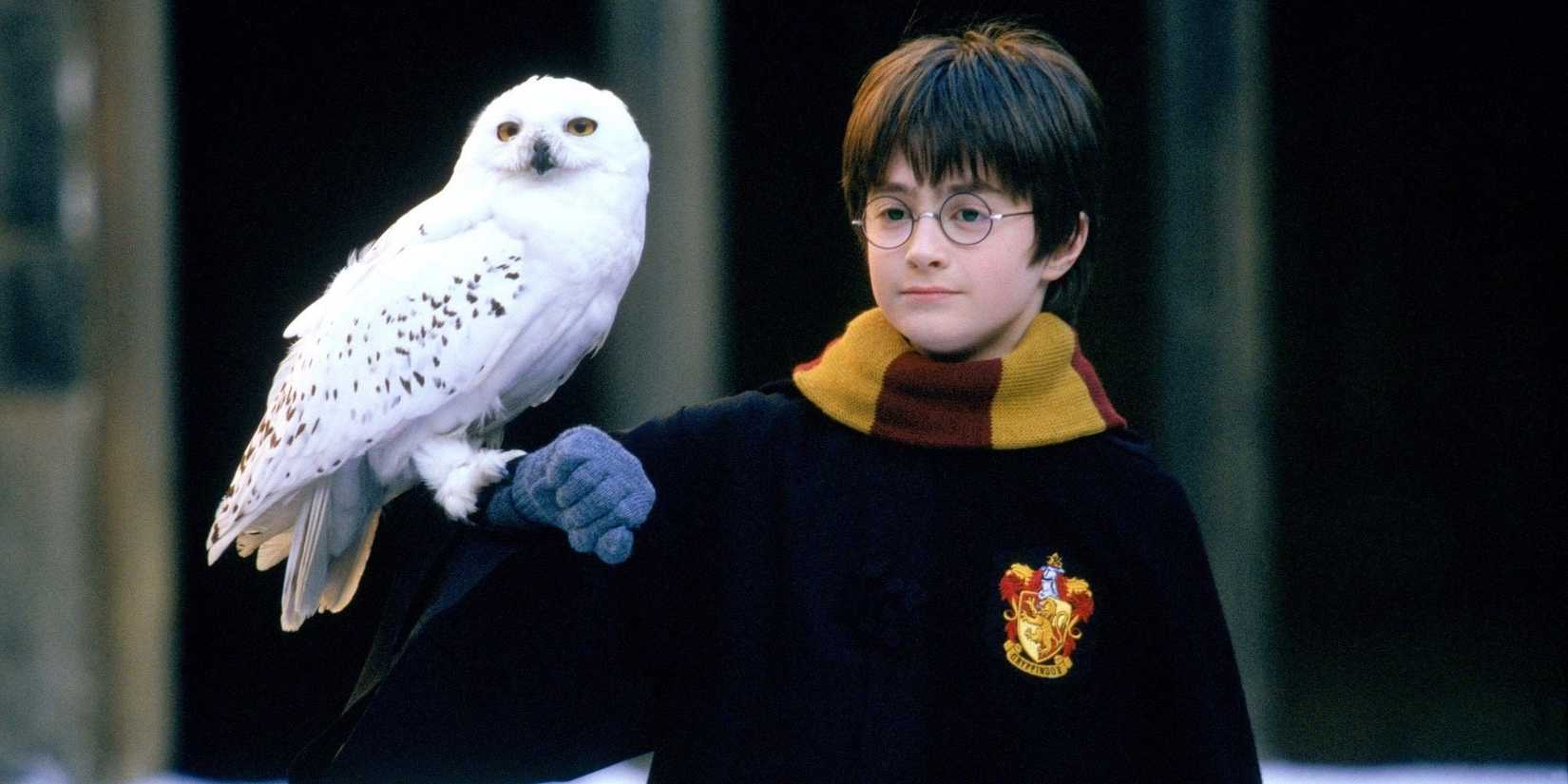 Image via Warner Bros. Pictures
 Image via DreamWorks Animation
 Image via RKO Radio Pictures
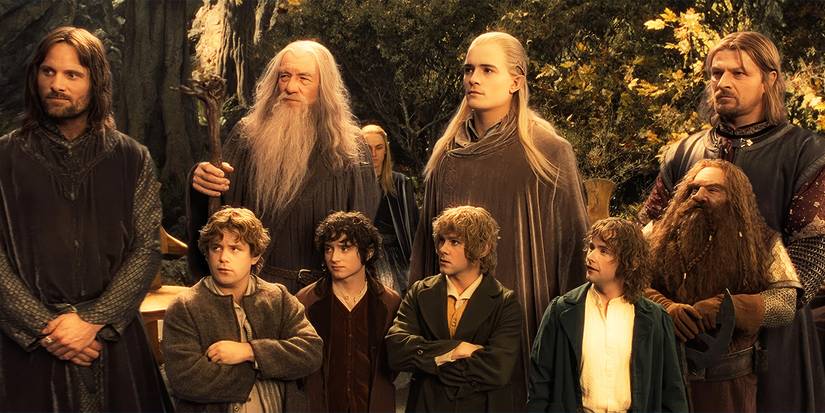 Image via New Line Cinema
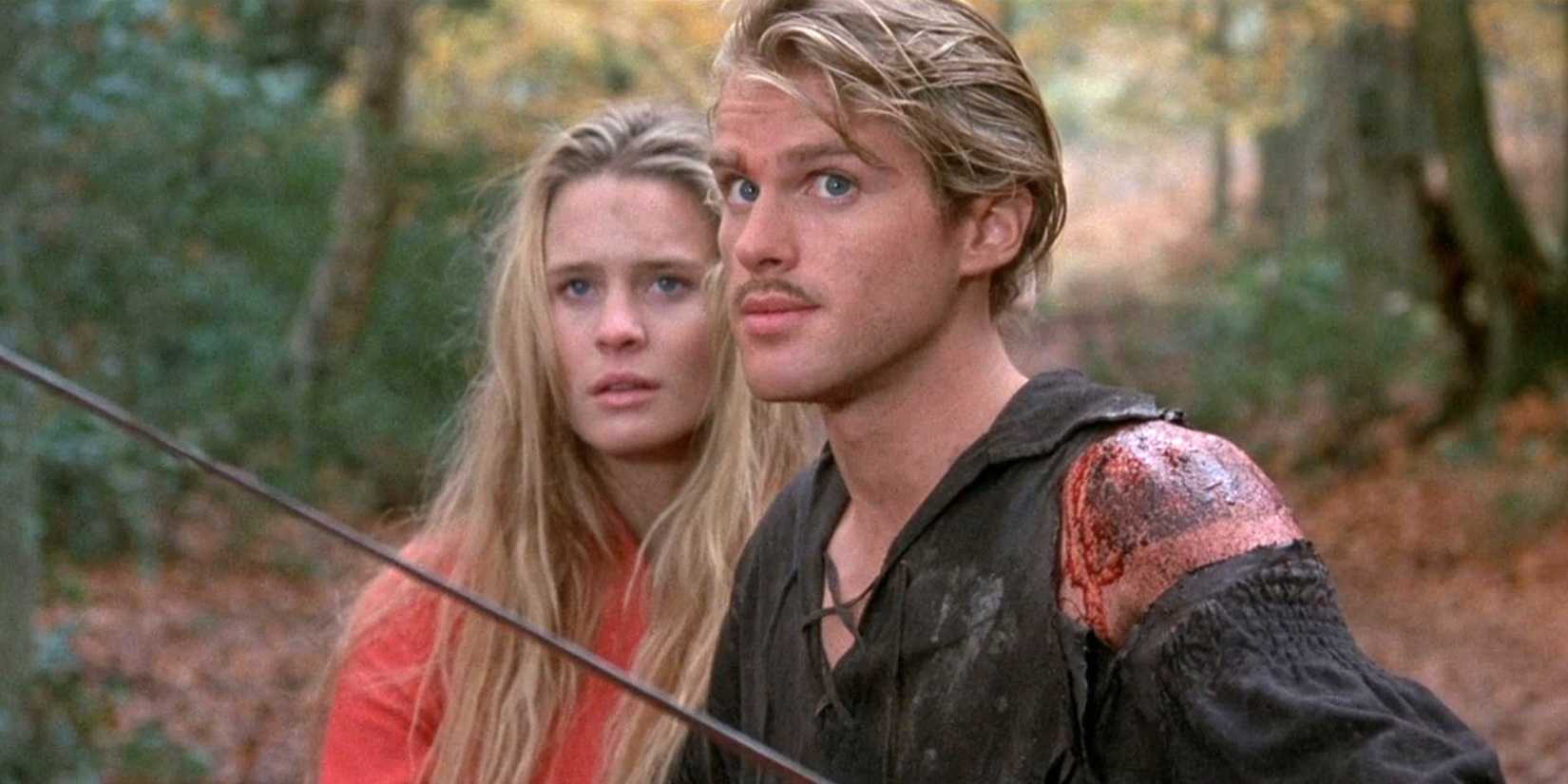 Image via 20th Century Studios
 Image via Metro-Goldwyn-Mayer
 Image via Paramount Pictures






 English (US) ·