
 2 hours ago
21
Consumers naturally want the most bang for the buck. That wish is more important with the rising cost of video games. If players shell out $70 for the latest release, they expect to get several hours of enjoyment. That philosophy is a good rule of thumb on paper, but reality isn't always so simple. Even in gaming, people can have too much of a good thing.
Some titles are just too long for their own good. They strive to provide an epic experience, but the endless escapades wind up wearing on players' patience. The developers deliberately pad this time with busy work, overextending the gameplay in the process. They also lengthen the narrative beyond its natural pace. Yes, the content is plentiful, but it's not always worthwhile. These programmers take a potentially engaging adventure and turn it into an endurance test. Playing video games shouldn't be a chore.
10 Dragon Quest 7
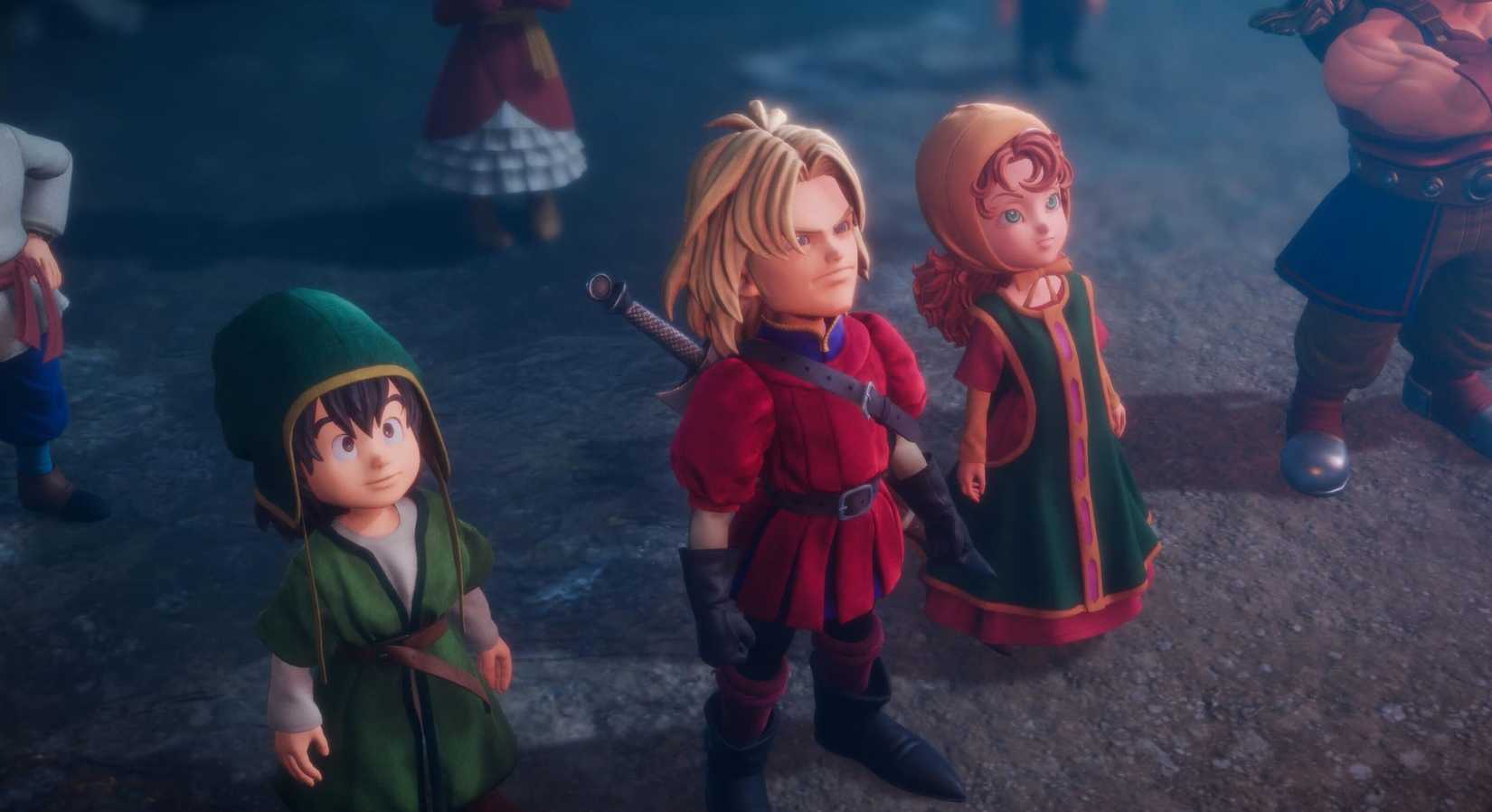 Image: Square Enix via Polygon
The Dragon Quest series prides itself on whimsical adventure, the seventh entry being no exception. Players control Auster as he explores the bounds of his small island. Upon entering some ancient ruins, he discovers that the world once housed many other continents. Each one suffered a terrible calamity, but Auster has just the tools to fix them. Using mystical tablets in the ruins, he and his allies travel back in time to confront the evils plaguing the realm. Every victory restores an isle in the present. Saving them all, however, is a tall order.
Dragon Quest 7 goes overboard with its premise. Each island is a multi-hour adventure, complete with its own story and characters. These episodic journeys combine to form an overarching narrative, but the sheer number of isles is overwhelming. It floods the game in repetition and drowns out the main plot. The extensive class system stays afloat for a time, but it soon grows more tiring than these water puns. Just consider that the remake, Dragon Quest 7 Reimagined, omits several islands for brevity's sake. That fact alone should say something.
9 Grand Theft Auto 4
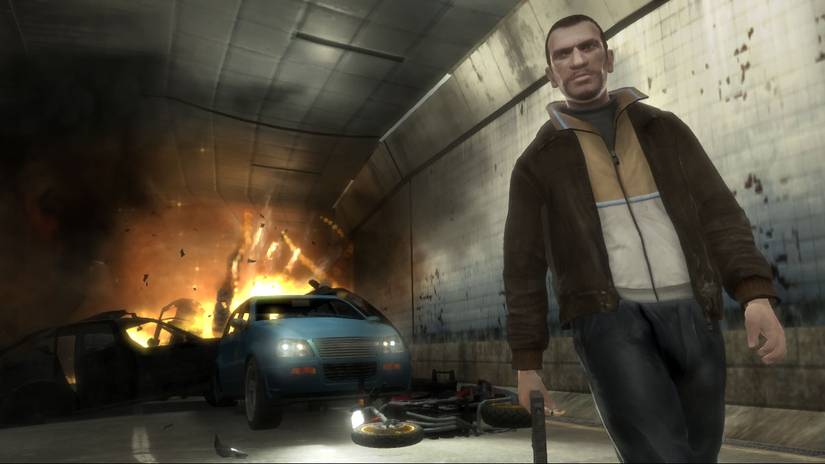 Image: Rockstar North/Rockstar Games
After previous entries' steadily crazier stakes, Grand Theft Auto 4 returns to Liberty City for a downbeat crime saga. It follows Slavic soldier Niko Bellic, who arrives in America to exact revenge on those who betrayed him. To find these targets, he works as a mercenary for the city's biggest gangsters, from the Italian mafia to the Irish mob. His gift for killing proves useful to these crooks, but it soon wears on the players.
In chasing a more grounded tone, GTA 4 loses much of the IP's wacky spontaneity. Most missions amount to "go here, shoot these people. Go there, shoot those people." While the cover-based gun play is an upgrade over its clumsy predecessors, it can't compensate for the lack of variety. The gray, desaturated color palette only heightens the fatigue. This game is shorter than Grand Theft Auto: San Andreas, yet it somehow feels longer.
8 Yakuza 5
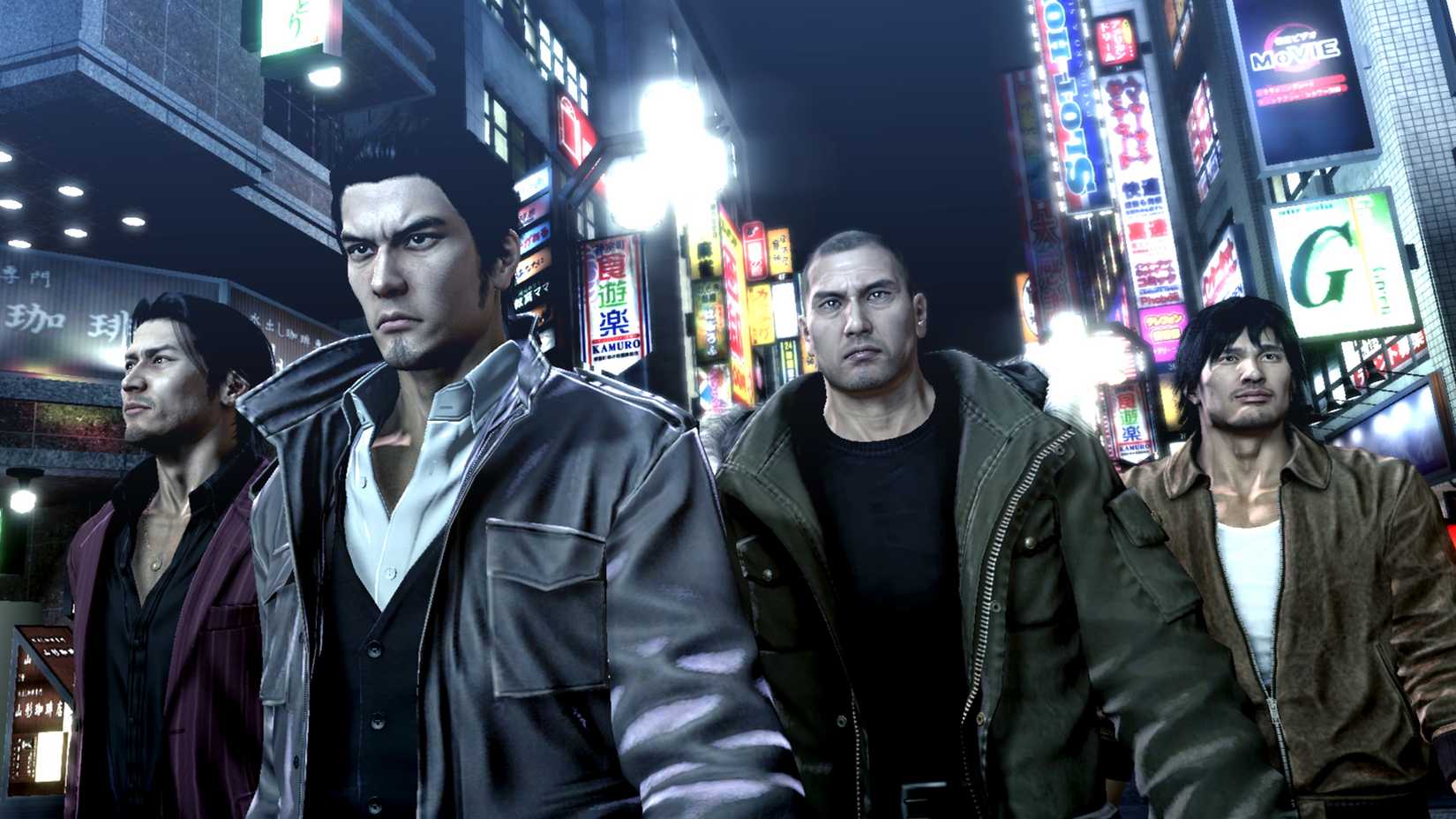 Image: Sega
The problem with crime stories is that the power dynamic is always shifting. Such is the case in Yakuza 5. As peace between the warring Tojo Clan and Omi Alliance degrades, the former's chairman goes missing. Someone is clearly pulling the strings behind the scenes, and retired Tojo legend Kazuma Kiryu must once again solve the mystery. He's not alone, though. Joining him are adopted daughter Haruka, fellow Tojo bruiser Taiga Saejima, moneylender Shun Akiyama, and disgraced baseball player Tatsuo Shinada. The plot draws them all in, for better or worse.
Yakuza 5 is far from the series' biggest entry, but its structure has you believe otherwise. Like its predecessor, it divides the narrative between multiple characters, whose small-scale stories contribute to the overarching whole. The problem is that these tales are entirely separate until the final stretch. Each chapter establishes a new setting and fresh characters with little connection to the others. As a result, the fragmented plot never feels like it's getting anywhere. It just keeps starting from scratch.
7 Assassin's Creed Odyssey
 Kassandra surveys a Greek vistaImage: Ubisoft Quebec/Ubisoft
Assassin's Creed Origins took the series in a new direction with an emphasis on role-playing, and Assassin's Creed Odyssey continues that heading. Selecting from siblings Kassandra and Alexios, players explore Ancient Greece as a Spartan mercenary. The main goal is to uncover their roots by finding their family. In the process, though, they stumble upon the cult of Kosmos: a sinister cabal manipulating the whole country. Foiling this group lays the foundation for the Assassin-Templar War, but only in the loosest sense.
Odyssey is a meandering mess. It pads every step of its thin story with mundane busy work like raiding forts, reaching distant locations, and killing certain enemies. What's worse is that the most basic foes take about 20 hits to topple. That's if they're at the same level, as the tale routinely requires grinding to avoid getting overwhelmed. It clearly aims to show off the Ancient Greek grandeur. Rather than being forced onto this tour, though, fans should actually want to explore.
6 Assassin's Creed Valhalla
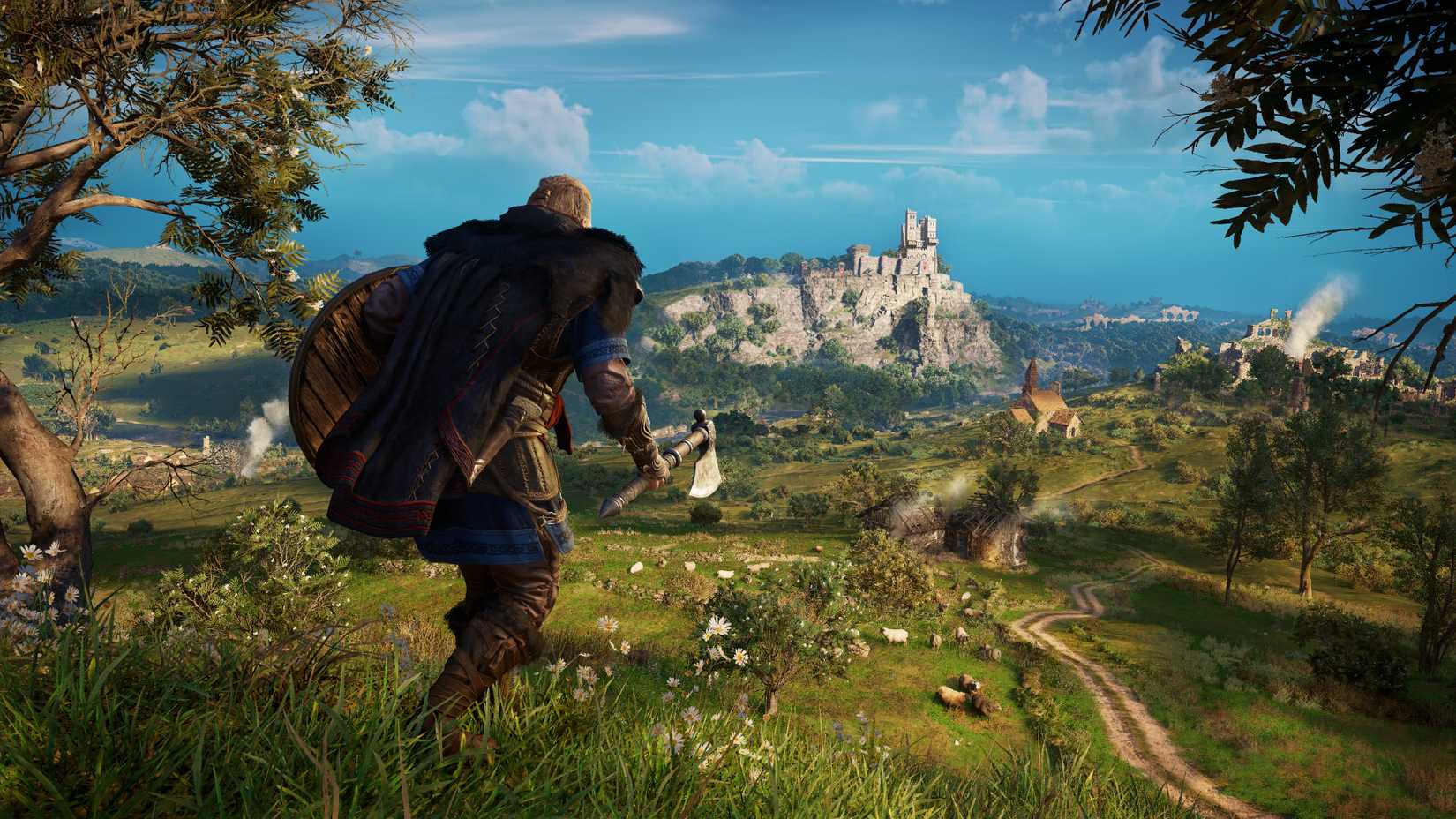 Image: Ubisoft Montreal/Ubisoft
Instead of addressing the issues, Assassin's Creed Valhalla doubles down. The Viking game positions players as a Norse warrior named Eivor. Together with their brother, Sigurd, they lead a party of settlers to a fresh start in England. They soon form alliances with Saxons and Vikings alike, expanding their influence across the country. Amidst that growth, however, Sigurd becomes increasingly obsessed with mythical artifacts. His allies from the Assassin Brotherhood only encourage that obsession. To truly secure their future, fans may have to battle their own brother. Then again, that choice is a long way off.
Valhalla somehow makes conquest boring. England has over a dozen regions. Conquering each one requires playing a three-hour story of bland characters and blander objectives. Any larger narrative becomes an afterthought amid such muddled mundanity. After a while, fans are just going through the motions to level up their character, thereby getting strong enough to tackle the next territory. Rinse and repeat.
5 Tales of Arise
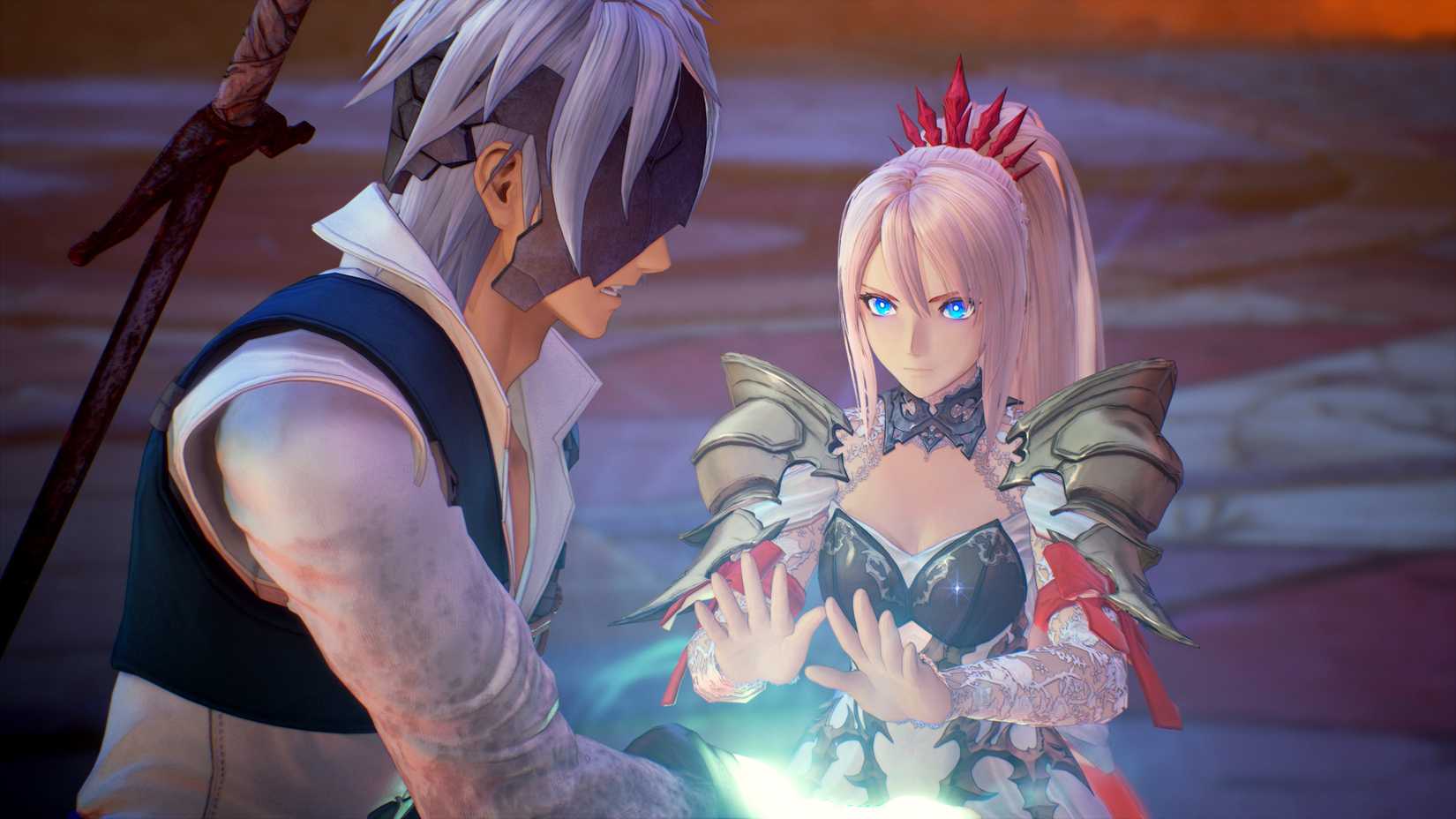 Image: Bandai Namco
It takes a long time to overcome prejudice. Tales of Arise presents a war between two worlds. The medieval Dahna is under oppression from the technological Rena. Maintaining that order are the five Lords, who work their subjects to the bone in pursuit of greater power. One day, an amnesiac slave named Alphen witnesses a Dahnan resistance group rescue a Renan prisoner, Shionne. Inspired by their example, the liberated warrior sets out to topple the regime, slaying the Lords and freeing the oppressed. The problems arise (pun intended) once he succeeds.
After the fifth Lord's defeat, the game's last third pivots to a deeper mystery about the Renans' roots. This stretch lacks the momentum of earlier hours, coming off as an extended epilogue. Instead of building character, it saddles the heroes with long bouts of exposition. Compounding the boredom are the constant bosses. These monsters already take forever to slay, yet the final hours throw them at players every few minutes. At this point, just let the Renans win.
4 God of War: Ragnarök
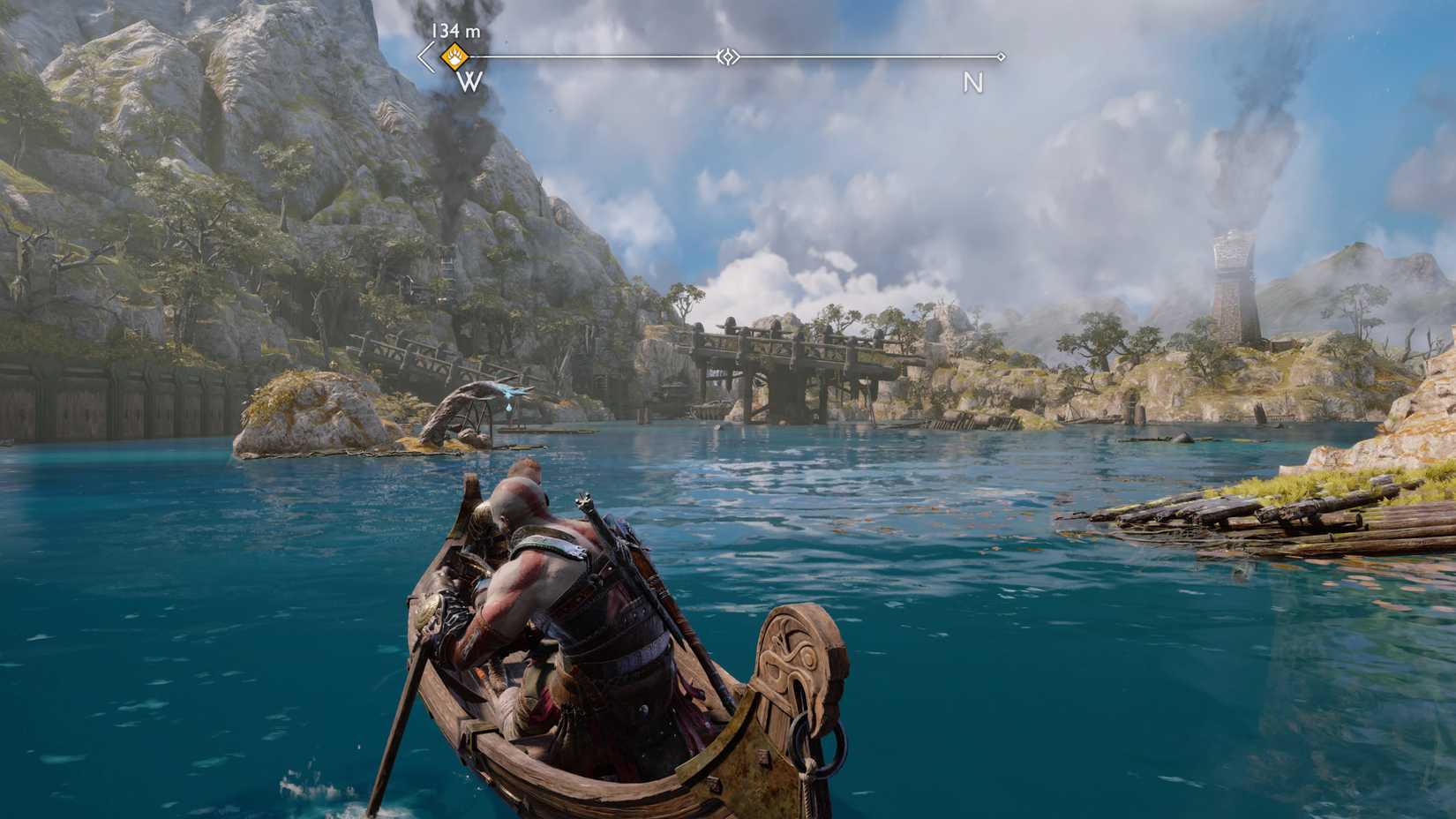 Image: SIE Santa Monica Studio/Sony Interactive Entertainment via Polygon
With the shift to role-playing, the God of War games naturally get longer. God of War: Ragnarök concludes the that trend with a jaunt through Norse lore. Spartan warrior Kratos and his son, Atreus, run afoul of Odin, Thor, and the other Aesir deities. As the fugitives desperately try to escape this wrath, they confront the ever-present prophecy of the ensuing war ending the world. Kratos must eventually decide when to let his boy stand on his own. The bigger question, though, is whether fans will even care.
Ragnarök comes off as three games mashed into one. The story is a patchwork of side quests, sending the heroes to various realms for the thinnest reasons. Despite having little narrative foundation, these linear errands have copious amounts of cutscenes, whose sluggish direction grinds the tale to a halt. Sure, the combat effectively mixes melee and ranged attacks, but it takes up a fraction of the playtime. One would think God of War would focus more on action than yapping.
3 Days Gone
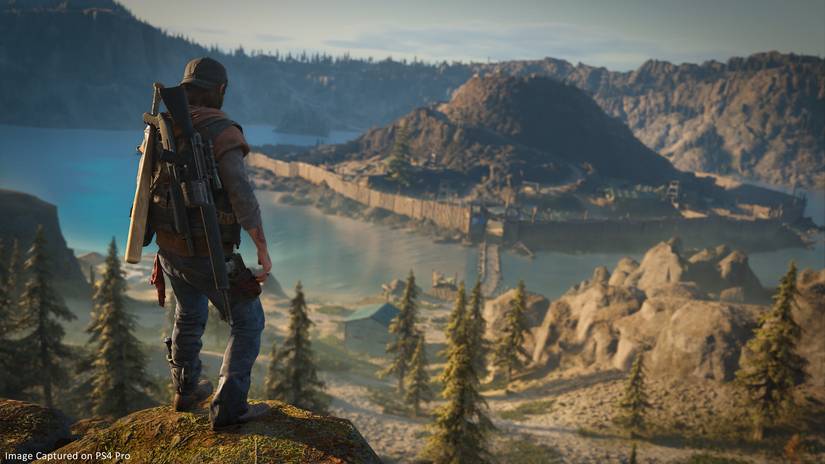 Image: SIE Bend Studio/Sony Interactive Entertainment
Zombie stories are a dime a dozen, but Days Gone tries freshening the formula with a biker flair. The open-world title is about Deacon St. John, a roguish member of a motorcycle gang. After losing his wife in a zombie outbreak, he rides through post-apocalyptic Oregon with his lifelong friend. The two do their best in scrounging for resources as a duo, but they eventually swallow their pride and band together with other survivors. For the first time since civilization's fall, the bikers begin to feel a sense of home, defending it from raiders, cannibals, and infected freaks alike. Of course, that's just not enough for St. John.
Deacon soon learns his wife is alive, so he heads north for a solo mission. It's here that he joins a crazed colonel's militia to rescue his lady love. Not only are the ensuing tasks utterly disconnected from the characters established thus far, but the cartoonish colonel amounts to a plot device. He's just an excuse to have a big battle in the third act.
Speaking of battles, this section introduces the game's worst aspect: Hordes. These zombie swarms can number in the hundreds, yet Deacon must exterminate several during the story. On top of the resource shortages and subpar aiming, the player's pitiful speed and stamina make these fights downright agonizing. All these issues stem from trying to turn Days Gone into something it's not.
2 Dragon Age: Inquisition
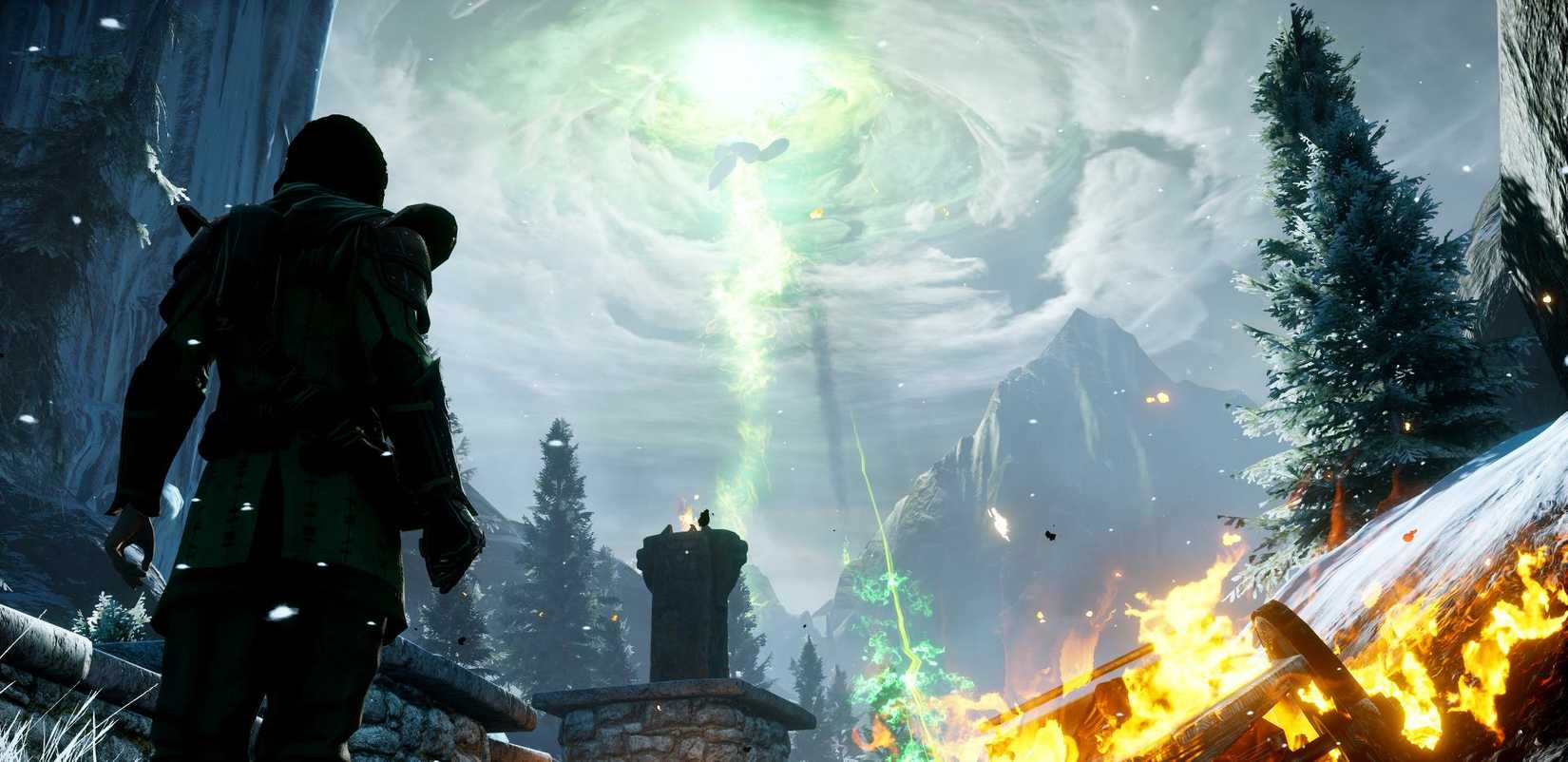 Image: BioWare/Electronic Arts
In many ways, Dragon Age: Inquisition is a return to form after the disappointing Dragon Age 2. When demonic portals open across the realm, players assume the role of Inquisitor: a champion chosen by the gods to thwart the crisis. They must navigate complex religious and political divides, steadily building enough influence to counter the demons. Therein lies the game's strength and weakness.
Inquisition expands the Dragon Age formula to biblical proportions. It has several vast sandboxes to explore, all stuffed with side quests, treasure, and fantastic foes. You'd better like this stuff, as it's mandatory for progression. Each story mission requires a set number of influence points; players gain those points by completing "optional" objectives. In layperson's terms, they must constantly put off the plot to do menial tasks. Apparently, the Inquisitor is a glorified errand boy.
1 Persona 5
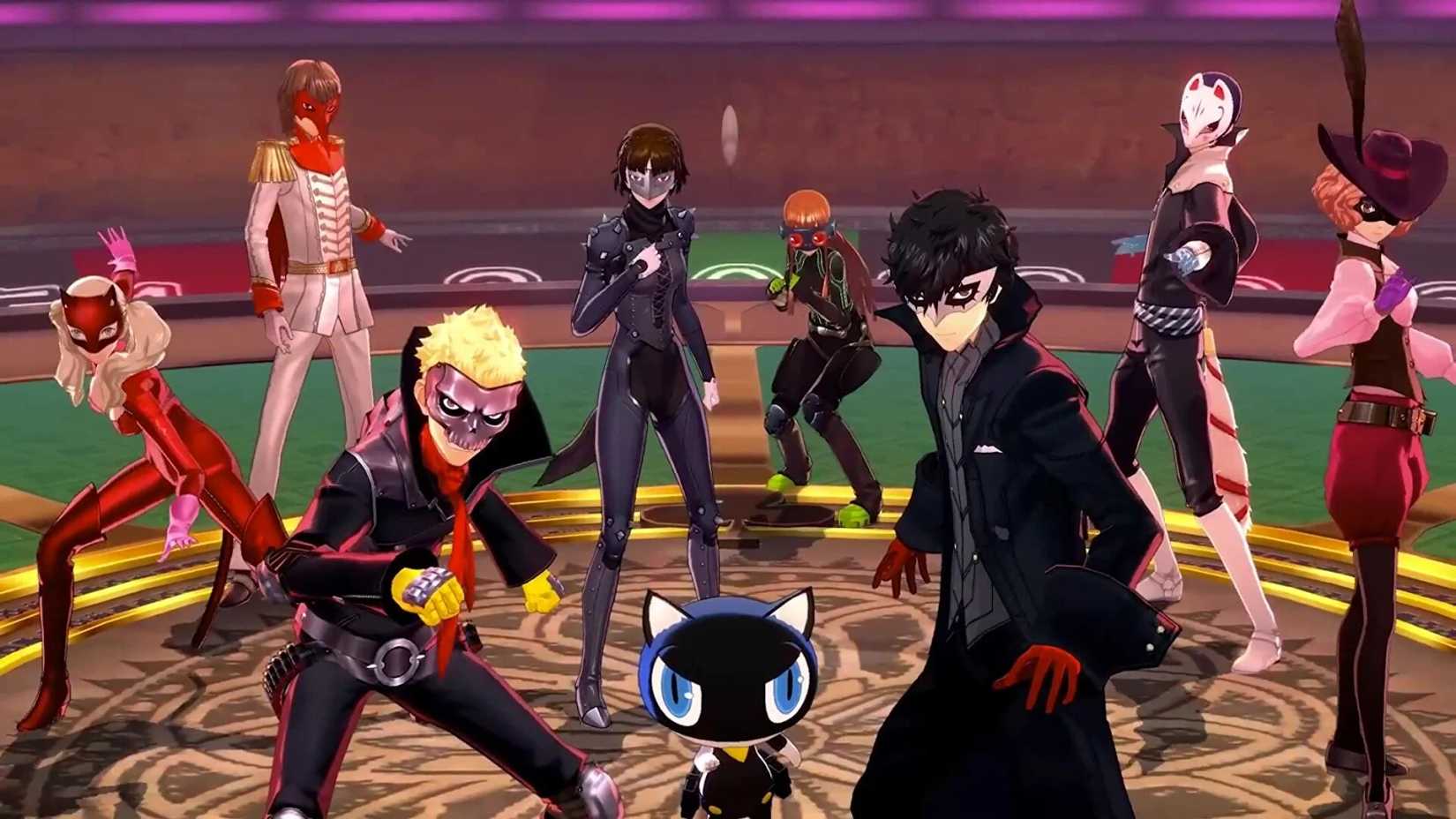 Image: Atlus/SEGA
Persona games usually run long, but the fifth title breaks that record. It follows a player protagonist, nicknamed "Joker," who's framed for a crime and transferred to a new school in Tokyo. As he adjusts to this unfamiliar locale, the resident adults begin falling to the Metaverse: a realm manifesting their worst thoughts. Joker and his friends must combat this threat with their own mental monsters (or "Personas"). This mission takes a full year of school and nearly the same amount of game time.
For the first dozen hours, Persona 5 seems like every otaku's dream. It fine-tunes the series' turn-based combat, social sims, and monster taming to near perfection. The final product is easily the most intuitive entry, but it's not quite as addictive as developers intended. As the in-game days tick by, players realize how little variety the structure has. It all boils down to teen banter, entering dungeons, and fighting bosses. Rather than furthering the plot, the cycle becomes a daily grind in real life. Life imitates art in the worst way. These problems culminate in a multi-hour climax so bloated that it leaves the most ardent fans utterly drained.



 English (US) ·