
 Image via HBO
Published Jun 15, 2026, 2:22 PM EDT
Christine is a freelance writer for Collider with two decades of experience covering all types of TV shows and movies spanning every genre. With a particular affinity for dramas, true crime, sitcoms, and thrillers, if it's a top TV show, Christine has likely watched it and is eager to share her thoughts. When she's not furiously writing away, you can find her enjoying the next binge obsession with a glass of wine in front of the TV.
Sign in to your Collider account
There are HBO shows that will go down in history as being among the most memorable for both the premium network and television, period, like The Sopranos, The Wire, and Sex and the City. But then there are shows that sort of came, went, and have fallen off the map. For whatever reason, these series did well when they were on the air, some receiving critical acclaim. But following their end, they have been largely forgotten.
From crime dramas to comedies, miniseries to episodic shows, these HBO classics are ones you'll want to pull out of the streaming vault today and watch, or re-watch. They boast talented casts, compelling stories, and will keep you entertained from beginning to end.
'Hung' (2009–2011)
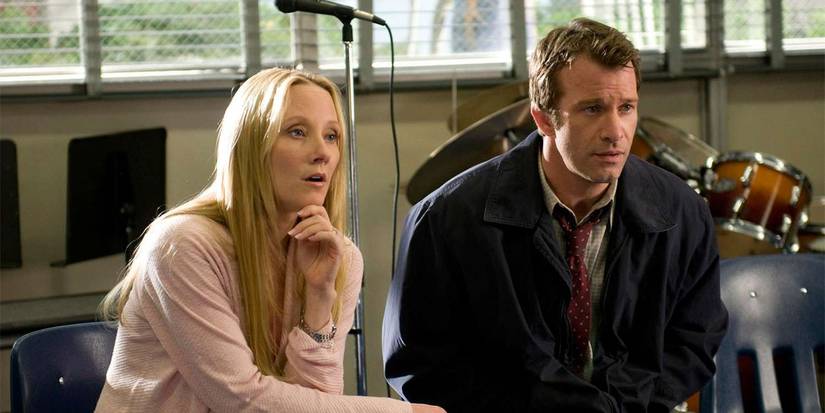 Image via HBO
In a flipping of the script, Hung stars Thomas Jane as Ray Drecker, a high school sports coach who, after a house fire and no insurance to cover the damages, finds himself in a precarious position. He needs money, and he needs it fast, so he turns to the world's oldest profession and begins working as a prostitute. Since his manhood happens to be above average size, finding clients is easier than he expected. With the help of his friend Tanya (Jane Adams), Ray begins a secret and lucrative business while putting his life back together.
Hung also stars the late Anne Heche as Ray's ex and, in the show's third season, adds Stephen Amell is a young, equally endowed competitor. The comedy drama is plenty hilarious, switching a premise we typically see with a female to putting the male in the hot seat, and it's refreshingly funny. The show isn't done in poor taste but reflects the desperation of a man and father who will do what it takes, bringing joy to lonely women through his aptly named company, Happiness Consultants.
'The Leftovers' (2014–2017)
Justin Theroux stars in The Leftovers, an underrated supernatural post-apocalyptic drama. It's about a catastrophic event that eliminates two percent of the global population, leaving survivors to deal with the aftermath of the Departure. Kevin Garvey (Theroux) is police chief, and together with his family and others he meets along the way, they try to rebuild civilization. However, society begins to fracture, and various cults emerge, each with its own distinct beliefs, which causes friction.
Most notable is Henry "Holy Wayne" Gilchrest Jr. (Paterson Joseph), who declares himself the second coming of Jesus, duping and controlling vulnerable people who believe him. While The Leftovers started very dark, it shifted focus in its second and third seasons. Interestingly, the series wasn't hugely popular when it was first airing, but it has since developed a cult following. That said, it's not one of the best-known HBO series, beloved by the small group of fans who appreciate its storytelling, direction, and depth.
'Rome' (2005–2007)
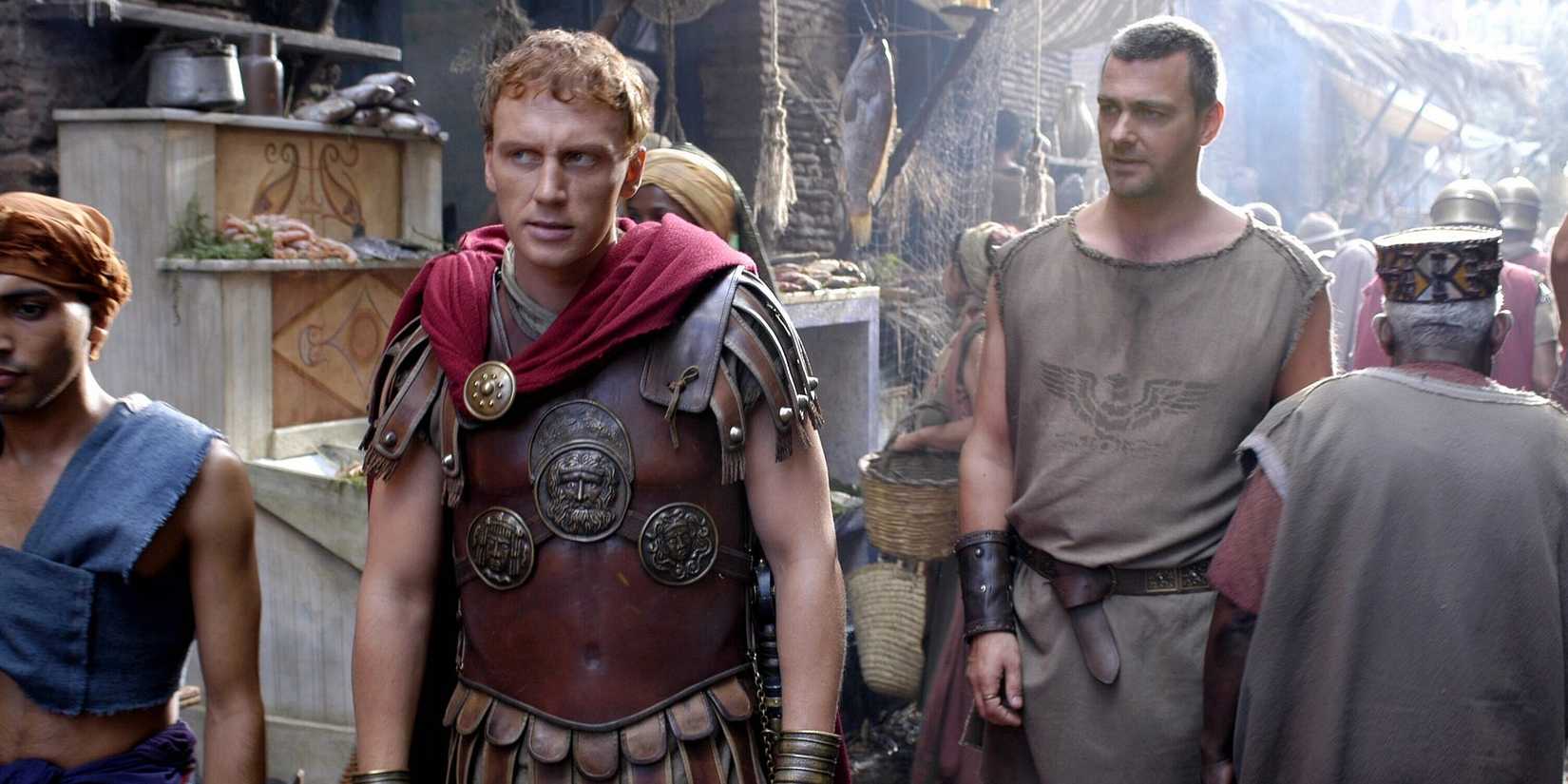 Image via HBO
More than 20 years ago, HBO offered up a compelling historical drama and one of the best shows about ancient Rome called Rome that stars Kevin McKidd and the late Ray Stevenson. They are soldiers Lucius Vorenus and Titus Pullo, respectively, involved in events during Ancient Rome's transition from a Republic to an Empire. Many characters were based on real-life people, though the stories are largely fictional.
As a co-production with the UK and Italy, Rome was a big undertaking that paid off: the show attracted big viewer numbers and plenty of awards and accolades. However, the high production costs meant it did not run for its planned five seasons, ending at two. Today, given the scope of shows like Game of Thrones, Rome may very well have been before its time. It is likely to have lasted much longer had it launched today.
'Landscapers' (2021)
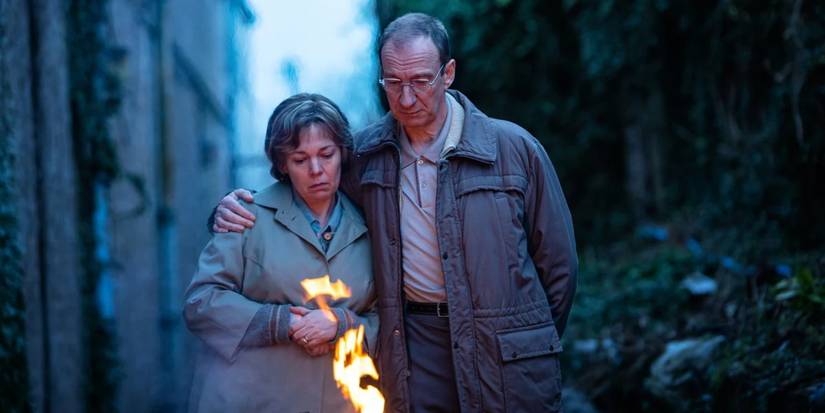 Image via HBO
Lasting just four episodes, Landscapers is a binge-worth British American true crime black comedy drama that is worth checking out today. Inspired by real events, Olivia Colman and David Thewlis play Susan and Christopher Edwards, a mild-mannered couple who shockingly murder Susan's parents and bury them in the garden. For more than a decade, no one knew of the crime while this couple continued their lives as if nothing had happened.
Based on the 1998 murders of William and Patricia Wycherley, Landscapers is a bingeworthy miniseries that no one remembers today, a fascinating tale that you won't believe is based on real events. Despite Colman's A-list Hollywood status, however, this is one of her lesser-known projects, overshadowed by all the work she has done before and since. But the show maintains an almost perfect 98% Rotten Tomatoes critics' score.
Collider Exclusive · Horror Survival Quiz Which Horror Villain Do You Have the Best Chance of Surviving? Jason Voorhees · Michael Myers · Freddy Krueger · Pennywise · Chucky
Five killers. Five completely different ways to die — if you're not smart enough, fast enough, or self-aware enough to avoid it. Only one of them is the villain your particular set of instincts gives you a fighting chance against. Eight questions will figure out which one.
🏕️Jason
🔪Michael
💤Freddy
🎈Pennywise
🪆Chucky
TEST YOUR SURVIVAL →
01
Something feels wrong. You can't explain it — you just know. What do you do? First instincts are the difference between the survivor and the first act casualty.
ALeave immediately. I don't need to understand a threat to respect it. BStay quiet and observe. If I can see it, I can understand it. If I can understand it, I can avoid it. CStay awake. Whatever this is, I am not going to sleep until I feel safe again. DConfront it directly. Fear grows in the dark — I'd rather know what I'm dealing with. ECheck everything, trust nothing. The threat might be closer than I think — and smaller.
NEXT QUESTION →
02
Where are you most likely to find yourself when things go wrong? Setting is everything in horror. Where you are determines which rules apply.
ASomewhere remote — a cabin, a campsite, off the grid and away from people. BA quiet suburban neighbourhood where nothing ever happens. Except tonight. CIn my own head — the most dangerous place of all, depending on what's already in there. DWherever children are — because something about this place attracts the worst things. ESomewhere ordinary — a house, a toy store, a place where the last thing you'd expect is a threat.
NEXT QUESTION →
03
What is your most reliable survival asset? Every survivor has a quality the villain didn't account for. What's yours?
APhysical fitness — I can run, I can swim, I can outlast something that relies on brute persistence. BSpatial awareness — I always know the exits, the hiding spots, the fastest route out. CPsychological resilience — I've faced my worst fears before. They don't have the same power over me. DEmotional steadiness — I don't panic. Panic is what gets you caught. EScepticism — I don't underestimate threats because of how they look. Size is irrelevant.
NEXT QUESTION →
04
What kind of fear is hardest for you to fight through? Knowing your weakness is the first step to not dying because of it.
AThe unstoppable — something that will not stop, cannot be reasoned with, and is always getting closer. BThe invisible — a threat I can feel but can't locate, watching from somewhere I can't see. CThe psychological — something that uses my own mind and memories against me. DThe unknowable — something ancient, shapeless, that feeds on the fear itself. EThe mundane — a threat so ordinary-looking that no one will believe me until it's too late.
NEXT QUESTION →
05
You're with a group when things start going wrong. What's your role? Horror movies are brutally clear about who survives group situations and who doesn't.
AThe one who says "we need to leave" first — and means it, even when no one listens. BThe one who stays quiet, watches the others, and figures out the pattern before anyone else does. CThe one who holds the group together when panic sets in — because someone has to. DThe one who asks the questions nobody wants to ask — because ignoring them gets people killed. EThe one who takes the threat seriously when everyone else is laughing it off.
NEXT QUESTION →
06
What's the horror movie mistake you're most likely to make? Honest self-assessment is a survival skill. Denial is not.
AGoing back for someone — I know I shouldn't, but I can't leave them behind. BAssuming I'm safe once I've found a hiding spot. That's when it finds me. CFalling asleep when I absolutely cannot afford to. Exhaustion is its own enemy. DLetting my curiosity override my instincts — I always need to understand what I'm dealing with. EDismissing the threat because of how it looks. That's exactly what it wants.
NEXT QUESTION →
07
What's your best weapon against something that can't be stopped by conventional means? Every horror villain has a weakness. The survivors are always the ones who find it.
AThe environment itself — I use the terrain, the water, the geography against it. BPatience — I wait, I watch, and I strike at the one moment it doesn't expect. CLucidity — if I can stay in control of my own mind, it loses its primary weapon. DCourage — facing it directly, refusing to run, taking away the fear it feeds on. EImprovisation — I use whatever's at hand, however unconventional. Creativity over brute force.
NEXT QUESTION →
08
It's the final scene. You're the last one standing. How did you make it? The final survivor always has a reason. What's yours?
AI kept moving. I never stopped, never hid for too long, never let it corner me. BI figured out the pattern before anyone else did — and I used it against the thing following it. CI stayed awake, stayed lucid, and refused to give it the one thing it needed most. DI stopped being afraid of it. And the moment I did, everything changed. EI took it seriously from the start — and I never once made the mistake of underestimating it.
REVEAL MY VILLAIN →
Your Survival Odds Have Been Calculated Your Best Chance Is Against…
Your instincts, your strengths, and your particular way of thinking under pressure point to one villain you actually have a fighting chance against. Everyone else — good luck.
Jason Voorhees
Jason is relentless, but he is also predictable — and that is the gap you would exploit.
- He moves in straight lines toward his target. He doesn't strategise, doesn't adapt, doesn't outsmart. He simply pursues.
- Your ability to keep moving, use the environment, and resist the panic that freezes most victims gives you a genuine edge.
- The Crystal Lake survivors were always the ones who stopped running in circles and started thinking about terrain, water, and distance.
- You think like that. Which means Jason, for all his indestructibility, would face someone who simply refused to be where he expected.
Michael Myers
Michael watches before he moves. He is patient, methodical, and almost impossible to detect — until it's too late for anyone who isn't paying close enough attention.
- But you are paying attention. You notice the shape in the window, the car parked slightly wrong, the silence where there should be sound.
- Michael's power lies in the invisibility of ordinary suburbia — the fact that nothing ever looks wrong until it already is.
- Your spatial awareness and instinct to map every room, every exit, and every shadow before you need them is precisely the quality Laurie Strode had.
- You are not a victim waiting to happen. You are someone who already suspects something is wrong — and acts on it.
Freddy Krueger
Freddy wins by getting inside your head — using your own fears, your own memories, your own subconscious as weapons against you. That strategy requires a target who can be destabilised.
- You are harder to destabilise than most. You've faced uncomfortable truths about yourself and you haven't looked away.
- The survivors on Elm Street were always the ones who understood what was happening and chose to face it rather than flee from it.
- Freddy's greatest weakness is that his power evaporates in the presence of someone who refuses to give him the fear he feeds on.
- Your psychological resilience — the ability to stay grounded when reality itself becomes unreliable — is exactly the quality that keeps you alive here.
Pennywise
Pennywise is ancient, shapeshifting, and feeds on terror — but it has one critical vulnerability: it cannot function against someone who genuinely stops being afraid of it.
- The Losers Club didn't survive because they were braver than everyone else. They survived because they faced their fears together, and faced them honestly.
- You ask the questions others avoid. You look directly at what frightens you rather than turning away.
- That directness — the refusal to let fear fester in the dark — is Pennywise's worst nightmare.
- It chose the wrong target when it chose you. You are exactly the kind of person whose fear tastes like nothing at all.
Chucky
Chucky's greatest advantage is that nobody takes him seriously until it's already too late. He exploits the gap between how something looks and what it actually is.
- You don't have that gap. You take threats seriously regardless of how they present — and you never make the mistake of underestimating something because of its size or appearance.
- Chucky relies on surprise, on the delay between recognition and response. You close that delay faster than almost anyone.
- Your instinct to treat every unfamiliar thing with appropriate scepticism — rather than dismissing it because it seems absurd — is the exact quality that keeps you breathing.
- Against Chucky, not laughing is already winning. You are very good at not laughing.
↻ RETAKE THE QUIZ
'Bored to Death' (2009–2011)
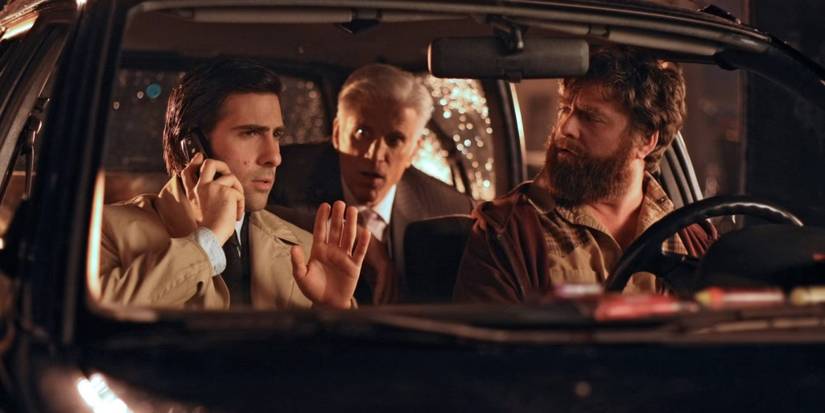 Image via HBO
Fans were anything but bored watching Bored to Death, even campaigning for the show to return when it was cancelled after three seasons. This led to rumors of a potential follow-up film that never came to fruition. The comedy stars Jason Schwartzman as Jonathan Ames, a New York City-based writer who is struggling to pen his next novel, and moonlights as a private investigator. But he's not exactly good at the job. While Ames is a fictional character, he is based on the real author of the same name, who also created the show.
The series has a star-studded cast that also includes Zach Galifianakis as Jonathan's best friend and Ted Danson as his editor and father figure. Airing for three seasons, Bored to Death was praised for its writing and acting, a memorable show airing after Curb Your Enthusiasm in the premium network's primetime lineup.
'Enlightened' (2011–2013)
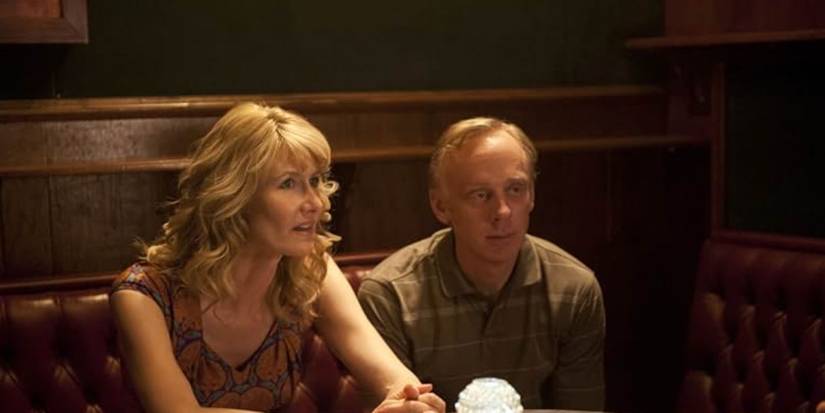 Image via HBO
Airing for just two seasons, the Mike White series Enlightened stars Laura Dern as Amy Jellicoe, a 40-year-old woman who returns home after spending time in a treatment facility following a mental breakdown. She was demoted at work but fails to take accountability for the fact that her downfall is the result of her own self-destructive behavior, including heavy drinking and having an affair with her married boss.
After some quiet time to reflect, Amy realizes she needs to follow a different path, and she works towards inner healing, self-help, and meditation. But others around her aren't so convinced she can stick with this calmer routine. Enlightened follows Amy's journey to enlightenment with healthy doses of both comedy and drama. It's a show that tackled the topic of mental health long before this was common on television.
'Generation Kill' (2008)
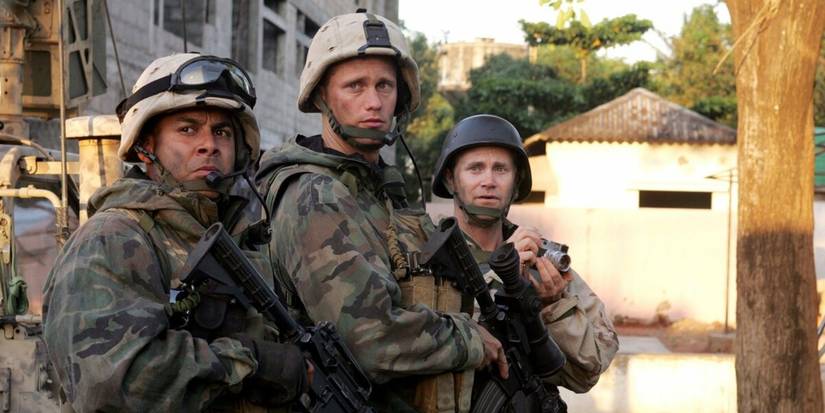 Image via HBO
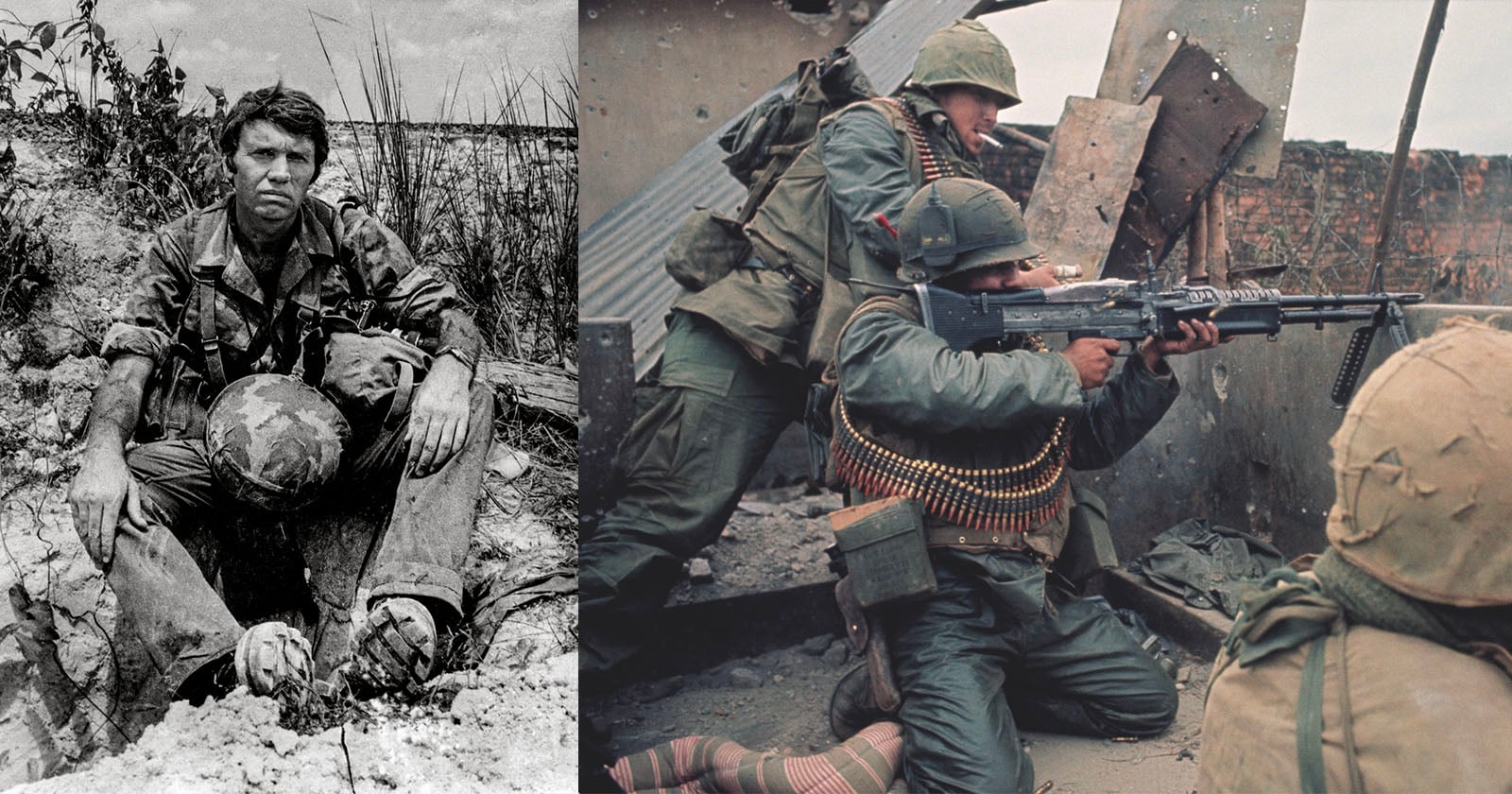
A seven-part miniseries, Generation Kill, like other HBO shows, has a pretty jam-packed cast including Alexander Skarsgård, Lee Tergesen, Jon Huertas, and Marc Menchaca. Set during the 2003 invasion of Iraq and based on the Evan Wright book of the same name, the series follows the 1st Reconnaissance Battalion of the US Marine Corps and reporter Wright, played by Tergesen, who is covering the events.
Aiming to offer a realistic account, Generation Kill is in the same vein as other shows like The Pacific and Band of Brothers, yet it doesn't receive as much fanfare as those shows. The series earned positive reviews for its authenticity and attention to detail, and an intense and gripping look at the beginnings of war.
'Tanner '88' (1988)
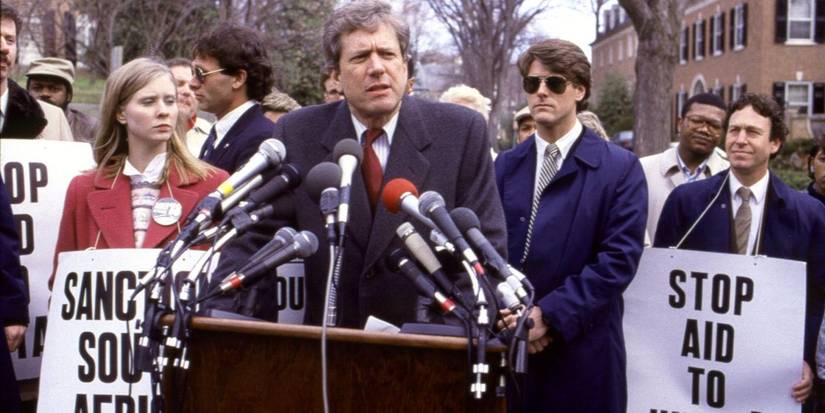 Image via HBO
Decades before Veep, which coincidentally is also an HBO show, and even long before mockumentary style shows were a trend, there was Tanner '88. The most essential HBO miniseries, written by Gary Trudeau, strategically aired right before the 1988 U.S. presidential election, which saw George H. W. Bush eventually defeat Michael Dukakis for the presidency. In this series, however, it's about Jack Taner (Michael Murphy), a fictional former Michigan U.S. representative who is hoping to secure the Democratic Party nomination.
The series features appearances and cameos from real-life political figures, including Bob Dole, Kitty Dukakis, and Jesse Jackson, and centers around Tanner's moves to find his voice. This ironically includes strategies and tricks to promote his authenticity and integrity. Initially, Tanner '88 was not well reviewed. Viewers and critics were arguably unsure of what to do with such an original concept show. But in the decades since, the satire and wit of the series has been recognized as being ahead of the TV curve. Considering how both mockumentary sitcoms and reality TV have blown up in the 21st century, Tanner '88 was onto something. But it's largely forgotten as one of the shows that helped pave the way.
'We Own This City' (2022)
 Image via HBO
Jon Bernthal is on a hot streak of late, with roles in everything from Punisher to The Odyssey and The Bear, as well as performing in Dog Day Afternoon on Broadway. All this work has overshadowed a smaller but powerful crime drama he was in just a few years ago. We Own This City is based on the nonfiction book Baltimore Sun by Justin Fenton and tells the story of Sergeant Wayne Jenkins (Bernthal), a corrupt officer who went on to be convicted of corruption alongside other members of his gun trace task force team.
The six-episode miniseries tells the story in a non-linear fashion with flashbacks to help set up not only Jenkins as a cop who engaged in bad behavior, but also as a flawed human who loved his family. The series has drawn comparisons to The Wire, a darker look at law enforcement from a different lens, sharp and pointed commentary on systemic corruption. Bernthal is widely praised for his performance, and given his other projects since, it's prime time to check out this show you might have missed.
'The Corner' (2000)
 Image via HBO
Another show that has drawn comparisons to The Wire, The Corner is dark and gritty, a story of the drug-infested streets of Baltimore. Based on the non-fiction book The Corner: A Year in the Life of an Inner-City Neighborhood by David Simon and Ed Burns, both of whom worked on The Wire as well, Burns also on Generation Kill and We Own This City, the show quietly made waves as a precursor to The Wire, which came two years later.
The focus is on one family who lives in the center of a poverty-stricken area and their hardships with drugs, money, and familial strife. The series is a perfect tie-in to The Wire, that very corner depicted on the show. There are also many character crossovers with Homicide: Life on the Street, one of the most groundbreaking crime shows. The Corner is one of the best but also the most forgotten drama from a team that seems to have perfected the genre.





 English (US) ·