
 Image via Universal Pictures
Published Jun 4, 2026, 11:03 PM EDT
Ryan Heffernan is a Senior Writer at Collider. Storytelling has been one of his interests since an early age, with his appreciation for film and television becoming a particular interest of his during his teenage years.
This passion saw Ryan graduate from the University of Canberra in 2020 with an Honours Degree in Film Production. In the years since, he has found freelance work as a videographer and editor in the Canberra region while also becoming entrenched in the city's film-making community.
In addition to cinema and writing, Ryan's other major interest is sport, with him having a particular love for Australian Rules football, Formula 1, and cricket. He also has casual interests in reading, gaming, and history.
Sign in to your Collider account
Fantasy cinema has a unique allure. With its otherworldly appeal and transfixing high-concept nature, it can truly captivate an audience from the opening scene and keep them immersed right up until the credits roll. However, having the ability to do something and actually doing it are two entirely different things. Showcasing the mesmerizing majesty of fantasy cinema in all its glory, these films are all perfect examples of the genre from start to finish.
As another testament to the brilliance of fantasy filmmaking, they also encompass everything from sweeping epics set in mystic realms to grounded dramas that illuminate the sense of magic, adventure, and imaginative awe present in our very own world. From modern masterpieces to Old Hollywood classics, from triumphs of animation to thought-provoking and cerebral drama, these fantasy movies are truly faultless from beginning to end.
'The Lord of the Rings' Trilogy (2001-2003)
Entirely entrancing throughout every single second of its extensive 9-hour runtime (over 11 hours in the case of the extended editions), The Lord of the Rings trilogy is the defining masterpiece of high fantasy cinema. Based on J. R. R. Tolkien’s epic novel, it follows the members of the Fellowship of the Ring as they set out to take a ring of terrible power to the fires of Mount Doom to be destroyed.
Every single aspect of the trilogy is an achievement to behold: the gorgeous cinematography and meticulous integration of visual and practical effects to the scale of the battle sequences, the detail of the set design and costuming, and even the ensnaring atmospheric allure of Howard Shore’s impeccable score. From Galadriel’s (Cate Blanchett) opening monologue detailing the history of Middle-earth and the quiet charm of The Shire, through all the kingdoms and characters of the world, right up until the heartbreakingly beautiful final moments, The Lord of the Rings trilogy is a stunning feat of fantasy filmmaking.
'The Seventh Seal' (1957)
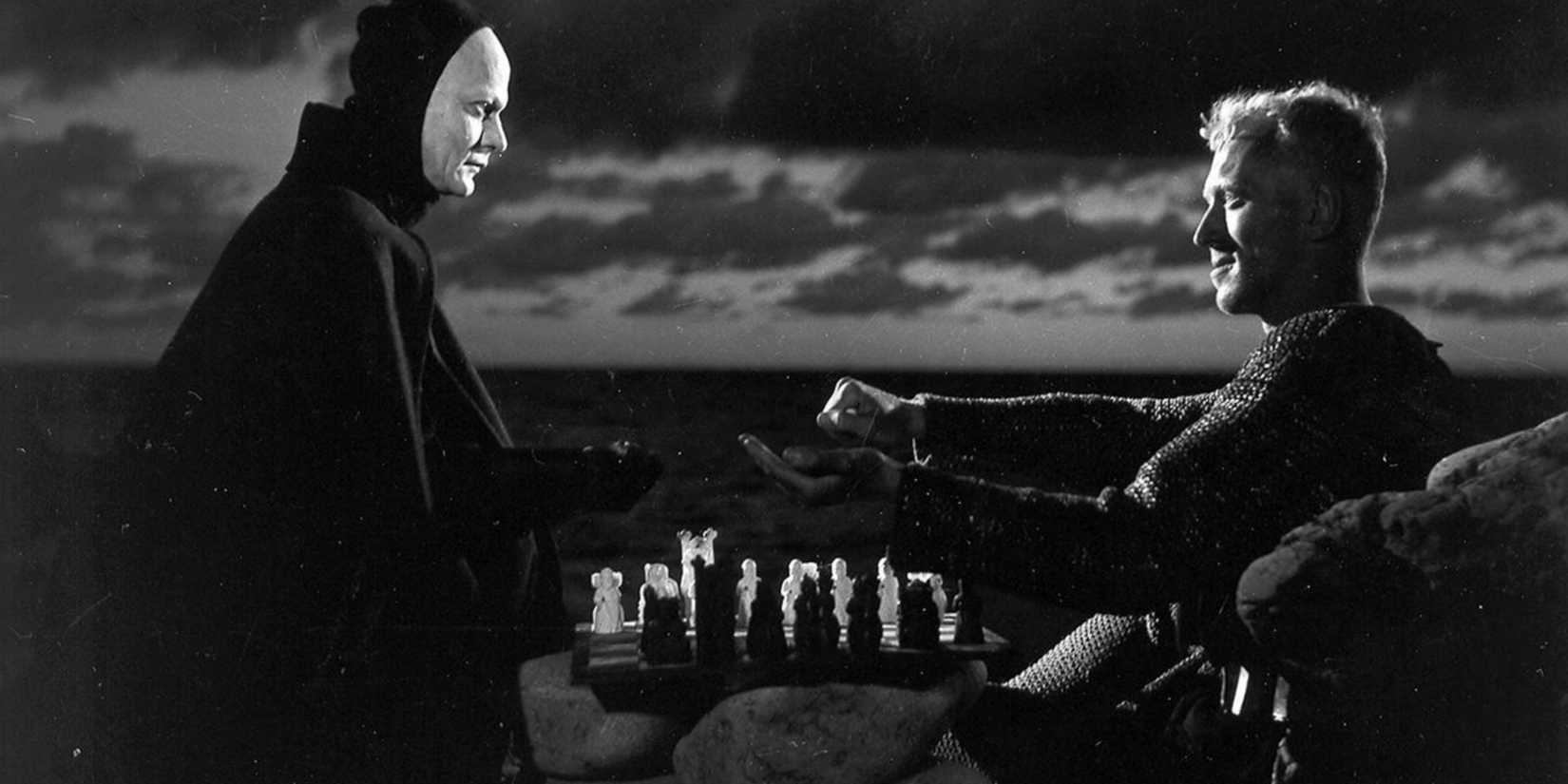 Image via AB Svensk Filmindustri
Ingmar Bergman produced several medium-defining masterpieces throughout his illustrious career, renowned for their meditative style and his philosophical depth; The Seventh Seal is perhaps the best example. The historical fantasy drama follows a knight of the Crusades as he returns to his homeland to find it decimated by plague. As he explores the ruins of his native land, Antonius (Max von Sydow) is also visited by Death (Bengt Ekerot), challenging him to a game of chess for his life.
Bergman’s ability to juxtapose piercing contemplations on mortality and faith with life-affirming celebrations of humanity makes The Seventh Seal a compelling viewing from start to finish. The moody atmospheric pull of its striking black-and-white imagery ensnares from the outset. Beautiful, thought-provoking, and rich with intriguing insights into the human condition, it is a timeless triumph of fantasy cinema that oozes perfection in everything it does.
'Harvey' (1950)
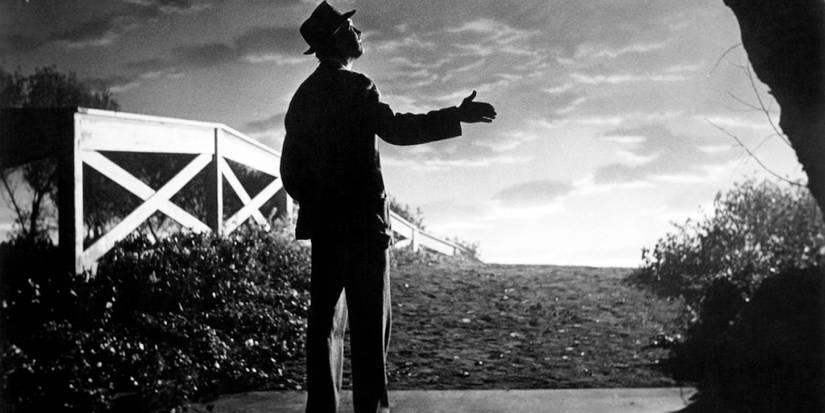 Image via Universal Pictures
Fantasy cinema has rarely been as touching and tender as it is in Harvey. Based on Mary Chase’s play of the same name, it follows Elwood P. Dowd (James Stewart) as his family tries to admit him to a psychiatric hospital due to his friendship with Harvey, an invisible six-foot-tall talking rabbit. As one misadventure leads to another in delightful fashion, it starts to become clear that Harvey might be far more than a figment of Elwood’s imagination.
Gentle, charming, and deftly wise, Harvey is a beautiful yet often melancholic observation of humanity at its best. Stewart is at his heartwarming best from the opening moments, championing the essence of curiosity, empathy, and unassuming acceptance as strengths of character in a world of cynics who all think they know everything that can and cannot exist. Not only a gorgeous, grounded fantasy that suggests magic exists in the world around us, but a razor-sharp social satire as well, Harvey is a masterpiece of family drama that flaunts a timeless message of the importance of being pleasant.
'Pirates of the Caribbean: The Curse of the Black Pearl' (2003)
 Image via Walt Disney Studios Motion Pictures
Combining infectious adventure, swashbuckling action, sweeping romance, and slapstick comedy all under the guise of a period fantasy epic, Pirates of the Caribbean: The Curse of the Black Pearl epitomizes fantasy cinema and blockbuster spectacle at its most energized and entertaining. It holds a magical mystique from the opening prologue, enthralling viewers in a pirate age laced with dark magic and evil curses, and only builds momentum throughout the rest of its 143-minute runtime.
Here, we have a mesmerizing medley of richly designed and memorable characters, seafaring adventure, a deceptively intricate story, and some of the most audacious and awe-inspiring action sequences blockbuster cinema has seen. The 2003 fantasy presents a treat of high-concept creativity and endlessly intoxicating fun. Defined by Johnny Depp’s iconic and brilliantly chaotic turn as the gleefully eccentric Captain Jack Sparrow, The Curse of the Black Pearl is fantasy adventure in its purest and most pleasurable form.
'Mary Poppins' (1964)
 Image via Walt Disney Studios Motion Pictures
More than 60 years later, Mary Poppins remains a staple of family entertainment courtesy of Julie Andrews’s iconic performance and its graceful balancing of whimsical fairy tale fun and the grounded evolution of the Banks family. Perhaps the perfect example of a flat arc narrative—a story where the protagonist doesn’t change or develop, but rather sees their innate qualities change the world and characters around them—it is an ageless gem of cinema bolstered by its ravishing musical allure and enduring visual splendor.
Inviting, charming, and ceaselessly feel-good, Mary Poppins follows the titular nanny as she uses her magical talents to mend the mischievous nature of the Banks children while creating a sense of harmony and happiness in the family environment. For decades, the film has transcended generations, touched the hearts of viewers of all ages, and stood as a defining pillar of fantasy cinema at its most enrapturing and universally accessible.
'It’s a Wonderful Life' (1946)
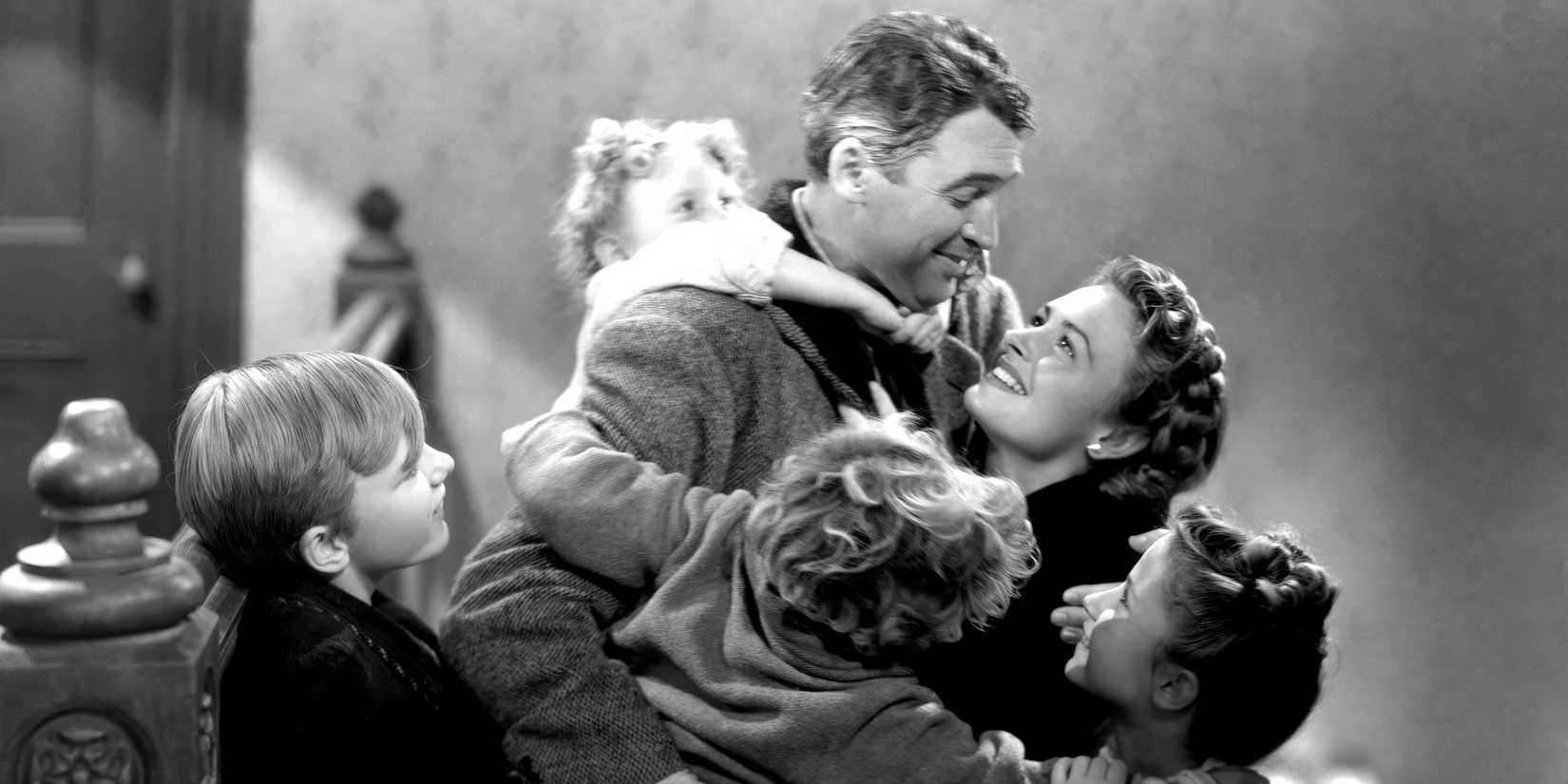 Image via Paramount Pictures
The opening of It’s a Wonderful Life is simple yet deceptively brilliant. It features a montage of prayers for the struggling George Bailey (James Stewart) that melt away into a charming conversation between God, Joseph, and the wingless angel Clarence (Henry Travers) depicted in glistening stars. It may seem rudimentary by modern standards, but it is infectiously endearing, immersing viewers in the gentle optimism and heartwarming idealism that punctuates every beat of the story.
The journey through George’s life is laced with sweet sincerity. The twist of him seeing how Bedford Falls would have turned out had he never been born is steeped in heartbreaking despair, and the grand climax is as powerful an ode to the beauty of life and humanity as cinema has ever seen. Grounded in Stewart’s sublime performance as an ordinary community hero who seldom grasps the influence his good nature has on those around him, It’s a Wonderful Life is a life-affirming triumph that, even after 80 years, remains one of fantasy cinema’s greatest offerings.
Collider Exclusive · Oscar Best Picture Quiz
Which Oscar Best Picture
Is Your Perfect Movie?
Parasite · Everything Everywhere · Oppenheimer · Birdman · No Country
Five Oscar Best Picture winners. Five completely different visions of what cinema can be — and what it can do to you. One of them is the film that was made for the way your mind works. Ten questions will figure out which one.
🪜Parasite
🌀Everything Everywhere
☢️Oppenheimer
🐦Birdman
🪙No Country for Old Men
FIND YOUR FILM →
01
What kind of film experience do you actually want? The best movies don't just entertain — they leave something behind.
ASomething that pulls the rug out — that makes me think I'm watching one kind of film and then reveals I'm watching another entirely. BSomething overwhelming — funny, sad, absurd, and genuinely moving, all at once. CSomething grand and weighty — a film that makes me feel the full scale of what I'm watching. DSomething formally daring — a film that pushes what cinema can even do. ESomething lean and relentless — pure tension with no wasted frame.
NEXT QUESTION →
02
Which idea grabs you most in a film? Great films are driven by a central obsession. What's yours?
AClass, inequality, and what people are willing to do when desperation meets opportunity. BIdentity, family, and the chaos of trying to hold your life together when everything is falling apart. CGenius, moral responsibility, and the catastrophic weight of a decision you can never take back. DEgo, legacy, and the terror of becoming irrelevant while you're still alive to watch it happen. EEvil, chance, and whether moral order actually exists or if we just tell ourselves it does.
NEXT QUESTION →
03
How do you like your story told? Form is content. The way a story is shaped changes what it means.
AGenre-twisting — I want it to start in one lane and migrate into something completely different. BMaximalist and genre-blending — comedy, action, drama, sci-fi, all in one ride. CEpic and non-linear — cutting between timelines, building a mosaic of cause and consequence. DA single unbroken flow — I want to feel like I'm living it in real time, no cuts to safety. ESpare and precise — every scene doing exactly what it needs to do and nothing more.
NEXT QUESTION →
04
What makes a truly great antagonist? The opposition defines the protagonist. What kind of opposition fascinates you?
AA system — invisible, structural, and almost impossible to fight because it has no single face. BThe self — the ways we sabotage, abandon, and fail the people we love most. CHistory — the unstoppable momentum of events that no single person can stop or redirect. DThe industry — the machinery of culture that chews up talent and spits out irrelevance. EPure, implacable evil — a force so certain of itself it becomes almost philosophical.
NEXT QUESTION →
05
What do you want from a film's ending? The final note is the one that lingers. What do you want it to sound like?
AShock and inevitability — a conclusion that recontextualises everything that came before it. BEarned emotion — I want to cry, laugh, and feel genuinely hopeful, even if the world is a mess. CDevastation and grandeur — an ending that makes me sit in silence for a few minutes after. DAmbiguity — something that leaves enough open that I'm still thinking about it days later. EBleakness — an honest refusal to pretend the world is tidier than it actually is.
NEXT QUESTION →
06
Which setting pulls you in most? Where a film takes place shapes everything — mood, stakes, what's even possible.
AA gleaming modern city with a hidden underside — beauty masking rot, wealth masking desperation. BA collapsing suburban life that opens onto something infinite — the multiverse of a single ordinary person. CThe corridors of power and science at a world-historical turning point — where decisions echo for decades. DThe grimy, alive chaos of New York and Hollywood — fame as both destination and trap. EVast, indifferent landscape — desert and highway where violence arrives without warning or reason.
NEXT QUESTION →
07
What cinematic craft impresses you most? Every great film has a signature — a technical or artistic element that makes it unmistakable.
AProduction design and mise-en-scène — every frame composed to carry meaning beneath the surface. BEditing and tonal control — the ability to move between registers without losing the audience. CScore and sound design — music that becomes inseparable from the dread and awe of what you're watching. DCinematography as performance — the camera not recording events but participating in them. ESilence and restraint — what's left unsaid and unshown doing more work than any dialogue could.
NEXT QUESTION →
08
What kind of main character do you root for? The protagonist is the lens. Who you choose to follow says something about you.
ASomeone smart and resourceful who makes increasingly dangerous decisions under pressure. BSomeone overwhelmed and ordinary who turns out to be capable of something extraordinary. CA brilliant, tortured figure whose gifts and flaws are inseparable from each other. DA self-destructive artist whose ego is both their superpower and their undoing. EA quiet, principled person trying to make sense of a world that has stopped making sense.
NEXT QUESTION →
09
How do you feel about a film that takes its time? Pace is a choice. Some films sprint; others let tension accumulate slowly, deliberately.
AI love a slow build when I know the payoff is going to be seismic — patience for a devastating reveal. BGive me relentless momentum — I want to feel breathless and emotionally spent by the end. CEpic runtime doesn't scare me — if the material demands three hours, give me three hours. DI want it to feel propulsive even when nothing is technically happening — restless energy throughout. EDeliberate and unhurried — I want dread to accumulate in the spaces between the action.
NEXT QUESTION →
10
What do you want to feel walking out of the cinema? The best films leave a mark. What kind of mark do you want?
AUnsettled — like I've just seen something I can't fully explain but can't stop thinking about. BMoved and energised — like the film reminded me what actually matters and gave me something to hold onto. CHumbled — like I've been in the presence of something genuinely important and overwhelming. DExhilarated — like I've just seen cinema doing something it's never quite done before. EHaunted — like a cold, quiet dread that stays with me for days.
REVEAL MY FILM →
The Academy Has Decided Your Perfect Film Is…
Your answers have pointed to one Oscar Best Picture winner above all others. This is the film that was made for the way your mind works.
Parasite
You are drawn to films that operate on multiple levels simultaneously — that begin in one genre and quietly, brilliantly migrate into another. Bong Joon-ho's Parasite is a film about class, desire, and the architecture of inequality that manages to be darkly funny, deeply suspenseful, and genuinely shocking across a single extraordinary running time. Your instinct is for cinema that hides its true intentions until the moment it's ready to reveal them. Parasite is exactly that — a film that rewards close attention and punishes assumptions, right up to its devastating final image.
Everything Everywhere All at Once
You want it all — and this film gives you all of it. The Daniels' Everything Everywhere All at Once is one of the most maximalist films ever made: action comedy, multiverse sci-fi, family drama, existential crisis, and a genuinely earned emotional core that sneaks up on you amid the chaos. You are someone who responds to ambition, who doesn't want cinema to choose between being entertaining and being meaningful. This film refuses that choice entirely. It is overwhelming by design, and its overwhelming nature is precisely the point — because the feeling of being crushed by infinite possibility is exactly what it's about.
Oppenheimer
You are drawn to cinema on a grand scale — films that understand history not as a backdrop but as a force, and that place their characters inside that force and watch what happens. Christopher Nolan's Oppenheimer is a film about the terrifying gap between what we can do and what we should do, told with the full weight of one of the most consequential moments in human history behind it. You want your films to feel important without feeling self-important — to earn their ambition through sheer craft and the gravity of their subject. Oppenheimer does exactly that. It is enormous, complicated, and refuses easy comfort.
Birdman
You are drawn to films that foreground their own construction — that make the how of the filmmaking part of the what it's about. Alejandro González Iñárritu's Birdman, shot to appear as a single continuous take, is cinema examining itself through the cracked mirror of a fading actor's ego. You respond to formal daring, to the feeling that a film is doing something that probably shouldn't be possible. Michael Keaton's performance and Emmanuel Lubezki's restless camera create something genuinely unlike anything else — a film that is simultaneously about creativity, relevance, self-destruction, and the impossibility of ever truly knowing if your work means anything at all.
No Country for Old Men
You are drawn to cinema that trusts silence, that refuses to explain itself, and that treats dread as a form of meaning. The Coen Brothers' No Country for Old Men is a film about the arrival of a new kind of evil — implacable, arbitrary, and utterly indifferent to the moral frameworks we use to make sense of the world. It is one of the most formally controlled films ever made, and its controlled restraint is what makes it so terrifying. You want your films to haunt you, not comfort you. You are not interested in resolution if resolution would be dishonest. No Country for Old Men is honest in a way that most cinema never dares to be.
↻ RETAKE THE QUIZ
'Pan’s Labyrinth' (2006)
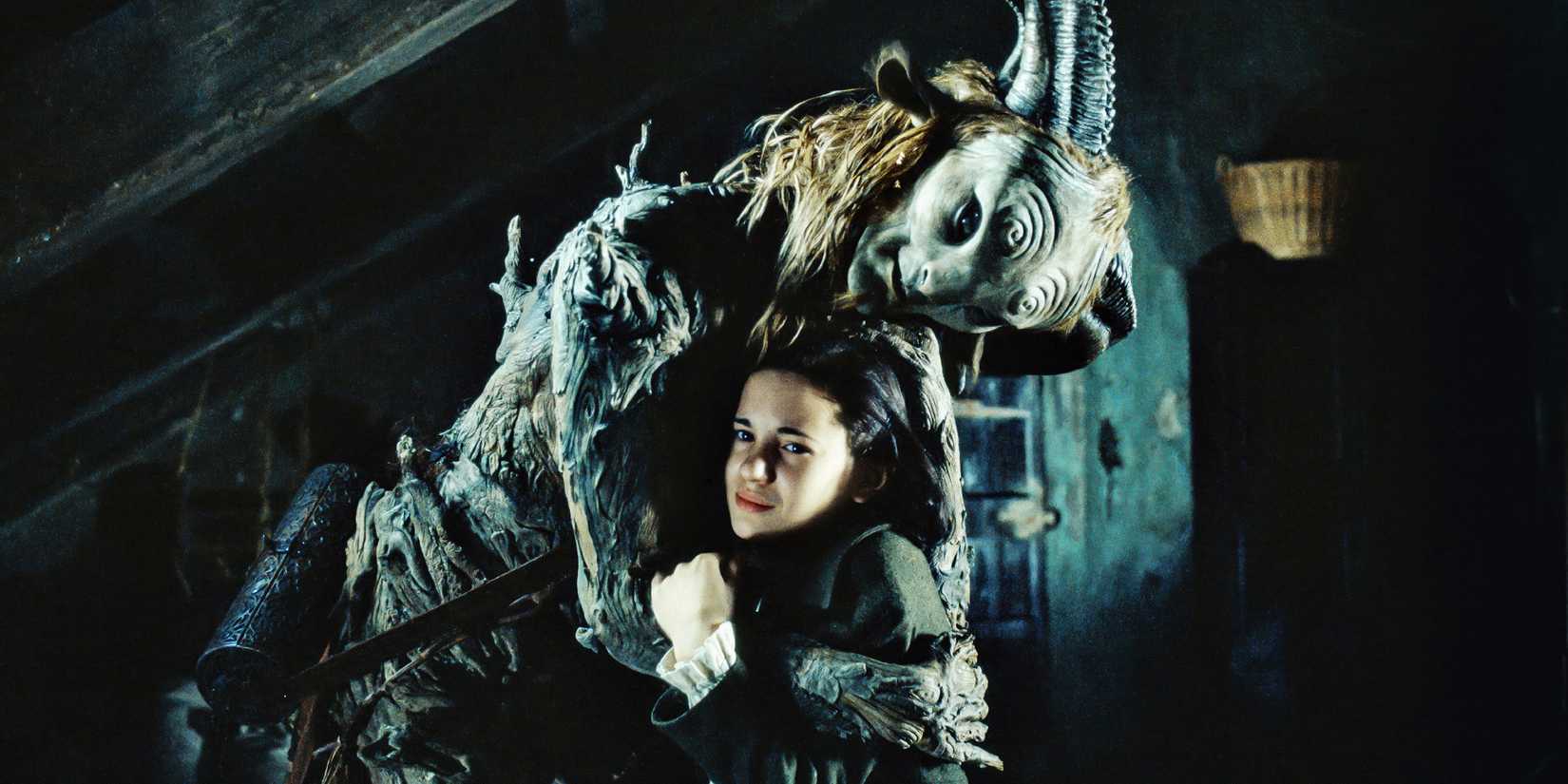 Image via Warner Bros. Pictures
One of the most beloved international movies ever made, Pan’s Labyrinth exhibits Guillermo del Toro’s astonishing Gothic dark fantasy allure at its absolute best. Excelling as both a twisted fairy tale and a violent depiction of the evil of war, it follows young Ofelia (Ivana Baquero) as she and her heavily pregnant mother are whisked away to be with the vile Captain Vidal (Sergi López), the father of the unborn child. Amid the chaos of Francoist Spain and the savagery of the civil war, Ofelia is told by a mystical faun that she can retake her place as the princess of the Underworld if she completes three trying tasks.
Nightmarish and beautiful, Pan’s Labyrinth captivates from its opening moments. It uses both wonder and brutality to conjure an endlessly enthralling spectacle of the complex morality of mankind, the power of disobedience and resistance, and, of course, the otherworldly awe of the Underworld and its creatures, be they marvelous or monstrous. A sublime visual treat, an emotionally enriching adventure, and a masterclass in dark fairy tale splendor, Pan’s Labyrinth stands tall among the greatest fantasy movies of all time.
'Spirited Away' (2001)
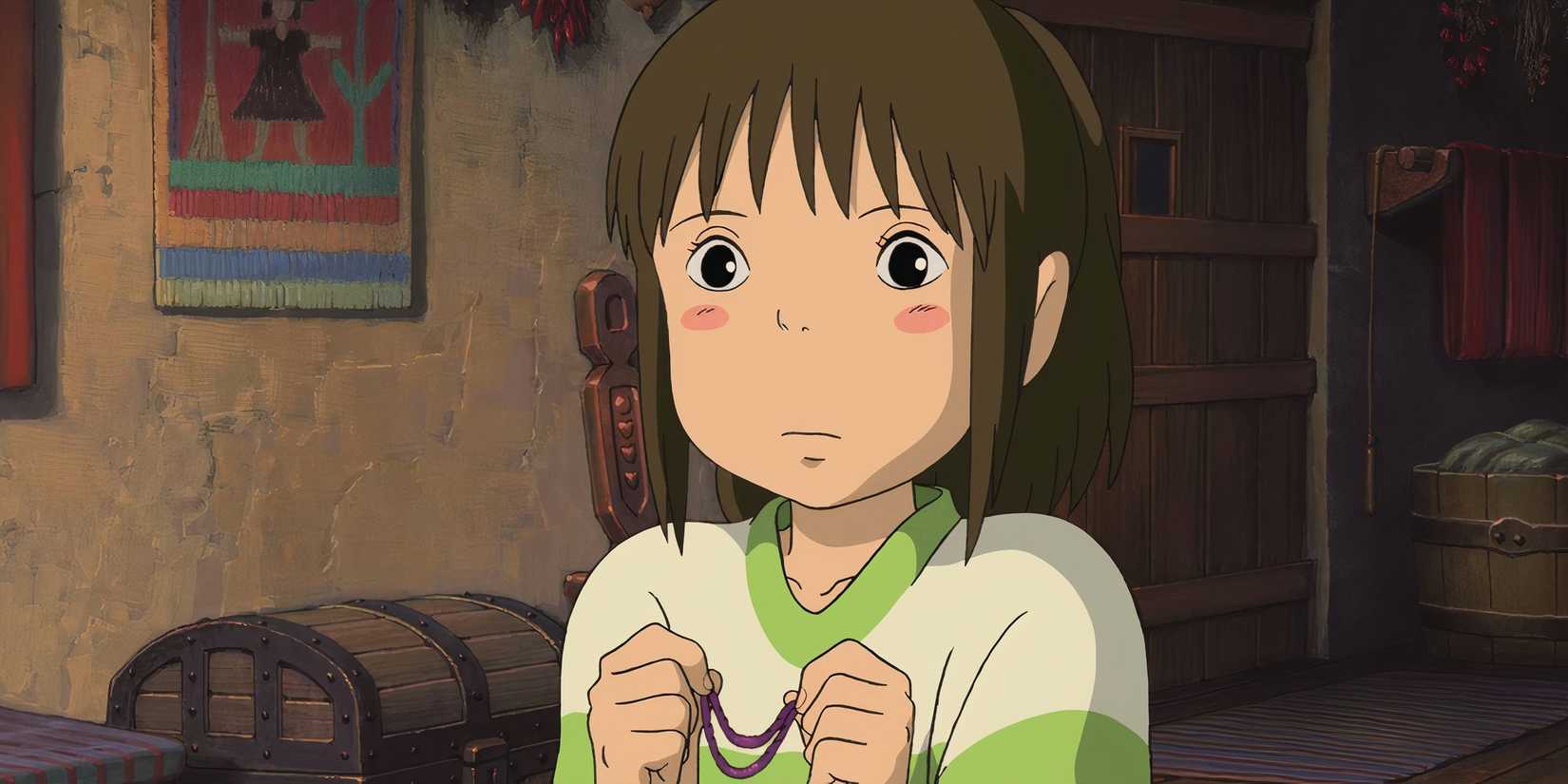 Image via Studio Ghibli
Even with its gentle and relaxed opening, Spirited Away exudes an engulfing majesty from its first frames. It's a testament to the divine majesty of its animation and atmospheric richness, but it also serves as a masterstroke from Hayao Miyazaki in immersing viewers in grounded, real-world simplicity before stepping into a realm of unbridled fantasy spectacle. When Chihiro (Rumi Hiiragi/Davleigh Chase) does step into the magical world, audiences are transfixed by its colorful allure, imaginative brilliance, and its deft mixture of sheer wonder and underlying eeriness.
Utterly hypnotic, Spirited Away has become a defining masterpiece of animated cinema as well as a flagship icon of Studio Ghibli’s excellence. It blends family adventure and fantasy wonder with a rich thematic journey of self-discovery, humanity, compassion, and even environmentalism with immaculate delicacy and precision. Ceaselessly transfixing and only growing in splendor and impact as it unfolds, Spirited Away is a highlight of modern fantasy and a true masterpiece of 21st-century cinema.
'The Princess Bride' (1987)
 Image via 20th Century Studios
The 1980s mark one of the strongest eras of fantasy cinema in the medium’s history. That The Princess Bride has become such a definitive icon of the decade and the genre is a testament to its enduring perfection. Directed with such precision and tonal conviction by Rob Reiner, it blends soaring fantasy adventure and romantic passion with inflections of gleefully ridiculous comedy. It follows Wesley’s (Cary Elwes) conquest to rescue his true love from the clutches of a cruel and power-hungry prince.
Even the film’s side characters and their journeys are steeped in perfection, with Inigo Montoya’s (Mandy Patinkin) drive to avenge his father becoming one of the most famous B-plots in cinematic history. The beautiful touch of bookending the movie with the story of the sick child being told a story by his grandfather imbues the movie with a sense of meta-commentary on the value of narratives. Entertaining, exciting, and entirely heartwarming, The Princess Bride is the pinnacle of fantasy adventure fun from beginning to end.
'The Wizard of Oz' (1939)
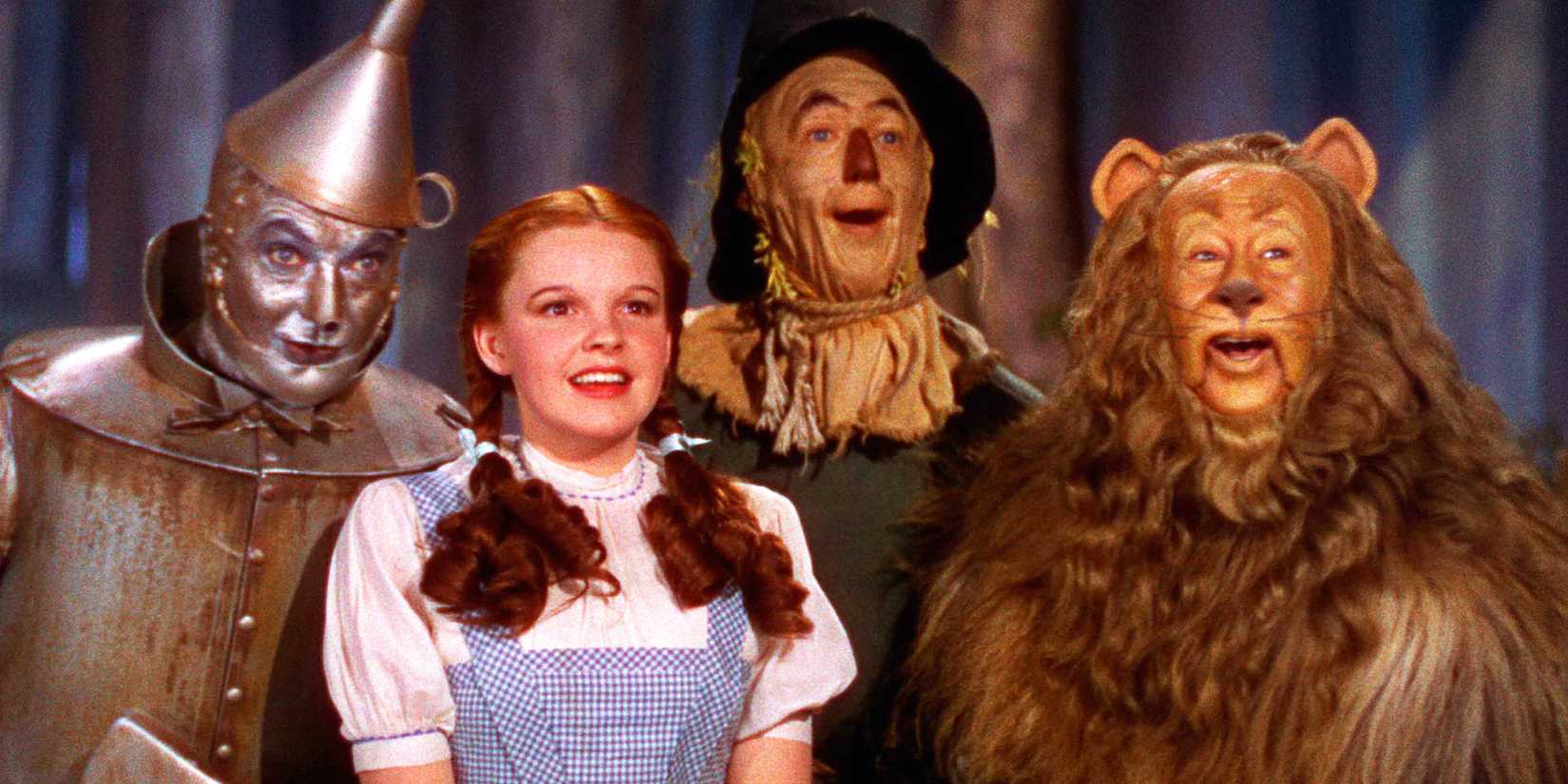 Image via Warner Bros.
Not only an ageless masterpiece of fantasy cinema, but also one of the most important movies in history, The Wizard of Oz is a beacon of Old Hollywood brilliance that continues to appeal to new generations. Following Dorothy (Judy Garland) as she navigates the magical realm of Oz hoping to find a way to return to her home in Kansas, the 1939 classic is a majestic triumph of family entertainment. Everything, from its groundbreaking visual wonder to its unforgettable musical numbers, touching characters, and enrapturing production design, transfixes viewers of all ages.
Even the movies of today struggle to rival the piercing beauty of its Technicolor vibrancy and ravishing set design. The heartfelt story of friendship, self-discovery, and facing adversity with grace and compassion has proven to be timelessly captivating. Its influence has been felt in thousands of movies over the decades since its release, and yet it has never been surpassed. The Wizard of Oz still stands as one of cinema’s greatest achievements some 86 years after it first released.




 English (US) ·