


Published Apr 19, 2026, 5:30 PM EDT
Faith Roswell is a Senior Writer on Screen Rant's Classic TV team. Since earning her degree in Creative Writing over a decade ago, Faith has written articles on film and TV from a variety of different angles. Faith now combines her knowledge of psychology with her love of monster movies to give more insight into what makes the best ones.
You may have read her Screen Rant lists and features covering horror, sci-fi, and fantasy, or read her Amazon Top 10 book, "Movie Monsters of the Deep."
Faith has had an extensive career as a writer, appearing on BBC live radio, researching true crime for Rotten Mango podcast, and writing for publications including Mental Floss, Atlas Obscura, and The Daily Jaws before beginning here at Screen Rant.
Sign in to your ScreenRant account
This article contains brief mentions of death, including suicide.
TV show endings are harder to write than pilot episodes, as potential viewers can give a show another chance after a bad start, but a bad ending is the last chance viewers get to say goodbye to the characters they have grown attached to. Game of Thrones' ending is the best recent example of a show that was ruined by its ending. On the other hand, shows like Breaking Bad that got off to a slow start built to a dramatic ending that viewers still talk about, and when done right, many TV show endings are considered masterpieces.
While some of the saddest TV series endings can be tearjerkers that still make their fandom emotional years after the show finishes, many of these endings had to happen in that way to land the final scene. That said, there is more to a devastating finale than just making the audience sad, as some final episodes end with a question that reflects a wider social commentary, while others are more bittersweet. A devastating finale might sound like a bad thing, but these prove that the viewer was invested in the story.
The Wire
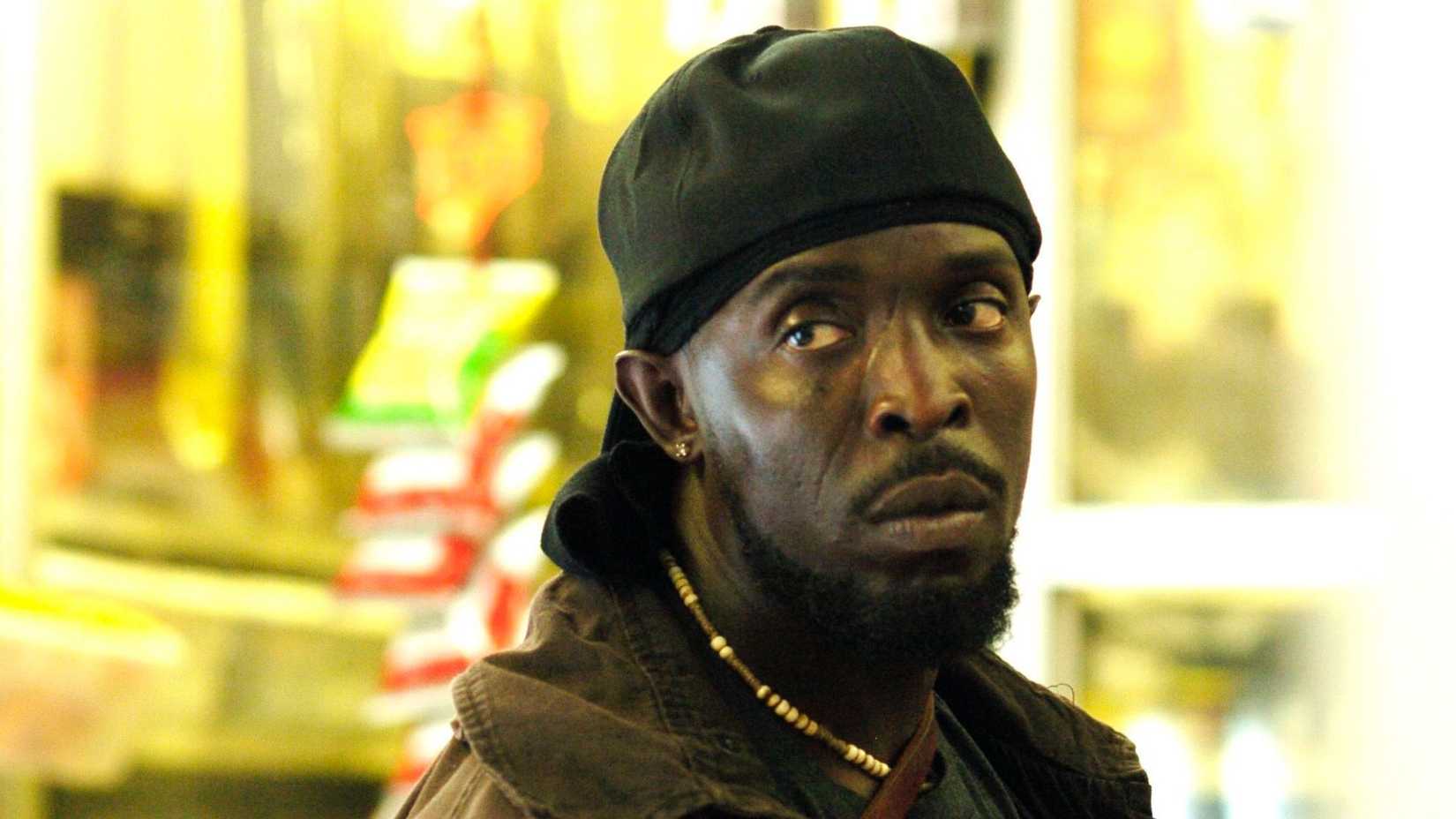
The Wire stands out among other crime TV masterpieces, as it almost treats the city as another character, focusing on the systemic and social aspect of crime rather than merely casting heroes and villains. This is still an extremely rare point for crime shows to highlight, and The Wire's five seasons each focus on a different institution, from schools to ports, highlighting the way in which many people have the system stacked against them from birth.
This is what makes The Wire's finale so devastating, as it offers no easy solutions, with the city often feeling just as corrupt and tragic as it began in season 1. On a more personal level, the show leaves Jimmy McNulty fired from his position as a detective and Baltimore P.D. staging a cover-up, with other characters stepping in to fill the roles left by The Wire's most iconic characters. The ending does not offer optimism, but it works, leaving viewers with a lot to think about.
Six Feet Under
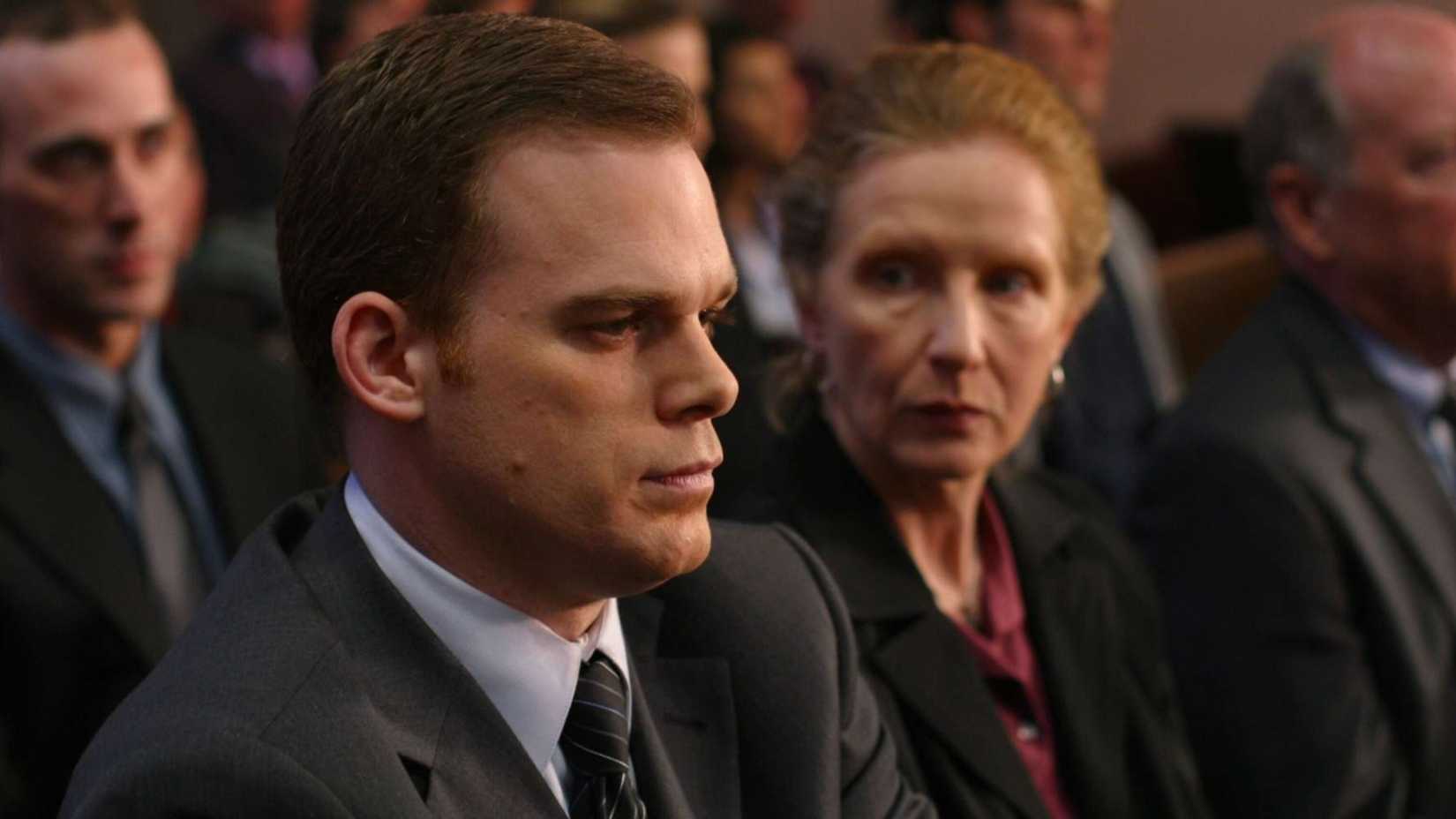
When considering the fact that Six Feet Under is about a funeral home and begins each episode with a death, it should not have come as a surprise that the finale episode would feature a great many deaths. However, the fact that these are the main characters viewers have grown attached to over five seasons makes the finale heartbreaking to watch, as it looked as though audiences would be spared from losing all of their favorite characters in a single episode.
Still, Six Feet Under's finale is often thought to be perfect, as it gives closure to viewers by showing how each of the main characters eventually dies, with many of them living long and happy lives. The fact that their deaths are shown in quick succession might sound tragic, but the characters have a different relationship with death than many viewers, having worked in a funeral home. Considering the fact that Six Feet Under was a show about death, this was the only way that it could have ended while keeping the spirit of the series.
Fringe
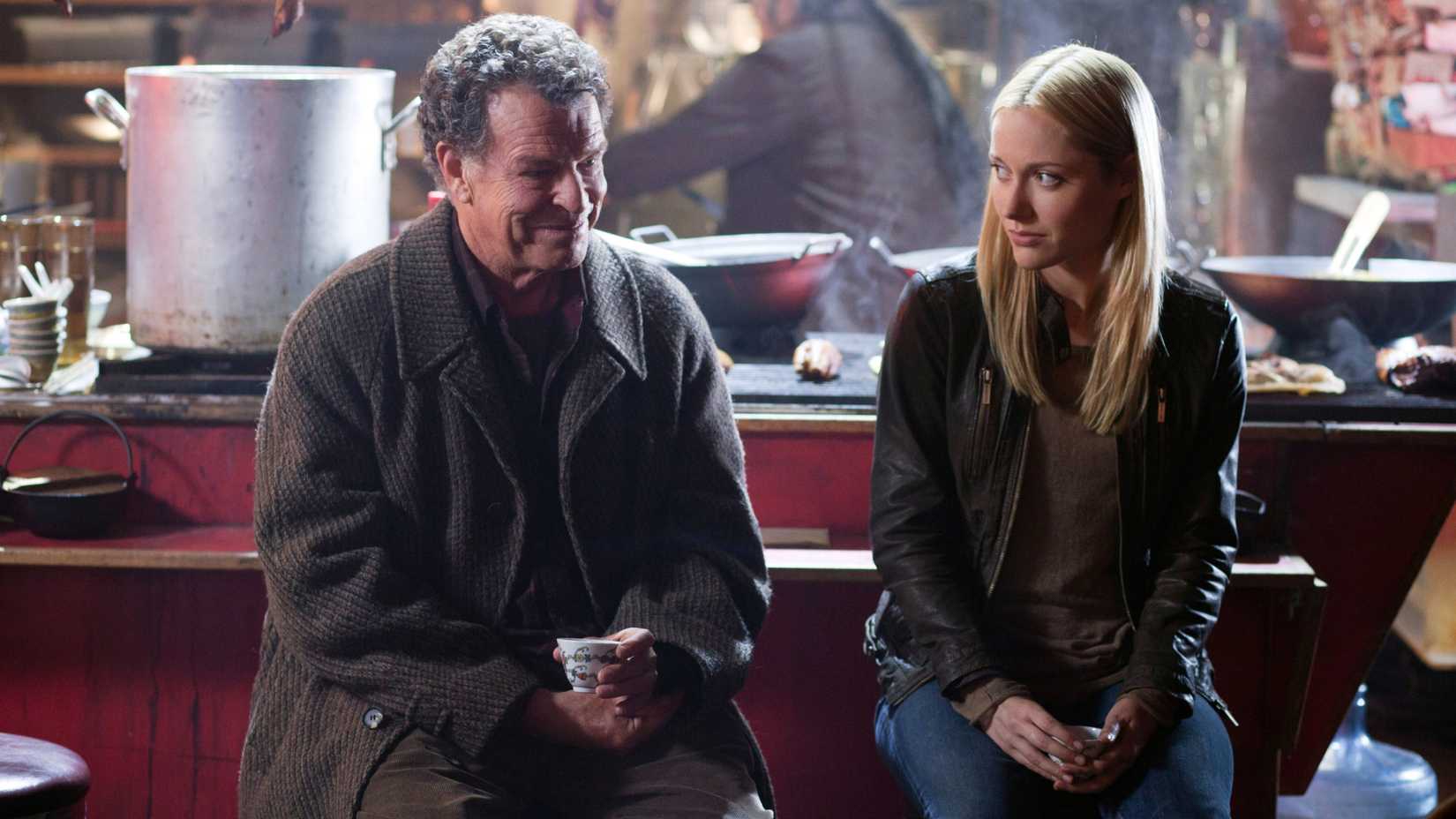
Fringe's finale still needs some explanation. As one of the more complex and mind-bending sci-fi shows, the final episode involves time travel and a multiverse, but it also packs a hard emotional punch. A character stepping in and sacrificing themselves is hardly a new and original ending, but the character in question is Walter, a fan favorite who wipes himself from existence so that the other characters can live in their happier reality.
Fringe has a 91% positive critics' rating on Rotten Tomatoes.
This finale might technically offer Fringe fans a happy ending, but it is at the cost of a beloved character, and explores the themes of loss and grief at the same time. No matter how the final episode is presented, it still involves separating a father from his son and erasing many key memories from other characters. Walter's line in the final hour, telling Peter, "you are my very favorite thing," adds an extra layer to an already painful ending.
The Shield
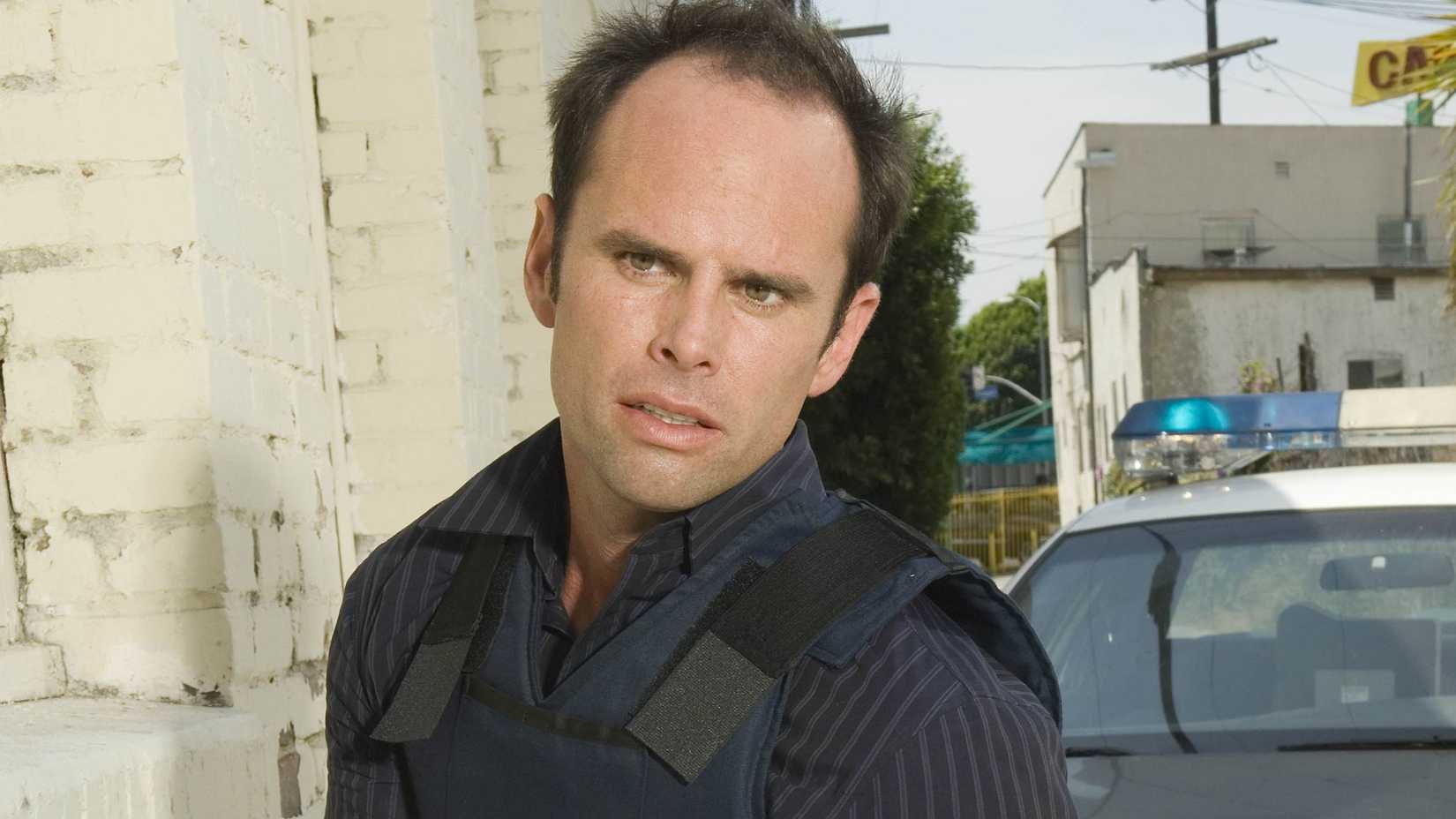
After an explosive seven seasons that steadily amped up the emotional intensity, The Shield had one of the darkest endings of all time. Vic Mackey and the remaining members of his Strike Team are either desperately negotiating for immunity from their many crimes, or on the run. For a few episodes, it felt as though Shane might just get away, but as the walls close in, he is increasingly desperate, until law enforcement finally breaks down the door, revealing Shane dead, having killed his family first.
Even after this devastating scene, The Shield is not done yet, as Vic Mackey still needs a final fate, after learning about the death of his former best friend. The show kept viewers guessing throughout the episode about what would happen to Vic, but his ending scene is one of the most quietly brutal in a series full of violence and police brutality. Vic is confined to a desk, required to ask for permission even to change the thermostat, and while this leaves him alive, he is living his worst nightmare, which is a perfect punishment.
Breaking Bad
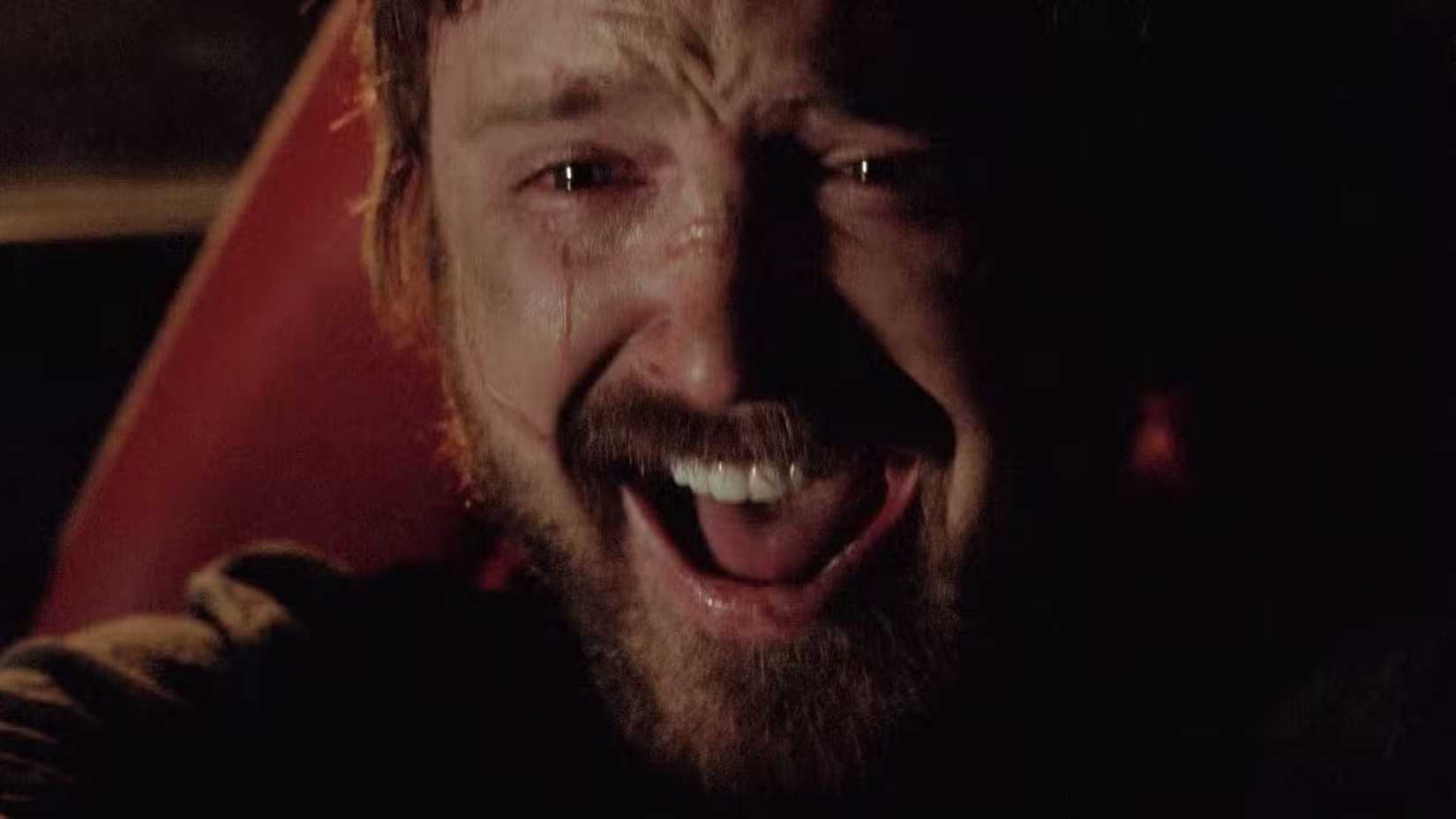
As Breaking Bad drew closer to its violent ending, it seemed clear that there were three options for Walter White, which were escape, jail, or death. As the episode continued, Walter White's death looked inevitable, and while this scene was not particularly surprising, the final shot that defines the ending of Breaking Bad is the scene in which Jesse escaped, screaming, into the night. What happens next is not shown until the spinoff movie, El Camino, so Jesse's ending was left unclear.
Jesse Pinkman quickly became a fan favorite, but his suffering grew with every season. His imprisonment at the hands of Uncle Jack and his Nazi family was extremely hard to watch, and while audiences were able to root for Walt one last time as he butchered them all, the ending gave a clever observation. The deaths of Jesse's captors might have been fun for fans to watch, but Jesse's final scene shows that his trauma has not left him, perfectly illustrating the way Walt had ruined the lives of all the main characters.
Sons Of Anarchy
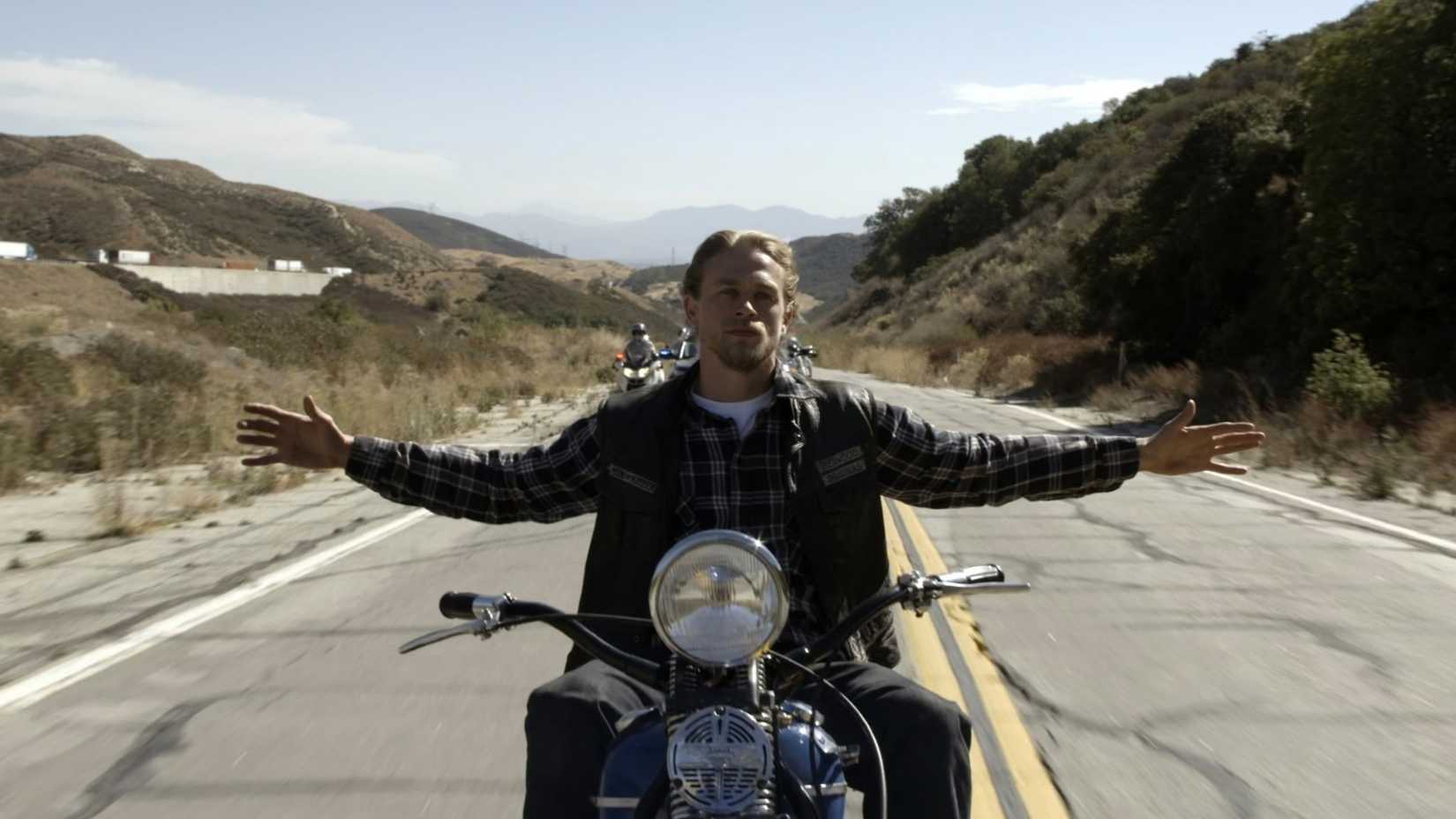
As Sons of Anarchy is based on Shakespeare's tragic Hamlet, it was clear that the show was always going to end on a sad note. Though Jax tried to get his club back on the right track, by the time the final season began, there had been too much pain and bad blood between characters, with the only option being that Jax left Charming for good. After tying up loose ends and setting his affairs in order, Jax led Charming's police on a long chase before riding into the path of a truck.
The driver of the truck is Michael Chiklis, who plays Vic Mackey in The Shield. The two shows have several actors in common.
Jax did some terrible things during Sons of Anarchy's seven seasons, but every time he tried to get the club into a legitimate business, a new problem prevented this from happening. It was always clear how much Jax loved the club, so his decision to leave was painful enough to watch, before the slow reveal that he did not intend to survive the chase. No matter where he went, his past would likely have caught up with him, making his sacrifice the only possible ending.
Little House On The Prairie
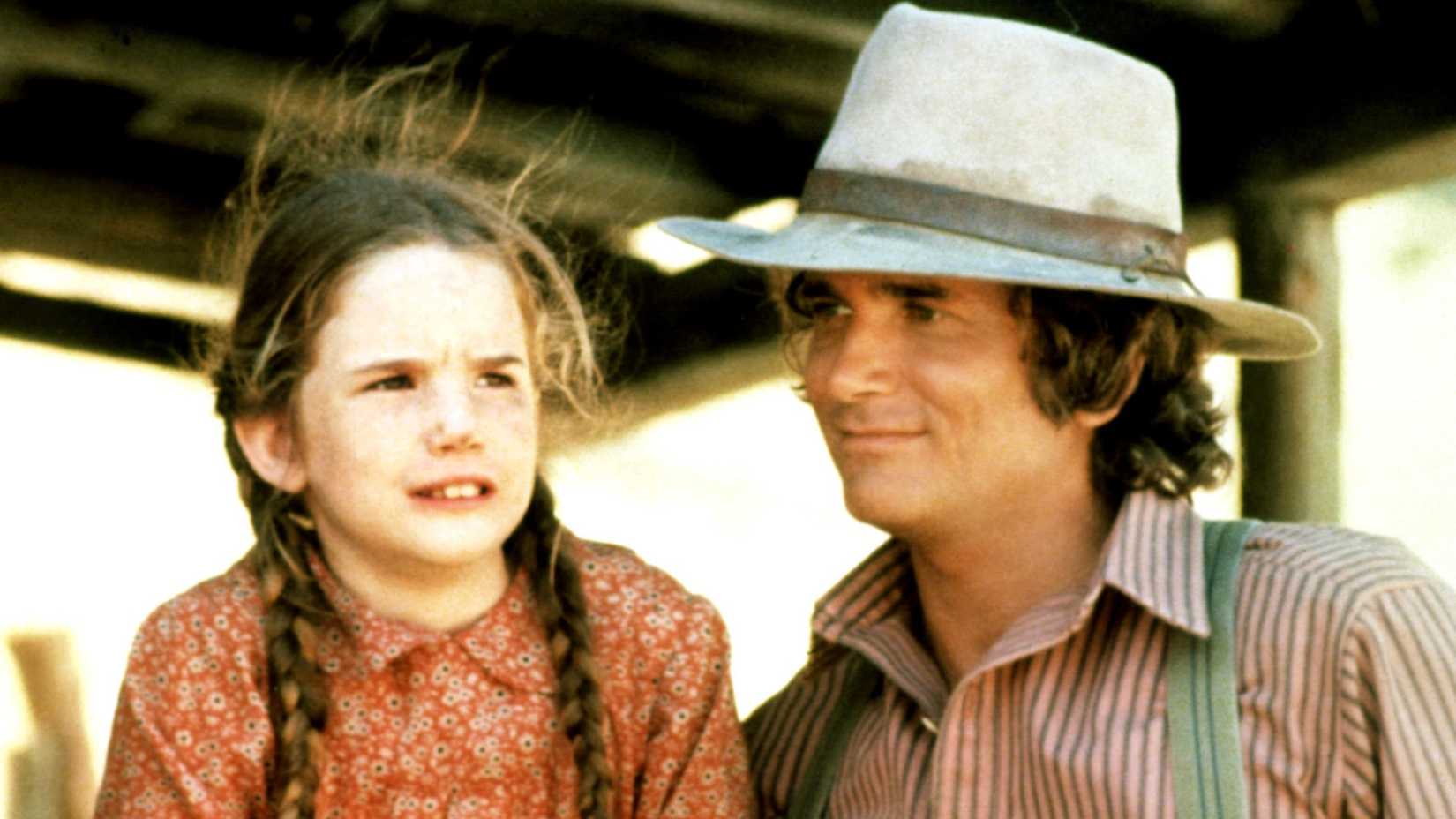
The classic TV show Little House on the Prairie was much darker than many realize, with episodes addressing disease, poverty, and assault. While many of the episodes and themes have not aged well, with the lifestyle often being romanticized, the show was occasionally ahead of its time. The final season of Little House on the Prairie introduced a new threat in the form of rich buyers looking to take ownership of Walnut Grove and price the residents out of their homes, reflecting a topical theme today.
Despite the series' occasional disturbing episodes, Little House on the Prairie has a reputation for being a gentle show, which makes the finale even more shocking than it might have been otherwise. Rather than give up their homes, the town's residents blow up Walnut Grove. Even the cast felt that the scene resembled a funeral for the show, and while the defiant act worked in context, Little House on the Prairie's final episode remains a finale that is hard to watch today.
The Sopranos
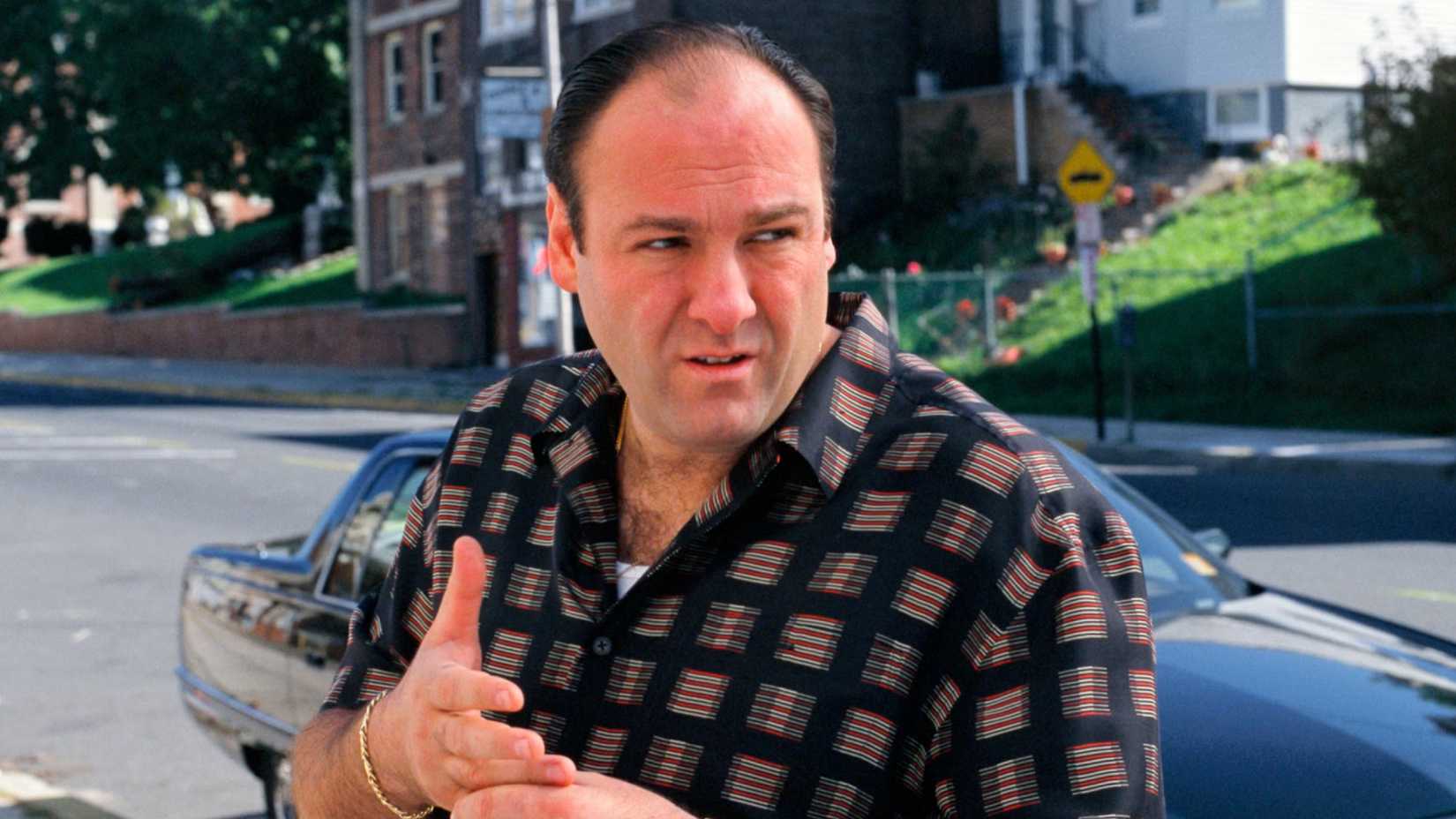
The Sopranos' infamously polarizing ending is harder for viewers than for the characters, who are never shown reacting to what is presumed to be a final violent act. After the show's six seasons gave a masterclass in writing and character development, the series ended mid-scene, with a cut to black that had many viewers checking their TVs for issues. The build-up left the ending feeling anticlimactic, and it can only really be appreciated when rewatching The Sopranos, as there were several clues that pointed to Tony's fate.
Several moments in The Sopranos foreshadowed Tony's death, including the use of oranges as a visual metaphor, which reflected significant moments in The Godfather, and a discussion between Tony and Bobby. In the season 6 episode, "Soprano Home Movies," the two men are discussing getting "whacked," with Bobby saying, "I mean, our line of work, it's always out there. You probably don't even hear it when it happens, right?" This would prove to be true, and while the ending might not land on the first watch, it does on a rewatch.
The Good Place
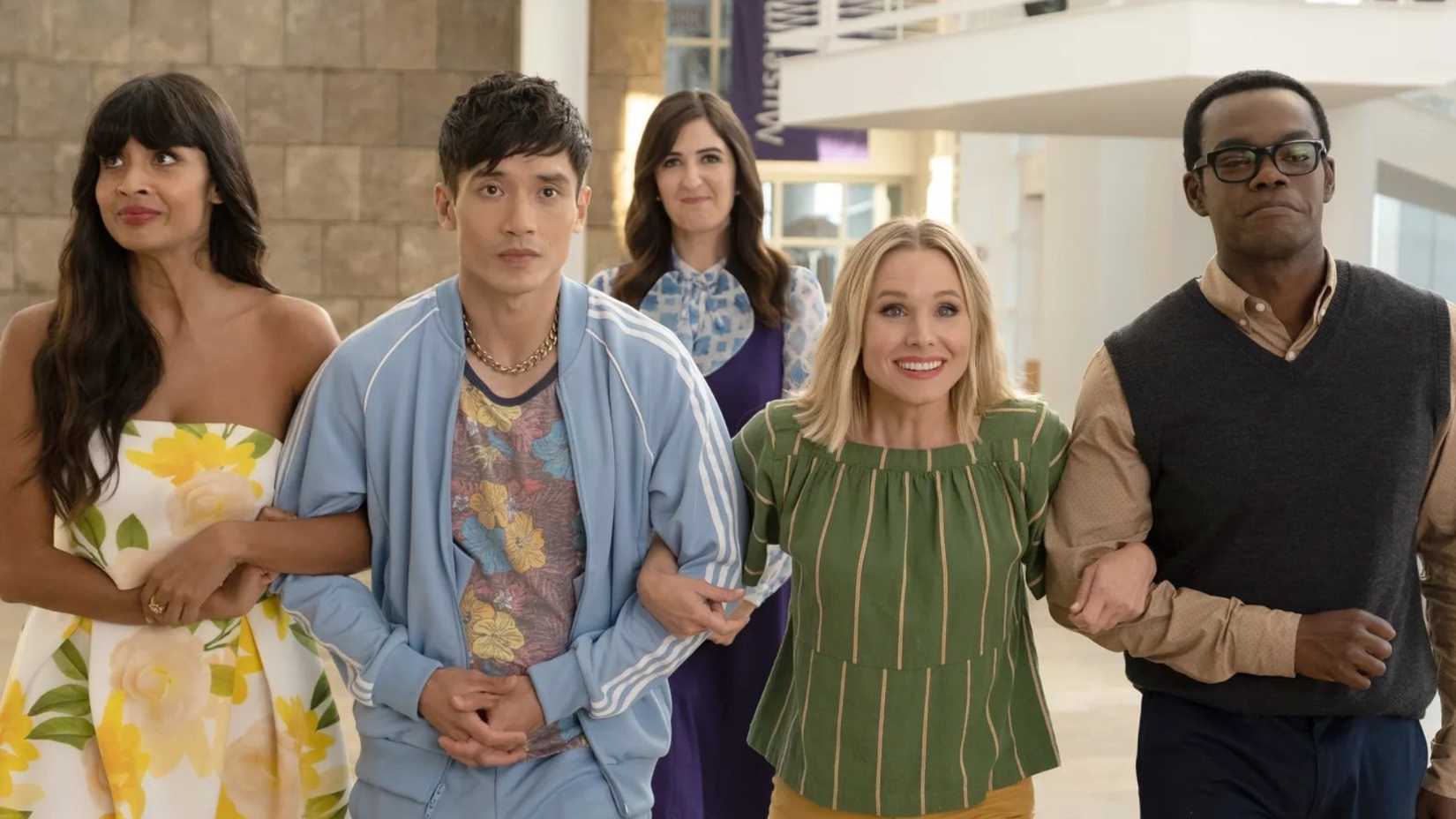
Not all heartbreaking TV show endings are sad. The final episode of The Good Place wrecked viewers emotionally for its mix of character endings and final sense of peace. With the Good Place finally restored to an afterlife which people reach after self-improvement, the characters can make the choice to enter a door and move onward. When Chidi is ready, but Eleanor isn't, this leads to a devastating farewell for the couple.
The final season of The Good Place has a perfect 100% critics' rating on Rotten Tomatoes.
Watching most of the characters eventually choose to leave adds to the emotional power of the ending, which takes away the idea of "forever," but presents a cycle in which people inspire good on earth even after their time as a physical person is over. It is hard to watch The Good Place's finale without thinking of people who have been lost, which makes the ending resonate with everyone who has ever said goodbye to a loved one.
Better Call Saul
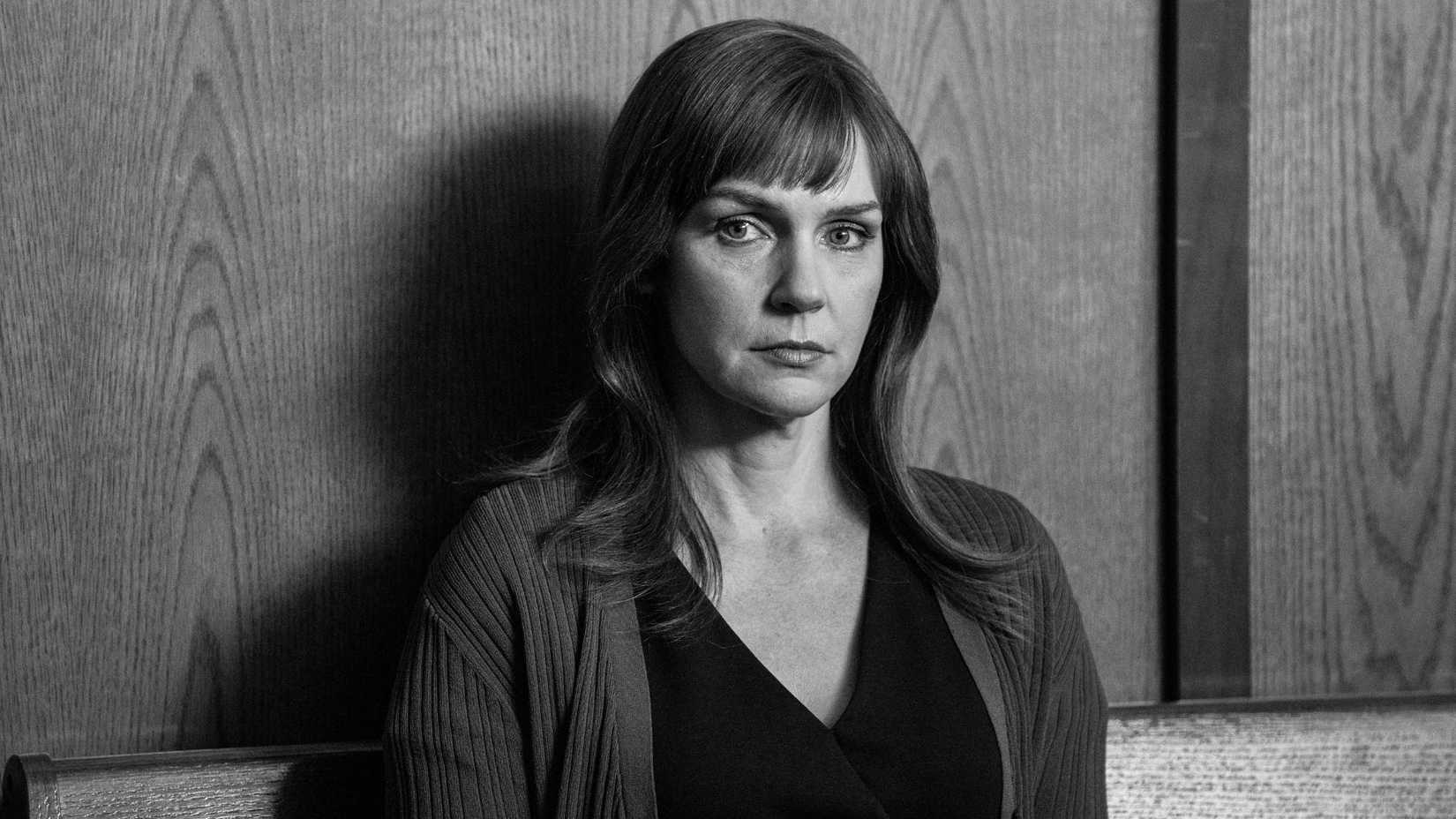
Better Call Saul's black and white scenes helped to separate the show's two main timelines, but they also foreshadowed an ending that would not go well for Jimmy McGill. That said, there were moments of hope throughout each season, and even in the final escape scene in which it appears for a few seconds at a time that Jimmy might just find his way out of his problems once more. Unfortunately, this would not be the case and what follows is the destruction of both Jimmy and Kim as characters.
With Jimmy serving a life sentence in prison, where his exaggerated character may not always be appreciated, and Kim living a mundane suburban life unable to make a single trivial decision for herself, the pair appear to be suffering more than if Better Call Saul had ended with a Breaking Bad-style bloodbath. However, this tragic ending was exactly what the show needed to truly separate it from Breaking Bad, completing the story of Jimmy McGill while highlighting the damage that he did.

![Now This Is Podracing: Disney Parks Is Getting New Boonta Eve Star Wars Merch [Exclusive]](https://www.slashfilm.com/img/gallery/star-wars-boonta-eve-podracing-disney-parks-new-merchandise/l-intro-1776981166.jpg)



 English (US) ·