
 Image via Metro-Goldwyn-Mayer

Published May 22, 2026, 5:35 PM EDT
Writing from the Chicagoland area in Illinois, Robert is an avid movie watcher and will take just about any excuse to find time to go to his local movie theaters. Robert graduated from Bradley University with degrees in Journalism and Game Design with a minor in Film Studies. Robert tries his best to keep up with all the latest movie releases, from those released in theaters to those released on streaming. While he doesn't always keep up with the latest TV shows, he makes it a goal to watch nearly every major new release possible. He has been honing his craft and following any and all movie news all his life, leading up to now, where he has a vast knowledge of film and film history. He also logs every movie that he watches on his Letterboxd page, and has hosted a weekly online movie night with his closest friends for over 6 years.
Sign in to your Collider account
Science-fiction continues to be among the most celebrated and effective genres in filmmaking, with many modern sci-fi films pushing the barriers of filmmaking forward both in terms of creativity and technological advancements. However, while it's certainly easy to praise and appreciate the sci-fi masterpiece films of the modern day like Interstellar or Project: Hail Mary, there are many older, classic sci-fi films that are still perfect in their execution under a modern lens.
These films have left a mark simply beyond being influential and important to the genre as a whole, but are exceptionally endearing and still have qualities of cinematic perfection when viewed by modern audiences. It largely speaks to the prospects and influences of the sci-fi genre as a whole that even after many modern films have taken inspiration from these classic films, they are still exceptionally effective to watch in a modern context.
 Image via Universal Pictures
One of many all-time classic blockbusters from legendary director Steven Spielberg as well as the definitive icon of masterfully crafted sci-fi family movies, E.T. The Extra-Terrestrial has been charming audiences for generations with its whimsical story of friendship. The film has been widely celebrated for helping laying the groundwork for exceptional blockbuster family filmmaking, with a sense of charm and earnestness that is simply unmatched by any other sci-fi family film.
Even outside the sci-fi genre itself, E.T. is considered by some to be one of the all-time greatest family movies, with this unmistakable icon of 80s cinema continuing to land with audiences decades after its release. It lives up to its legacy and more as one of the most approachable and timeless ways to introduce young moviegoers into the sci-fi genre, having the most joyous and cheerful depiction of aliens in cinema history.
9 'Godzilla' (1954)
 Image via Toho
Godzilla has had a long-lasting history as the definitive icon of the kaiju genre, with countless exceptional cinematic outings where he causes mass destruction and acts as a meaningful symbol for numerous different themes and messages. However, even after 70 years and 38 different feature films, there is something so exceptionally striking and haunting about the rampaging monster's first outing that still impacts audiences to this day.
The original film certainly leans more into the emotional weight and pain of its mass destruction than other films, not just being about the massive scale of destruction but acting as an effective warning for the continuous looming threat of nuclear weapons and their impact. It makes powerful statements about the state of the world that still feel impactful decades later, making it no surprise that this is still considered by many to be the height of the Godzilla franchise.
8 'Invasion of the Body Snatchers' (1978)
 Image via United Artists
For the vast majority of cases, when it comes to remakes of classic films, even if they end up being well-made, they rarely if ever manage to surpass the impact and classic status of the original film. However, one such major exception to the rule is Philip Kaufman's remake of Invasion of the Body Snatchers, which utilizes more striking filmmaking and haunting performances to transform an already classic film into one of the definitive sci-fi experiences of the 70s.
The film gets a lot of mileage out of simply amplifiying all the inherent strengths of the original film and going much further in terms of creativity and shocking scares, fully evolving the experience into something that simply wasn't possible when the original came out. Kaufman elevates and evolves the material to create one of the all-time greatest film remakes, cementing this 70s classic as the go-to film that people think of when the topic of Invasion of the Body Snatchers comes to mind.
7 'Back to the Future' (1985)
 Image via Universal Pictures
Blending science fiction with a quirky teenage coming-of-age film to create one of the most iconic movies of the 80s, Back to the Future is a landmark icon of science fiction that has been heralded as a definitive classic of the genre ever since the film's release. It's often celebrated as one of the most fun and upbeat interpretations of time travel, amplified by overwhelmingly memorable characters and a distinct sense of charm that persists throughout the entire runtime.
Robert Zemeckis's masterclass of charm has aged about as gracefully as an 80s film could ask for, which speaks volumes to the film's qualities considering so much of the film's dynamic is the juxtaposition between 80s culture and 50s culture. However, even decades removed from the 80s, the fun of the premise and some absolutely screen-stealing performances transform the film into an incredibly memorable icon of cinematic greatness.
6 'Planet of the Apes' (1968)
 Image via 20th Century Fox
Long before the franchise would be defined by Mocap performances and top of the line CGI, the original Planet of the Apes created a masterful story of the folly of humanity and religious denying of truths that still feels powerful all these years later. It's a film that completely took the world by storm when it first released and has only grown more iconic and exceptional in its scope in the years since. While many people tend to think of its all-time iconic ending, the entire film building up to its ending is just as important to making that moment hit so hard.
The pacing is top-notch, the performances feel alive and powerful with each spoken line, and the film isn't afraid to delve into some powerful and intelligent thematic reflection. There is some real brilliance when it comes to this ape society, their perceived primitive ignorance of the truth, and the intelligence in their choice to not repeat humanity's mistakes. It's a striking work of art that was profoundly powerful for the era and proves to be a true masterpiece of the genre more and more with each passing year.
5 'Metropolis' (1927)
 Image via UFA
One of the very first sci-fi masterpieces that truly felt like it was pushing the genre forward in terms of its scope and scale, Metropolis has a dynamic, otherworldly feeling to its execution that continues to make it a masterful cinematic achievement long after the silent era of cinema has ended. This nearly 100-year-old German film took leaps and bounds ahead of its contemporaries in terms of style and groundbreaking worldbuilding in its visual storytelling, creating a powerful, alluring presence that still affects audiences today.
It's one of the very few films of the silent era that is still widely considered by many to not just be a masterpiece of the cinematic medium, but exceptionally utilizes silent filmmaking to a point where the film simply wouldn't be as great if it had traditional spoken dialogue. It's about as perfect as a silent-era sci-fi film can get, being the type of work-of-art that forever changes how people percieve and appreciate science fiction as a genre.
4 'Blade Runner' (1982)
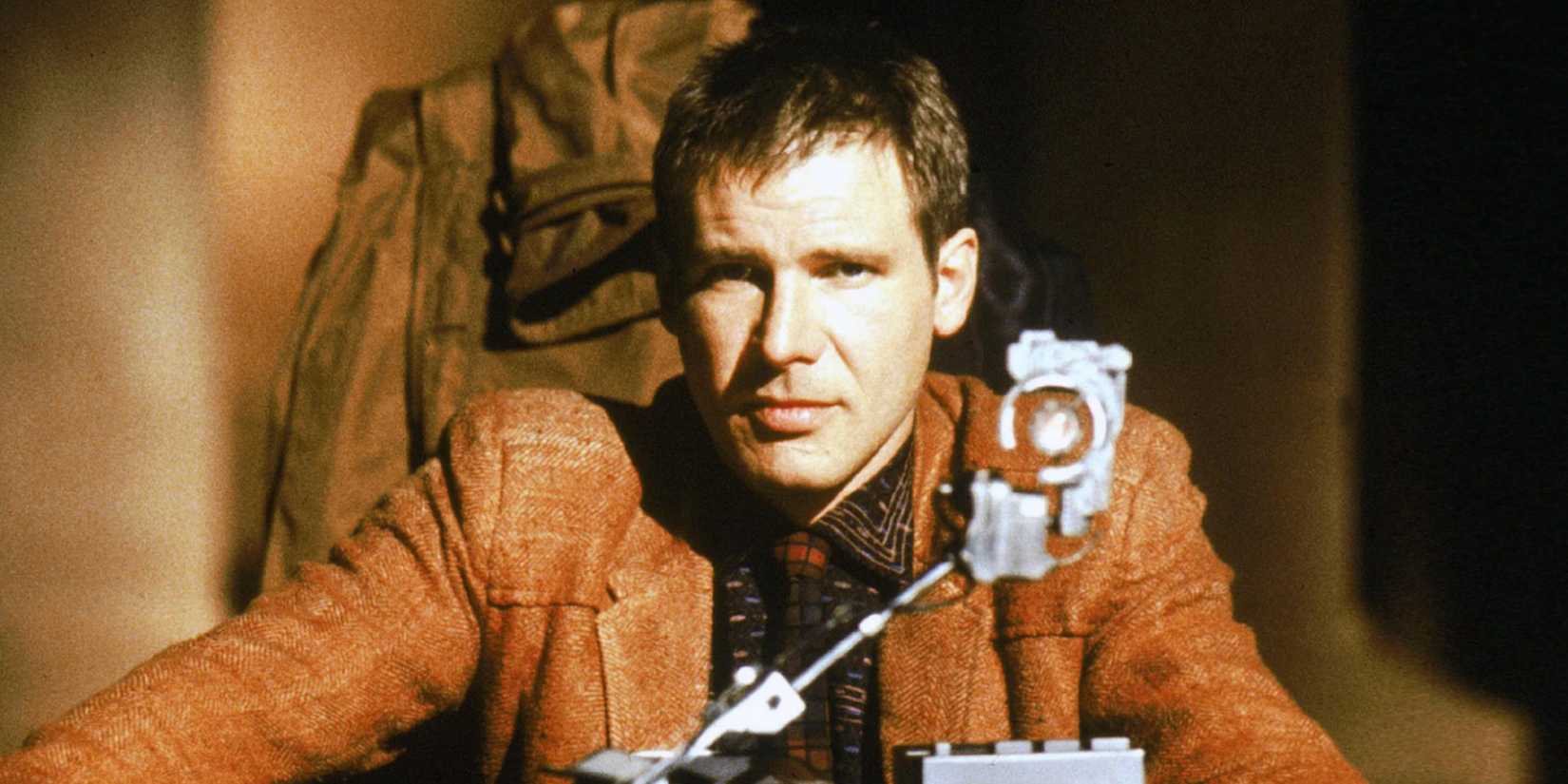 Image via Warner Bros. Pictures
While the film was originally divisive among critics due to its inherent complexity and slower pacing compared to other high-flying sci-fi experiences of the era, time has been incredibly kind to Ridley Scott's Blade Runner, where it is now universally praised as one of the all-time greatest sci-fi movies. Its striking dystopian worldbuilding and heavy reflections on autonomy and free-will in a sci-fi setting have made it a defining fan-favorite whose reputation grows year after year.
The film has a seamless pacing and scale, utilizing the classic tenets of a noir thriller in a vast expansive world that feels much more gritty and bleakly realistic as to what a sci-fi future could entail. It blends hard sci-fi and serious dramatic storytelling to create and absolute juggernaut of emotional strength and tension, with layers of symbolic storytelling that feel more impactful and powerful now than they were when the film first released.
3 'Star Wars' (1977)
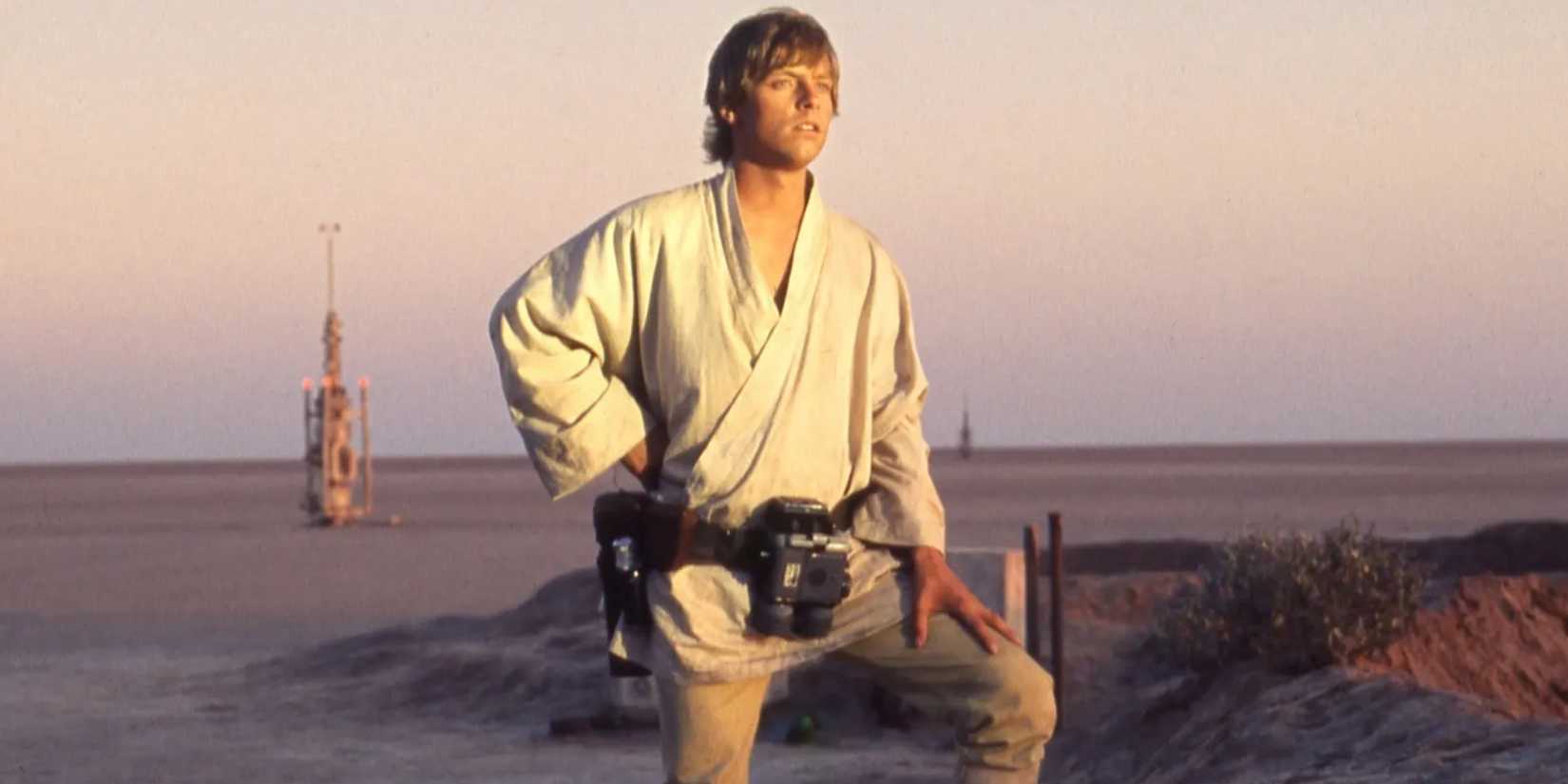 Image via 20th Century Studios
For many people, George Lucas's original sci-fi fantasy adventure masterpiece is often the first story that comes to mind not just when it comes to sci-fi storytelling in the medium of film, but sci-fi storytelling in general. Star Wars is a masterclass of sci-fi worldbuilding and storytelling whose reputation and legacy precedes it, yet even with such an overwhelming pop-culture presence, it is often downplayed just how effective and striking this original film still is to this day.
1977's Star Wars is about as classic as a sci-fi story can get, with loads of memorable characters and settings as it travels the vast creativity of a galaxy and the high-flying tension of a battle for the fate of all worlds. The blockbuster juggernaut has such a striking and inviting essence to its filmmaking that draws in audiences to the potential and excitement of its world, still feeling exceptionally crafted nearly 50 years later.
2 'Alien' (1979)
 Image via 20th Century Studios
Often considered to be the pinnacle of what is possible in terms of sci-fi horror filmmaking, few other horror films even come close to the levels of unmitigated fear and tension accomplished in Alien. The perfectly directed sci-fi horror film utilizes the prospects and capabilities of science fiction for their possibilities in horror better than the vast majority of other sci-fi horror films. It sports a number of terrifying and gruesome concepts that would only be possible in a sci-fi world wrapped together in an exceptional, high-tension thriller package.
Even as the Alien franchise continues to get more installments that further the worldbuilding and horror elements of the franchise as a whole, there is something so intrinsically haunting about this original film that continues to make the audiences' skin crawl decades later. Not only does nearly every sci-fi horror film take inspiration from this all-time classic, but it's one of the best examples of a classic film that is still masterful in its execution when viewed by modern-day audiences.
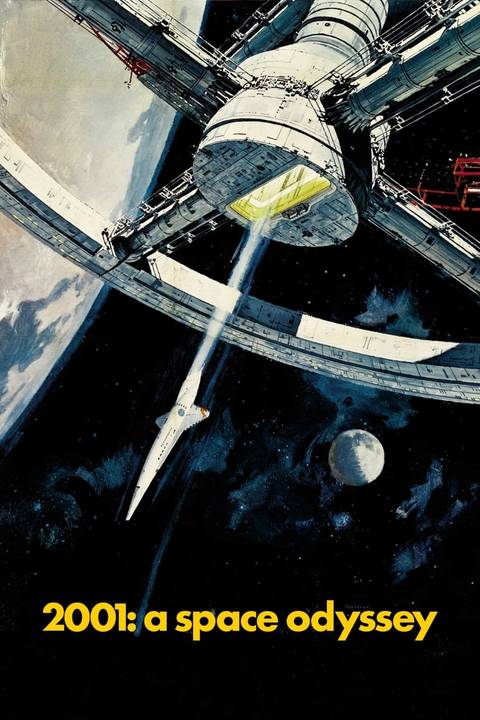
1 '2001: A Space Odyssey' (1968)
 Image via Metro-Goldwyn-Mayer
2001: A Space Odyssey is often the go-to example for what a masterpiece in sci-fi filmmaking looks like, with exceptional scale and visionary symbolic filmmaking brought to life by the masterful directing of the legendary Stanley Kubrick. However, even with some of the largest and most daunting reputations in sci-fi filmmaking history, 2001: A Space Odyssey continuously manages to surprise and delight audiences well into the modern day, as its mastery is simply so striking it feels unbelievable while witnessing its glory.
A lot of the inherent perception that the sci-fi genre has with a large imposing scale and revolutionary filmmaking can be traced back to the exceptional steps forward that Kubrick took to bring 2001: A Space Odyssey to life. It's the type of masterful film that feels like an evolution of the very genre while witnessing, while simultaneously feeling grandiose and masterful decades after its revolutionary debut. For as long as the sci-fi genre continues to be celebrated and appreciated, 2001: A Space Odyssey will continue to be celebrated as the height of the genre's capabilites.
Collider Exclusive · Sci-Fi Survival Quiz Which Sci-Fi World Would You Survive? The Matrix · Mad Max · Blade Runner · Dune · Star Wars
Five universes. Five completely different ways the future went wrong — or sideways, or up in flames. Only one of them is the world your instincts were built for. Eight questions will figure out which dystopia, galaxy, or desert wasteland you'd actually make it out of alive.
💊The Matrix
🔥Mad Max
🌧️Blade Runner
🏜️Dune
🚀Star Wars
TEST YOUR SURVIVAL →
01
You sense something is deeply wrong with the world around you. What do you do? The first instinct is often the truest one.
APull on every thread until I understand the system — then figure out how to break it. BStop asking questions and start stockpiling — food, fuel, weapons. Questions don't keep you alive. CKeep my head down, observe carefully, and trust no one until I know who's pulling the strings. DStudy the patterns. Every system has a rhythm — learn it, and you learn how to survive it. EFind the people fighting back and join them. You can't fix a broken galaxy alone.
NEXT QUESTION →
02
In a world of scarcity, what resource do you guard most fiercely? What we protect reveals what we believe survival actually requires.
AKnowledge. If you understand the system, you don't need resources — you can generate them. BFuel. Everything else — movement, power, escape — runs on it. CTrust. In a world of fakes and informants, a truly reliable ally is rarer than any commodity. DWater. And after water, information — the two things empires are truly built on. EShips and credits. The galaxy is big — you survive it by being able to move through it freely.
NEXT QUESTION →
03
What kind of threat keeps you up at night? Fear is useful data — if you're honest about what you're actually afraid of.
AThat reality itself is a lie — that everything I experience has been constructed to keep me compliant. BA raid. No warning, no mercy — just the roar of engines and then nothing left. CBeing identified. Once someone with power decides you're a problem, you're already out of time. DBeing outmanoeuvred — losing a political game I didn't even know I was playing. EThe Empire tightening its grip until there's nowhere left to run.
NEXT QUESTION →
04
How do you deal with authority you don't trust? Every dystopia has a power structure. Your approach to it determines everything.
ASubvert it from the inside — learn its rules well enough to weaponise them against it. BIgnore it and stay out of its reach. The further from any power structure, the better. CAppear to comply while doing exactly what I need to do. Visibility is the enemy. DManoeuvre within it carefully. You can't beat a system you refuse to understand. EResist openly when I have to. Some things are worth the risk of being seen.
NEXT QUESTION →
05
Which environment could you actually endure long-term? Survival isn't just tactical — it's physical, psychological, and very much about where you are.
AUnderground bunkers and server rooms — cramped, artificial, but with access to everything that matters. BOpen wasteland — brutal sun, no shelter, constant movement. At least the threat is honest. CA dense, rain-soaked city where you can disappear into the crowd and nobody asks questions. DMerciless desert — extreme heat, no water, and something enormous living beneath the sand. EThe fringe — backwater planets and busy spaceports where the Empire's attention rarely reaches.
NEXT QUESTION →
06
Who do you want in your corner when things fall apart? The company you keep is the clearest signal of who you actually are.
AA tight crew of believers who've seen behind the curtain and have nothing left to lose. BOne or two people I'd trust with my life. Any more than that and someone talks. CNobody, ideally. Alliances are liabilities. I work alone unless I have no choice. DA community bound by shared hardship and mutual survival — people who need each other to last. EA ragtag team with wildly different skills and total commitment when it counts.
NEXT QUESTION →
07
Where do you draw the line — if you draw one at all? Every survivor eventually faces a moment that tests what they're actually made of.
AI won't harm the innocent — even the ones who'd report me without hesitation. BI do what I have to to protect the people I've chosen. Everything else is negotiable. CThe line shifts depending on who's asking and what's at stake. DI draw a long-term line — nothing that compromises my people's future, even if it'd help now. ESome lines, once crossed, can't be uncrossed. I know which ones they are.
NEXT QUESTION →
08
What would actually make survival worth it? Staying alive is one thing. Having a reason to is another.
AWaking others up — dismantling the illusion so no one else has to live inside it. BFinding somewhere — or someone — worth protecting. A reason to keep moving. CAnswers. Understanding what I am, what any of this means, before time runs out. DLegacy — shaping the future in a way that outlasts me by generations. EFreedom — for myself, for others, for every world still living under someone else's boot.
REVEAL MY WORLD →
Your Fate Has Been Calculated You'd Survive In…
Your answers point to the world your instincts were built for. This is the universe your temperament, your survival instincts, and your particular brand of stubbornness were made for.
The Matrix
You took the red pill a long time ago — probably before anyone offered it to you. You're a systems thinker who can't help but notice the seams in things.
- You're drawn to understanding how the system works before figuring out how to break it.
- You'd find the Resistance, or it would find you — your instinct for spotting constructed realities is the machines' worst nightmare.
- You function best when you have access to information and the freedom to act on it.
- The Matrix built an airtight prison. You'd be the one probing the walls for the door.
Mad Max
The wasteland doesn't reward the clever or the well-connected — it rewards those who are hard to kill and harder to break. That's you.
- You don't need comfort, community, or a cause larger than the next horizon.
- You need a vehicle, a clear threat, and enough fuel to outrun it — and you're good at all three.
- You are unsentimental enough to survive that world, and decent enough — just barely — to be something more than another raider.
- In the wasteland, that distinction is everything.
Blade Runner
You'd survive here because you know how to exist in moral grey areas without losing yourself completely.
- You read people accurately, keep your circle small, and ask the questions others prefer not to answer.
- In a city where humanity is a legal designation rather than a feeling, you hold onto something that keeps you functional.
- You're not a hero. But you're not lost, either.
- In Blade Runner's world, that distinction is everything.
Dune
Arrakis is the most hostile environment in the known universe — and you are precisely the kind of person it rewards.
- Patience, discipline, and political awareness are your core strengths — and on Arrakis, they're survival tools.
- You understand that the long game matters more than any single victory.
- Others come to Dune and are consumed by it. You'd learn its logic and earn its respect.
- In time, you wouldn't just survive Arrakis — you'd begin to reshape it.
Star Wars
The galaxy far, far away is vast, loud, and in a constant state of violent political upheaval — and you wouldn't have it any other way.
- You find meaning in being part of something larger than yourself — a cause, a crew, a rebellion.
- You'd gravitate toward the Rebellion, or the fringes, or whatever pocket of the galaxy still believes the Empire's grip can be broken.
- You fight — not because you have to, but because standing aside isn't something you're capable of.
- In Star Wars, that willingness is what makes all the difference.
↻ RETAKE THE QUIZ
2001: A Space Odyssey
Release Date April 10, 1968
Runtime 149 minutes
Director Stanley Kubrick
Writers Stanley Kubrick, Arthur C. Clarke
-

Keir Dullea
Dr. David Bowman
-
Gary Lockwood
Dr. Frank Poole






 English (US) ·