
Just because a movie is a horror classic, that doesn't mean it still holds the power to terrify newcomers - but the entries featured on this list do just that. This is a mildly controversial view amongst horror fans, but while the likes of the Universal Classic Monsters or the Hammer Horror franchise were chilling in their day, their effect has been dampened by time. They were essential in the genre's evolution and growth, but there's a good chance a 15-year-old sitting down to watch Christopher Lee's Dracula, for example, probably won't suffer nightmares in the aftermath.
10 28 Days Later (2002)

This Danny Boyle movie made zombies cool again after they had a long absence from the big screen, and it still holds the power to unnerve nearly 25 years on. 28 Days Later's grainy digital look and unusual style only heighten its sense of unease, where Cillian Murphy's Jim wakes from a coma to find an abandoned London overrun by people infected with pure rage.
Cillian Murphy reprised Jim for a brief cameo in 28 Years Later: The Bone Temple.
It's hard to recall how fresh Boyle's horror odyssey felt in the early 2000s, before the glut of zombie movies, shows and games that followed. The sight of a deserted London remains deeply creepy, and the frenzied "zombie" attacks always cause the blood pressure to spike. The movie does lose some of its grip with the third act, but even that features a memorable final showdown. 28 Days Later was a game-changer upon release, and remains a near-perfect example of the genre.
9 Audition (1999)
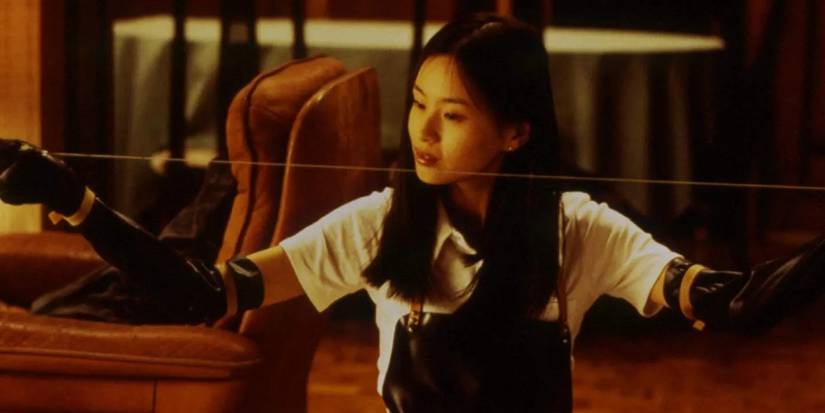
Part of a cycle of Japanese horror movies that became popular in the late 1990s/early 2000s, Audition is one of the hardest to shake. Its premise almost reads like a glossy rom-com, where a lonely widower holds fake movie auditions to find a new partner. As anybody who's seen Takashi Miike's tour de force can testify, it's the furthest from cutesy and romantic as a film can possibly get.
Its wholesome exterior gives way to one of the darkest movies Japan has ever produced, especially with its borderline unwatchable final torture scene. Audition isn't just violence and bloodshed for the sake of it, with the film having much to say about misogyny and abuse. Intense as it can be, Miike injects some dark humor to keep it bearable. An American remake is said to still be in development nearly 30 years later, but it's hard to see it actually happening.
8 Invasion Of The Body Snatchers (1978)

The second of four (!) adaptations of the sci-fi horror novel by Jack Finney, 1978's Invasion of the Body Snatchers' message still feels alarmingly relevant. Donald Sutherland fronts this version as a health inspector who comes to realize human beings are being replicated and replaced by a parasitic alien species. Even putting its themes to one side, Invasion of the Body Snatchers simply works as a suspenseful nightmare.
The plight of its heroes goes from terrible to appalling over the course of the story, and the much-spoiled finale still hits with a punch. Of course, it's subtext about groupthink, dehumanization and conformity is timeless, and it's fascinating to see how each updating of the story has recontextualized the premise for a new generation. Of the official movie adaptations, the 1978 movie remains the most potent and disturbing.
7 The Stone Tape (1972)

One of the most unique outings on this list is The Stone Tape, a BBC TV movie from the early 1970s. This Nigel Kneale-penned tale follows a group of scientists investigating a supposed haunting inside an old mansion, who realize the "ghost" is really a recording absorbed into the building itself. To modern eyes, the shouty overacting and casual racism of some of its characters will be hard to take, but the very British mundanity of the setup only adds to its building dread.
The Stone Tape is blessed with an incredible concept, which has become so popular that "residual hauntings" are now a real theory. Kneale paces his tale with precision, laying the groundwork for the team's investigation before they come to realize they shouldn't be messing with forces they have no understanding of. In classic 1970s fashion, it all ends in tragedy, leading to a fittingly haunting ending.
6 A Nightmare On Elm Street (1984)
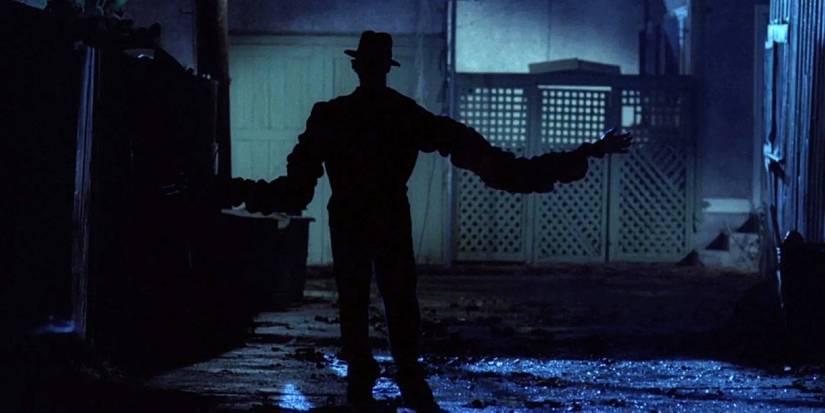
Despite having an all-time great horror hook, writer/director Wes Craven couldn't find any major studios that wanted to produce A Nightmare on Elm Street. The end result defied its low budget and technical limitations to become one of the scariest slashers ever produced. Of course, it also introduced horror devotees to the man of their nightmares, Freddy Krueger (Robert Englund).
Freddy was never creepier (or quieter) than his debut, where the undead killer stalks a gang of teens in their dreams. From its eerie musical score to setpieces like the bathtub sequence, A Nightmare on Elm Street refuses to let viewers feel at ease. In typical Craven fashion, there's plenty of subtext to dig into, such as the sins of the parents or the dangers of suppressing the subconscious. The movie famously produced a whole franchise, but the original remains the purest and scariest.
5 Ring (1998)

While its 2002 remake, fronted by Naomi Watts, remains the most famous version, Ring beats it on many levels. A loose adaptation of a Japanese horror novel, the story finds a journalist exploring the urban myth about a videotape that kills viewers one week after they watch it; naturally, she watches it. Ring really kick-started the short-lived fascination with J-horror, which also included The Grudge and Audition.
There are fair critiques to be leveled at Hideo Nakata's film; its protagonist isn't the most compelling, and the backstory of the evil spirit Sadako gets real convoluted. All that is forgiven thanks to the sense of pure dread it evokes. Its scares are often subtle, and Nakata's building of atmosphere is masterful. It caps off with one of the most purely terrifying images in all of J-horror, which reveals that sometimes, the horror doesn't stop at the end of a TV screen.
4 Candyman (1992)
Based on a Clive Barker (Hellraiser) short story, this Chicago-set horror follows an investigation into the "Candyman" myth. Like Ring, it's a tale about the dangers of digging into an urban legend, because once again, no good comes from it. There's a lot of chew on with this 1992 slasher, from its examination of social class in America to how racism itself created Tony Todd's titular killer.
It also examines how urban legends can get started and spread. That's the intellectual side, but it very much functions as a full-blooded horror flick. The late, great Todd gets less than ten minutes of screentime, but his hypnotic voice and regal presence belie the Candyman's ability to rip victims asunder with his hook. The movie is a superb example of the genre and one of the classiest slasher films ever made.
3 The Fly (1986)
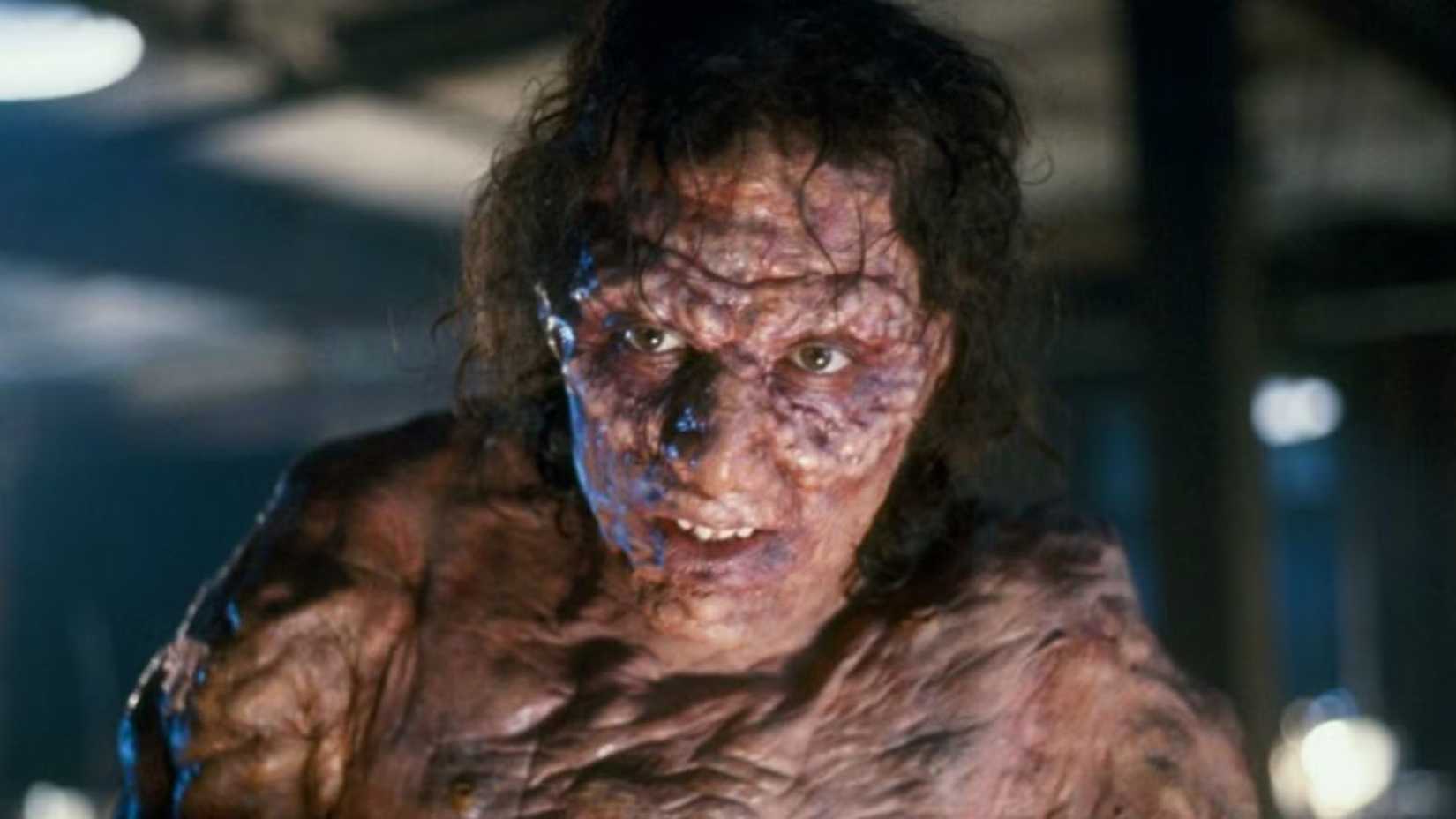
The Fly updated the fun but somewhat hokey original 1950s B-movie and turned it into a peerless body horror exercise. David Cronenberg's updating is essentially a three-hander play, as Jeff Goldblum's scientist finds his DNA crossed with that of a simple housefly after a teleportation experiment goes wrong. At its core, The Fly is a potent metaphor for aging and the horror of watching a loved one succumbing to a slow illness.
Goldblum's Seth soon finds himself literally falling apart as he races to find a cure, and it's horrifying and tragic in equal measure. Cronenberg makes sure to ramp up the gore at key points too, including a nightmare involving maggots and Seth using his "vomit" to repulsive effect on human flesh. The Fly holds the same power it did in 1986 because it's ultimately rooted in emotion, with Goldblum and Geena Davis investing their characters' doomed romance with a plenty of heart.
2 The Thing (1982)
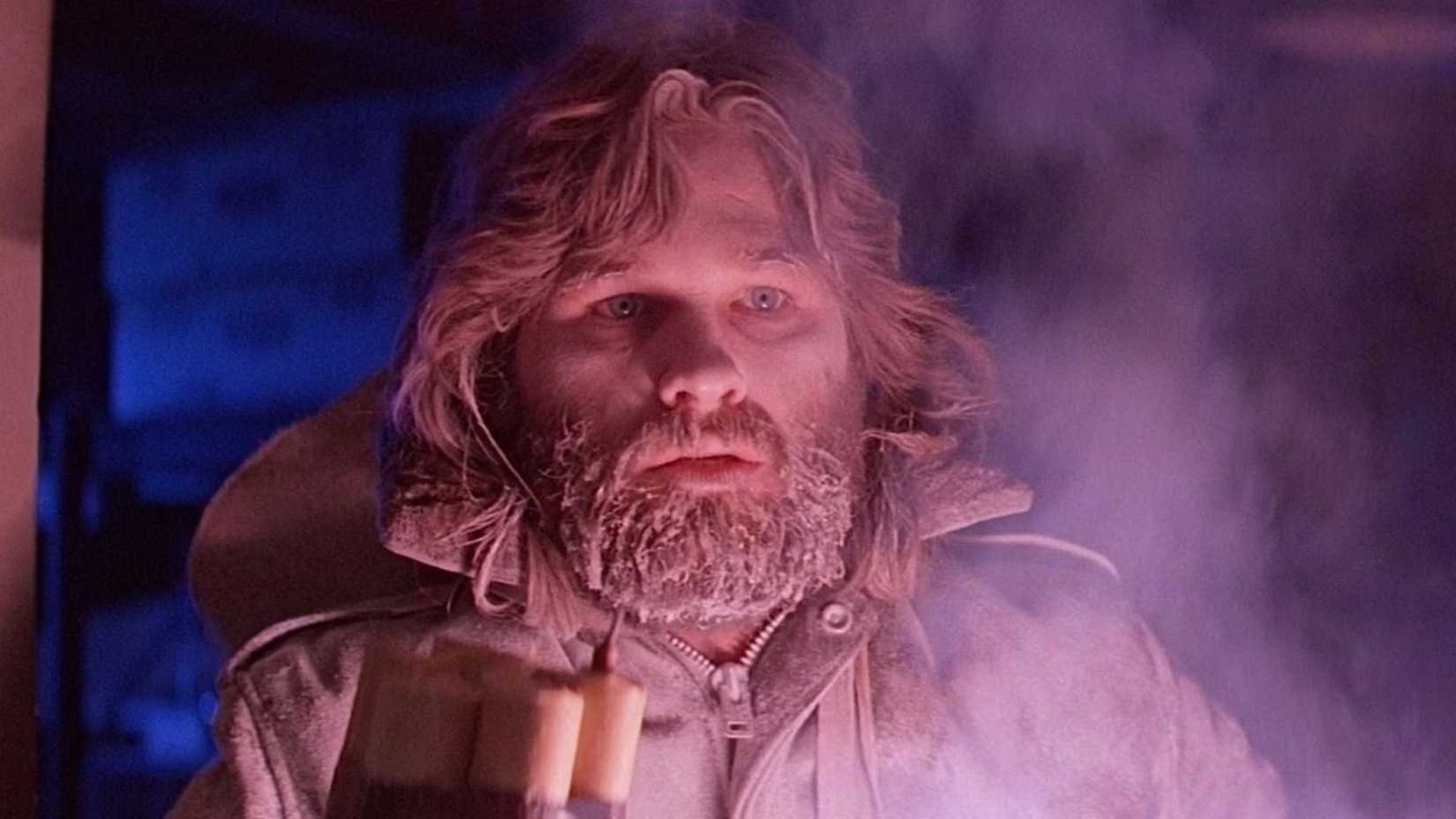
John Carpenter's sci-fi horror was detested by critics and bombed at the box office. The turnaround on the film in the decades since is nothing short of remarkable, since it's rightfully considered one of the best horror movies ever now. It gets just about everything right, from its premise to Ennio Morricone's score and the still unbelievable practical creature effects.
The Thing is ultimately about paranoia and the loss of both identity and humanity. The title monster itself is also one of cinema's most terrifying creatures for one very simple reason: it has no defined shape. Unlike a Michael Myers or a Pinhead - who have since become memes or Funko figures - that's never happened to "The Thing," which has allowed Carpenter's masterwork to retain its raw horror decades after it was rejected. The movie is also arguably the most badass that Kurt Russell has ever been - which is saying something.
1 The Texas Chain Saw Massacre (1974)

Horror movies changed dramatically during the 1960s and 1970s. It moved out of gothic castles and crypts and into the modern world, which is why Rosemary's Baby and Halloween struck such a nerve. The Texas Chain Saw Massacre was part of that wave in 1974, and while the title of Tobe Hooper's seminal horror promises gory by the bucket load, it's oddly restrained in that regard.
It's everything else that makes it such a visceral horror movie ride. It's the grainy look, the unpleasant sound design or even its sweaty feeling. It's horror that seeps its way into the audience's very bones, and once the terror kicks in, it refuses to slow down. Leatherface is still nightmare fuel in human form, and it's tough to single out just one sequence as the most terrifying. Often imitated but never beaten, The Texas Chain Saw Massacre still cuts deep.





 English (US) ·