

Published Feb 22, 2026, 6:25 PM EST
Dalton is a freelance writer, novelist, and filmmaker from Orlando Florida. He currently lives in Charlotte, North Carolina, and pursues writing full-time. He is an avid reader, film buff, and amateur historian who also publishes novels on the side. Dalton graduated from the University of Central Florida with a BFA in Film and he often applies his industry-specific knowledge when writing about film and television. Along with his blog, Dalton's critical essays on film have been published in various places online.
The Best Director category at the Academy Awards is one of the most hotly contested, and only a handful of winners have actually been indisputable. Best Director was one of the first 12 categories at the inaugural Oscars back in 1929, but it was originally split between drama and comedy. The awards were quickly consolidated, and became one prestigious honor.
The award seeks to recognize outstanding achievement in the art of directing, legitimizing auteur filmmaking theory. Though it isn't always the case, the director is sometimes the "author" of the movie, controlling every creative aspect to heighten the story and weave as compelling a tale as possible. Therefore, Best Director doesn't always go to the director of the Best Picture.
Picking Best Director is a great challenge for the Academy, largely because the art of directing isn't always beholden to popularity. Directors like Charlie Chaplin, Alfred Hitchcock, and David Lynch never won the award, despite being the greatest auteurs of their day. However, when the Academy gets it right, the Best Director category is a crowning achievement for cinematic visionaries.
Bong Joon-ho - Parasite (2019)

The most recent indisputable win came for South Korean filmmaker Bong Joon-ho for his groundbreaking film, Parasite. After a poor young man gets a job with a rich family, the rest of his clan surreptitiously begin working for them too. Deftly mixing pitch-black humor with legitimately thrills, Parasite made an international splash.
On the way to winning Best Picture (the first non-English-language film to do so), Parasite snagged a deserved Best Director Oscar for Bong Joon-ho. His win is indisputable because the thriller wouldn't have been the same without Joon-ho in the driver's seat. His creative choices accentuated the script's many themes, which is understandable because he co-wrote it.
Martin Scorsese - The Departed (2006)
 ©Warner Bros./Courtesy Everett Collection
Martin Scorsese's Best Director win for The Departed was long overdue, but that didn't make it any less indisputable. A cop infiltrates a Boston crime ring at the same time that a criminal mole infiltrates the police department. The remake of Hong Kong's Infernal Affairs is exactly what viewers have come to expect from a Scorsese joint.
Despite being nominated 10 times for Best Director, The Departed is Scorsese's only win.
Though the acting and script usually speak for themselves in a Martin Scorsese movie, the director's eye is on every frame. He knows exactly how to coordinate such an unwieldy concept into a manageable story, without sacrificing any of his character moments. The Departed is a crisp and exciting thrill ride, even 20 years after it had its Oscar triumph.
Steven Spielberg - Schindler's List (1993)
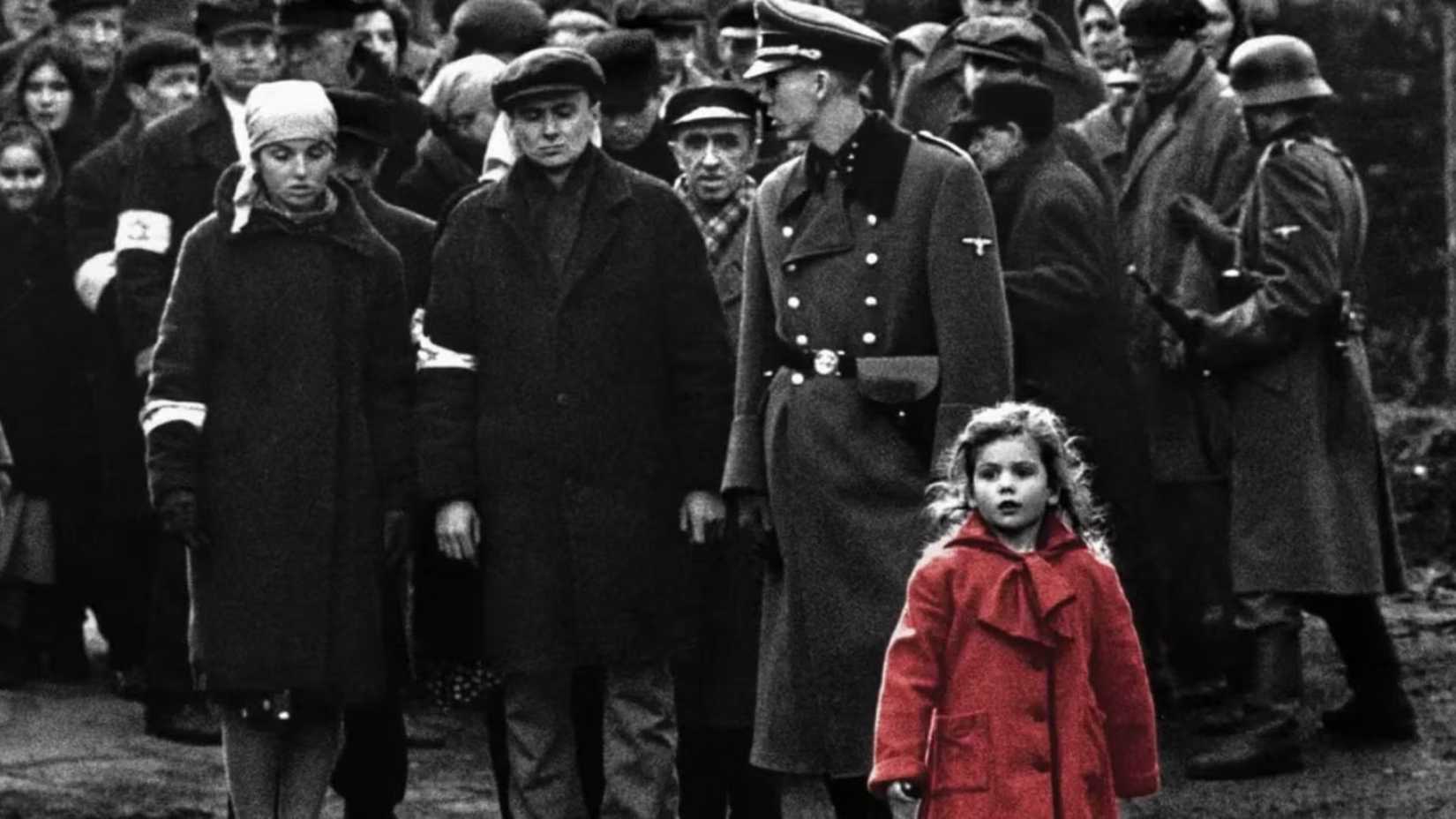
Though legendary filmmaker Steven Spielberg has plenty of laurels to rest on, Schindler's List might be his greatest achievement. The epic war drama concerns the real-life work of Oskar Schindler, a business owner in Nazi-occupied Poland who saved the lives of more than a thousand Jewish people. The film has a large scale, but it's essentially about one man's redemption.
Spielberg is typically known for his whimsical blockbusters, and even his darker films usually have a glint of hope and fantasy. Though Schindler's List was a departure, it still represented the director's hopeful approach to filmmaking. It's the definitive Hollywood statement on the Holocaust, and it's indisputable that it was Spielberg's touch that made Schindler's List a classic.
Jonathan Demme - The Silence Of The Lambs (1991)
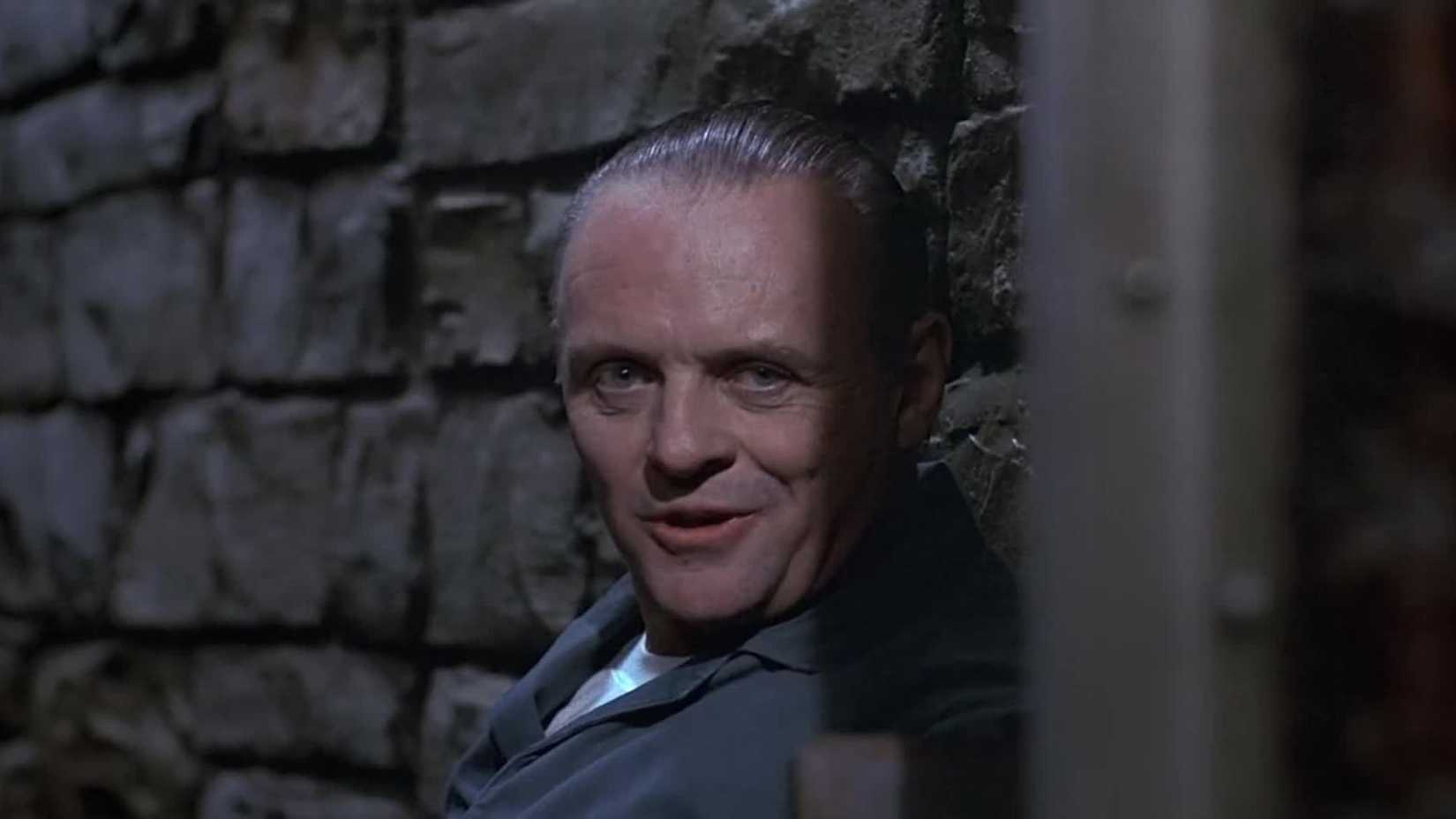
The Academy has been notoriously cold toward genre cinema, but Jonathan Demme's The Silence of the Lambs warmed them up to horror. An FBI rookie is assigned to a brutal serial killer case, and she must turn to an evil mind for assistance. The Silence of the Lambs toes the line between a conventional thriller and an outright horror film.
From sweeping cinematography to subtle editing choices, The Silence of the Lambs had a grandiosity that made it appealing to Academy voters. Demme brought his dramatic acumen, and he approached the characters with a realism not usually seen in horror. In the hands of a less qualified filmmaker, The Silence of the Lambs could have been another B-grade thriller.
Oliver Stone - Platoon (1986)
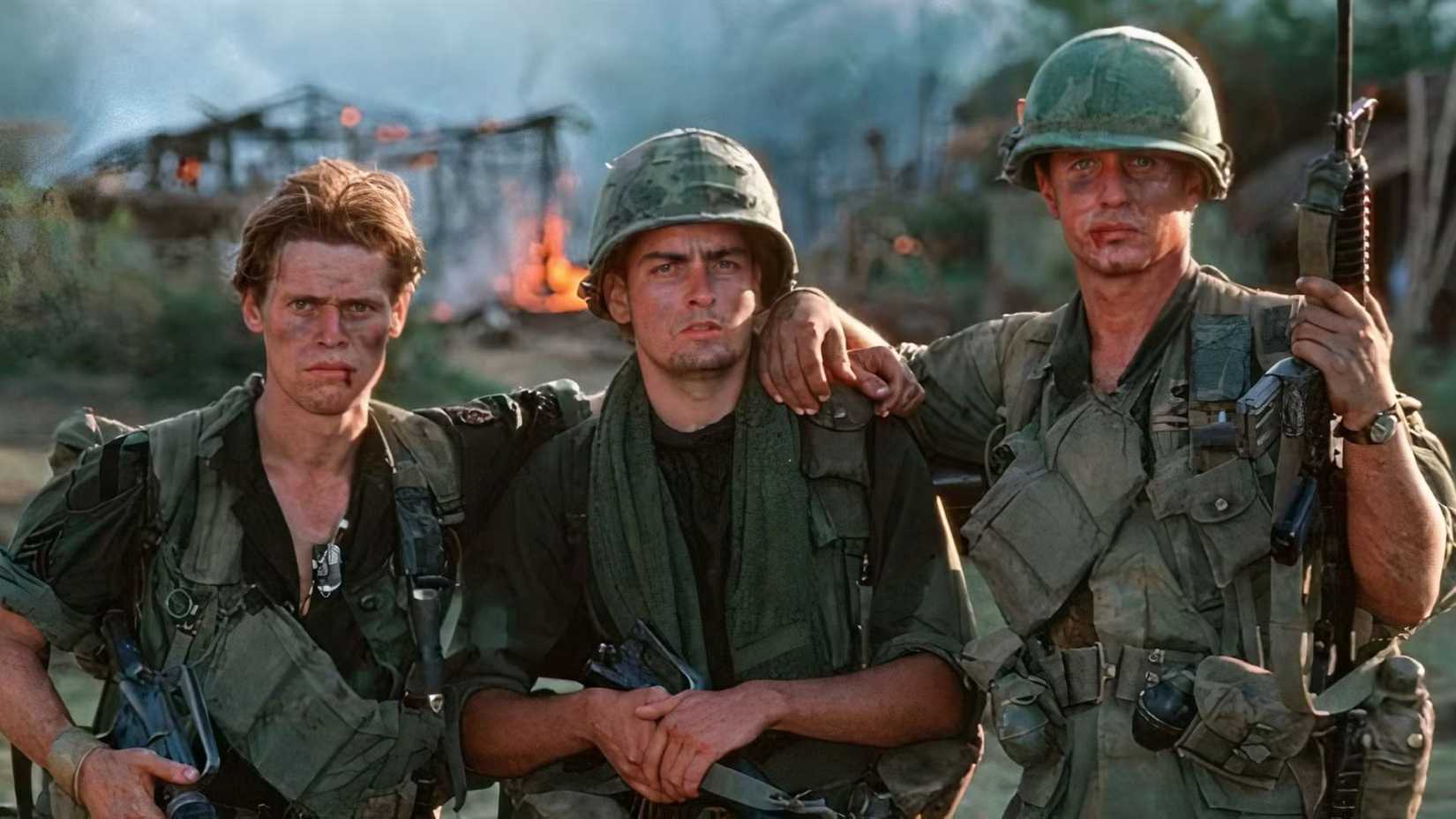
The first installment in Oliver Stone's unofficial Vietnam War trilogy, Platoon is one of the best films concerning the conflict. An idealistic young soldier clashes with his commanding officer who has no problems targeting civilians and his own men. Like most Stone features, Platoon is an exaggerated story with an important message at its heart.
With more than a decade passed since the end of the Vietnam War, Platoon had an element of catharsis. Stone's larger-than-life direction brings even the most subtle elements to the forefront with blinding clarity, and the film is quintessential Hollywood storytelling. Nevertheless, Stone's direction keeps Platoon from ever being overwrought or melodramatic.
Michael Cimino - The Deer Hunter (1978)
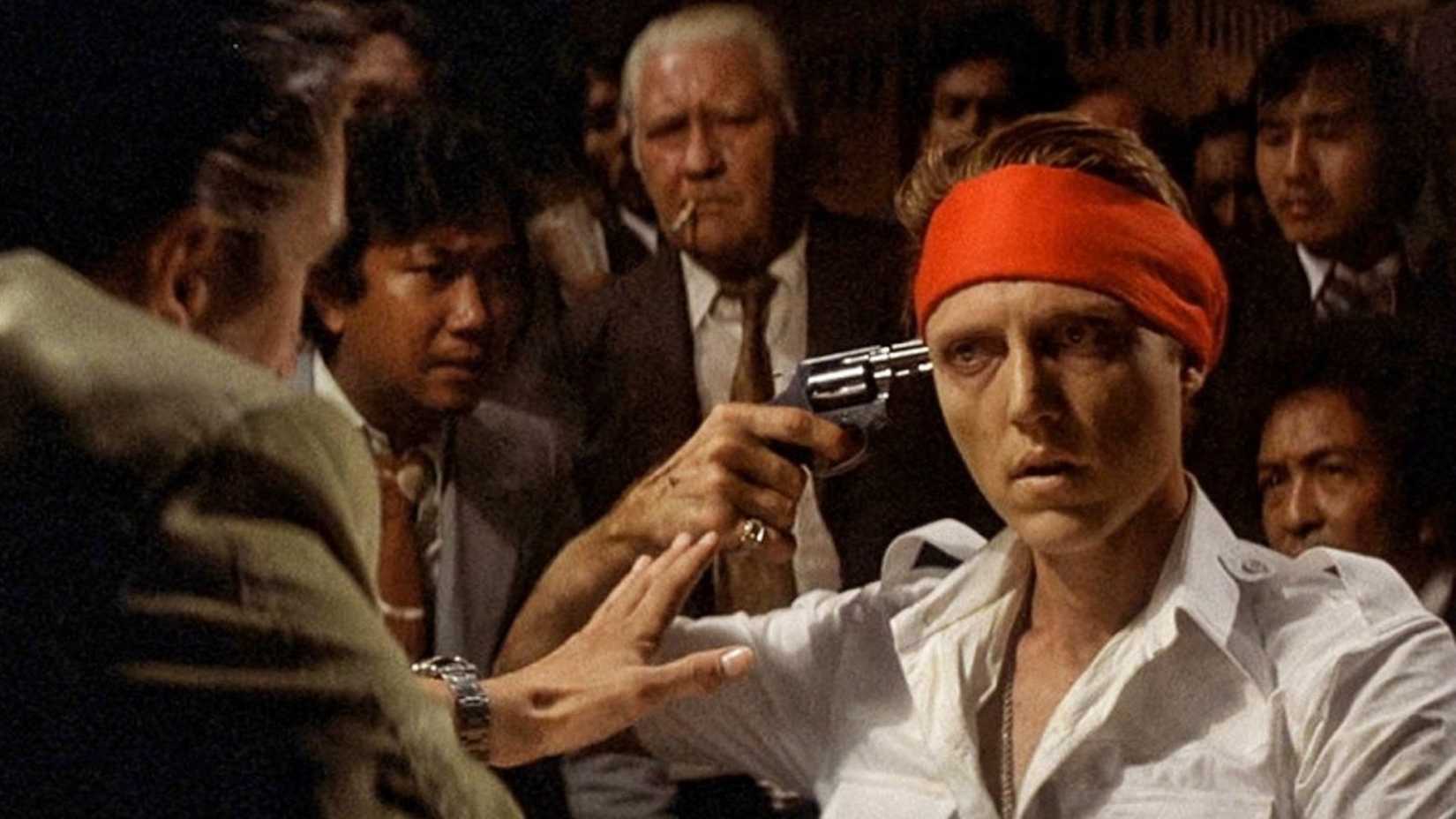
Though Michael Cimino is one of the lesser figures in the New Hollywood movement, his Best Director win for The Deer Hunter is indisputable. A group of friends from rural Pennsylvania ship off to Vietnam, but the war changes each of them forever. At over three hours in length, The Deer Hunter is a cinematic experience like few others.
Christopher Walken and Robert De Niro carry the film from scene to scene, but Cimino's almost architectural directing is what keeps the whole thing together. The story grows from a simple character study to an exhilarating war drama, and it's Cimino who keeps it from flying apart. Cimino missed the mark with Heaven's Gate, but The Deer Hunter was perfection.
Miloš Forman - One Flew Over The Cuckoo's Nest (1975)
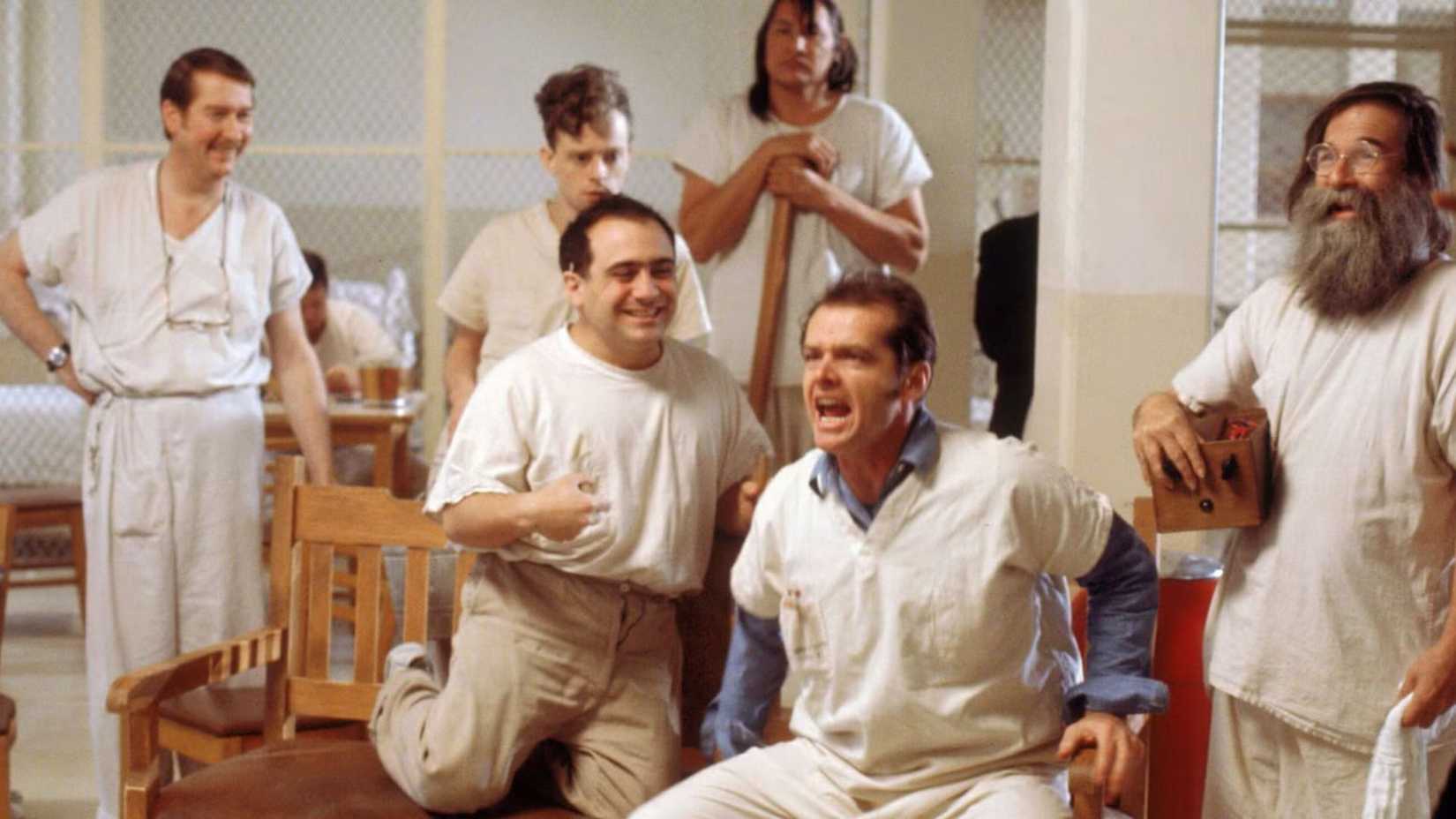
Sometimes the best directors simply put the pieces on the board and let them work, and that's exactly what Miloš Forman did with One Flew Over the Cuckoo's Nest. Recidivist Randle McMurphy arrives at a mental health hospital and stirs up the patients with his counterculture antics. Ken Kesey's psychedelic novel made for surprisingly strong drama on the big screen.
One Flew Over the Cuckoo's Nest is the Jack Nicholson show, and his performance is what draws the viewer in. However, Forman's contributions aren't to be overlooked, especially when it comes to the film's comedic and dramatic timing. Forman's direction speeds things up and slows things down when necessary, and he fits a myriad of strong performances into his frame.
Robert Wise & Jerome Robbins - West Side Story (1961)
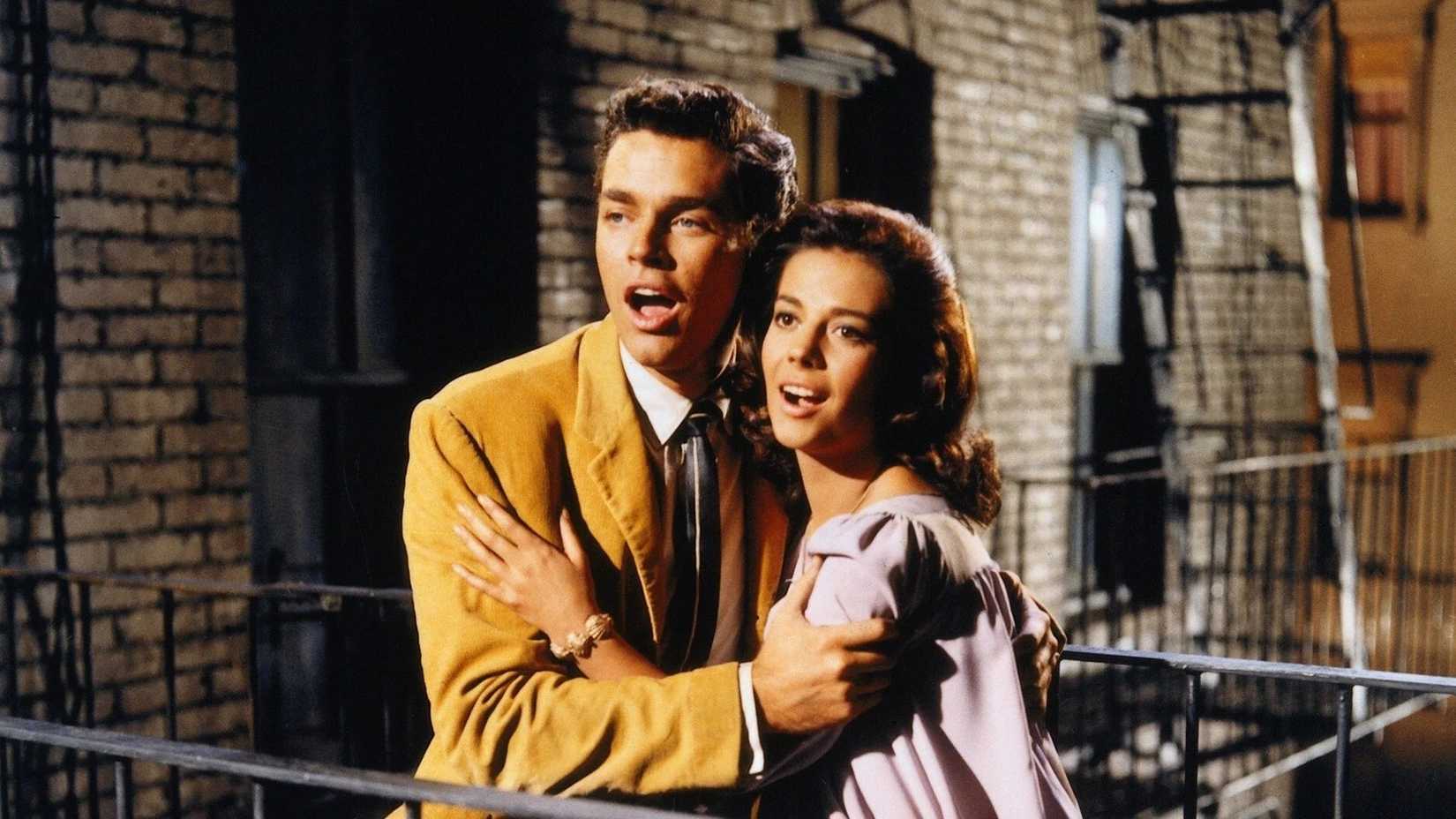
Though musicals do well at the Oscars, Robert Wise and Jerome Robbins' win for West Side Story is a rare time the genre snagged Best Director. A boy and girl from rival factions fall in love on the eve of a huge gang battle. The opulence of West Side Story is only matched by the beauty of its music.
Taking cues from the successful stage production, the movie version has all the charms of Broadway with the magnificence that only cinema can provide. The directing duo of Wise and Robbins understood the assignment by heightening the musical through filmmaking choices. Unlike other musicals which speak for themselves, West Side Story has a clear directorial vision.
Frank Capra - It Happened One Night (1934)
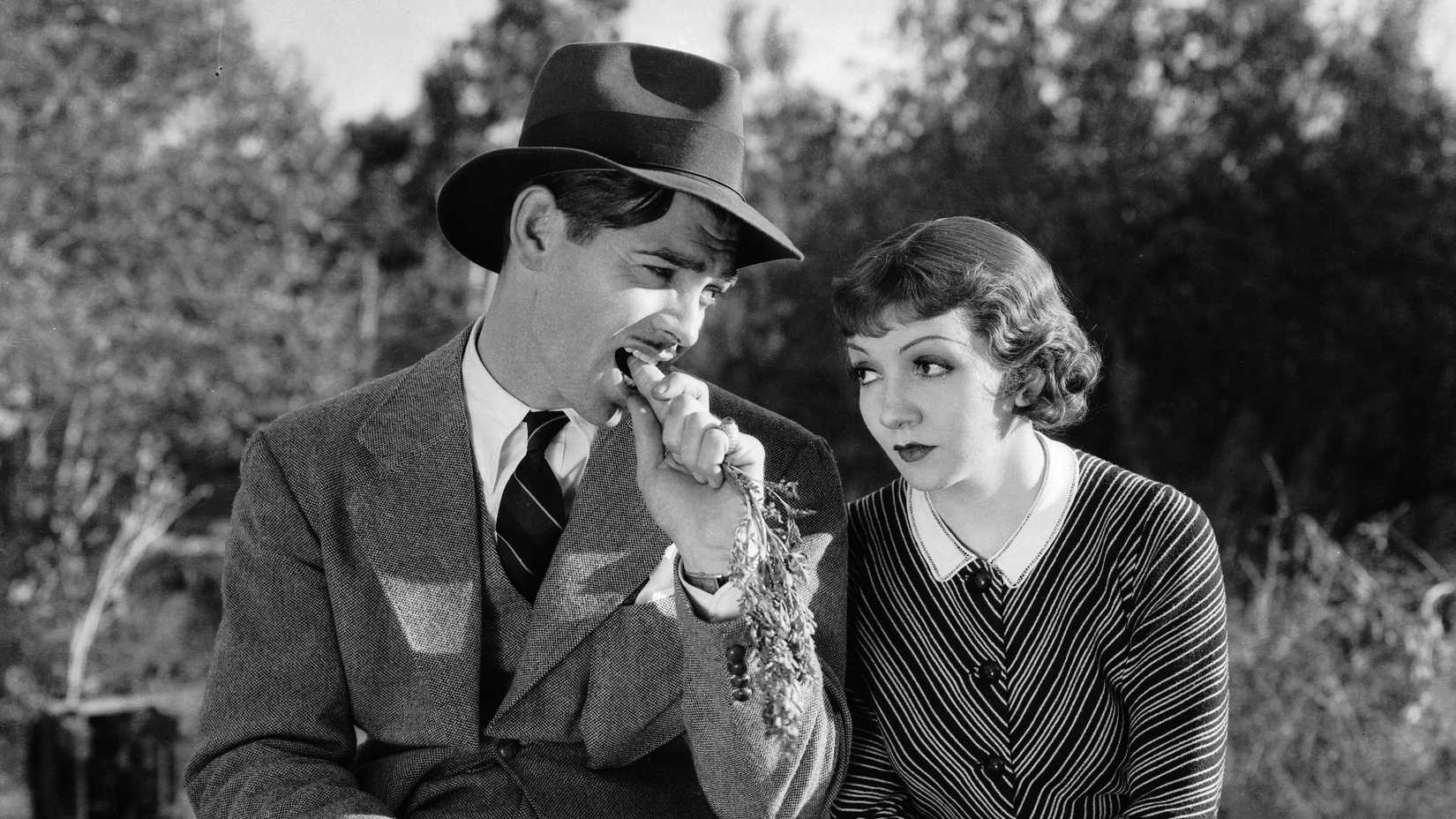
Released just before the institution of a censorship code, Frank Capra got away with a lot when he made It Happened One Night. An outspoken wealthy woman wants to escape her stuffy life, and she falls in with a silver-tongued journalist. Shockingly cheeky for a film from the '30s, It Happened One Night proves that film has always been subversive.
Frank Capra was one of the best filmmakers of early Hollywood, and he established the rom-com standard with It Happened One Night. Directing wasn't always simplistic back then, and Capra used the arts of cinematography and editing to punch up the jokes. Every part of It Happened One Night makes it an indisputable classic, including Frank Capra's Oscar-winning contributions.
Lewis Milestone - All Quiet On The Western Front (1930)
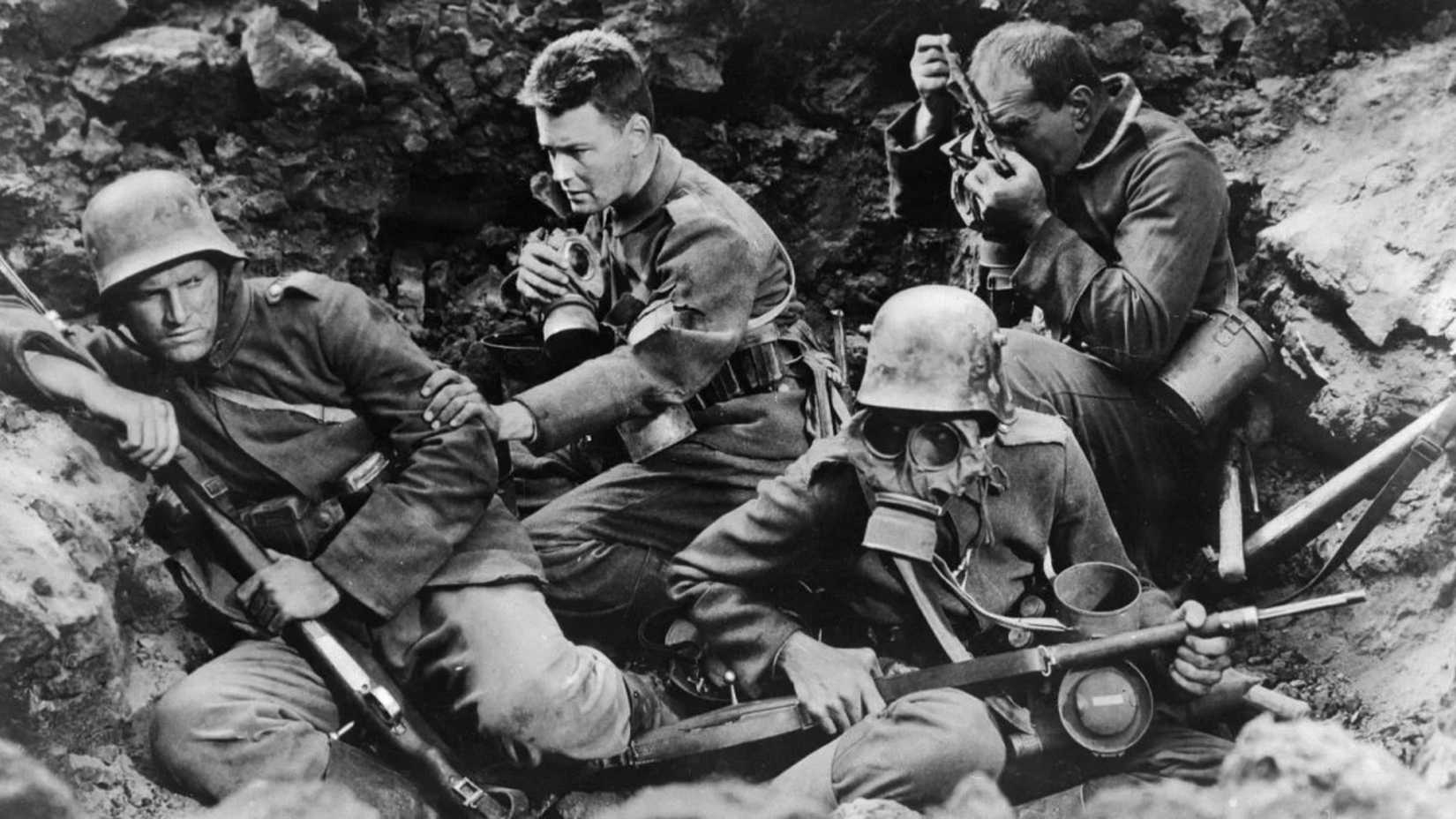
While Lewis Milestone isn't a household name, he won a few Oscars in the early days, including his much-deserved Best Director trophy for All Quiet on the Western Front. German schoolboys enlist in WWI, where the horrors of war leave them jaded. Without a censorship code to restrict him, Milestone pulls out all the stops in his anti-war classic.
In between the World Wars, a lot of media was produced which tore down the jingoism of international conflict. The 1930 version of All Quiet on the Western Front is an imaginative interpretation, using editing in ways that are taken for granted today. Milestone won Best Director at the Academy Awards because he embraced the possibilities of filmmaking.

8/10
Location Los Angeles, CA
Dates March 15, 2026
https://www.oscars.org/






 English (US) ·