While Yellowstone boasts the low lighting, high production values, brutal violence, and adult content of a Prestige TV show, its storytelling is surprisingly simplistic, and the purported moral ambiguity of its characters is pretty lacking. It is fairly obvious throughout the show that viewers are expected to root for John and, later, Beth and Rip, and side with them in their many bloody feuds. Compared to HBO’s truly daring, ambitious, and riskily amoral masterpiece Deadwood, this Western is lacking in teeth and guts.
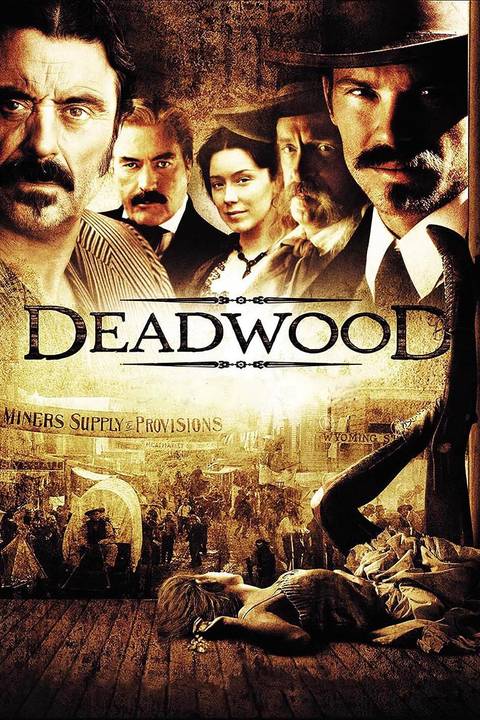
Deadwood Is Still The Best Western TV Series of the 21st Century
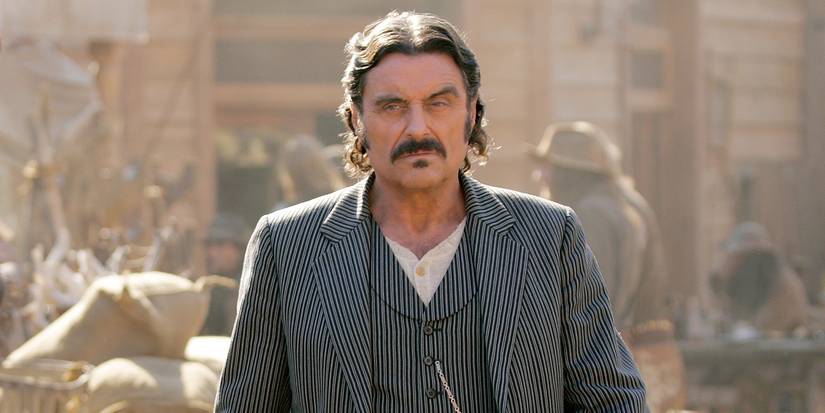
Set in the titular South Dakota town in the 1870s, both before and after its annexation by Dakota Territory, Deadwood was an ensemble drama that returned to the setting of classic Westerns and updated their story with more historical accuracy. Featuring career-best turns from Timothy Olyphant as Sheriff Seth Bullock and Ian McShane as Deadwood’s deservedly infamous saloon owner Al Swearengen, Deadwood told a sprawling story that incorporated a diverse array of townspeople, as well as often involving real-life historical figures like Wyatt Earp and Calamity Jane.
Although this might sound like a setup for a cheesy throwback to classic Westerns, Deadwood was more akin to HBO’s later hit Game of Thrones, albeit with fewer dragons and more six-shooters. The violence was constant, vicious, and unexpected, the dialogue was realistically bracing in its profanity, and the show was unapologetically ambitious in its complex storytelling. With a cast of over a dozen main characters, creator David Milch’s show expected viewers to invest time and attention in its immersive portrait of the West.
In exchange for this focus, Deadwood provided viewers with one of the best deconstructions of Western tropes ever seen onscreen. Like Clint Eastwood’s earlier masterpiece Unforgiven, Deadwood refused to portray gunslinging as an easy answer to the many social issues that plagued the emerging community. Like the Revisionist Westerns McCabe and Ms. Miller and Once Upon a Time in the West, the HBO show had no qualms about focusing on authentically flawed, terrible people, and refused to glamorize or excuse their misdeeds.
Deadwood's Western Story Was Much Darker Than Any Yellowstone Show
While Yellowstone was often lauded for its darkness during the show’s run, the show is ultimately no darker than most of Sheridan’s hits. There is plenty of violence and the antiheroes are clearly awful people, but their worst actions are reliably justified by villains who are even worse and a simplistic appeal to the inherent violence of “Human nature.” For all of its grit, the series is as much a Dad TV classic as Reacher, promising the complexity of The Sopranos or Breaking Bad, but stopping short of truly critiquing its main characters.
Deadwood, to put it mildly, does not share this problem. Compared to shows like Sheridan’s Landman, this is a series where innocent characters are often mercilessly killed by the closest thing the show has to a hero, and land grabs aren’t portrayed as good business or an inevitable, foregone conclusion, but brutal, cruel, and often pointless and pitiful. Where Sheridan’s show focused on billionaires maintaining their comfortable lifestyles while bemoaning attempts to purchase their massive ancestral ranch, Deadwood rolled around in the Western genre's dirt.
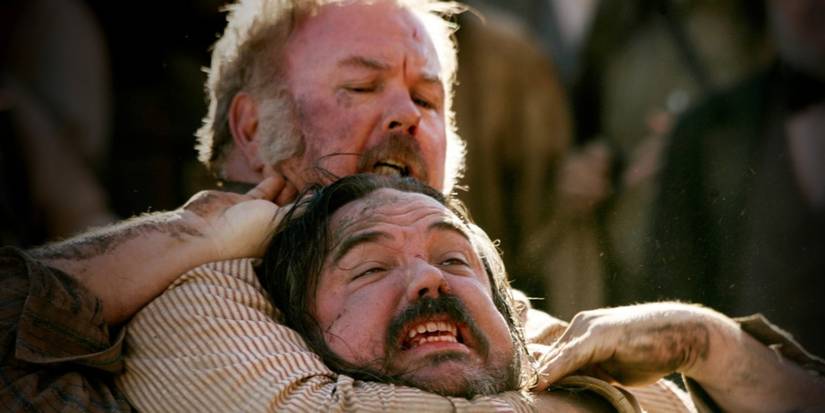
In one unforgettably harsh scene, this was quite literally the case, as a pair of bruisers fought in the streets of the title town until the bitter, bloody, and utterly un-glamorous end of one of their lives. The profound pointlessness of the petty power struggles involved in life in the Wild West were perfectly encapsulated in this scene, which highlighted just how much darker, grittier, more realistic and less glamorized the show was than Sheridan’s later hit.
Crucially, Deadwood simply was not as interested in justifying the misdeeds of its main characters as the Yellowstone franchise repeatedly proved. This freed the show up to tell a more daring, subversive, and surprising story within the trappings of the Western genre, providing a blueprint for later shows like American Primeval and Godless in the process. Lasting three seasons between 2003 and 2006, Deadwood won eight Emmys during its time on television and is frequently listed among the best TV shows of all time to this day.
Deadwood’s Return Came At The Perfect Time
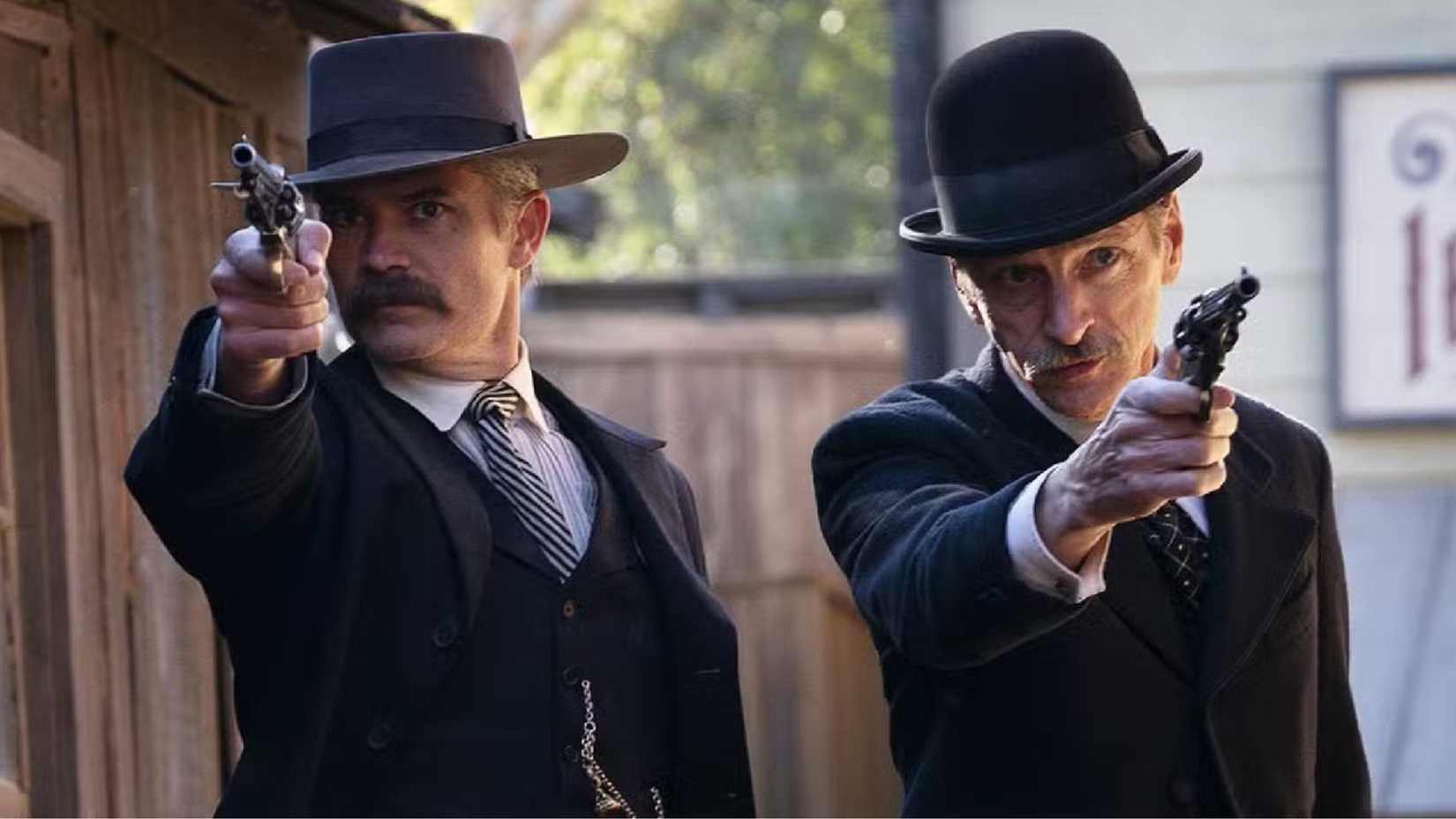
However, the show’s story didn’t end with its series finale. 13 years after the show ended, the deservedly acclaimed Deadwood: The Movie arrived just as Yellowstone was blowing up in 2019, offering fans of the Western genre a reminder of just how intelligent, unpredictable, and gripping its small-screen offerings can be. Lauded as “Bittersweet and brutally honest” by IndieWire upon its release, Deadwood: The Movie was a rare spinoff that managed to recapture the potency of its franchise predecessor.
 Related
Deadwood is based on several real events that occurred in the mining town, including Wild Bill Hickok's murder and other Wild West lore.
While Deadwood was never as big a mainstream success among viewers as Yellowstone, this was likely due to the show’s unapologetic moral complexity and its brutal, unflinching depiction of life in the West. What made Deadwood a more compelling small-screen Western than its later competitor, Yellowstone, was just how intense and morally grey the show was, and it is a credit to the show’s legacy that its spinoff movie managed to maintain this same sense of ambiguity over a decade after its original ending.
Release Date
2004 - 2006-00-00
Network
HBO Max
Showrunner
David Milch
Writers
David Milch

 Image courtesy of Everett Collection



 English (US) ·