
 3 weeks ago
46
3 weeks ago
46
Last week at IFA 2026 TP-Link announced two new Wi-Fi 8 routers—the Archer 9 Ultra and the Deco 8 Ultra—though the actual price and release date aren’t yet known, other than availability being later this year.
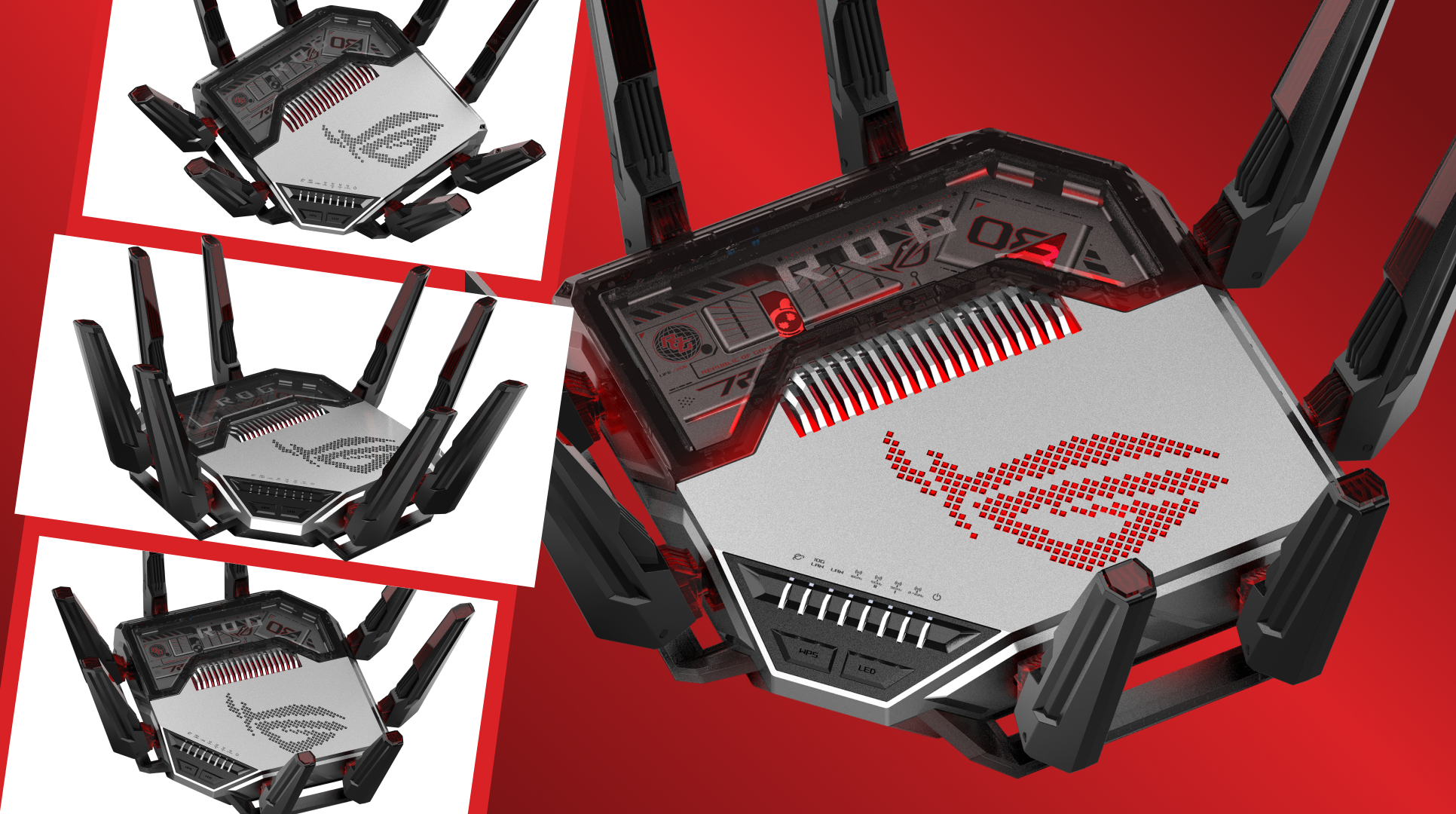
While TP-Link claimed these are the first Wi-Fi 8 routers to be revealed, this isn't quite the case: Asus showed off its Wi-Fi 8 ROG Rapture GT-BN98 at Computex in June, and we were there having a proper gawk. This is a premium gaming router that’s loaded up with features and game optimisations, and with classic completely-OTT ROG looks.
Asus also showed its more mainstream ZenWiFi BN12 at Computex for normal people. Pricing and availability have not yet been announced—though review samples of the ROG Rapture GT-BN98 are expected to be available very soon, so it’s not far off.
Wi-Fi 8 isn’t so much about boosting speed over Wi-Fi 7: stability under heavy load is the main objective of the new standard, as we continue to saturate the Wi-Fi airwaves with ever more demanding uses.
Compared to Wi-Fi 7, the new Wi-Fi 8 standard is far from being a premium speed boost for the sake of it like past Wi-Fi iterations, and is more of a user experience enhancement that addresses some of the issues that can hamper Wi-Fi 7 and its predecessors in the real-world. It’s more reliable, faster at long distance and even improves the performance of existing older/weaker networked devices. Its technologies facilitate almost double speed at mid-to-long range, almost double IoT network coverage, deliver lower latencies in crowded Wi-Fi environments, and better handling of heavy network traffic across multiple connected devices.
Which all adds up nicely for a modern gamer’s device or stream-congested home.
The ROG Rapture GT-BN98 Pro Wi-Fi 8 is pitched at gamers, and besides the standard Wi-Fi 8 gains it packs in the usual suite of ROG gaming router enhancements.
Its AI-powered Adaptive QoE technology actively analyses packet content and behaviour patterns in real time, and automatically identifies the requirements and priorities of each application and dynamically allocates network resources using bandwidth monitoring techniques. For gamers that means prioritising game and related traffic, and preventing unwanted bandwidth hogs from interrupting your game at an inconvenient time.
Image 1 of 2
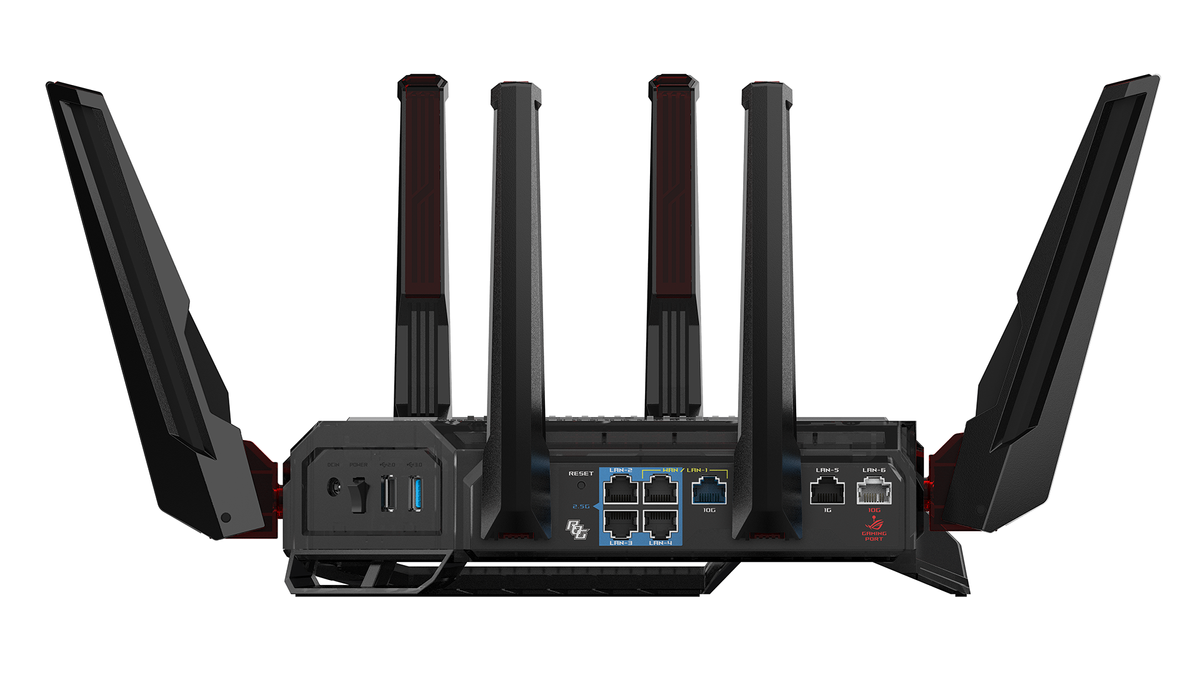
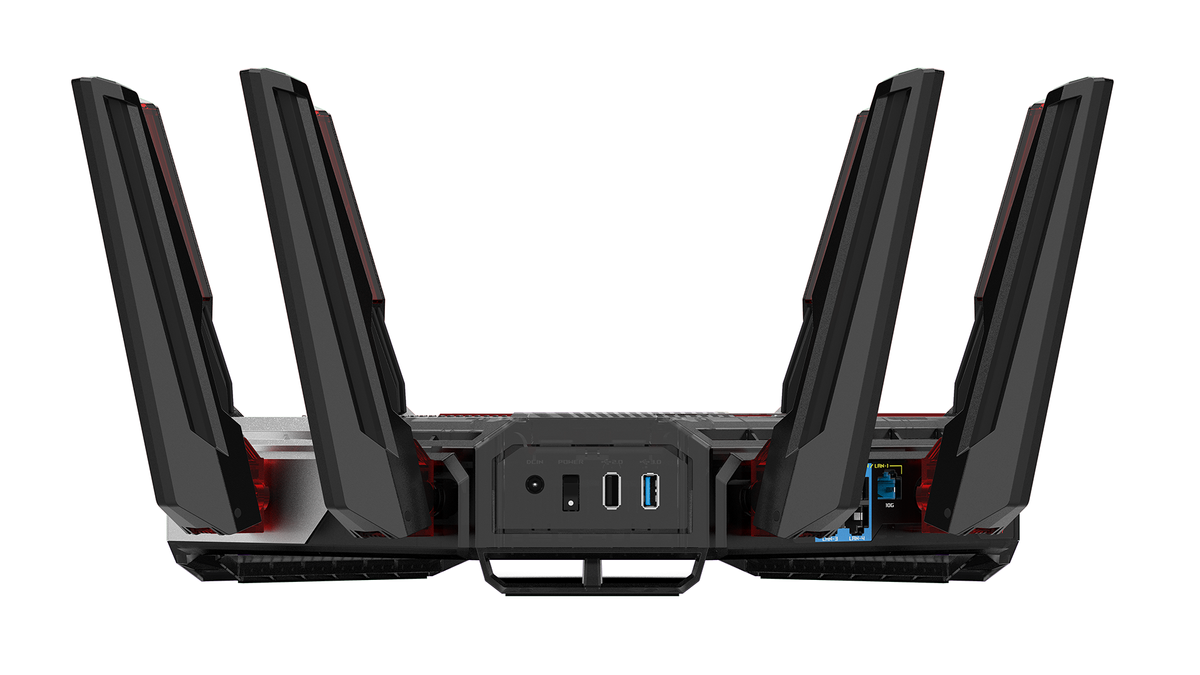
It also includes a much more intuitive interface with intensive details covering both the environment and all your connected devices.
It’s got dual 10Gbps ports (one with preconfigured game optimisation settings) and 2.5Gbps W/LAN ports. So, no compromises for Ethernet-connected PCs and devices.
The more pedestrian Asus ZenWiFi BN12 will be available as a standalone router or multi-node mesh system, with MLO backhaul between nodes that banishes the huge performance drop-off associated with many mesh networks. Each node sports dual-10Gbps and triple-2.5Gbps ports.
Both models provide a plethora of network monitoring tools, VPN integration, multi-SSID operation and server functionality. Both also include Asus’ triple-level network security with AiProtection including parental controls, for free, without an ongoing subscription.
But should you upgrade as soon as these become available? If you’re on Wi-Fi 7 definitely not, as Wi-Fi 8 client devices such as phones or laptops—or even PCIe or USB adaptors—will likely follow actual router availability by weeks or even months before being widely available.
But if you're due for a router upgrade soon, Wi-Fi 8 offers all the benefits of Wi-Fi 7 (and then some), so upgrading to one of the new Wi-Fi 8 routers makes more sense in terms of future proofing.







 English (US) ·