
 4 weeks ago
27
4 weeks ago
27
Every year, I make it a ritual to look back at the photographs I’ve taken—not just to see if I ended up with a set of images I’m actually happy with, but to understand what they say about me. Reviewing a year’s worth of images can reveal patterns you didn’t know were there: the subjects you’re drawn to, the way you use light, the emotions you chase. It’s an honest reflection of who you are as a photographer—and who you’re becoming.
I carry a camera almost everywhere I go. I photograph anything that catches my eye—food, faces, empty streets, forgotten buildings. I’ve never been one for labels and pigeonholing, but if I had to, I’d call myself a travel photographer. I should add that street and landscape fall under that travel umbrella, in my opinion. Yet, when I look back at my images from the past year and force myself to pick just ten favorites, I start to question whether that label truly fits.
These ten photographs surprised me—they revealed what really matters to me, and how I want to shape my photography in the year ahead. Maybe doing the same will help you, too.
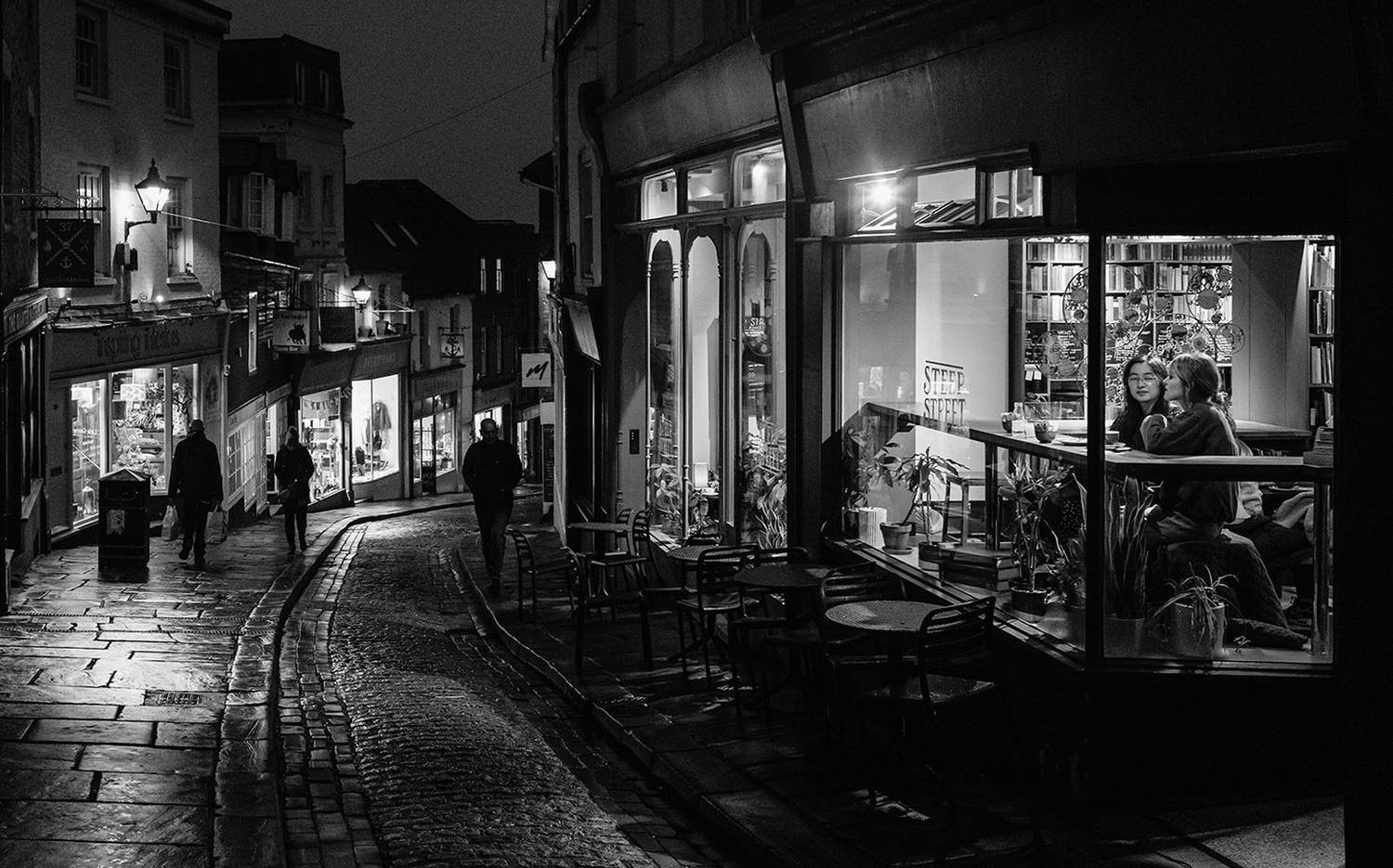 Nighttime Street Life
I don’t think this is a great photo; it’s nice enough. But what I realized from looking at it again is that I love the idea of shooting these street scenes at night with all this rich black-and-white contrast. To me, this documents street life nicely, and we don’t see so many photos of life at night. You could say it’s an environmental portrait. The main takeaway with this photo is that I enjoy looking for this kind of scene, and it’s made me realize I want to do more of this moving forward.
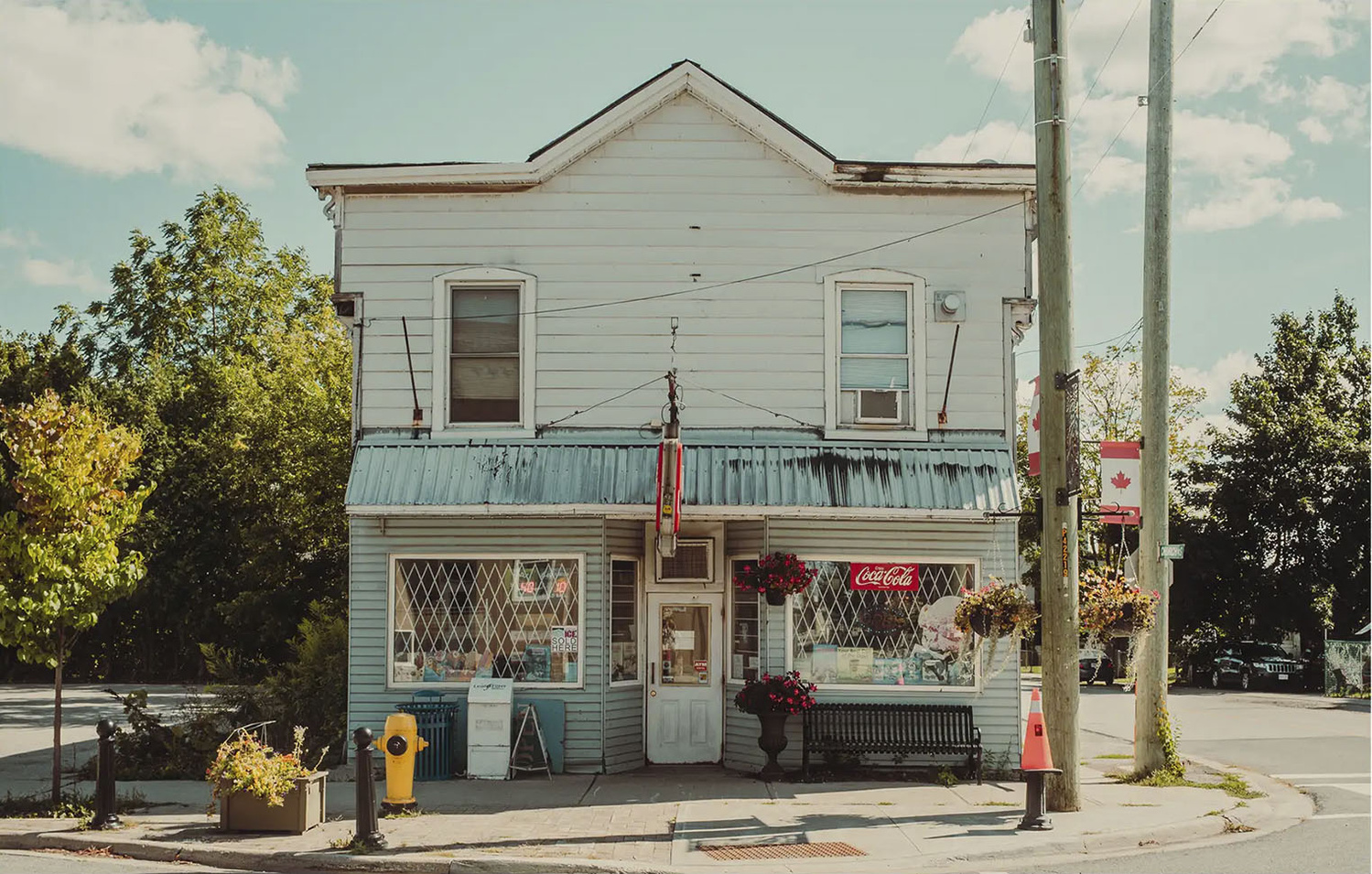
Document Small Towns
I didn’t travel far afield much this past year, so I decided to explore all the small towns within an hour’s drive of me, and create a project to document them. This has become an ongoing project now that is giving me much satisfaction. There’s beauty in the mundane, the everyday, and this project has forced me to really see—where, in the past, I’ve taken my local surroundings for granted and barely looked. My only dilemma is black and white or color. Black and white is always my preference, but color might just be more appropriate this time.
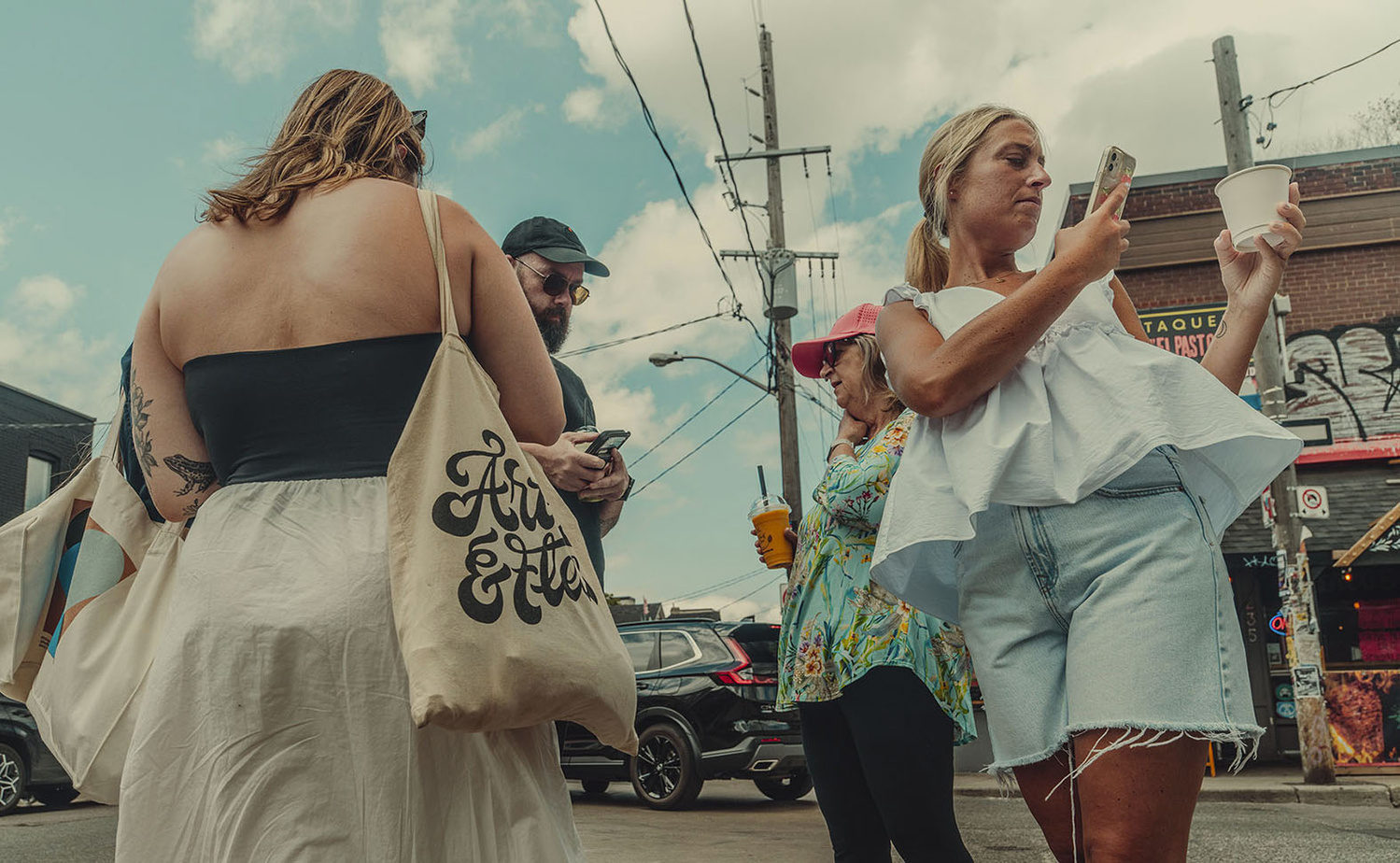
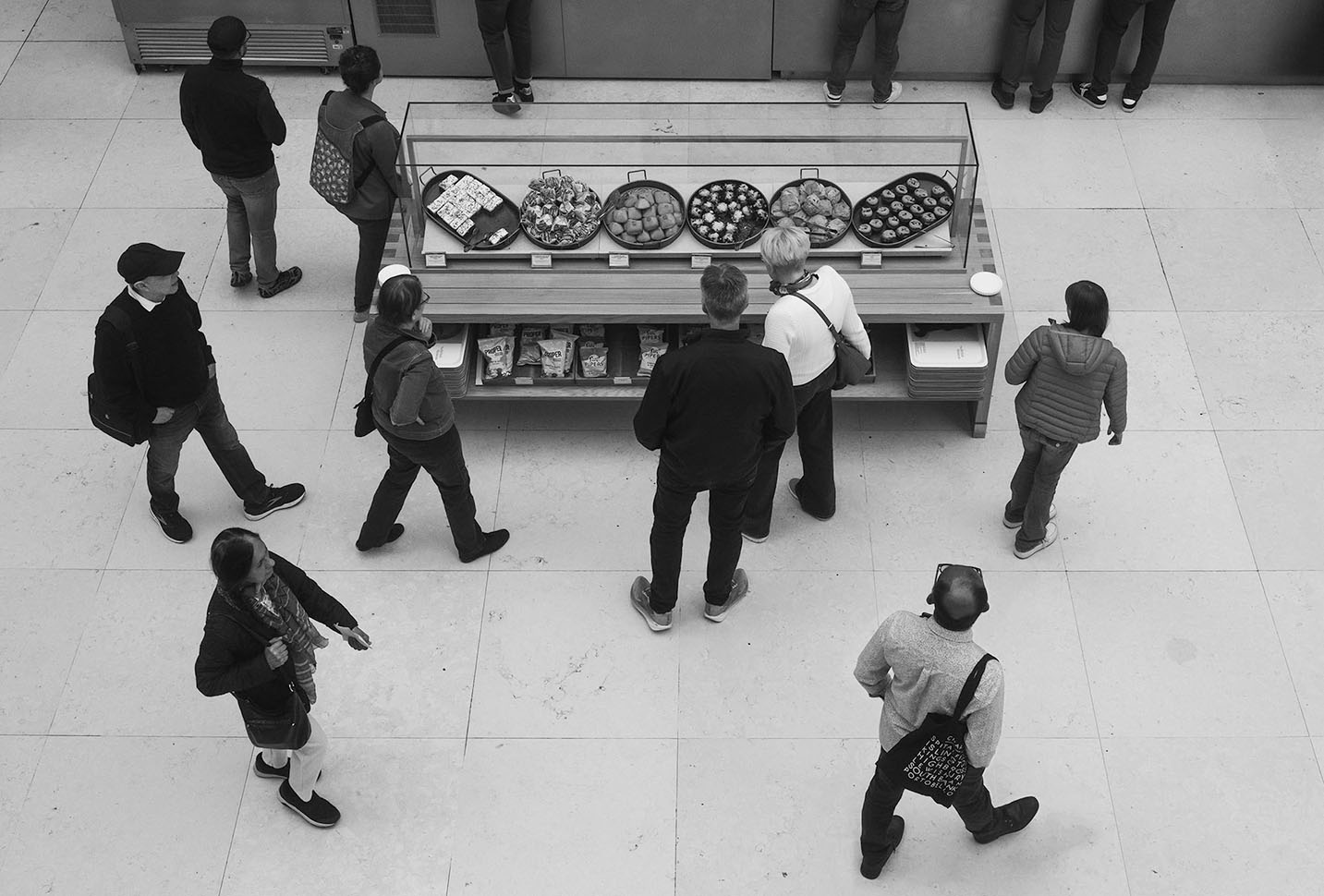 Layers and Balance in Composition
This approach also came from not traveling so much. I started to spend time around lots of people and practiced grabbing a composition with people perfectly balanced and positioned in a frame. No one awkwardly overlapping and getting cut off—that was the goal.
A variation of this is to create images with layers of people, again all precisely positioned, all actively doing something, ideally. I see too many street photos where there is no purpose to them—just random people walking. If I’m going to do that, I may as well take this idea to another level that has some kind of creative purpose attached. So the goal here is spatial awareness and balance. I want to do more of this, because it’s a real challenge—it takes some effort to really see and be ready to react quickly.
 Portraiture
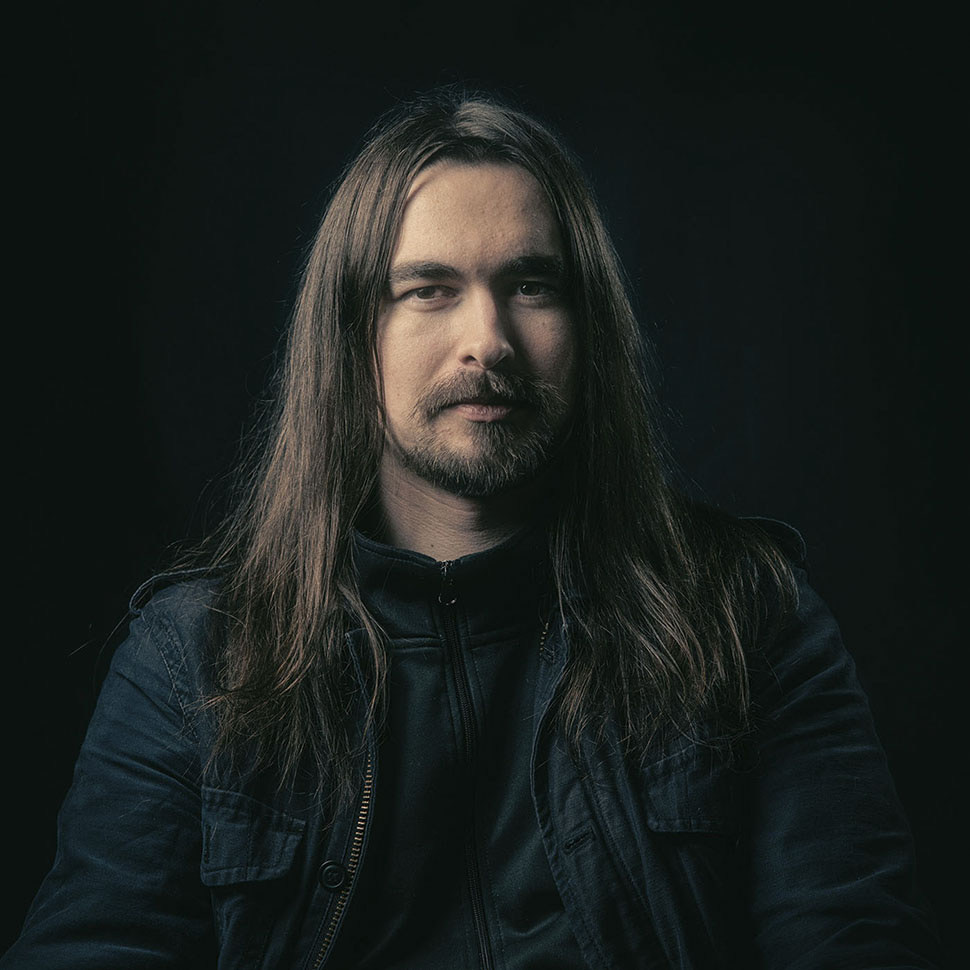
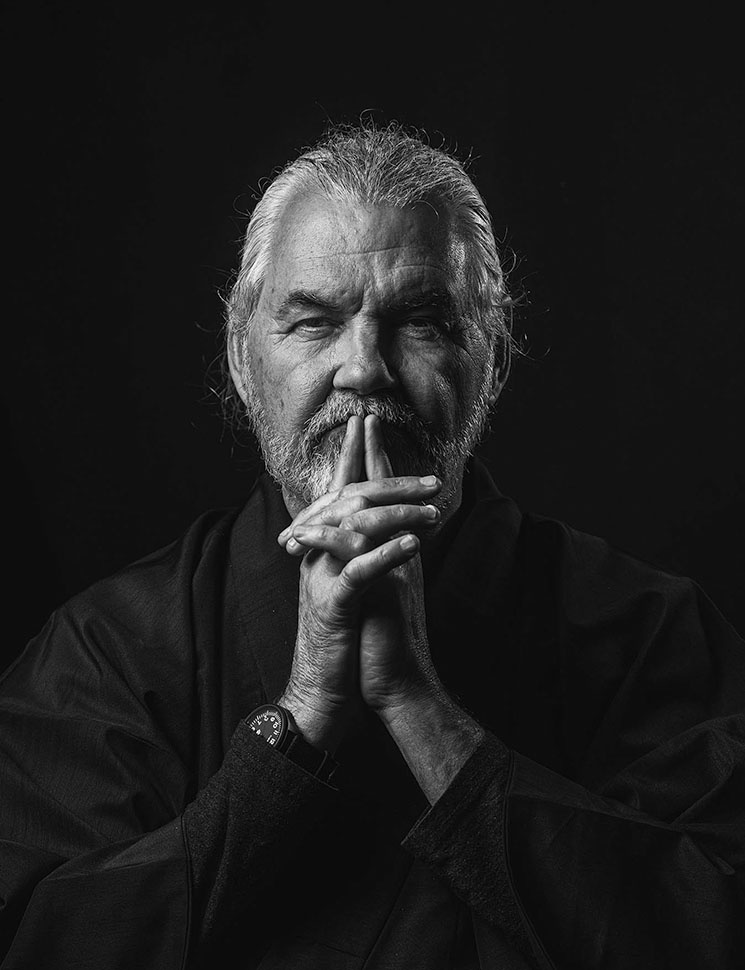
I found myself taking more of an interest in lighting this past year, and shooting portraits. I’d been looking through art books—painters from the 17th and 18th centuries—and appreciating how they lit their subjects. I found it a fun project to recreate the lighting techniques.
I was taught that the best portrait photos had to have a catchlight in the subject’s eye. This brings the person to life. I’ve always striven to have a catchlight, but I decided to break this “rule,” too. If we can find a family member or friend to pose, it’s a good idea to experiment, and try as much as possible, including “doing it wrong.” This is the only way to learn and improve.
 Environment Portraits
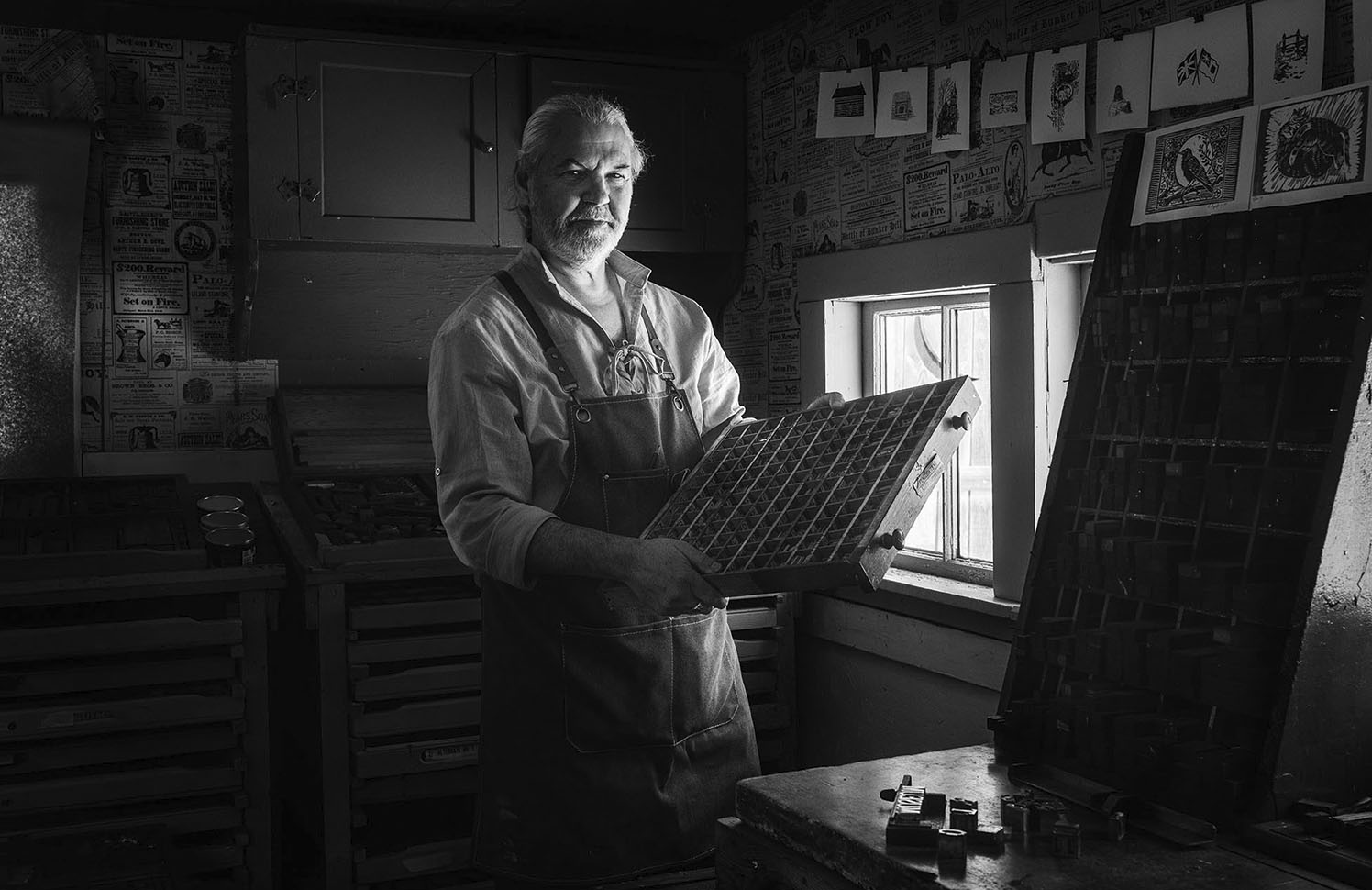
My favorite kind of portraits are when I can shoot people in their environment. I particularly enjoy photographing artists, craftspeople, and traditional artisans. I was fortunate to have been hired by a heritage museum to create a series of photos of various people working, and this allowed me to really indulge and have fun with this type of photography.
I recommend environmental portraiture when traveling, to help capture the essence—the culture—of a place.
 Intimate Landscapes
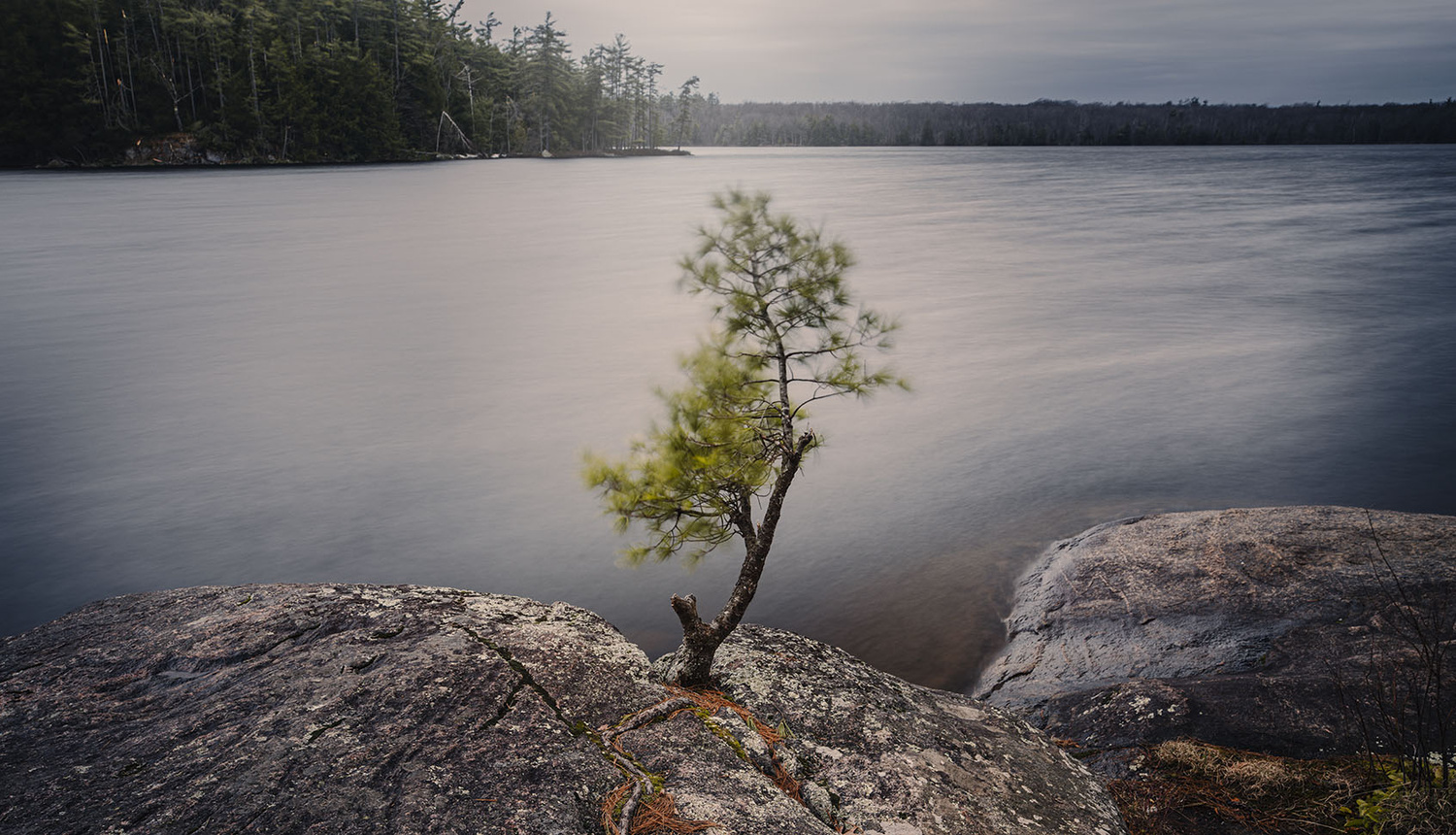
I love landscape photography. It’s my number one genre when I need some “me time.” There’s nothing more therapeutic than heading off into the wilderness and spending time alone with nature. But those honeypot views that everyone has photographed already—no thanks, not interested. I’m enjoying going to random locations and looking for more intimate compositions, and seeing if I can find a story.
My favorite landscape photo this year was of a little tree, determined to survive in a very harsh location. This is a story of survival; it’s an environmental portrait of sorts, as it shows a subject in its environment. There’s context and story, and this image really resonated with me and has me wanting to seek out more of the same in the new year.
 A New Approach To Street Photography
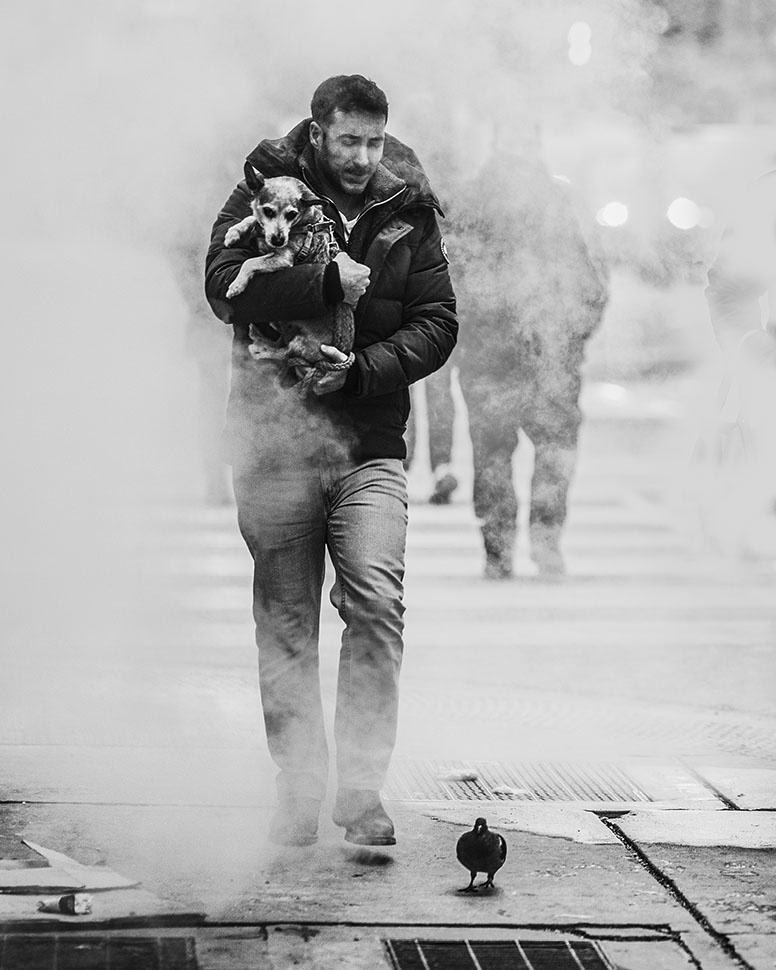
Street photography is possibly my greatest love, probably because it’s so accessible and can be done anywhere at any time. I’ve been shooting with a 28mm or 35mm for years now, but this year I decided it was time to switch things up a little and try a focal length I’ve not used before.
Trying a new approach to something we’ve become accustomed to is a really good idea, whatever the genre of photography. I believe the best way to tackle a new and different approach is by using a focal length we wouldn’t normally use.
This street image was shot using an 85mm prime lens. It completely changes the way I shoot on the street, and I had to learn an entirely new approach. But after a few hours, I discovered it was incredibly creative and refreshing, resulting in me nabbing my favorite street photo of the year!
 Seeking the Mundane
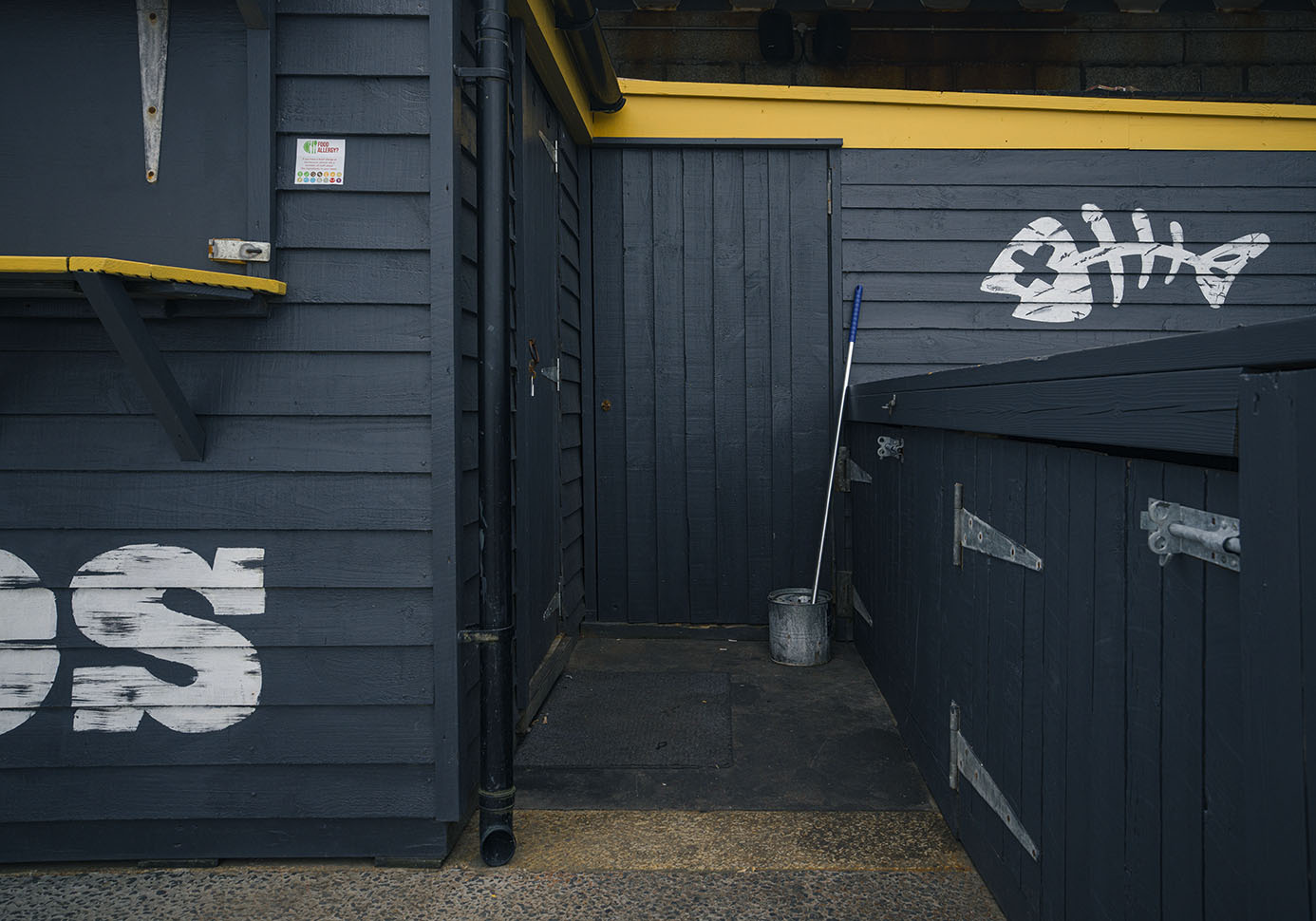
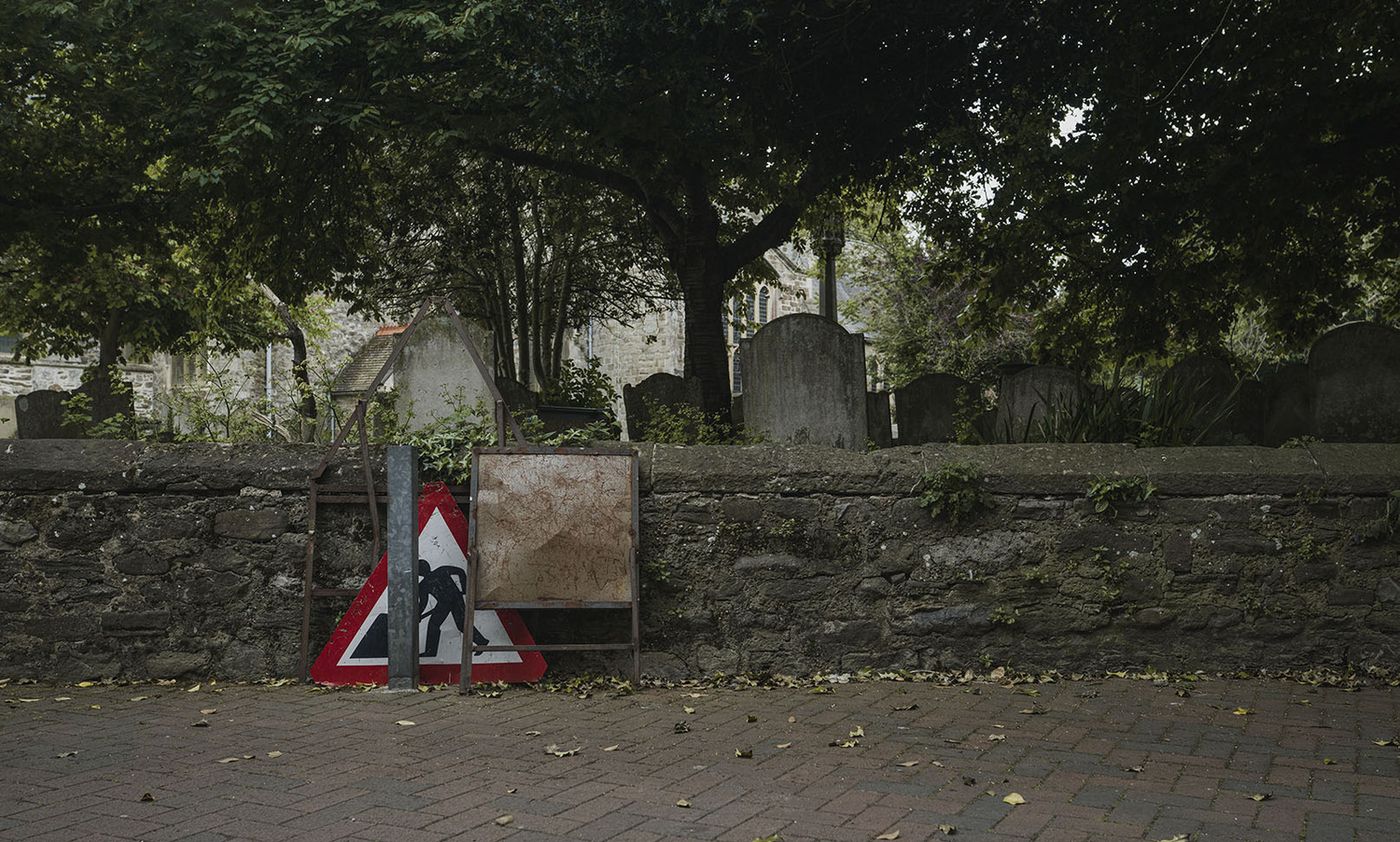
The big theme this year was looking for interest in my local surroundings. I’ve already mentioned I started documenting small towns nearby as a result of a lack of traveling, but I also started to look for intimate compositions that were abstract, surreal, or had an element of humor or juxtaposition.
My influence was William Eggleston, whom I was studying a couple of years ago. His approach was often taking a photo for no other reason than that it was there in front of him. If you take this approach, the point of the photo then simply becomes how best to compose the photo. A worthy exercise. My preference, though, is to aim to have some kind of story included, if possible.
Conclusion
Looking back through a year of images has reminded me that photography isn’t just about what we see—it’s about what we notice, and why. The photos I keep returning to are never the most technically perfect ones, but the ones that make me feel something, that remind me of what it was like to be there, to really see.
The thing I’ve realized is that I enjoy taking photos that include people. It wasn’t a conscious decision to shoot people, but it’s clear I enjoy photographing them. People make a place what it is; people define the culture of a place, and how it looks—at home and away.
The other thing of note is that most of my images are black and white. I get drawn to black and white more and more these days, because I do feel my photography needs to be about emotions and feelings more than colorful, pretty views. Although I still like shooting colorful, pretty views.
I love to travel and experience new landscapes, particularly coastlines and mountainous regions, but I’ve realized that manmade things like buildings, and the people who live there, are what make these landscapes interesting. When I think about it, this is why I’m drawn to street photography under the travel photography umbrella: it’s because of people and the interesting things they do.
So what I’ve learned from this review is that I love photographing people. I love environmental portraiture and cultural photography. Secondary to this, I love photographing what people make—like food, art and crafts, and buildings.
Am I able to define who I am as a photographer? Do I have one line that says what kind of photographer I am? Do I even need to?
No, I don’t, but my takeaway from looking at my favorite images is this: moving forward into the new year, I want to pursue emotionally led black-and-white images that tell stories of people. And I want to find compositions of the everyday and mundane that show beauty and potentially tell a story.
Maybe that’s what this annual review is really about—not self-critique, but self-discovery. Photography changes us over time; we need awareness to notice this.
The question now is aimed at you, dear reader. I encourage you to take some time to look through your images from this past year. Ask yourself what they say about who you are now—and who you might become next.
Do share your thoughts in the comments below; it will surely help everyone and give them inspiration and ideas for their own photography.
Thanks for reading, and here’s to a creative New Year!



 English (US) ·