
Serving tech enthusiasts for over 25 years.
TechSpot means tech analysis and advice you can trust.
Editor's take: I've always wanted to capture an image of the Milky Way galaxy – or, at the very least, see it with my own eyes in real time. I've got the photography know-how to pull off what would be a frame-worthy shot of our galaxy, as well as the desire to make it happen, but the opportunity simply hasn't presented itself yet. And if the statistics are to be believed, I might never get to cross this one off my bucket list.
Man-made light pollution is the culprit, and it's not just from above. You've no doubt heard of the growing headache that orbiting satellites are causing astronomers trying to photograph the night skies. Compounding the matter is the modern amenity that is artificial light on the ground. Thanks to technologies like LED lighting, large cities and neighborhoods are brighter than ever.
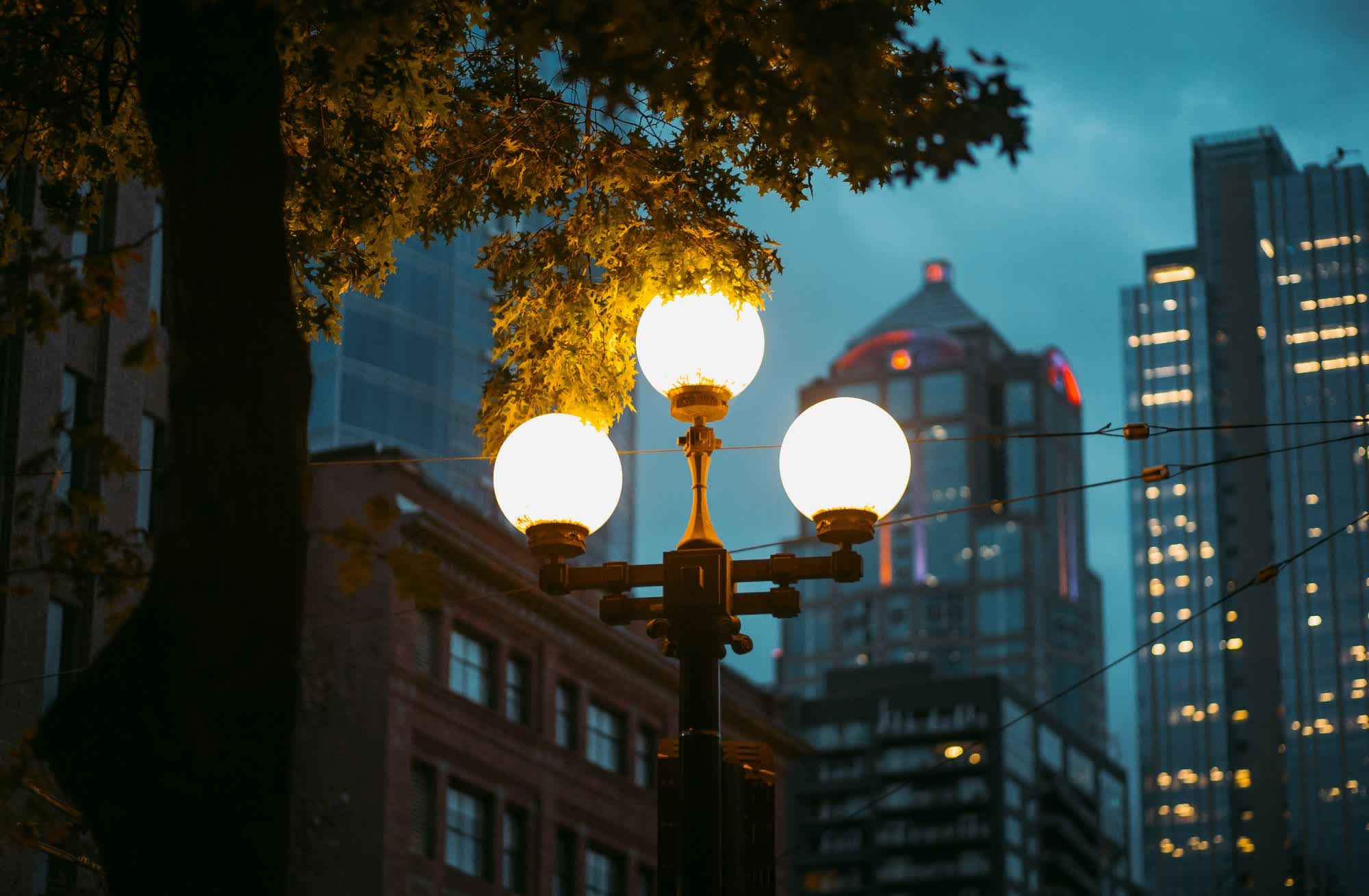
And we're not just talking small numbers here. According to one report, the average night sky got brighter by 9.6% per year from 2011 to 2022. That equates to a roughly doubling of the sky's brightness every eight years. Another study notes that four out of five people live under light-polluted skies. Given those odds, it's likely that you've never even seen the night sky as it was intended.
As Tove Danovich with The Guardian highlights, access to a dark sky is about more than just stargazing. Light pollution can confuse nocturnal animals that use moonlight to navigate, and being in a brightly lit environment around the clock can throw off the circadian rhythm of most all living creatures – humans included.
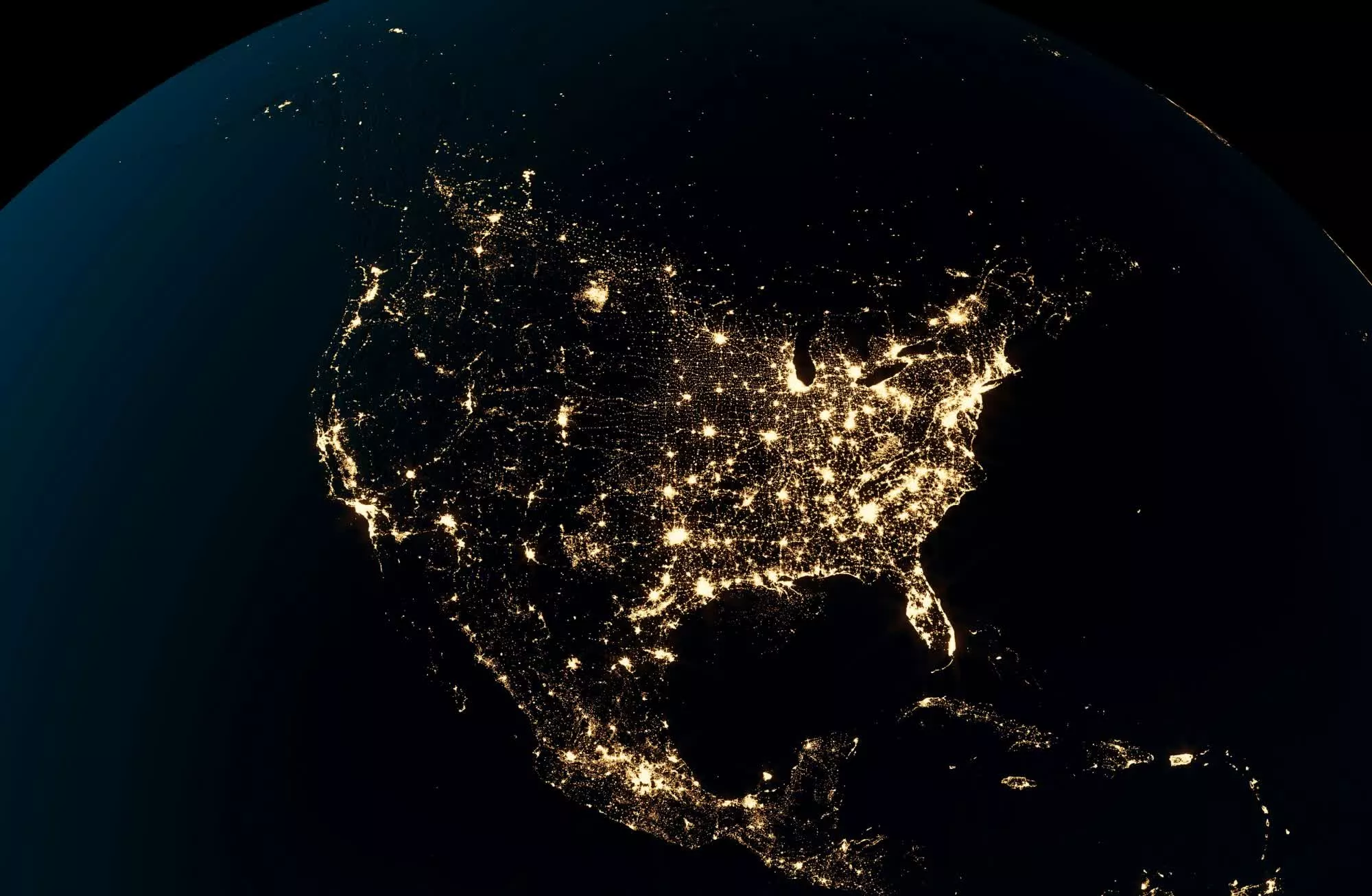
Some communities are already taking steps to reduce ground-based light pollution. Flagstaff, Arizona, has rules in place to regulate how much light can be used at night, what type, and where it can legally shine. New York state is also considering similar restrictions. But as Danovich correctly notes, such restrictions do nothing to combat space-based light pollution sources like satellites designed to beam sunlight to Earth at night.
Indeed, it feels like darkness is quickly becoming a luxury.







 English (US) ·