


Published Mar 17, 2026, 8:00 AM EDT
Warner Bros. wanted to cut a crucial V for Vendetta scene, but director James McTeigue fought to keep it in.
Based on Alan Moore's graphic novel of the same name, V for Vendetta is a deeply political film about Evey Hammond (Natalie Portman), who becomes connected to the enigmatic masked vigilante V (Hugo Weaving) and his resistance against the United Kingdom's totalitarian government. V often goes to violent extremes and undertakes some morally questionable methods to achieve his goals.
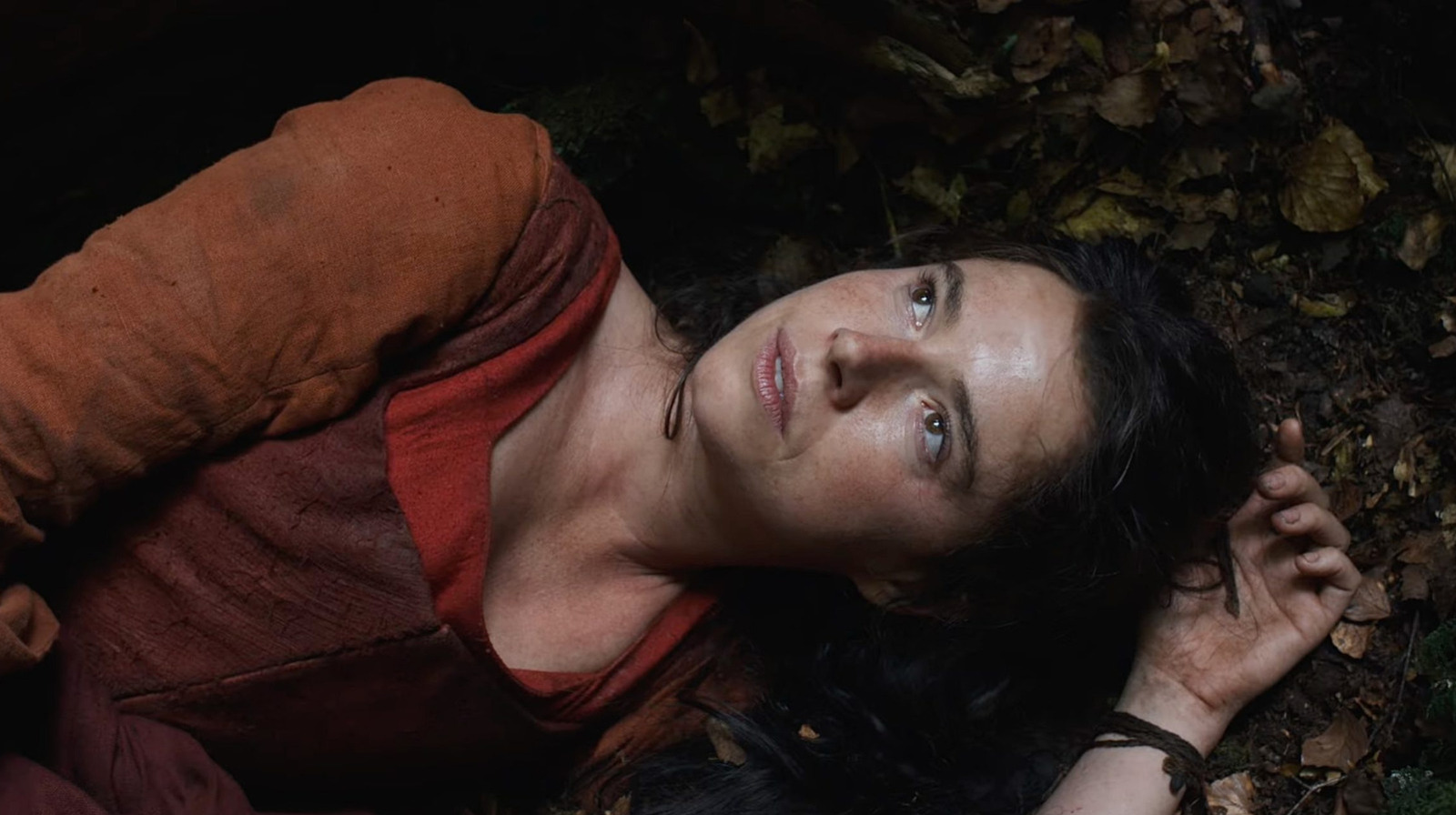
In an interview with ScreenRant's Grant Hermanns for the movie's 20th anniversary 4K re-release, McTeigue was asked if he received any specific notes from Warner Bros. about toning down certain political or potentially controversial elements. The filmmaker felt that producer Joel Silver protected him from the studio during production. After shooting had wrapped, though, he was asked to take out the sequence in which a seemingly imprisoned Evey learns about the life of Valerie Page (Natasha Wightman), who was taken captive by the government for being a lesbian and brutally experimented on by the fascist regime. McTeigue insisted that the sequence not be taken out as it is vital to Evey's character arc, which Warner Bros. accepted. Check out the director's comments below:
Not while I was shooting. I think Joel Silver, the producer at the time, did a good job of keeping me shielded from the studio. Only after I'd finished the movie, they asked if I would remove the Valerie sequence, which has the lesbian relationship in it. And I'm like, "Well, you can't remove that. That's the crucible of what changes Evie. That's her transformation." Much to their credit, I said I wouldn't take it out, I just said, "Well, you can't take that out." And they went, "Okay." And that was kind of it. So, what you see is what I wanted on the screen. I didn't have to really editorialize it other than for pace and time and stuff like that. I didn't really have to do much editing to it.
Valerie's words chronicle her journey of coming out, falling in love with another woman, and passing on the story of her life's challenges and beauty to inspire others. Not only does the sequence feature many of V for Vendetta's most memorable quotes, but as McTeigue indicates, it is what ultimately changes Evey. Valerie's story is what gives Evey the strength to never submit to injustice and to learn how to be free without fear.
In the mid 2000s, positive LGBTQ+ representation was not often at the forefront of mainstream media, which is likely why Warner Bros. was hesitant about the sequence and wanted it removed. However, cutting it would have meant the loss of valuable representation, fundamentally changing Every's arc, and even undermining what the movie has to say about being free to live authentically.
In ScreenRant's V for Vendetta review, Grant Hermanns describes the film as "one of the most prescient and frighteningly important comic book adaptations ever," as "many of the hateful ideas carried forth by the Norsefire regime are still sadly rampant today." Valerie and countless others being oppressed because of their sexuality is one of those hateful ideas, which underscores the movie's message about why fascism cannot be accepted under any circumstances. Without the moving and integral sequence, V for Vendetta would have been quite different and would not have the same legacy it has today.
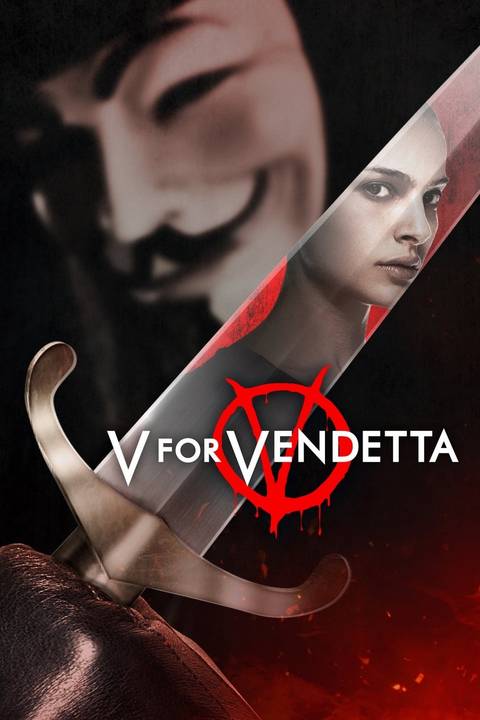
Release Date February 23, 2006
Runtime 132 minutes
Director James McTeigue
Writers Lana Wachowski, Lilly Wachowski
Producers Grant Hill, Joel Silver, Lana Wachowski, Lilly Wachowski, Lorne Orleans
-
Hugo Weaving
V / William Rookwood
-


 English (US) ·