
 3 hours ago
5
3 hours ago
5
Suit alleges the trio have "squeezed conventional DRAM supply", while pivoting towards High Bandwidth Memory
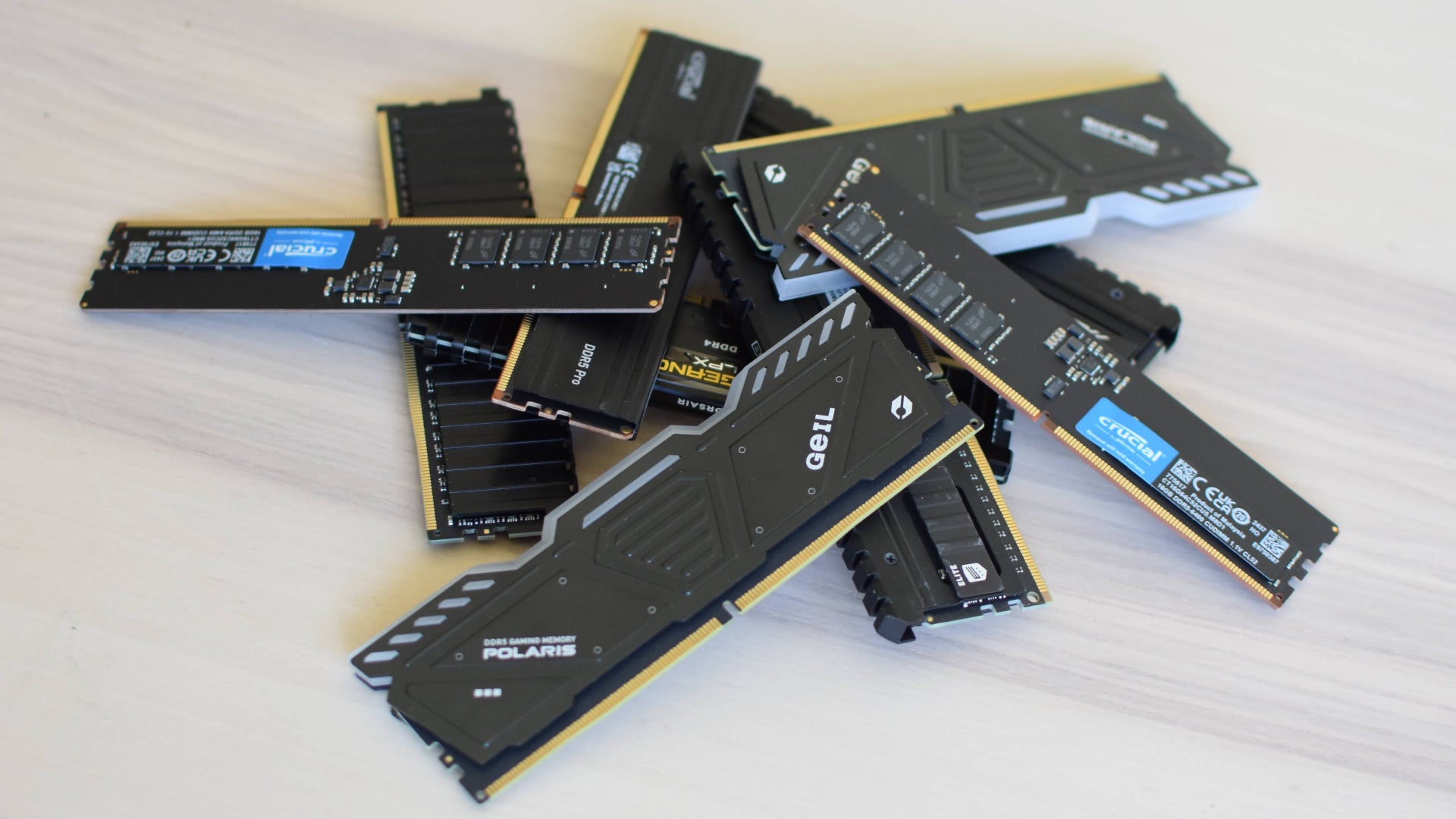
Chip makers Samsung, SK Hynix, and Micron have been accused of fixing RAM prices and supply, thereby exacerbating the effects of the ongoing memory crisis, in a US class action lawsuit. According to the suit, the trio have co-ordinated their pivots from focusing on making the sort of RAM consumer tech needs to the high bandwidth memory typically used by AI datacentres, with no-one stepping up to take advantage of fulfilling the demand such moves have left for non-astronomically priced memory on the consumer side.
The suit, reported by Law360, is dubbed Garciaguirre et al v. Samsung Electronics Co., Ltd. et al and was filed at the United States District Court for the Northern District of California on June 25th. On one side are Samsung, SK Hynix, and Micron, while on the other is a class of plaintiffs represented by Bathaee Dunne LLP, a law firm who list "high-stakes antitrust cases involving complex, evolving markets and technology" among the specialist areas of expertise.
"The DRAM oligopolists have simultaneously cut production, coordinated a pivot to HBM and exit from DDR3 and DDR4 [memory], and otherwise decreased and locked up conventional DRAM supply while prices charged up with mind-blowing scale and rapidity," the plaintiffs allege in the lawsuit's initial filing, which accuses the companies of having worked to fix RAM prices since 2022. As prices rose, the suit argues that "still Samsung, SK Hynix and Micron continued to squeeze conventional DRAM supply, simultaneously and publicly directing their resources toward less-profitable-per-die HBM – or in some cases, simply junking conventional DRAM supply channels altogether".
With DRAM prices surging upwards over the past few years, the suit claims that "in a competitive commodity market", "at least one of three large producers, seeing record prices, would expand output of the product whose price was rising", thereby forcing their competitors to either follow suit or risk losing out on customers. "That did not happen," the lawyers acting on behalf of the class declare matter-of-factly. In short, Samsung, SK Hynix, and Micron are being accused of not acting as independent companies should amid the ever-rumbling commerce war of capitalism, instead moving as a monolith.
As for the prospect of any new competitors popping up to compete against the trio and perform the zag to their zig, the suit alleges the costs and knowledge needed to get into DRAM manufacturing on a similar scale make that a difficult task.
Finally, the suit points out that this isn't the first time the three chip makers have been accused of DRAM price fixing. Samsung and SK Hynix were both fined alongside a host of other companies for doing so between 1998 and 2002, while Micron escaped a fine for the part they played in that due to having been the ones who alerted competition authorities as to what was happening.
I've reached out to Samsung, SK Hynix, and Micron for comment.
Over the weekend, news broke of Lenovo saying they reckon the prices consumer RAM has ballooned to in recent years will be the new norm. We'll see if this lawsuit ends up having any effect on the chances that the likes of the Steam Machine cease to cost a fortune by the next ice age.








 English (US) ·