
 1 week ago
17
1 week ago
17
The Federal Reserve’s July meeting ended with a hold on interest rates, but the vote wasn’t exactly a portrait of consensus. The 9-3 split, with three members pushing for an immediate 25-basis-point increase, tells you everything about where the inflation debate stands heading into fall.
The federal funds rate remains parked at 3.5%-3.75%, where it’s been since the last adjustment. But with the next FOMC meeting set for September 15-16 and a critical CPI print expected around August 12, the window for clarity is narrow and the stakes are high.
The inflation picture: better, but not good enough
June’s Consumer Price Index offered something for both hawks and doves to latch onto. On a month-over-month basis, CPI actually fell 0.4%, a welcome reprieve after months of sticky readings.
But zoom out and the picture looks less comfortable. Year-over-year inflation clocked in at 3.5%, down from 4.2% in May but still well above the Fed’s 2% target. Core CPI, which strips out volatile food and energy components, sat at 2.6% annually.
Energy prices have been the main driver of the headline improvement. After spiking earlier in 2026, fuel costs have retreated from their peaks, pulling the broader index down with them. The problem is that energy-driven disinflation can reverse quickly, especially when geopolitical risk is elevated.
Ongoing tensions in the Middle East have kept supply chain disruptions on the table as a persistent threat. J.P. Morgan and other major institutions have flagged these geopolitical pressures as a key variable that could push inflation back up and force the Fed’s hand.
A Fed divided against itself
Three dissenting votes at a Fed meeting is not routine. The dissenters wanted a 25-basis-point hike immediately, essentially arguing that waiting until September risks falling behind the curve. The majority held firm, preferring to wait for more data before making a move.
Market pricing currently reflects about a 36% probability of a rate increase at the September gathering.
Goldman Sachs, for its part, is looking past the near-term turbulence. The firm projects potential easing later in 2026, targeting a terminal rate around 3%-3.25% as external inflationary pressures fade.
What the August CPI print could change
The CPI release expected around August 12 is shaping up to be one of the most consequential data drops of the year. If month-over-month inflation stays negative or near zero, it would bolster the case for holding rates steady. If prices reaccelerate, particularly in core categories like shelter and services, the three dissenters suddenly look like they were ahead of the curve. A hot print could push the market-implied probability of a September hike well above 50%.
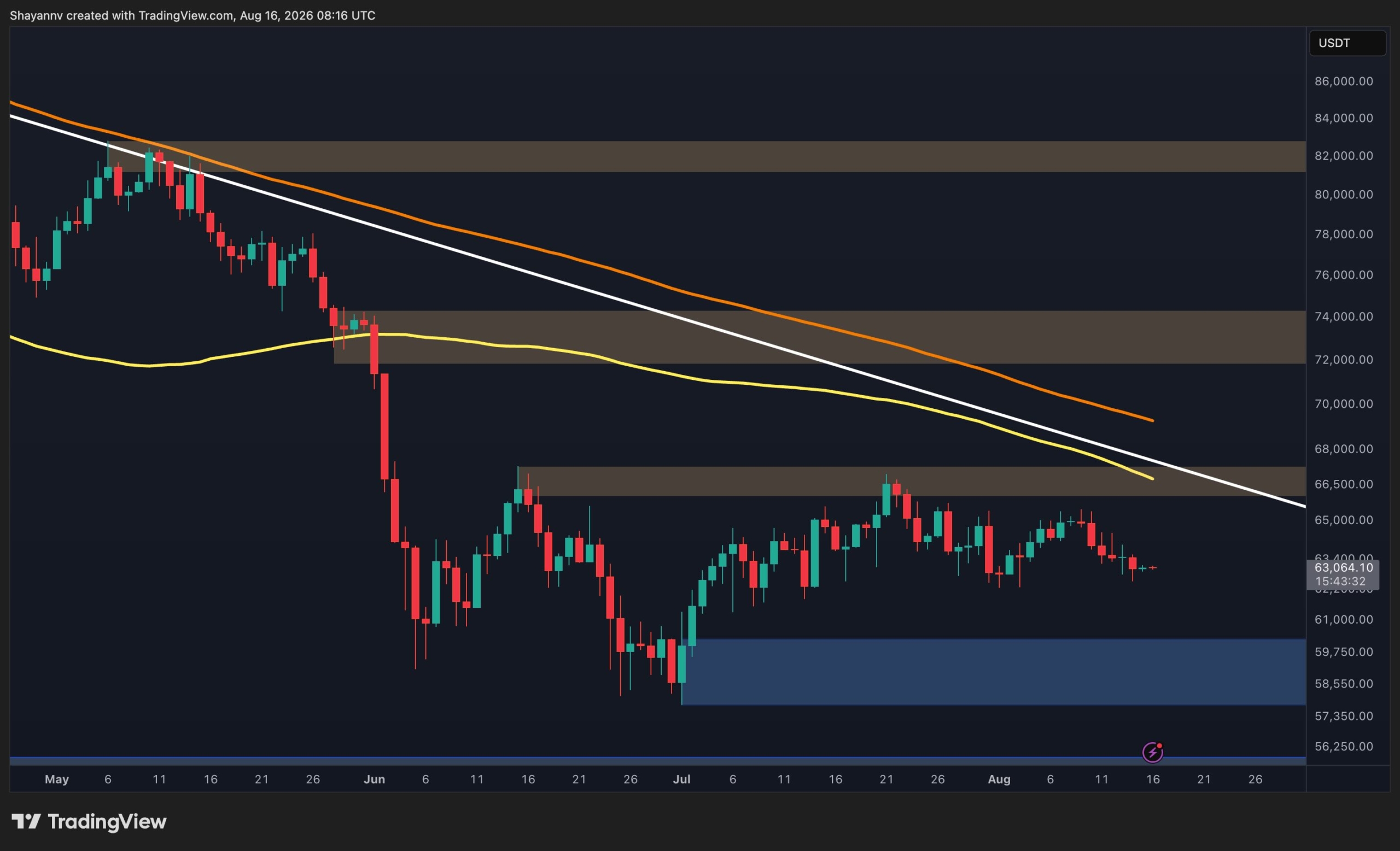
Bitcoin and broader digital asset markets have increasingly tracked macro rate expectations over the past year. Periods of anticipated easing have generally coincided with risk-on sentiment in crypto, while hawkish surprises have pressured prices.
If Middle East tensions escalate enough to disrupt energy supply chains materially, the Fed could find itself facing the worst of both worlds: rising inflation and slowing growth.
Disclosure: This article was edited by Editorial Team. For more information on how we create and review content, see our Editorial Policy.







 English (US) ·