

- DJI and other Chinese companies placed on FCC 'Covered List'
- Existing products should remain usable
- Full nature and severity of ban remains unclear
If you own a DJI drone, camera gimbal or other product in the US, you're probably feeling a little anxious right now – and understandably so. Today, December 23 2025, marks a critical deadline that's set to fundamentally affect your ability to buy new DJI products – but the situation is more nuanced than the alarming headlines might suggest.
Under the FY25 National Defense Authorization Act, Congress set December 23, 2025 as the deadline for a national security audit of DJI. That audit was not completed (and according to DJI, it never even started because no US agency was ever assigned to conduct it, despite the company all but begging for something to happen), and thus the company – along with all foreign drone companies – has now been added to the Federal Communications Commission's "Covered List." That's bureaucratic speak for a de facto ban on new DJI products entering the US market.
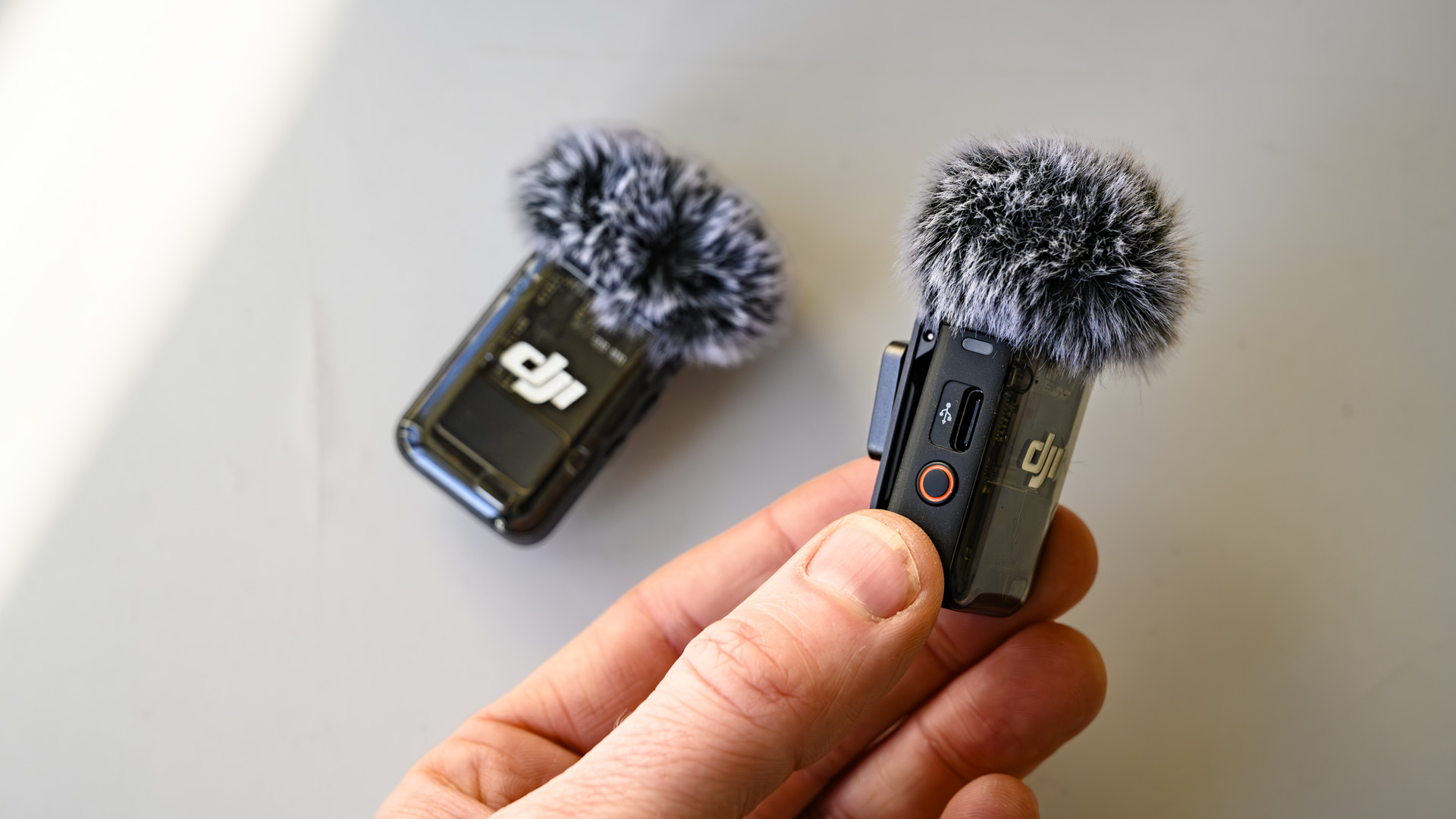
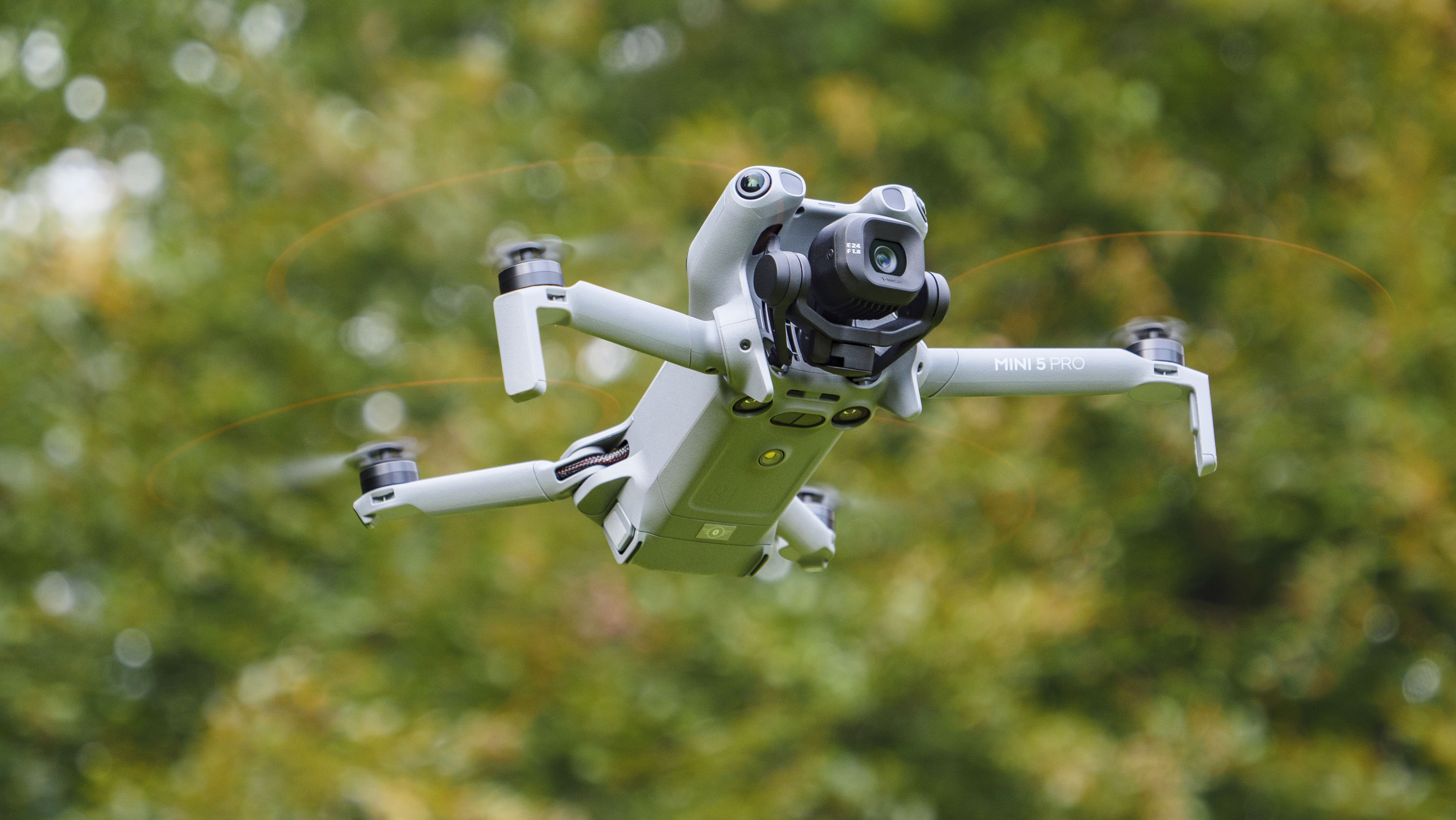
The good news for you as a US-based DJI user is that you'll still be able to use any drone or gimbal you already own. Your DJI Mic 2 won't suddenly stop recording, your DJI Mini 4K won't be grounded, and your DJI Osmo Mobile 6 won't become a paperweight. That's the most important thing to understand amid all the uncertainty.
What a ban would (and wouldn't) mean
The practical implications depend on how the ban gets implemented, and that's where things get complicated. In the best-case scenario – if there's no retroactive enforcement – DJI wouldn't be able to launch new products because they require FCC certification. However, products that have already certified and are in the retail pipeline could still be sold. That means you'd have a window to snag that DJI product you've been eyeing, though inventory would at some point – and perhaps quickly – dry up.
The worst-case scenario would see a retroactive ban, where the FCC revokes existing product certifications. In that situation, DJI products would be pulled from store shelves immediately, and no new stock could be imported. Again, this wouldn't affect products you already own – just the ability to buy new ones.
Early news reports on the ban suggest we're in a 'best-case-scenario' situation, with products already on sale and those in use unaffected. In fact, it appears that DJI and other drone companies can continue to export previously approved models to the US for sale.
Servicing gets trickier under either scenario. DJI's Head of Global Policy, Adam Welsh, explained in a recent interview with Faruk at iPhonedo (you can watch it on YouTube) that while repairs using imported parts should still be possible, warranty replacements could become problematic if DJI can't bring new units into the country. That's something to consider if you're planning a major purchase, as is the fact that existing devices could be prevented from receiving software updates, or have restrictions placed on their connectivity.
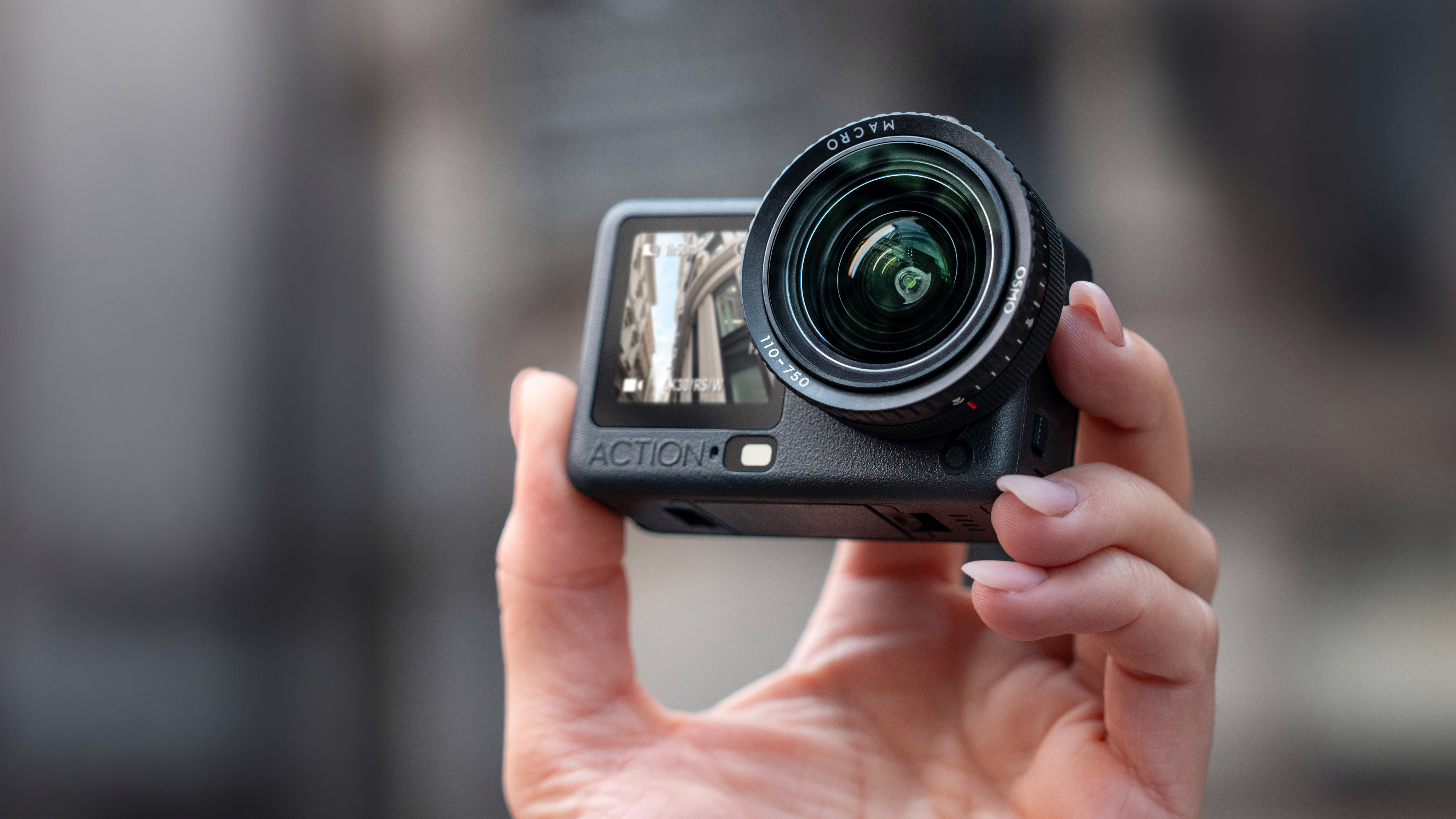
The ban appears to affect DJI's entire product lineup including drones, gimbals, microphones, action cameras and filmmaking equipment. For hobbyists and professionals who've built their creative workflows around DJI gear, that's a big concern.
Looking at the bigger picture
DJI maintains that this situation stems from geopolitical tensions and economic protectionism rather than any actual shady activities on its part. The company points to multiple security audits since 2017 which found no evidence of data concerns, and a recent court ruling that rejected most of the Department of Defense's allegations about DJI's ties to the Chinese government and military.
The company released the following statement today:
DJI is disappointed by the Federal Communications Commission’s action today to add foreign‑made drones to the Covered List. While DJI was not singled out, no information has been released regarding what information was used by the Executive Branch in reaching its determination.
As the industry leader, DJI has advocated for an open, competitive market that benefits all US consumers and commercial users, and will continue to do so. DJI products are among the safest and most secure on the market, supported by years of reviews conducted by U.S. government agencies and independent third parties. Concerns about DJI’s data security have not been grounded in evidence and instead reflect protectionism, contrary to the principles of an open market.
Today’s development will not affect customers who already own DJI products. These existing products can continue to be purchased and operated as usual. The FCC’s fact sheet also indicates that new products may, in the future, be cleared for launch based on determinations made by the Department of Defense and the Department of Homeland Security.
DJI remains committed to the U.S. market. We are deeply grateful to users across the country who spoke up to share how DJI technology supports their work and their communities. We will keep our community informed as more information becomes available.
The economic implications of a ban, particularly a retroactive 'worst-case-scenario' ban, are huge, with DJI's estimates suggesting that US$116bn in US economic activity and 460,000 jobs are connected to its products. Two-thirds of drone service providers say they'd have to close without access to DJI equipment, and domestic manufacturers aren't currently producing alternatives for most consumer and commercial applications.
For now, we're still in wait-and-see mode. At the time of writing the ban has been in effect for a matter of hours, and quite how it affects existing products is yet to become clear. What we can say with confidence is this: if you own DJI gear, you'll be able to keep using it, regardless of what has happened today.
Follow TechRadar on Google News and add us as a preferred source to get our expert news, reviews, and opinion in your feeds. Make sure to click the Follow button!
And of course you can also follow TechRadar on TikTok for news, reviews, unboxings in video form, and get regular updates from us on WhatsApp too.



 English (US) ·