
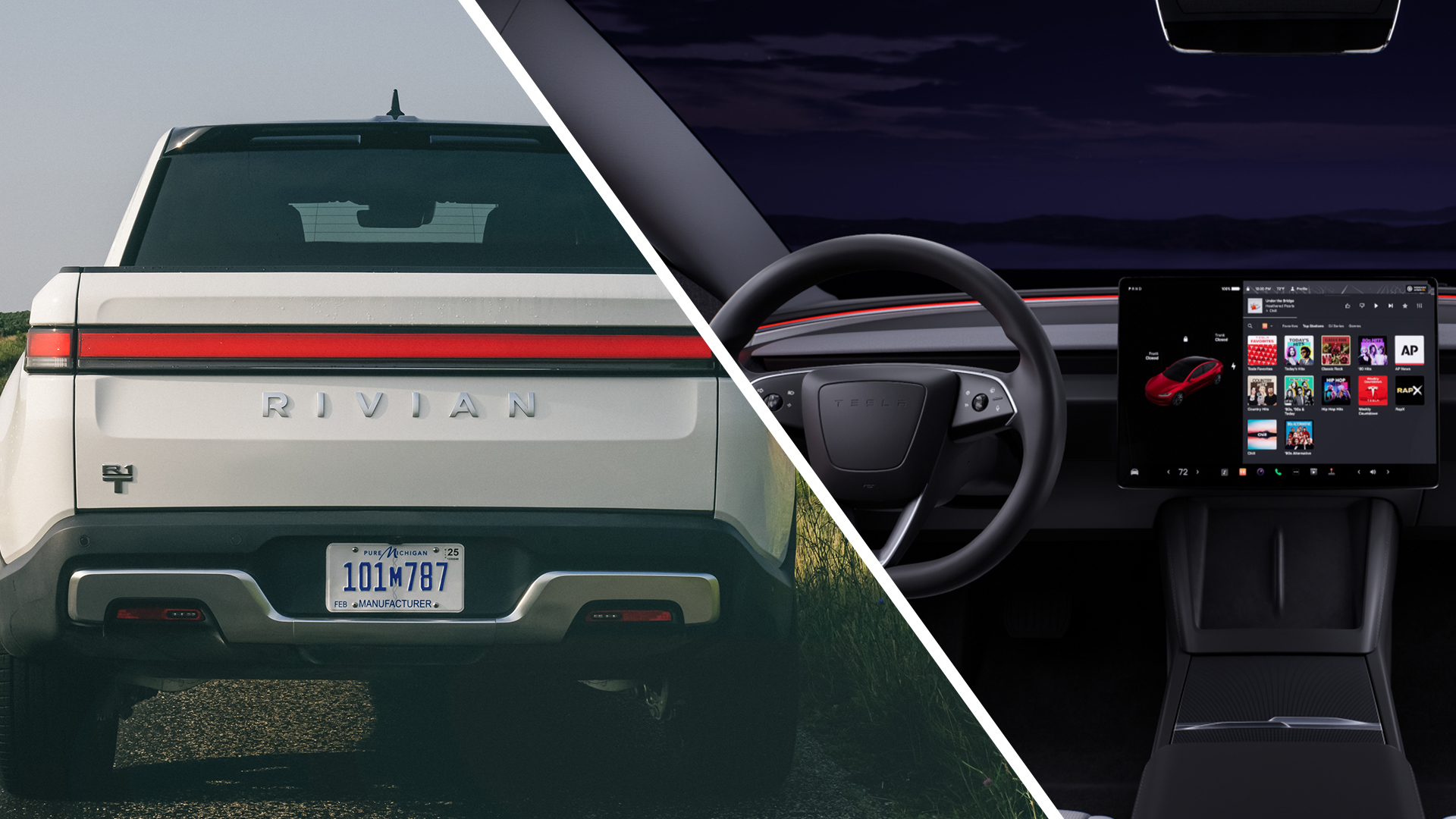
- The trend of ditching AM and FM radios might have to be reversed
- Supporters argue AM radio offers critical information during emergencies
- EV makers have said interference from motors can affect AM radio signal
Automakers in the US may have to reintroduce a 100-year-old technology into new vehicles, as the House of Representatives approved legislation this week that would require new cars, trucks, and SUVs to include AM radio at no additional charge to consumers, according to TechCrunch.
The AM Radio for Every Vehicle Act will now head to the Senate, but it could require the National Highway Traffic Safety Administration (NHTSA) to create new rules that would make AM radio standard in new vehicles.
While support for the Act has been relatively slow to gain traction, there has been a recent spike in interest from politicians of both parties, as well as the broadcast industry and emergency responder organizations.
The key argument is that AM radio provides critical information in the event of emergencies, when cellphone signals could be knocked out.
“Farmers use AM radio for weather forecasts, local information, and crop reports, while older Americans rely on it for local news and programming,” House Energy & Commerce Committee Chairman Brett Guthrie said on the House floor.
While this may be good news for AM radio fans, farmers, or those living in rural communities where cellphone signals can be an issue, a growing number of automakers may be forced to rethink their infotainment offerings.
Tesla famously began phasing out AM radio in 2020, claiming that interference from the electric motors ruined the listening experience.
It then removed built-in FM and AM radio in hardware in certain trim levels, relying instead on streaming and Bluetooth connectivity.
But since then, many more automakers have followed suit, with Volvo, BMW, Polestar, and Rivian all favoring streaming services for their software-defined vehicles.
Analysis: EVs could be hardest hit
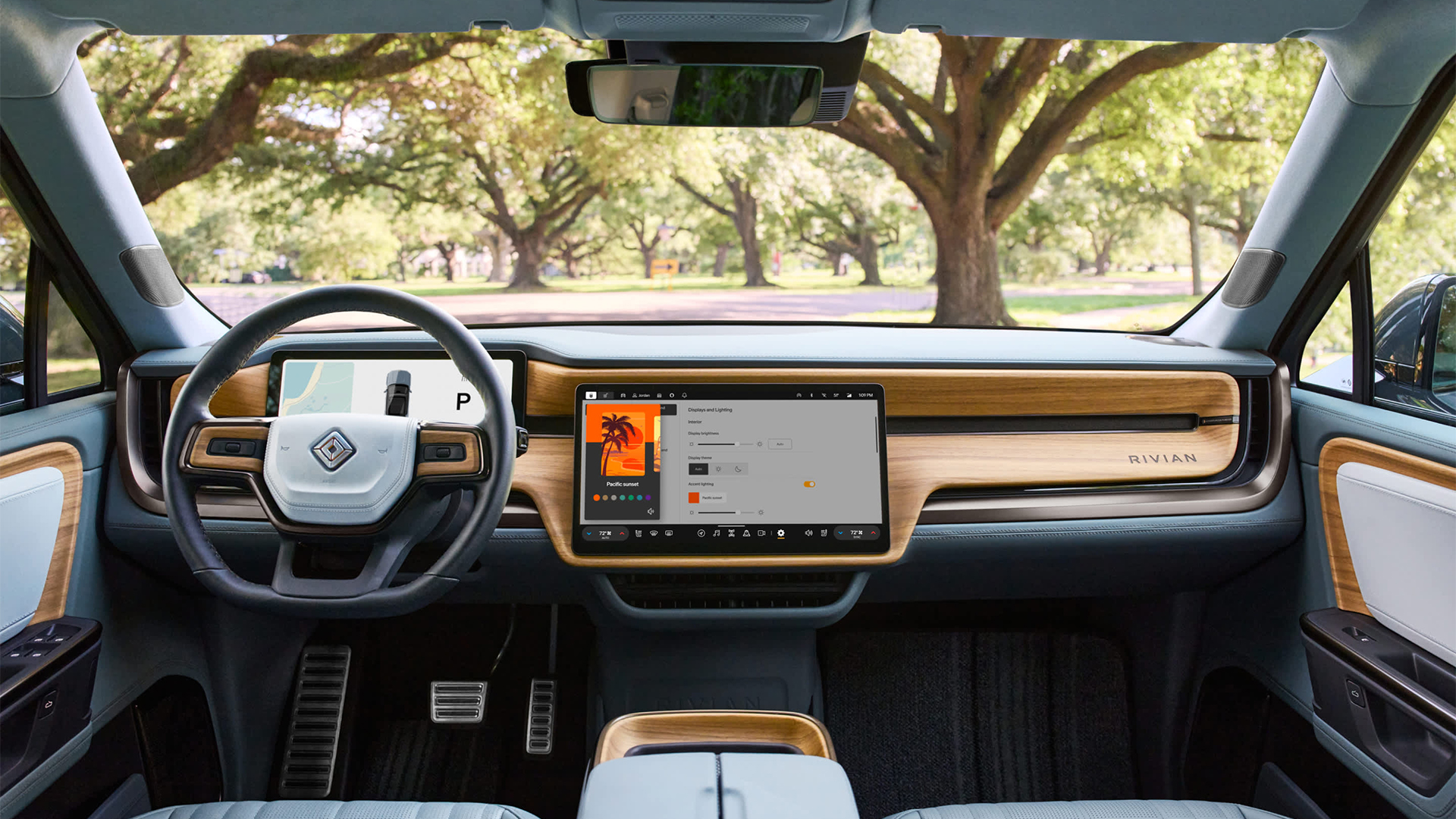
According to USA Today, the budget office said that the legislation could particularly impact manufacturers of electric vehicles, with analysis of EV sales data revealing that the legislation would require manufacturers to update radio equipment in about 2 to 2.5 million vehicles each year.
Those carmakers that still offer FM radio built-in likely won’t feel the financial pressure as much, yet the likes of Tesla and Rivian, both of which have removed AM and AM/FM receivers entirely in certain models, will likely have to rethink their strategies.
Senator Ted Cruz said the vote sent a clear message to car manufacturers that “AM radio is a lifeline that must be protected in new vehicles,” although all eyes will be on the Senate to see whether the Act passes into law.

Follow TechRadar on Google News and add us as a preferred source to get our expert news, reviews, and opinion in your feeds.






 English (US) ·