
 4 hours ago
6
4 hours ago
6
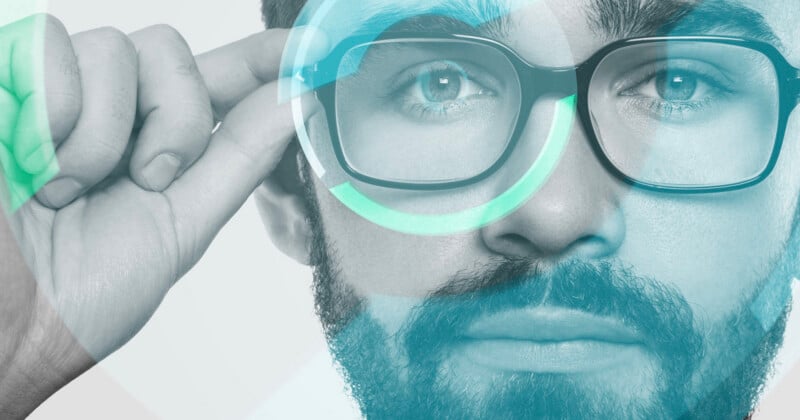
The U.S. Air Force has banned personnel from wearing smart glasses that have “photo, video, or artificial intelligence capabilities” while in uniform.
The new dress regulation memo was circulated to airmen on January 9. As spotted by DIY Photography, the Military Times reports that the ban is over operational security concerns at military installations.
“Constant audio and video capture are a core feature of AI-enabled glasses. Even when a user believes recording is inactive, the presence of always-on sensors creates the possibility of inadvertent data collection,” writes Dana Thayer, 104th Fighter Wing information chief.
Thayer notes that while the smart glasses provide “amazing convenience”, they also pose serious security concerns. “Meta AI glasses rely heavily on cloud processing. Data captured by the device is transmitted to external servers for analysis, storage, or improvement of AI models,” he notes.
“We already ban most personal electronic devices from secure areas, however, as technology progresses, so should our security policies. Colonel Michael Glass, 104th Fighter Wing Commander, has directed the ban on AI glasses to be extended to include our civilian force as well as military members not in uniform.”
Privacy Concerns
Meta’s smart glasses have been a success story from Mark Zuckerberg’s much-maligned Reality Labs division, which also gave the world the metaverse. While the glasses made in collaboration with brands including Ray-Ban and Oakley have been a hit, the clandestine way that users can record pictures is of concern.
A recent Mashable article detailed some of the disrespectful ways that people (dubbed glassholes) are using the wearable tech — often for social media clout.
One woman named Oonagh from the U.K. tells the BBC she was filmed by a man without her knowledge and consent. The interaction of the man asking for her phone number was published to TikTok where it received at least one million views. Oonagh was sent the video and says she became panicked as she read the comments — many of which were abusive.
“I know it’s legal. I don’t care,” content creator Brad Podray tells Mashable. “That’s not the discussion. I think it’s weird and creepy, and it shows a very predatory mindset.”
Image credits: Header photo licensed via Depositphotos.







 English (US) ·