
 1 month ago
29
1 month ago
29
There’s a certain kind of silence that only exists in the wild—the kind that hits harder than noise. It’s in that stillness where Casey Cooper does his best work. Born and raised in Kalamazoo, Michigan, Casey spent his early years chasing rivers and open skies before realizing the world was way bigger than any map he’d ever seen. By 22, he hit the road—and never really looked back.

Today, Casey wears a lot of hats: boat captain, pilot, fly-fishing guide, and full-time freelance photographer. Between intense Alaskan summer fly-fishing seasons, he’s out there checking off bucket-list destinations like a man possessed—Galápagos, Maasai Mara, Yellowstone, Mindo Valley, Wyoming, Honolulu, and everywhere in between. But this isn’t about flexing locations. It’s about moments. Raw, unscripted, blink-and-you-miss-it moments that most people will never see in person.
Casey’s photography lives at the intersection of adventure and wildlife, where patience matters more than gear and respect for animals always comes first. His compositions feel intentional but never forced. Colors stay honest. Framing feels instinctive. Nothing screams for attention, yet every frame pulls you in. Whether it’s an Alaskan bear mid-stride, a leopard melting into Kenyan shadows, or an underwater encounter that feels almost spiritual, these images don’t just document wildlife—they honor it.
Unseen Wild isn’t about perfection. It’s about presence. About slowing down long enough to notice the quiet power of nature and the fragile balance holding it all together. These 30 photographs are proof that Mother Earth still has secrets—and Casey Cooper knows how to listen.
You can find Casey Cooper on the web:
#1

#2

#3

#4

#5

Alaska Bears and the Art of Controlled Chaos
Alaska doesn’t hand out easy photos—it demands respect. Casey’s bear images come from long days, cold mornings, and an understanding that you’re always a guest in their world. These massive animals move with a mix of brute force and surprising grace, and Casey’s framing leans into that tension. Wide compositions show scale. Tight crops highlight texture—fur soaked from river crossings, eyes locked on salmon-filled currents.
What makes these images hit is restraint. No drama for drama’s sake. Just honest encounters that reflect the wild as it actually is—messy, unpredictable, and breathtaking.
#6

#7

#8

#9

#10

Big Cats of Kenya: Leopards and Lions in Motion
In Kenya’s Maasai Mara, patience pays off. Casey’s leopard and lion photographs thrive on timing rather than luck. He waits for clean lines, balanced light, and moments where predator and landscape sync up perfectly. Golden grasses frame silhouettes. Dust hangs in the air like punctuation.
The result? Images that feel cinematic but grounded—never staged, never intrusive. These photos remind us that conservation isn’t optional. These animals aren’t symbols; they’re living beings holding their ground in a rapidly shrinking world.
#11

#12

#13

#14

#15
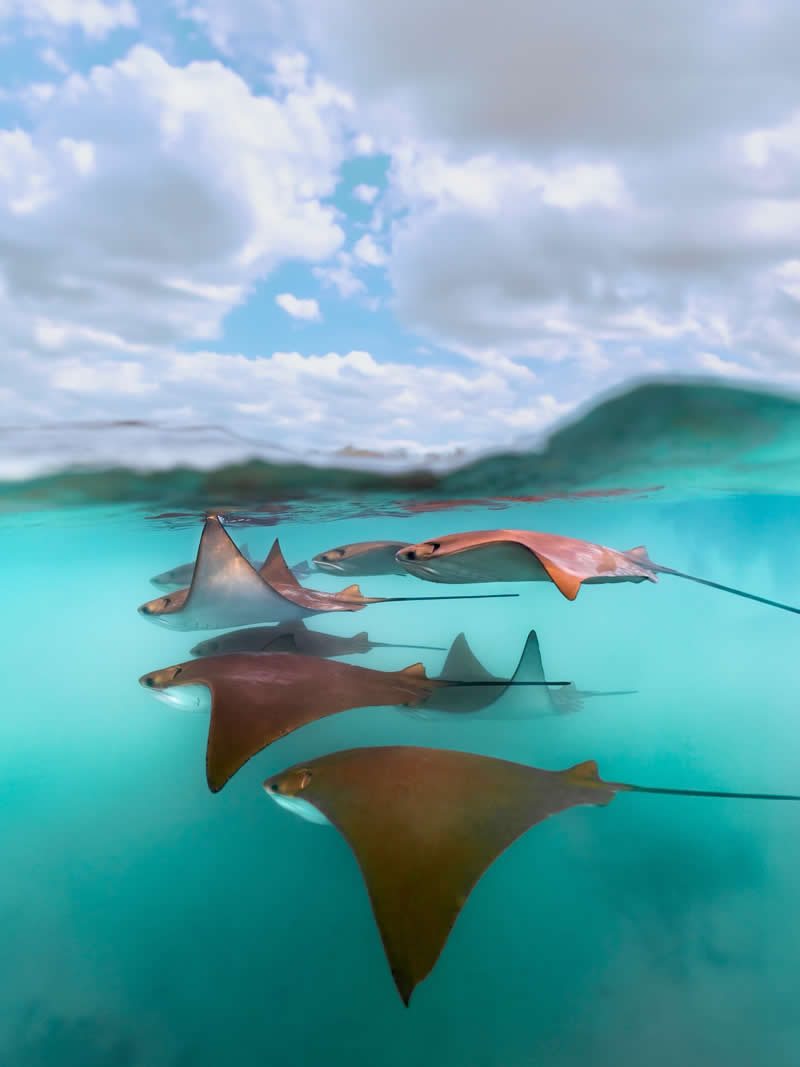
Underwater Worlds: Galápagos and Honolulu Beneath the Surface
Underwater photography strips away control. In the Galápagos Islands and Honolulu, Casey trades solid ground for currents and chaos. Here, composition becomes instinct. Light bends. Colors shift. Animals glide past on their own terms.
These images feel intimate without crossing boundaries. Sharks, sea lions, and reef life appear curious—not threatened. Casey’s underwater work highlights coexistence, proving that respect travels just as well below the surface as it does on land.
#16

#17

#18

#19

#20

Quiet Icons: Elephants, Moose, and Foxes of the Americas
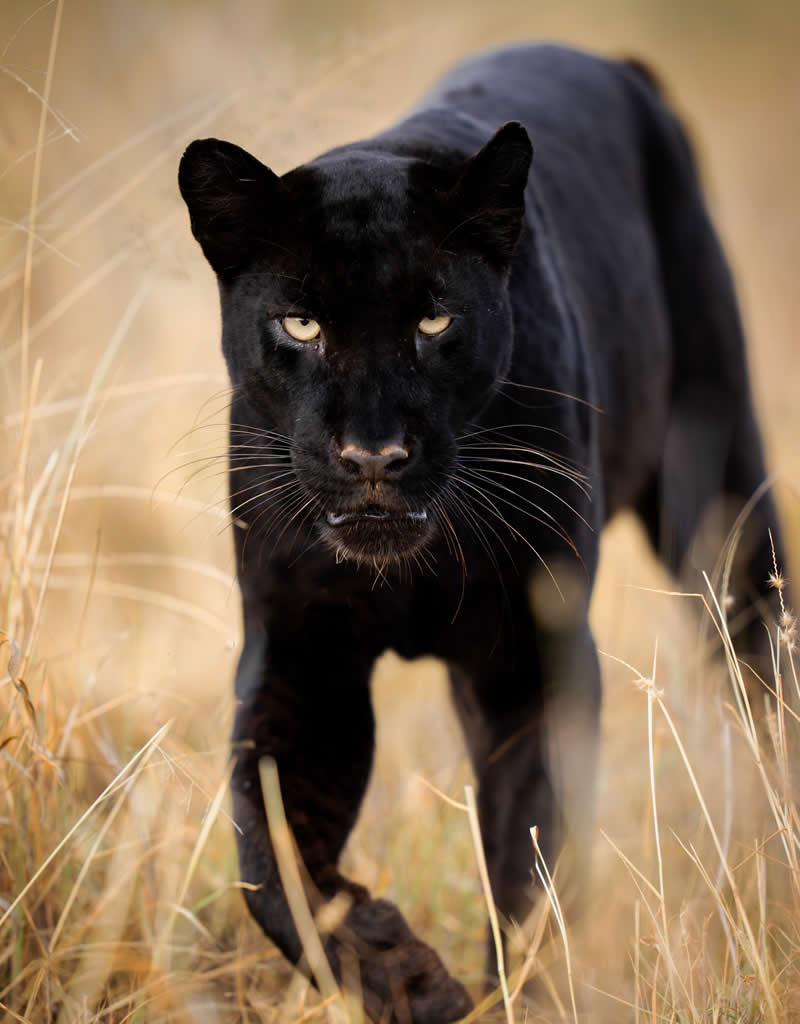
Some wildlife doesn’t roar—it lingers. Casey’s elephants from Maasai Mara, moose from Wyoming, and foxes from Yellowstone thrive on stillness. These frames are about space, posture, and mood. A fox pausing mid-hunt. A moose standing like a monument against open sky. Elephants moving as one, slow and deliberate.
The compositions breathe. Negative space matters. Color palettes stay muted and honest, letting emotion do the heavy lifting.
#21

#22

#23
#24

#25

Birds of Mindo Valley and the Poetry of Color
Mindo Valley, Ecuador, is a visual overload—in the best way possible. Birds explode with color, motion, and personality. Casey leans into contrast and framing here, isolating subjects while letting vibrant backgrounds tell their own story.
These photographs feel joyful but intentional, capturing fleeting gestures that disappear in seconds. They’re a reminder that wildlife photography isn’t always about scale—it’s about sensitivity.
#26

#27

#28

#29

#30

In Summary
Who is Casey Cooper?
Casey Cooper is an American wildlife and adventure photographer, boat captain, pilot, and fly-fishing guide known for raw, respectful nature imagery.
What type of photography does Casey Cooper specialize in?
He specializes in wildlife and adventure photography, focusing on authentic moments, strong composition, and ethical animal interaction.
Where were these photos taken?
The images span Alaska, Kenya, Galápagos Islands, Yellowstone, Wyoming, Ecuador’s Mindo Valley, Honolulu, and other global wildlife hotspots.
What makes Casey Cooper’s photography unique?
His work blends patience, storytelling, natural colors, and deep respect for wildlife, avoiding staged or disruptive techniques.
Is wildlife conservation important in his work?
Absolutely. Conservation and respect for animals and Mother Earth are central to Casey Cooper’s photographic philosophy.








 English (US) ·