
 3 weeks ago
34
3 weeks ago
34
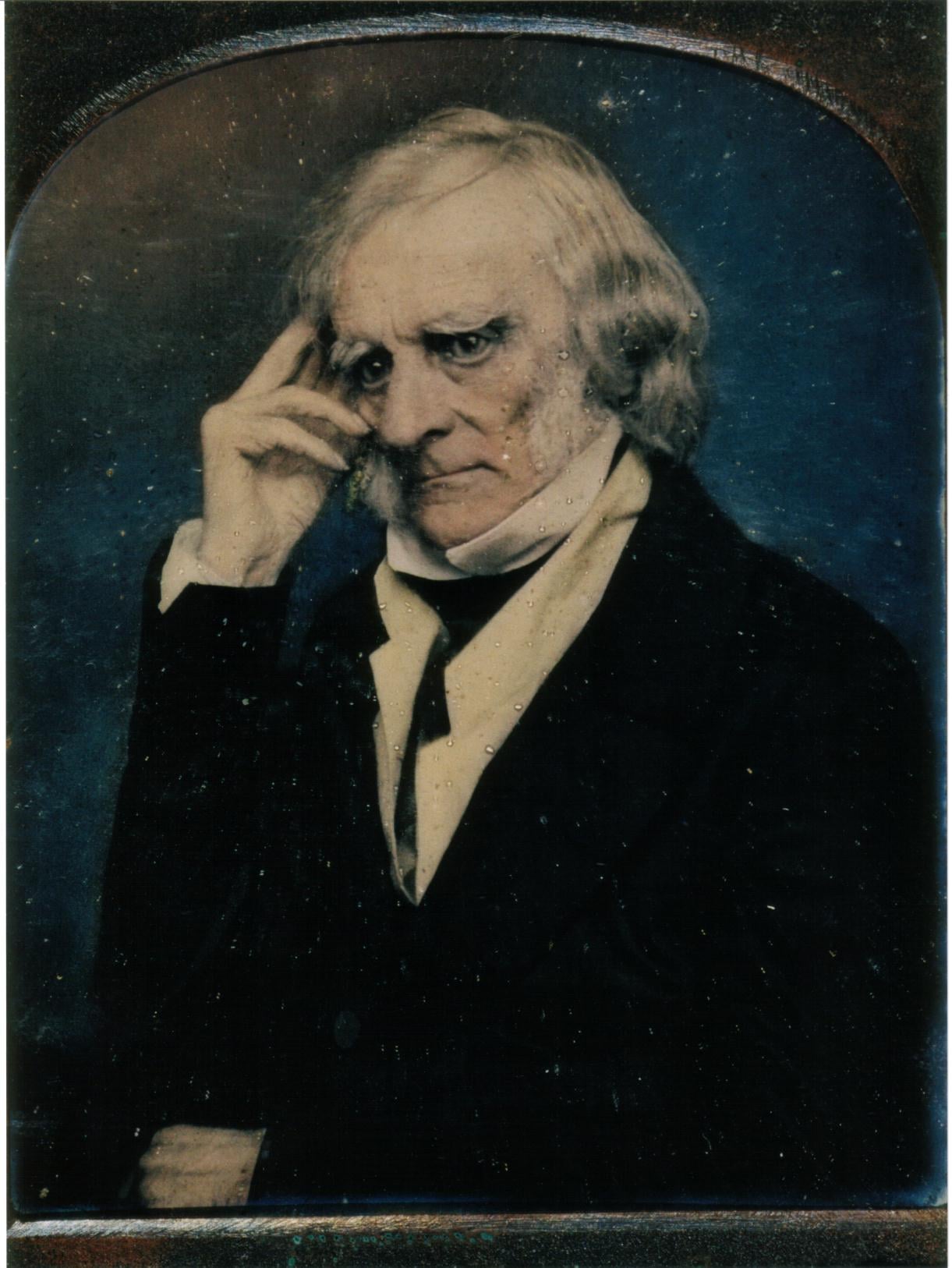 Photographer William Constable. | Jennifer Smith
A photographer believed to have taken the very first portrait of the British Royal Family has been honored with a blue plaque in the English city of Brighton.
The work carried out by William Constable at his studio on 57 Marine Parade, Brighton, has been rediscovered thanks to the efforts of the University of Brighton and the Smithsonian Institution.
The plaque was unveiled today (May 29) at a ceremony, as curious visitors gathered along the Brighton seafront to pay homage to one of the Victorian era’s greatest marvels: photography.
The U.K.’s famous blue plaques connect notable figures from the past with buildings that still stand today. The scheme, now run by the charity English Heritage, began in 1866 and is believed to be the oldest program of its kind in the world. The permanent blue circular plaques are installed on buildings associated with important historical figures across the U.K.
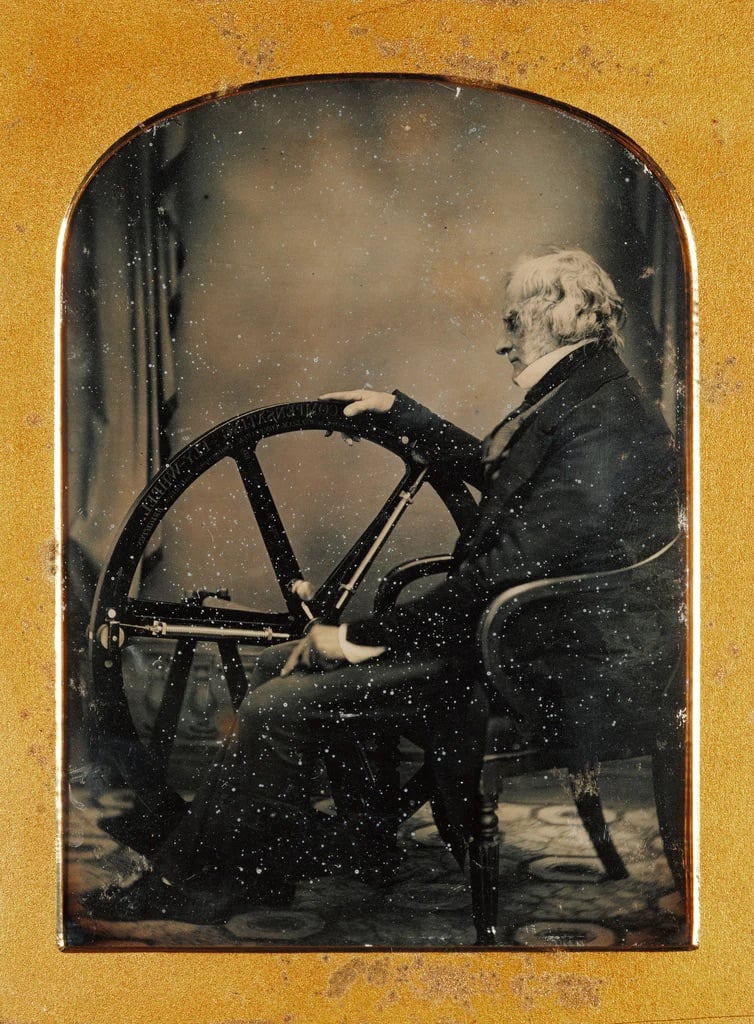 William Constable: Self-Portrait
Just two years after Louis Daguerre announced his Daguerreotype process to the world, William Constable opened his studio in 1841 at a time when the idea of permanently fixing an image was astonishing to the general public.
Constable called it The Photographic Institution, and the cutting-edge technology attracted society’s upper crust, including Prince Albert, husband of Queen Victoria. His photo of Prince Albert is thought to be the first ever royal photographic portrait. Victoria was famously a patron of the medium.
Constable’s portraits are held at the Smithsonian’s National Museum of American History in Washington, D.C., and with the help of Annebella Pollen, Professor of Visual and Material Culture at the University of Brighton, the team pieced together a rare glimpse into the earliest years of photography.
“William Constable played an unparalleled role in Brighton’s early photographic history, but much of his story has remained untold and many of his photographs have not been seen for nearly two centuries,” Professor Pollen says.
“Working with the Smithsonian’s remarkable collection of surviving daguerreotypes has offered a unique opportunity to better understand both Constable’s work and the beginnings of photography.”
The joint project led to the discovery of 130 photographs taken by Constable between 1841 and 1861. Almost two centuries later, researchers are now piecing together the story of Constable’s life, studio, and photographs through the William Constable: Brighton Daguerreotypes Project.
In May, another Victorian photographer, Julia Margaret Cameron, was honored with a blue plaque in London.




 English (US) ·