
 4 days ago
13
4 days ago
13
The United Arab Emirates has suspended all trade, commercial exchanges, and financial transactions with Iran “until further notice,” a dramatic reversal that came just weeks after the two nations appeared to be rebuilding economic ties. The UAE Ministry of Foreign Affairs announced the decision on August 18-19, following what officials described as Iranian ballistic missile launches targeting UAE territory.
To put the scale of this rupture in perspective: bilateral trade between Dubai and Tehran has historically reached over $20 billion in imports from the UAE alone in a single fiscal year. That pipeline is now shut off.
From diplomatic thaw to missile fire
As recently as June 2026, the UAE had been contemplating the release of roughly $10 billion in frozen Iranian funds as part of a broader effort to ease tensions and re-establish commercial ties. That overture was part of delicate negotiations situated within the wider context of US-Iran friction and the ongoing US-Israel conflict.
Then Iran launched at least two ballistic missiles at UAE territory, and the conversation changed entirely.
Dubai has long served as a critical commercial hub for Iranian trade, functioning as a pressure valve that allowed goods and capital to flow even during periods of heavy international sanctions.
Oil markets feel the heat
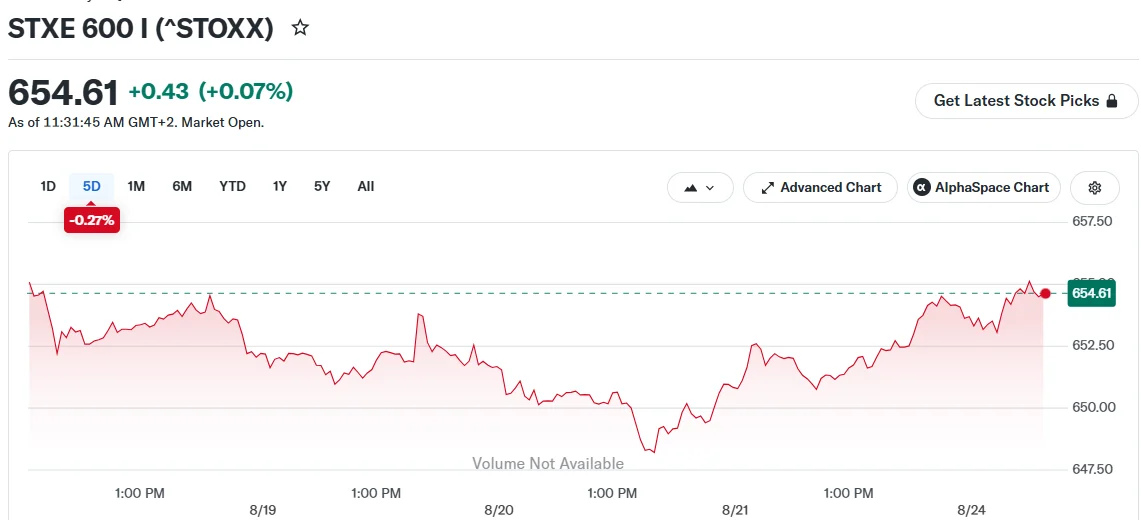
Energy markets reacted swiftly. Brent crude was trading near $91 per barrel following the missile incident, reflecting the kind of risk premium that Gulf escalations reliably produce.
For Iran specifically, losing access to UAE-based financial channels compounds the pain of existing US sanctions. Dubai’s banking and trade infrastructure has historically provided Iranian businesses with a workaround, however imperfect, for conducting international commerce.
A region recalibrating
The timing also complicates any revival of broader Iran nuclear negotiations. The June discussions about unfreezing Iranian funds had been interpreted by some observers as a potential on-ramp to wider diplomatic engagement.
Disclosure: This article was edited by Editorial Team. For more information on how we create and review content, see our Editorial Policy.






 English (US) ·