
 4 hours ago
9
4 hours ago
9
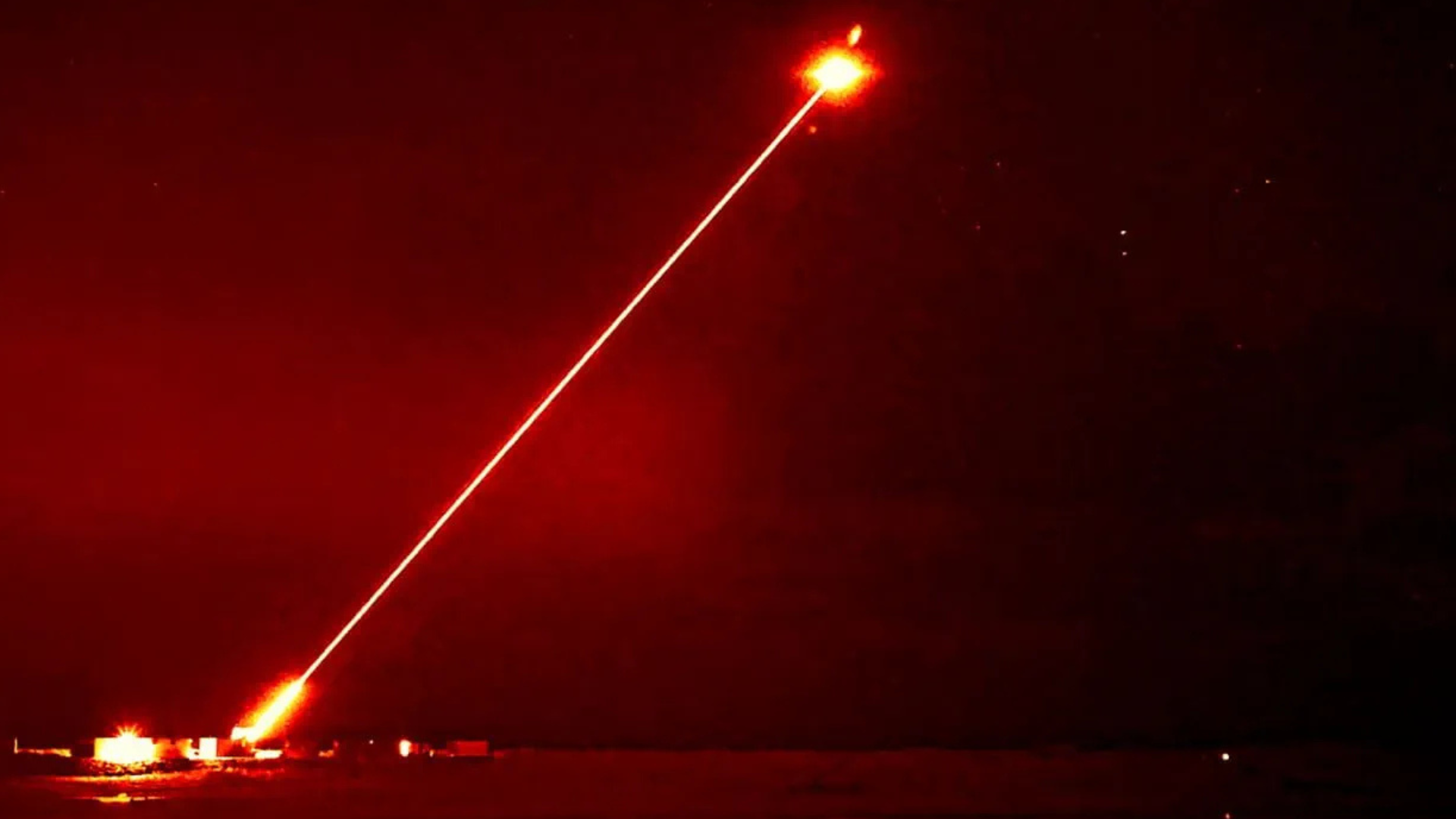
The UK Ministry of Defence has confirmed that the DragonFire high-energy laser weapon will be installed on Royal Navy Type 45 destroyers by 2027, five years ahead of the original schedule.
Defence Minister Lord Coaker confirmed the accelerated timeline following a £316 million ($414 million) contract awarded to MBDA UK in November for the first two production systems. The deployment of DragonFire will make the UK the first European NATO member to field an operational shipborne laser weapon.
Article continues below
The MoD has claimed that each shot costs approximately £10 in energy consumption. In contrast, Aster interceptor missiles fired from the Type 45's existing Sea Viper system cost hundreds of thousands of pounds per round, making the laser a far cheaper option against low-cost drone threats. Because the system runs on electrical power rather than stored munitions, engagement capacity is limited by onboard power generation and cooling.
Meanwhile, the £316 million contract covers two DragonFire units, with the first scheduled for installation on a Type 45 destroyer in 2027. Government planning documents reference a broader goal to equip up to four ships by 2027, but any follow-on procurement will depend on performance during early deployment. The UK's Strategic Defence Review backed directed-energy weapon work with nearly £1 billion in additional investment this Parliament.

Follow Tom's Hardware on Google News, or add us as a preferred source, to get our latest news, analysis, & reviews in your feeds.








 English (US) ·