
 3 weeks ago
17
3 weeks ago
17
## Market Snapshot
The market for “Will the Iranian regime fall by May 31?” is currently priced at 2% YES, down from 3% 24 hours ago. The “Strait of Hormuz traffic returns to normal by end of April?” market remains unresolved with no current pricing.
## Key Takeaways
– The lifting of UAE airspace restrictions suggests a localized de-escalation, which appears consistent with a decrease in immediate threats to the Iranian regime. – Resumed normal air traffic in the UAE indicates potential stabilization, supportive of YES outcomes for Strait of Hormuz traffic normalization. – Broader regional tensions, including ongoing military actions, suggest persistent uncertainty in the Gulf region’s stability.
## Article Body
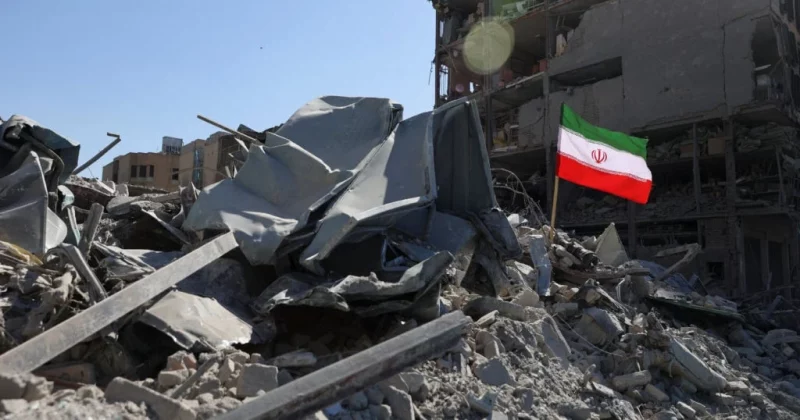
The United Arab Emirates has announced a return to normal air traffic operations following the lifting of precautionary measures initially imposed in response to missile and drone threats from Iran. These measures were part of a broader regional response to escalating military actions between the US-Israel coalition and Iran, which began in February 2026. The temporary closure of airspace had significantly disrupted the Europe-Asia air corridor, affecting several countries in the region. The UAE’s decision to resume regular air operations indicates a localized reduction in immediate threats, though overall regional tensions remain high due to ongoing military engagements.
## Market Interpretation
The market pricing for the potential fall of the Iranian regime by May 31 indicates a slight decrease in perceived risk, consistent with the UAE’s actions suggesting localized de-escalation. This development is categorized as having a moderate impact on the market. Conversely, the restoration of normal air traffic by the UAE may be seen as supportive of the YES outcome for the Strait of Hormuz traffic normalization scenario, indicating improved regional stability, albeit with ongoing concerns.
## What to Watch
Observers should monitor further responses from regional actors such as Iran and the US, as well as any escalations or de-escalations in military activity. The impact of these developments on the stability of the Strait of Hormuz will be critical, with potential implications for global oil markets. Key indicators include changes in air and maritime traffic patterns, insurance coverage adjustments, and official statements from involved nations. The persistence of broader geopolitical tensions will also influence future market movements.
Get prediction market intelligence as a structured API feed. Early access waitlist.
Will The Iranian Regime Fall April 30
| April 30 | 0.1% | — | — | View market → |
Will The Iranian Regime Fall May 31
| May 31 | 2.5% | — | — | View market → |





 English (US) ·