
 3 weeks ago
12
3 weeks ago
12
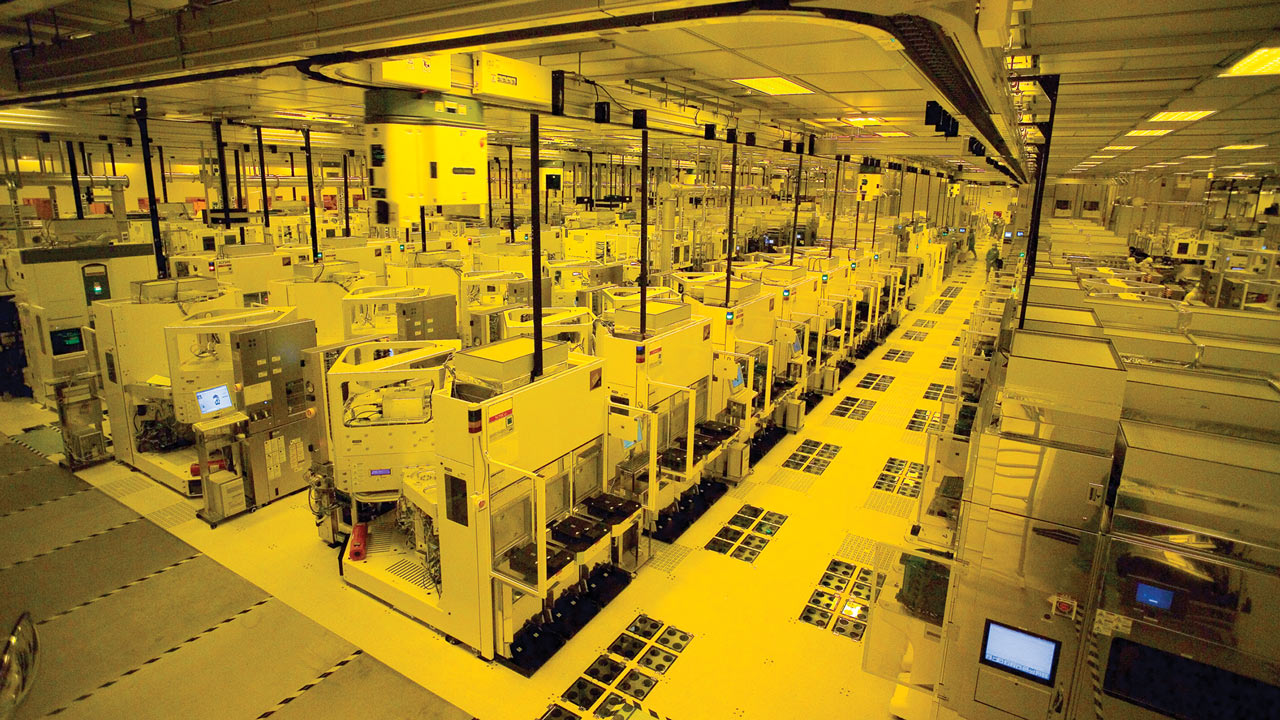
A group of U.S. lawmakers this week sent a letter to the U.S. State and Commerce Departments calling to reinforce restrictions on wafer fab equipment (WFE) exported to China. The group calls to restrict the sale of virtually all chipmaking tools to China. With the exception of those that can be manufactured domestically in the People's Republic of China (PRC). In addition, the group demands the U.S. to work with allied nations and ensure that they implement similar export policies, thus banning sales of all advanced chipmaking tools to the PRC.
Tom's Hardware Premium: Chipmaking
The lawmakers argue that existing controls remain incomplete as certain foreign-produced 'chokepoint tools' (i.e., advanced lithography systems by ASML and sophisticated etching and deposition tools by Tokyo Electron) are restricted only when destined for specific Chinese entities rather than being subject to broad country-level limitations.
They note that once equipment enters China, enforcement becomes difficult because verification visits require approval from Chinese authorities, which can take weeks or months to arrange, and are conducted under supervision. As a result, Chinese companies like SMIC can continue develop their process technologies using advanced manufacturing tools, whereas various entities funded by Huawei or even the federal government can reverse engineer these machines to build similar systems locally.
Reverse engineering of existing tools and subcomponents is another point of concern raised by the lawmakers. Despite the efforts of the U.S. government, Chinese companies retain access to the subcomponents of chipmaking equipment, which not only enables them to fix existing tools, but also reverse engineer these parts. Without tighter export controls on spare parts, China could eventually replace foreign equipment with locally developed alternatives, lawmakers believe.
"We urge the Administration to press allies to implement countrywide controls on key chokepoint semiconductor manufacturing equipment and subcomponents: that is, all equipment and subcomponents that China cannot produce indigenously," the letter reads. "This engagement should include clear and reasonable deadlines, after which the United States should be prepared to act to close remaining gaps itself if necessary, including by prohibiting the use of U.S.-origin components in the production of chokepoint tools destined to China."
The letter also mentions servicing of WFE as a potential area for even tighter regulation as now these rules adhere to export control rules, which means that certain restricted advanced systems can still be serviced as long as they are installed at an approved buyer. As these systems require ongoing maintenance and technical support to remain operational, limiting servicing could be a way to reduce practical lifespan of already installed equipment.
"The window to secure America's semiconductor advantage is narrowing," the letter concludes. "We request a briefing within the next month on the Administration's strategy for securing allied cooperation on countrywide controls on chokepoint semiconductor manufacturing equipment and components and the timeline for achieving this goal. We stand ready to work with you on a bipartisan basis to ensure our export control regime and the alliances that support it are equal to this challenge."

Follow Tom's Hardware on Google News, or add us as a preferred source, to get our latest news, analysis, & reviews in your feeds.







 English (US) ·