
 3 weeks ago
29
3 weeks ago
29
Following the announcement of impending chip import tariffs in January, the Trump Administration is now planning to offer major U.S. tech companies like Google, Microsoft, and Amazon the ability to circumvent them. However, the number of TSMC-made chips exempt from the tariffs may be directly tied to the Taiwanese chipmaker's scale of investment in American operations.
This follows recent trade negotiations between the U.S. and Taiwan, where the Trump Administration agreed to cut tariffs on imports from the island to 15 percent from 20 percent, but that was contingent on Taiwanese companies investing $250 billion in the American chip industry, specifically chip fabrication on U.S. shores.
“We’re going to be monitoring what unfolds after this is unveiled like hawks to make sure that the integrity of what we’re trying to accomplish with the tariffs and the rebates isn’t undermined and that this doesn’t end up being a giveaway to TSMC,” an official told the Financial Times.
Bringing it home
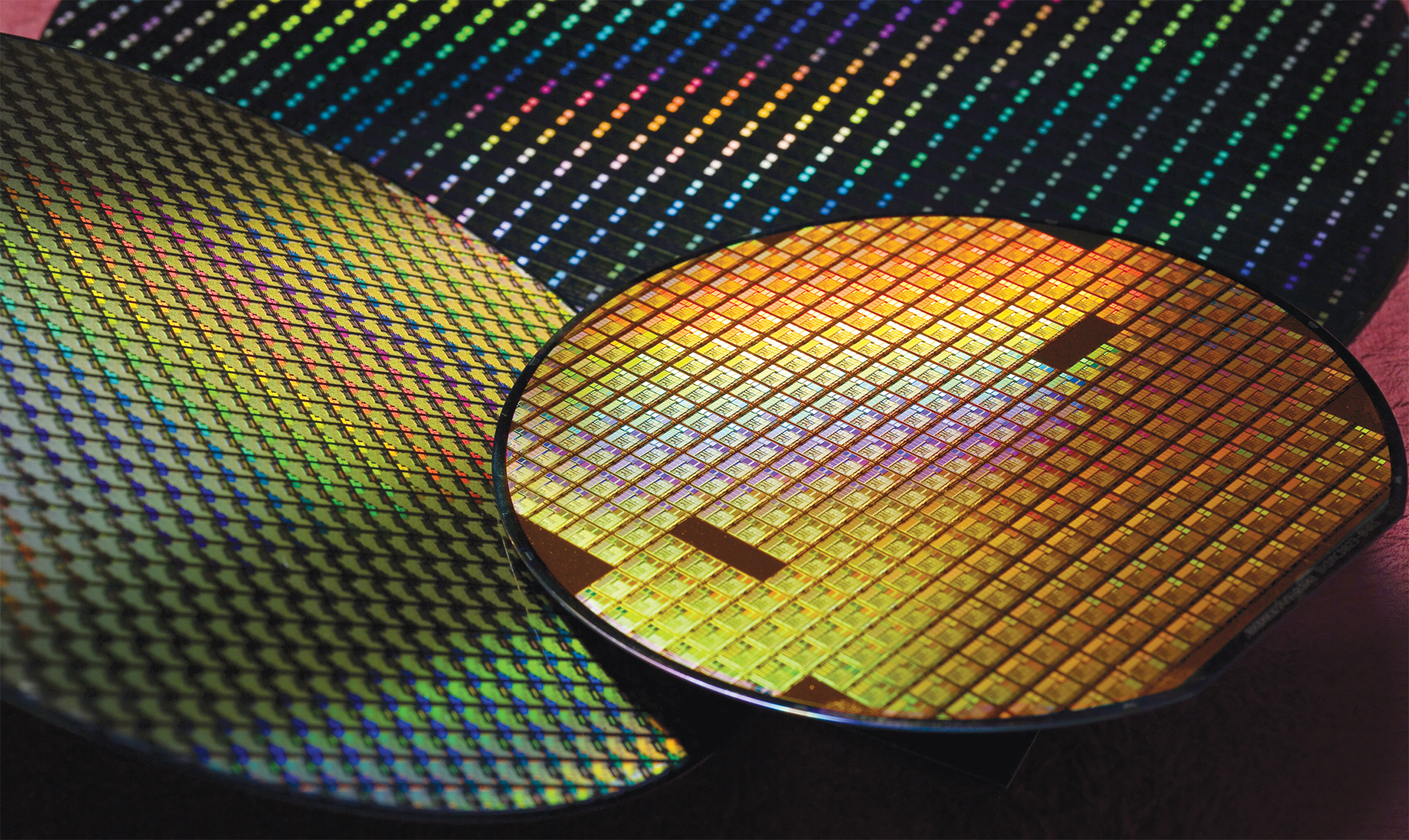
Amidst the seemingly chaotic international policies and trade negotiation tactics of the Trump administration, one thread has run through it all with some consistency: It wants cutting-edge chip manufacturing to be located on American soil. Although President Trump has acted as a vanguard for this kind of approach to silicon supply chains and immediate, localized access to fabrication, the reshoring of chipmaking efforts isn't singularly tied to American interests. We've seen China develop competitive AI accelerators, and the EU heavily investing in its own initiatives.
In the wake of the enormous AI infrastructure boom in mid-2025, many countries around the world have focused on building up their own national infrastructure and access to semiconductors, both leading-edge and older, more specialized chips. As it's become clearer that the future of many economies and national security itself relies on a ready supply of fast, efficient silicon, bringing the manufacture of that hardware in-house has a long list of advantages.
In America, this has led to aggressive trade talks with China, as both countries flexed their respective muscle - for the U.S., high-end GPU exports. For China, raw materials like rare earth minerals. This is all in an effort to secure the firmest of footing in this new race for AI and semiconductor dominance. Although in 2026 trade has opened up a little with export licenses and profit-sharing initiatives, the real fallout is China massively boosting its development of inference GPUs and ASICs, and the U.S. looking to increase stockpiles of critical rare earth minerals.
It's also led to the Trump Administration looking to accelerate its own domestic chip industry. With so much of the world's expertise and chip fabrication facilities located in Taiwan, a major focus of the White House's aims has been to encourage TSMC and its contemporaries to build in America.
Along with other companies, TSMC is now doing that and on a grand scale. But the specific size of the investment, and these latest tariff carve-out carrots, are nebulously complex.
Cautious, massive expansion
In the recent Taiwan-U.S. trade deal, America agreed to cut import tariffs from Taiwan to 15% in exchange for Taiwanese companies investing $250 billion in the American chip industry. Specifically, it will allow them to import 2.5 times the new facilities' planned capacity tariff-free, during the construction period. Companies that have already built capacity in America will receive 1.5 times those facilities' capacity in tariff exemptions.
The idea is that TSMC and other Taiwanese firms that invest in the U.S. will allocate their tariff-exempt chips to hyperscaler AI companies like Google, Microsoft, Amazon, and Meta. But since the math on the investment scale and how that relates to chip allocations is so hazy, there are still many details to be worked out. Much of it depends on what kind of fabrication capacity TSMC can project it will reach within the next two years.
To date, TSMC has pledged to invest $165 billion in building chip fabrication capacity in America. It is reportedly quite nervous about further expansion, considering the fears of an AI bubble, and the U.S. government's own investment in TSMC competition, like Intel. If demand for chip fabrication falls dramatically in a year or two because of a change in the winds of global development, TSMC could be left with unneeded production capacity that isn't even online yet, in a similar fashion to memory suppliers a few years ago following the pandemic boom.
TSMC and other Taiwanese chip firms are now towing a similar line to major U.S. companies and international governments on working with the current White House team. Engaging with complex trade practices is an important component of maintaining strong financial and trade opportunities in the near term. But the weaker long-term strategic thinking of the Trump administration risks dragging down any firms that rely too heavily on its coercive suggestions on longer-term planning.
Although major U.S. investment is coming, TSMC may need to tread carefully to avoid falling afoul of the risks on either side of the equation.







 English (US) ·