
 5 hours ago
9
5 hours ago
9

Published Aug 5, 2026, 6:26 AM EDT
Twin Engine and Bandai's partnership signals that changes are coming to the anime industry
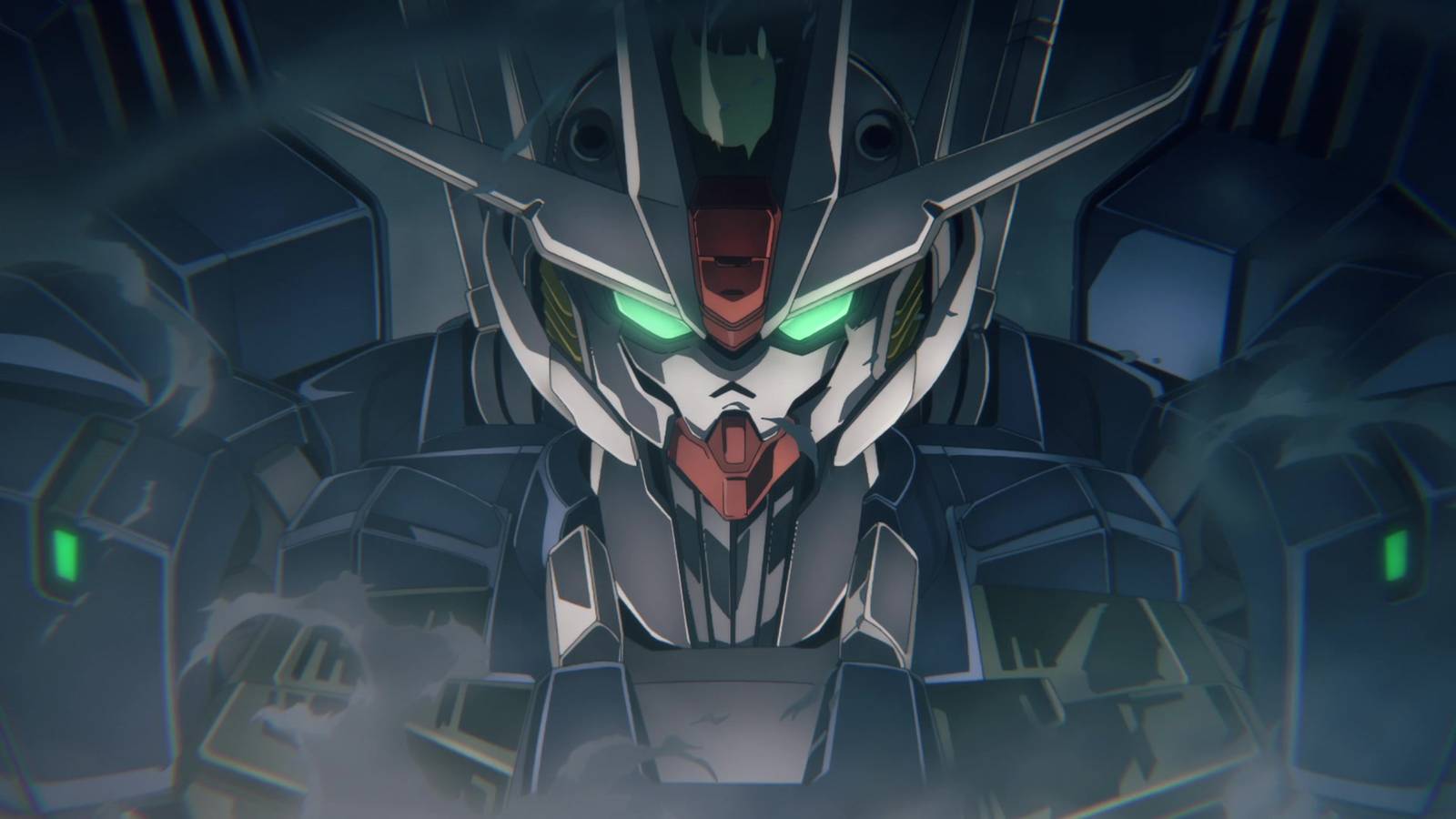 Image: Sunrise/Crunchyroll
Twin Engine, the anime production company behind popular series like Vinland Saga and Witch Hat Atelier, has entered a strategic partnership with Bandai Co., Ltd., the toys and video games multinational giant. Announced on Wednesday Aug. 5, the partnership aims to "co-create intellectual properties," according to Twin Engine's news release (via machine translation). The initial investment will be 4 billion yen ($25.35 million).
The two companies will launch a joint project that will encompass the creation of an original manga, an anime, and licensed merchandise. The news release explains that while manga-based IPs keep expanding to other sectors such as animation and merchandise, there's an increasing need to develop a new, long-term strategy that follows IPs through every stage of development and commercialization. Twin Engine and Bandai will then leverage their significant expertise not only to create new, successful IPs but also to make sure their planning and development are managed under a coherent, long-term plan.
This announcement is an interesting signal of shifting strategies in the Japanese entertainment business. The explosive global growth of anime and anime-related IPs challenges companies to adapt and find new strategies in order to maximize profits. The existing model is not necessarily the best one possible. Recent financial reports revealed that entertainment giant Kadokawa's consolidated operating profit fell 51.3% year-on-year in 2026. The company blames this on excessive reliance on proven formulas and IPs that lack originality (which many commentators read as a nod to the deluge of isekai titles being released every season).
Creating new IPs that can stand out in a crowded field is thus a priority for companies operating in the animesphere, but that's not all. Management practices also have to change. Under the "production committee system" used for most series, different companies form a joint venture to fund and coproduce an anime. This allows them to share the financial risks but also often creates production problems. Animation studios are hired as contracted workers and have to strain their resources over several projects at the same time. They also don't get a share of the profits.
This model has been changing in recent years. MAPPA studios funded the entire Chainsaw Man anime, thus maintaining full ownership of the product and creative freedom. The studio recently announced a strategic partnership with Netflix, which will lead to more anime projects. MAPPA president Manabu Otsuka stated that he hopes that animation studios will take the lead in all stages of anime production.
Now, Twin Engine and Bandai Co.'s deal follows suit as the latest sign that the Japanese anime industry is rethinking its strategy. Twin Engine is a massive production company with 18 animation studios under its umbrella, including Scooter Films and Bug Films, both of which Twin Engine established in 2021. Bandai doesn't need an introduction; the company operates some of the most popular licenses in the world, including Mobile Suit Gundam, One Piece, and Dragon Ball. In this partnership, Bandai will handle product development, marketing, and licensing of the IPs created.
Despite anime and manga's global success, the Japanese entertainment industry is still struggling to keep up and adapt. It's clear that the old production system based on committees is no longer suited to the needs of an industry that keeps expanding. The biggest companies all seem to be moving in the same direction: bringing as much of the production as possible in-house, in order to maximize profits and exert full control over these successful IPs.



 English (US) ·