

Published Oct 22, 2026, 5:45 PM EDT
Faith Roswell is a Senior Writer on Screen Rant's Classic TV team. Since earning her degree in Creative Writing over a decade ago, Faith has written articles on film and TV from a variety of different angles. Faith now combines her knowledge of psychology with her love of monster movies to give more insight into what makes the best ones.
You may have read her Screen Rant lists and features covering horror, sci-fi, and fantasy, or read her Amazon Top 10 book, "Movie Monsters of the Deep."
Faith has had an extensive career as a writer, appearing on BBC live radio, researching true crime for Rotten Mango podcast, and writing for publications including Mental Floss, Atlas Obscura, and The Daily Jaws before beginning here at Screen Rant.
HBO's reputation for prestige drama has spanned multiple genres, but while the Western genre has often been overlooked as a source of high-quality drama, one must-watch HBO TV masterpiece is just as worthy of attention as shows like The Sopranos. Westerns have not always been associated with creativity, with many classic Western stories hitting similar beats and recycling character archetypes. That said, the 90s and early 2000s began to change this, delivering some of the best Western movies ever made and one TV show that changed the game by making a very unexpected writing decision.
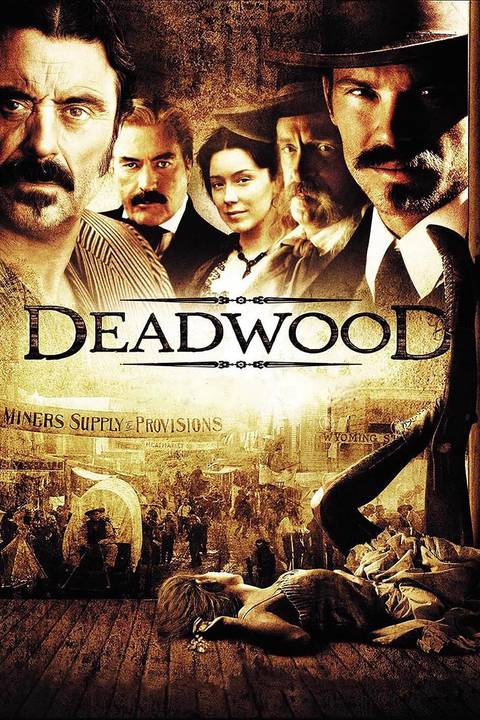
Rotten Tomatoes crowns Justified as the greatest Western TV show of all time, but many fans of the genre contest that, with Deadwood receiving rave reviews from critics and audiences, including Roger Ebert's Jim Emerson, who described his reaction as both "spellbound" and "blown away." The show follows the transformation of the town of Deadwood from a brutal and lawless mining camp into an organized community. The three-season show made Timothy Olyphant a Western TV icon long before Justified, but while Deadwood features some standout acting performances, it is unforgettable for its script.
Deadwood Sounds As Though William Shakespeare And Quentin Tarantino Wrote The Script
 By mdew MovieStillsDB.com
Based loosely on real events, working from the diaries and news reports gathered at the time, and with many characters based on real people, Deadwood still feels surprisingly modern. The show is as chaotic, messy, and foul-mouthed as Quentin Tarantino movies like Pulp Fiction and Reservoir Dogs, immersing audiences in the blood and grit of the town. Al Swearengen's season 2 line, "Welcome to f---in' Deadwood! It can be combative" is possibly the best introduction to the show's many fights, with Deadwood containing some of the best action scenes in any Western TV show.
On the other hand, the script often sounds as though Tarantino took over the task of writing from William Shakespeare, which is an unlikely combination of styles that created a masterpiece. Deadwood stands out against every other great Western TV show, ignoring the realism of the era for Shakespearean monologs that still include modern curse words. Creator David Milch wrote much of the script himself, following iambic pentameter as Shakespeare did, but found that including the accurate profanity of the age sounded silly to a modern audience, and instead made the creative decision that would make Deadwood into a legend.
Deadwood Is Still Among The Greatest TV Westerns Of All Time
 Image via MovieStillsDB
The Western genre has changed dramatically since its Golden Age. The 90s and early 00s gave us some excellent movies, like Tombstone and No Country For Old Men, and a decade later, Taylor Sheridan's Yellowstone would spark a neo-Western revival that continues to this day. The renewed interest in the genre has opened the door for more creativity, but while some TV shows have become iconic in their own right, like the genre-bending Dark Winds, few have been good enough to challenge Deadwood as the greatest Western TV show of all time.
Some Western TV shows are perfect for a weekend binge, but no matter how good they are, a short season means moving quickly, without the character development seen in longer shows. With three seasons and a movie, Deadwood gives viewers time to get to know the characters, while remaining fast-paced enough to keep up the momentum of the story. Actors like Ian McShane, Timothy Olyphant, and Robin Weigert made the characters their own, with the roles being some of their most praised, and even with the show being cut short, those three seasons are better than many sprawling Western epics.
|
Season |
Year |
Rotten Tomatoes critics' rating |
Rotten Tomatoes audience |
|
1 |
2004 |
85% |
96% |
|
2 |
2005 |
96% |
97% |
|
3 |
2006 |
95% |
92% |
Deadwood was canceled after its third season, shocking audiences who expected it to last for its planned four seasons, and with David Milch reluctant to accept HBO's offer of a shorter fourth season for fear that it would rush the story, the characters' plotlines were instead wrapped up with a movie. Even with this drastic change of plans, Deadwood still packs a punch without risking overstaying its welcome. The show's tight pacing rivals even the best miniseries, its character development outshines long-running Western TV shows, and its script is still a masterclass in writing 22 years later.
Source: Roger Ebert
Release Date 2004 - 2006-00-00
Network HBO Max
Showrunner David Milch
Writers David Milch


 English (US) ·