
Befitting of its legacy and influence, the Roman Empire didn’t play around with its laws, even by modern standards. For one, serious tax fraud was a crime punishable by death.
That appears to have been the fate of a certain official or local dignitary around 480 CE, according to new findings from the European Research Council’s STONE-MASTERS project. The discovery was announced in a statement from the University of Warsaw in Poland. The team found stone fragments with inscriptions in 2024, which at the time was attributed to a funeral verse commemorating a person of status. Closer inspections, however, revealed that the fragments were the missing parts of previous texts detailing a legal decision, namely a threat of execution, issued in 480 CE due to decades-long tax evasion in Anatolia, or modern-day Turkey.
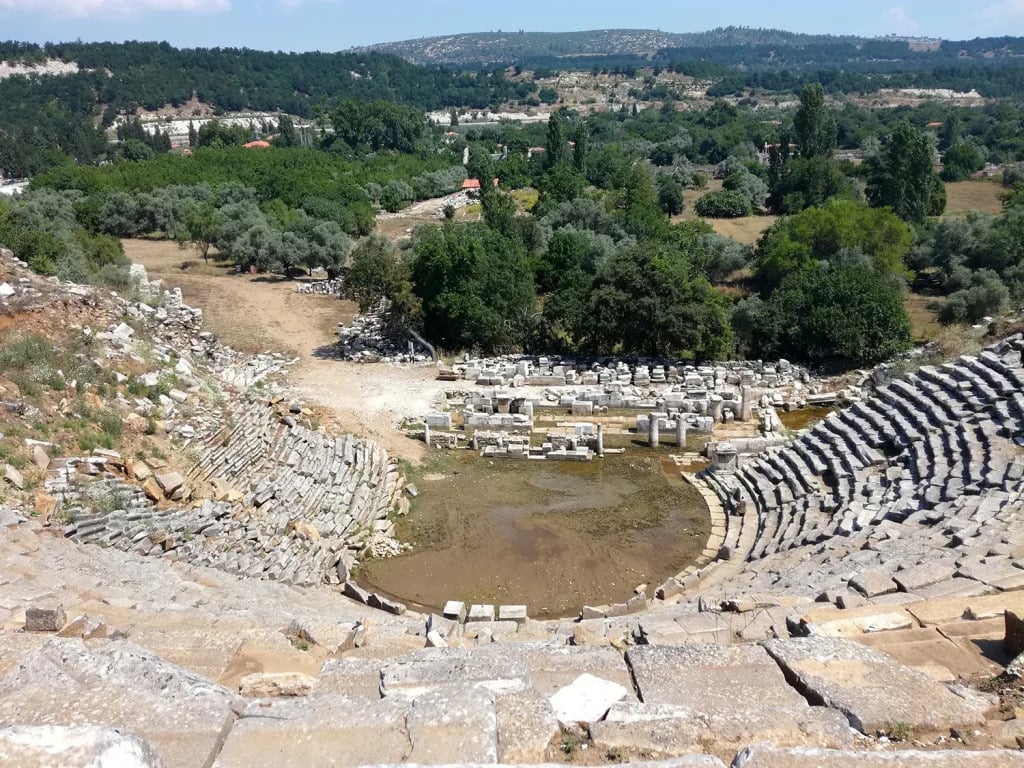 Stratoniceia in Caria. Credit: Paweł Nowakowski
“As it turned out, the officials appointed to collect taxes there engaged in very bad practice,” Paweł Nowakowski, an archaeologist at the University of Warsaw involved in the latest work, explained in the statement (translated via Google Translate). “In practice, they most likely reported different, lower amounts in documents submitted to Constantinople, while collecting much more money from the local population. The difference went into their pockets.”
The text doesn’t explicitly say that the execution was carried out. Contextually, however, it seems most likely that the envoy carrying the decree “arrived at the location and carried out his assigned task—otherwise we would not have an inscription publishing the prefect’s decision,” Nowakowski added.
The Roman IRS
Economists have called the Roman conquests “investment opportunities.” New territories became sources of both resources and tax levies, while continued military campaigns were also funded by taxes. Unsurprisingly, tax collection wasn’t perfect. In fact, according to the statement, archaeologists knew about the scandal mentioned in the latest discovery since the 19th century. Following the initial recovery of the stone fragments, the team recorded the individual letters carved into the stone and ran the record against a digital database. As a result, they were able to trace the text back to already known copies of the legal decision issued in 480 CE, according to the statement.
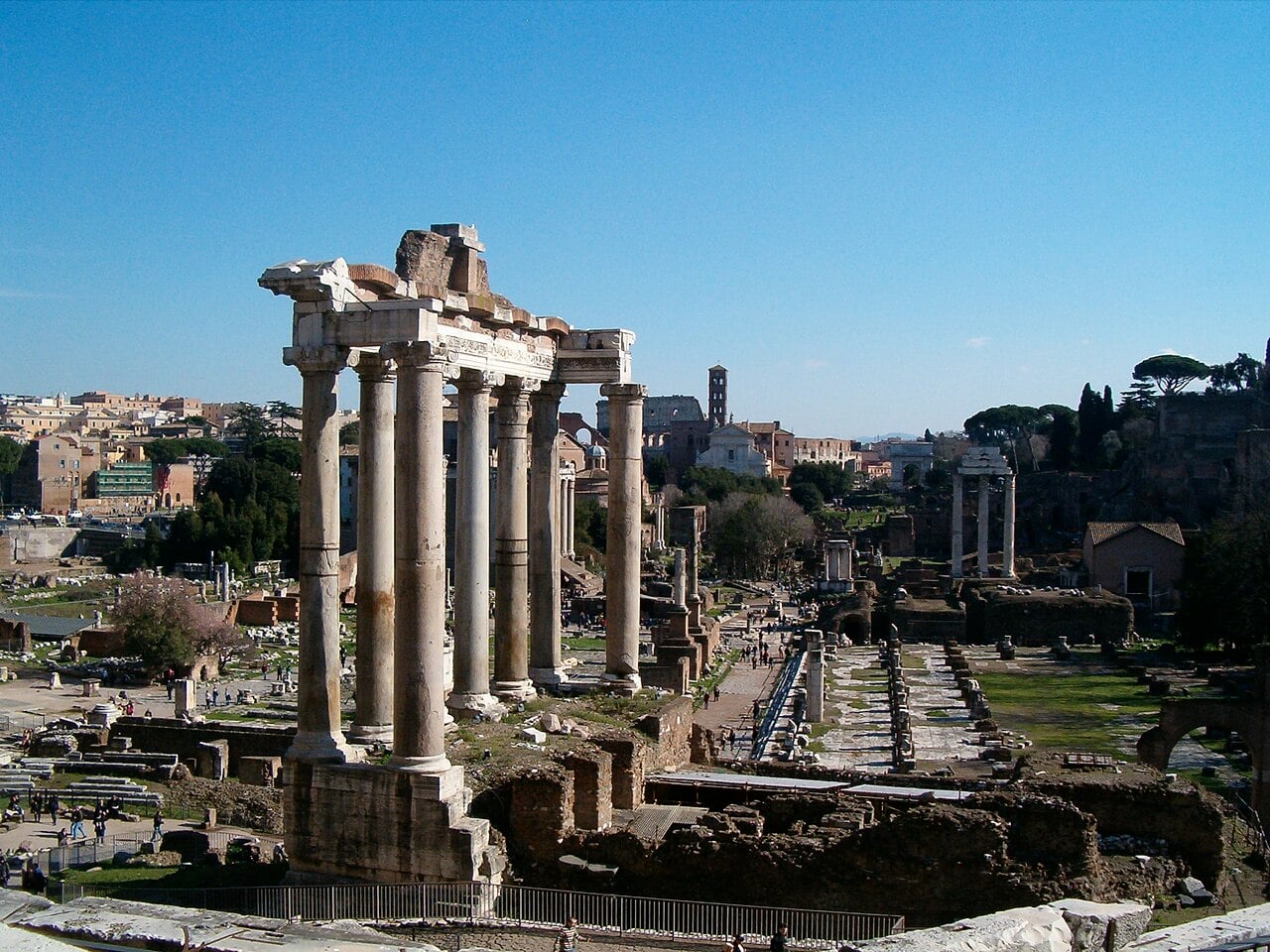 The Temple of Saturn, a religious monument that housed the treasury in ancient Rome. © Marcok via Wikimedia Commons
“It concerned tax abuses in western Asia Minor [Anatolia],” Nowakowski explained. “In practice, they most likely reported different, lower amounts in documents submitted to Constantinople, while collecting much more money from the local population. The difference went into their pockets.”
More specifically, Roman central authorities received word about this fraudulent behavior as early as 465 CE, and a government official intervened but was “ignored by the dishonest officials,” Nowakowski said. Then in 480 CE, the praetorian prefect sent an envoy to resolve the matter, threatening him with confiscation of his own property if he failed to fix it within three months. The corrupt officials themselves were threatened with something far worse: the death penalty.
Real bad fraud
That said, tax evasion penalties weren’t typically this harsh. Known records from the era show that, between the 4th and 6th centuries, Roman emperors and officials issued at least 11 documents mandating accurate tax certificates. Archaeologists believe this could point to widespread abuse of tax laws in the era. None of them threatened death, however.
“I think this can be interpreted as not so much about the gravity of the offense itself but also about opposing the imperial will and, in a sense, committing rebellion or lese-majesté [injured majesty, meaning a crime against the state],” said Nowakowski. “It may also have been a rhetorical device intended to emphasize the importance of the matter—Roman legal practice knows of cases of laws and penalties that were never enforced, only emphasizing the legislator’s intention.”
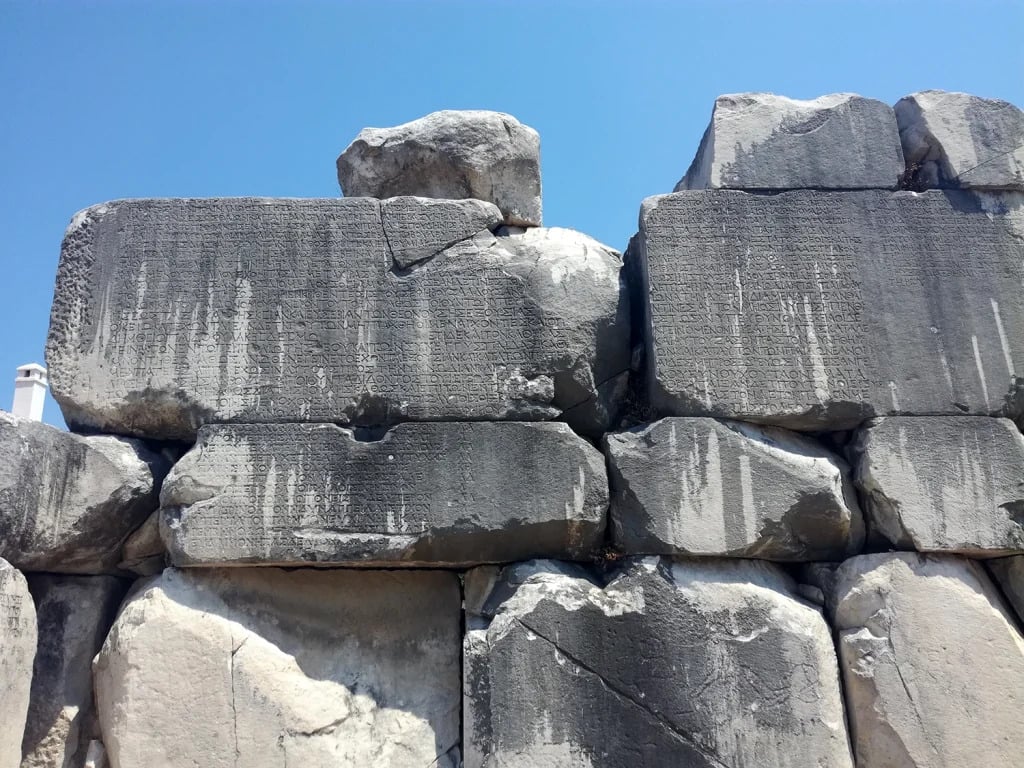 Similar inscriptions on the walls of the ancient city council building in Stratonicea. Credit: Paweł Nowakowski
On the other hand, from an archaeological standpoint, the fragments shed light on how Roman stonemasons performed their craft. For example, comparing this fragment to others with a similar purpose revealed that the way words were inscribed, arranged, and copied varied across the habits and traditions of local craftsmen—not something you’d expect for an “unchangeable” legal text, Nowakowski said.








 English (US) ·