
 3 weeks ago
72
3 weeks ago
72
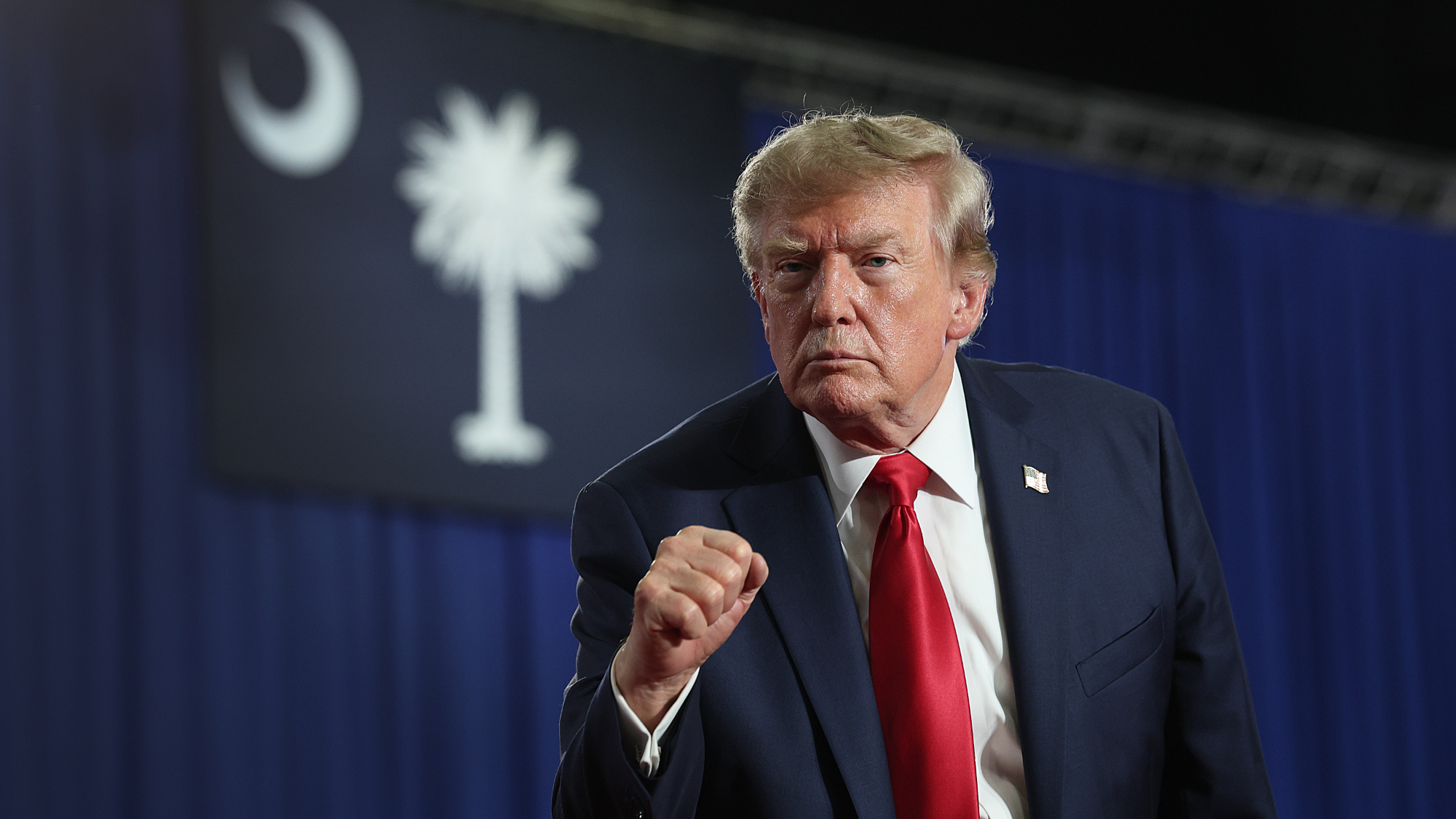
The Trump administration is weighing a second round of semiconductor tariffs that would extend duties beyond chips to products built with them, including laptops, gaming consoles, and data center servers, eight unnamed sources familiar with the talks told POLITICO in a report published today. Commerce Secretary Howard Lutnick favors a structure that would cap duty-free chip imports at a volume pegged to each company's committed U.S. production, four of the sources said, and Commerce officials have indicated in private talks that the exemptions attached to January's 25% tariff, which cover data centers, R&D, startups, and consumer devices, may not carry over. A phase-in period is under discussion, and the framework could still change substantially in the coming weeks.
Go deeper with TH Premium: Taiwan, trade, and tariffs
Proclamation 11002, signed on January 14, imposed a 25% duty on a narrow set of advanced accelerators, with Nvidia's H200 and AMD's MI325X named in the accompanying White House fact sheet, and explicitly labeled the action Phase 1.
The same document directed Commerce to report to the president by July 1 on the market for semiconductors used in U.S. data centers, and a separate April 14 report from the USTR and Commerce covered tariff negotiations with Taiwan, South Korea, and Japan. The exemption categories now in question match those written into the January action and include U.S. data centers, research and development, startups, repairs, non-data-center consumer and industrial applications, and public sector uses.
Taiwan's January trade agreement applies zero tariffs on Taiwanese chips within 2.5 times a company's current U.S. manufacturing capacity while new plants are under construction, tightening to 1.5 times once they're built. TSMC has committed $265 billion to its Arizona site, the largest foreign direct investment in U.S. history, yet projects only around 30% of its most advanced capacity there at full build-out, according to POLITICO. Taiwan produces more than 90% of the world's leading-edge chips, and industry representatives argued in the talks that a quota keyed to current domestic capacity can't cover the volumes hyperscalers are buying during a record AI spending run.
Jonathan McHale, digital policy chief at the Computer and Communications Industry Association, whose members include Amazon, Google, and Meta, compared the data center buildout to "building the transcontinental railroad" and said added cost and unpredictability put that investment at risk.
Tech lobbyists have met with Lutnick and Bureau of Industry and Security undersecretary Jeffrey Kessler with growing frequency since the start of summer, per the report, but three of the sources said recent talks moved against the industry. One person involved put the domestic manufacturing build-out at more than five years, longer than any phase-in the administration has allowed on previous tariff rounds.
White House spokesperson Kush Desai defended the approach, saying reshoring chip manufacturing is a top priority for the president; the Commerce Department didn't respond to POLITICO's requests for comment.

Follow Tom's Hardware on Google News, or add us as a preferred source, to get our latest news, analysis, & reviews in your feeds.







 English (US) ·