We're back with another weekly roundup, containing everything that we've published on Tom's Hardware Premium this past week. From a brand-new type of SSD to reasons why buying that expensive audiophile-grade headset might not be the wisest idea for gaming, and much more. To read any of the articles featured in this roundup, be sure to subscribe to unlock access.
TP-Link’s alleged ties to China have drawn scrutiny from regulators, even though the company says it split from its Chinese parent company back in 2024. With the FCC’s ban on foreign-made consumer routers in place, it has pledged nearly $1 billion in U.S. R&D and manufacturing, and has also signed a letter of intent with Key Tronic to assemble its Wi-Fi 8 routers in Mississippi, hoping to win approval. We chronicle the saga of keeping those routers off U.S. shelves, and how TP-Link hopes that Key Tronic will once again unlock the U.S. market for the networking firm.
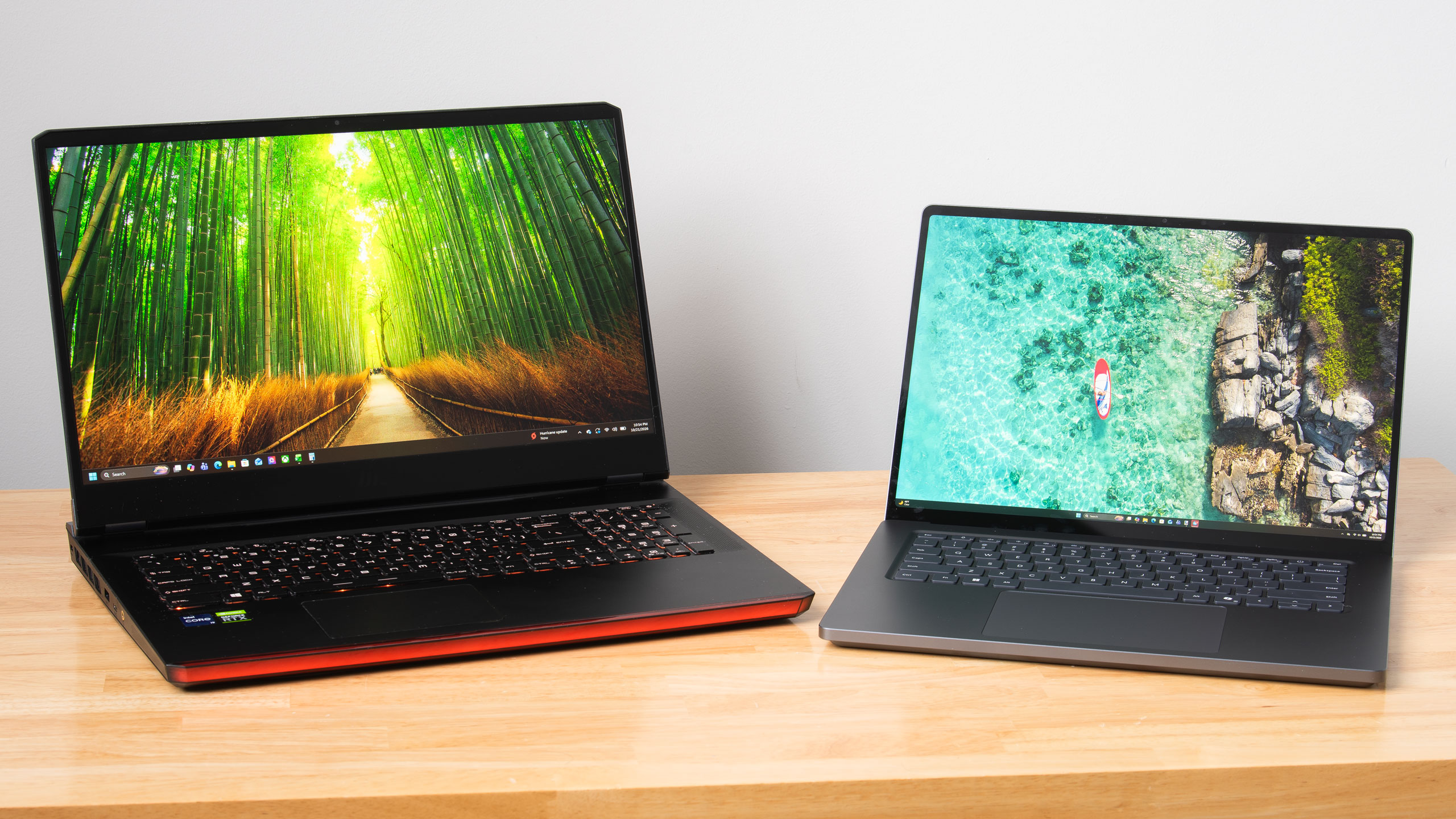
Last week saw the release of Nvidia's RTX Spark platform, with a brand-new high-end Microsoft Surface Laptop Ultra in tow. However, despite the device's focus on running local AI workloads and inference, it can be a capable gaming machine. There's just one thing getting in its way: a 3:2, 3270x2180 display that demands a lot out of the relatively humble Blackwell-based GPU within. We tested the ideal custom-resolution cocktails to bolster gaming performance on the Surface Laptop Ultra, with benchmarks on how it performs in Control Resonant, and how to get a better gaming experience out of Nvidia's pricey slab of silicon.
Gaming PCs and setups aren't merely about getting the best performance possible; it's also about immersion, comfort, and ease-of-use. All of those elements are heavily informed by your choice of gaming headset. With the market saturated up and down, ' audiophile'-grade headsets are sitting on storefronts with some of the heftiest price tags. So, is pure audio fidelity really the be-all and end-all for gaming headsets? We argue that other elements, like microphone quality and additional quality-of-life features, can make a bigger difference.
Tape storage is far from obsolete. As the AI boom produces and demands massive datasets that don't always need to remain on expensive SSDs or HDDs, tape shipments jumped by 57% year-on-year in Q1 2026. But where does the technology go next? We explore how companies like IBM, HPE, and Quantum are building new standards beyond LTO-10 with new standards and upcoming cartridges with up to 365TB native capacity, balancing time-tested reliability, performance and cost.
China's domestic chipmaking technologies have lagged behind Western counterparts due to a lack of access to advanced extreme ultraviolet lithography machines. However, despite this setback, the country continues to rely on older DUV machines instead. We talked to experts to find out how much further DUV can go.
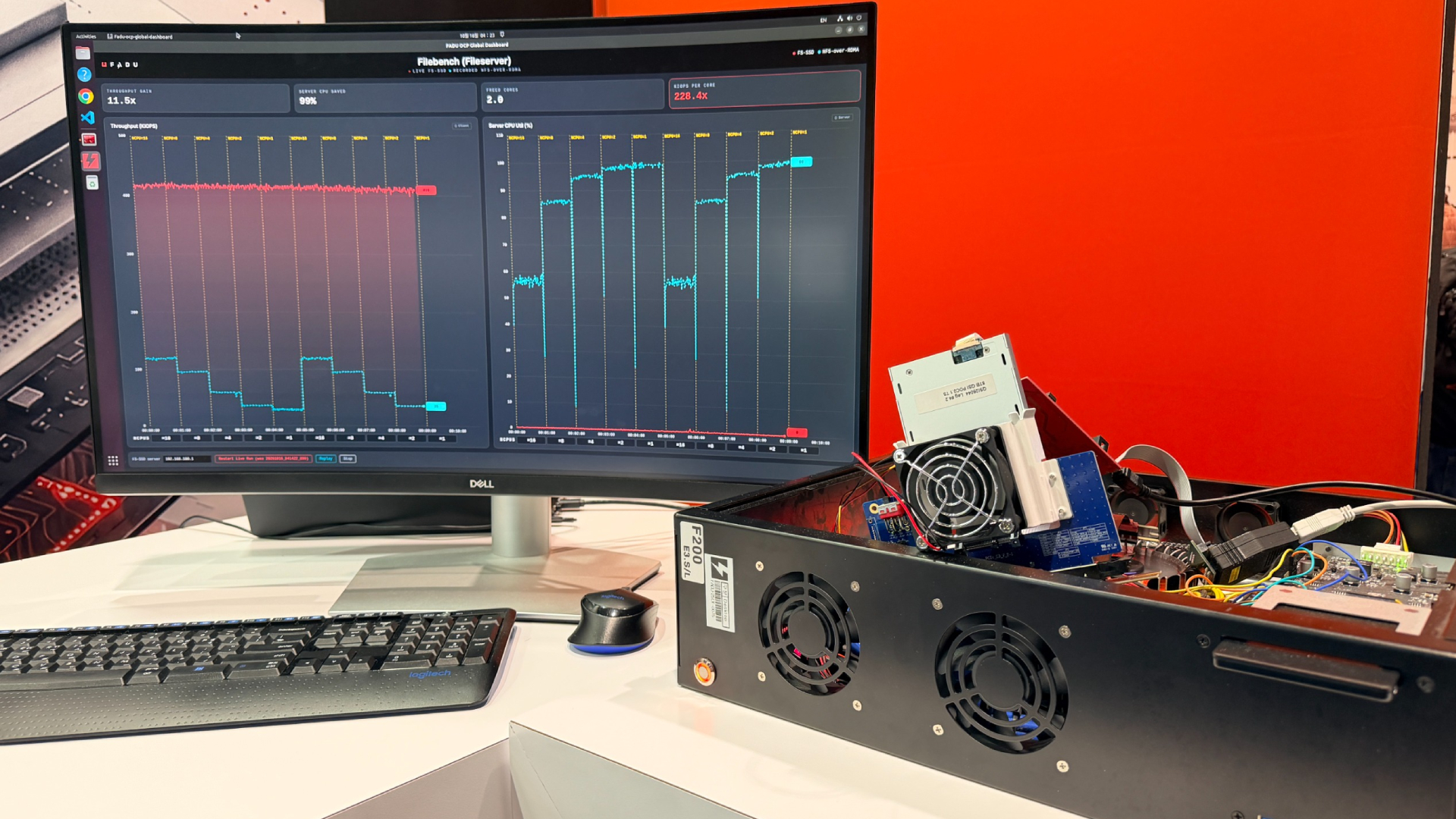
SSD controller designer FADU announced its File-Semantic SSD (FS-SSD) and detailed the technology in a white paper. The FS-SSD puts the filesystem directly onto the SSD's flash to bypass host CPUs, enabling GPUs, DPUs, and NICs to open and read files directly. The company also presented initial tests, with results that still need to be qualified by real silicon. The FS-SSD builds upon existing frameworks and a Gen6 controller, and the company claims that partner samples should be shipping by Q3 2027.
Get Tom's Hardware's best news and in-depth reviews, straight to your inbox.
On the AI front, Deepseek released its latest AI model. Named Deepseek V4-Flash-1017, the model scores well across intelligence and agentic workloads broadly. However, further analysis of the open-weight model shows that it is more prone to hallucination than Western closed-source counterparts, which is important as the model sits directly between GPT 5.6-Sol and Claude Opus 5, but at a much lower cost-per-task ratio than either of the two, potentially making it an attractive option for those looking to run tasks with verifiable outputs like programming or OCR functions.
Vast swathes of modern tech infrastructure rest on open source software, yet many of the projects used by billions of people are either underfunded or understaffed. We explore a sobering report wherein 11 out of 23 critical pieces of open source infrastructure only have one or two maintainers. We look back at major vulnerabilities like Shellshock and Log4Shell to show what neglect can truly cost, and why the people maintaining these critical pieces of online infrastructure deserve more support.
To read any of the articles we mention above, as well as unlock Bench, you'll need to purchase a Tom's Hardware Premium subscription. Your support goes a long way in helping us to publish deeper, more insightful articles that might not otherwise be covered.
Sayem Ahmed is the Subscription Editor at Tom's Hardware. He covers a broad range of deep dives into hardware, both new and old, including the CPUs, GPUs, and everything else that uses a semiconductor. He has worked as a professional tech journalist since 2015 and has written for Gamespot, IGN, and Dexerto.

 1 hour ago
13





 English (US) ·