
 Image via HBO Max

Published Feb 13, 2026, 8:19 AM EST
Jessica is a journalist, editor, TCA critic, and multimedia storyteller with a decade of experience covering pop culture, film, TV, women's sports, lifestyle, and more. She earned her degree in journalism from the University of North Carolina-Wilmington with a focus in creative writing before moving to N.Y.C. and getting her start at The Huffington Post. (She still misses those nap pods.) She's covered multiple film festivals, recapped some of your favorite series, worked too many red carpets to count, and even yapped on a podcast or two. When she’s not interviewing your favorite showrunner or ranking Ryan Gosling's best roles for places like UPROXX, Teen Vogue, Marie Claire, The Daily Beast, and Cosmopolitan, she’s busy being a full-time hype woman to her cat, Finn. You can find her on Bluesky and, sadly, Twitter.
Editor's note: The below contains spoilers for The Pitt Season 2 Episode 6.
The Pitt has never been interested in body counts. Yes, patients have died. Yes, a mass shooting event defined the final few episodes of its first season. And yes, more than one doctor has flirted with the roof’s edge of the Pittsburgh Trauma Medical Center. But this isn’t Game of Thrones, and Noah Wyle and R. Scott Gemmill aren’t daring us to place bets on who gets rolled out in a body bag every week.
It feels important to keep reminding ourselves of that now, because our beloved show has betrayed us with one of the most devastating deaths of its run so far. Louie (Ernest Harden Jr.), the ER “boarder” whose alcoholism and revolving-door admissions turned him into a running subplot and a human metronome for the hospital’s daily rhythm, suffers a pulmonary hemorrhage at the top of Episode 6. Suddenly, the guy who felt like he’d outlast the building – and at least a couple of floor workers – is just gone.
Why No One Expected 'The Pitt' to Kill Louie Off
Louie was never a main character, but he was familiar, his constant returns turning him into part of the hospital’s background noise. You didn’t worry about him because the show had trained you not to. Louie always came back, a frustrating fact in and of itself, since his drinking never dulled and his positive attitude never seemed to wane. His constant presence was weirdly reassuring. You didn’t tune in worried about Louie. You tuned in assuming he’d show up again eventually.

Related
So, at the end of last week’s episode, when Langdon (Patrick Ball) went to check on him, only to find him unresponsive with a flatlining monitor, the metaphorical rug felt like it had been rudely yanked. The episode's cliffhanger only prolonged the agonizing wait, but the show didn’t tease out Louie’s death anymore than necessary, opening its next installment with Dr. Robby (Wyle) furiously performing CPR while Langdon tried to intubate the man both doctors have come to consider a friend. As his airway pooled with blood and the defibrillator charged, a sinking feeling started to settle in.
Louie's Death Rewrites the Rules on 'The Pitt'
What’s striking about Louie’s death is how unspectacular it is. There’s no dramatic framing, no narrative padding designed to reassure us that this loss means something tidy or inspirational. Instead, it unfolds the way hospital deaths often do: at the worst possible moment for everyone involved. One routine check devolves into chaos, one stubborn patient becomes a body everyone is scrambling to save.
When time of death is finally called, we simply move on, watching as the doctors and nurses who knew Louie best try to absorb his loss while getting on with their day. The show lingers on the post-mortem rituals we rarely see – how Dana (Katherine LaNasa) and the nursing staff clean his body, what happens if the social worker can’t find family to coordinate a burial, how he’s prepped for viewing, and how his care team debriefs his case. It’s intimate and heartbreaking, proof that saving lives isn’t the only job these people have, but it’s also destabilizing for anyone who’s been watching this show from the beginning.
What changed isn’t just Louie’s status, it’s the rules The Pitt has been operating under for 20+ episodes. By killing off its first recurring character, The Pitt announces that it’s comfortable saying goodbye to people we’ve grown attached to, even the ones who feel like part of the ER’s infrastructure. This isn’t just for shock value. It’s the show reworking expectations, and the message is simple: no one here comes with a guarantee of permanence — not the patients, not the regulars, and not the people in scrubs and white coats, either.
No One's Safe on 'The Pitt' Anymore
The Pitt has never been interested in spectacle. Its goal has always been to depict the realities healthcare workers face on a daily basis. Death, sadly, is one of those realities, but raising the stakes with one that hits so close to home begs the question, “What else is this show capable of?” Tension's been building all season as the staff deals with violent patients, and Dr. Robby’s fragile mental state serves as both the butt of the joke and a looming threat. Is he suicidal? Is the nursing crew ever really safe? There have been enough close calls this season, enough hints, to make us unsure of the answer.
By killing off its first recurring character, The Pitt is redrawing some narrative boundaries. The show is sending the message that just because we’ve grown attached to certain storylines and stars, it doesn’t mean they’re safe. Familiarity won’t function as plot armor here. That’s a good thing, both for the show’s longevity and for fans showing up every week hoping for a mix of drama and brutal realism that most prestige series aren’t delivering at the moment. Louie’s bed will be filled. Shifts will change. Patients will cycle in and out of chairs. We’ll all move forward, albeit a bit more cautiously, and maybe with an unease about where this season is headed and what it has in store for its main cast.
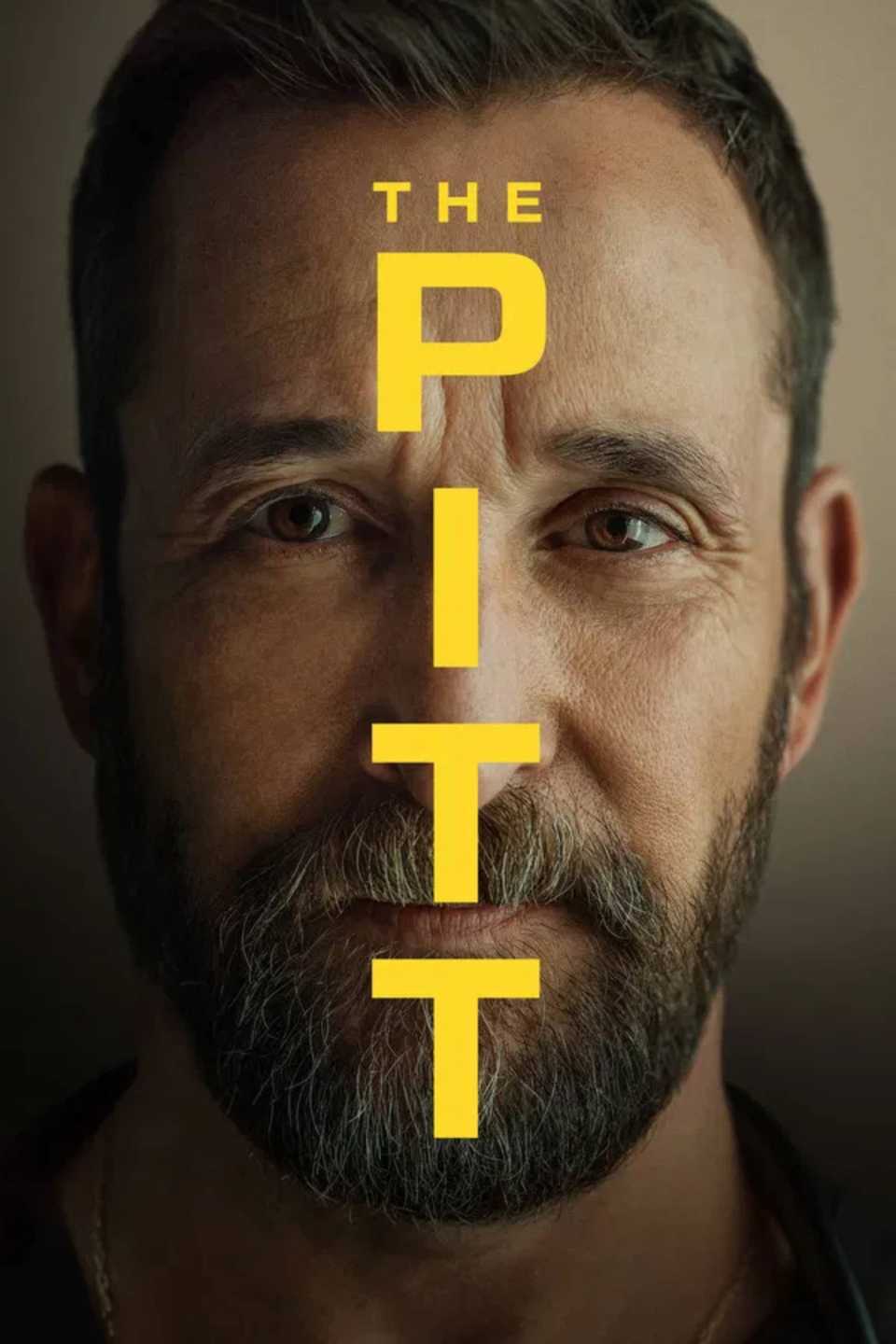
The Pitt
Release Date January 9, 2025
Network Max
Showrunner R. Scott Gemmill
Directors Amanda Marsalis
-

Noah Wyle
Dr. Michael 'Robby' Robinavitch
-

Tracy Ifeachor
Dr. Heather Collins






 English (US) ·