
 Image via A24

Published Feb 24, 2026, 4:03 PM EST
Billy is a Senior Features Author for Collider. Having written over 300 articles in just over a year, Billy regularly covers the biggest TV shows and films releasing while also analysing some of the most underrated properties that may slip your attention.
Having studied for an MA in Screenwriting at UAL in 2023, Billy honed his writing skills and also developed his ability to critique the work of other creative minds.
Before that, Billy studied politics at the University of Nottingham, which helped him to bring nuanced and scholarly analysis to the frameworks within which filmmakers and writers have framed their thematic messages.
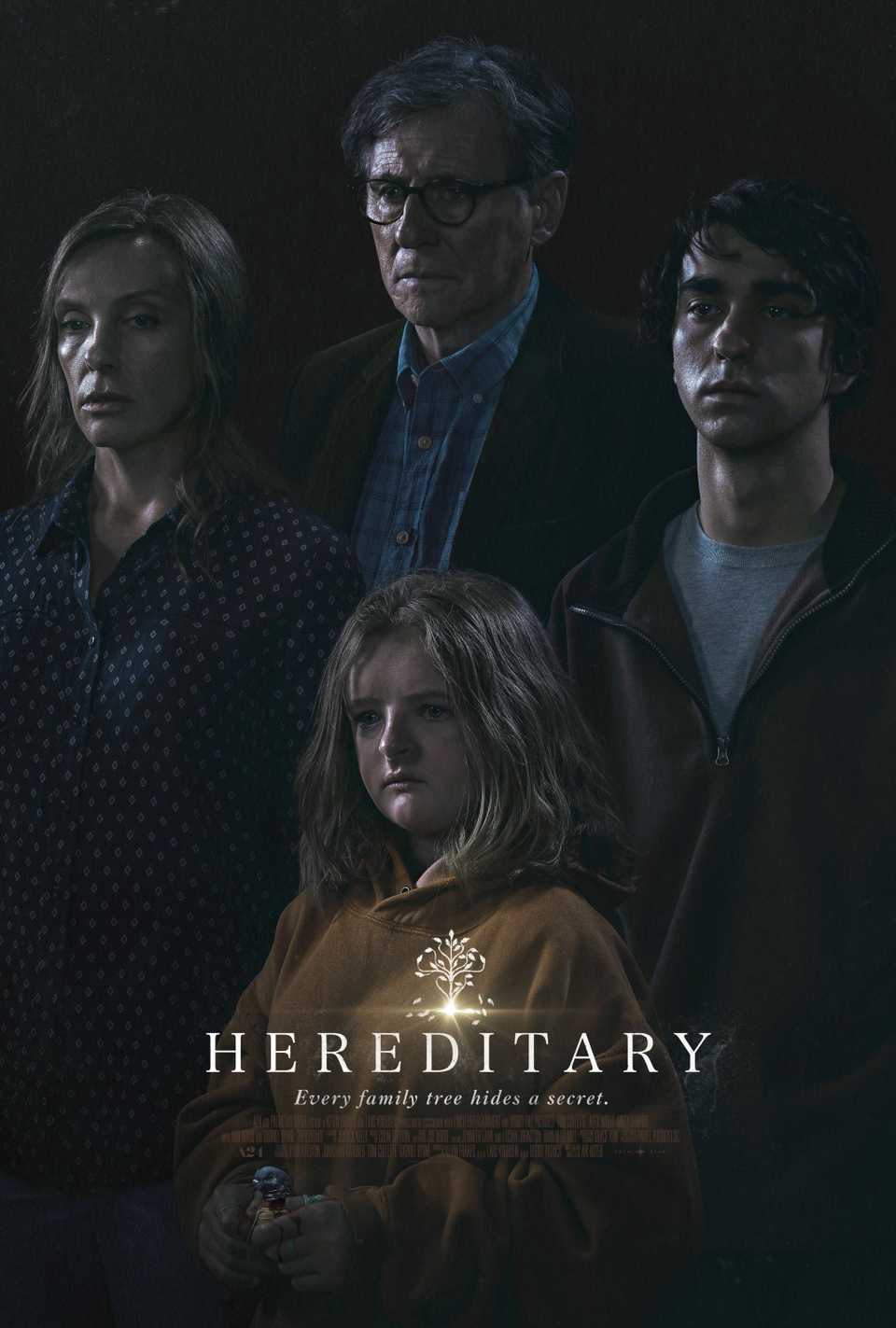
Hereditary is rightfully considered one of the most frightening horror films ever made, certainly in the last decade. It's disturbing visuals, dark themes, and fantastic performances all contributed to Ari Aster creating one of the greatest directorial debuts of all time. However, there is an even more sinister theme that underscores the narrative, making it even more horrifying than previously thought, which most would think shouldn't be possible. This overlooked theme centers on the characters’ lack of agency and the inherent unfairness of being forced into a cruel game by the demonic entity, Paimon. While there is one moment that symbolizes this perfectly, the foreshadowing throughout the film makes Hereditary the perfect movie for viewers to watch over and over again, as this idea of fake agency becomes clearer.
Ari Aster Broke a Golden Rule of Storytelling With 'Hereditary'
In screenwriting, there is one rule that everyone must follow. Make your characters active. They must always feel as if they are pushing towards their goal, not being swept away by outside forces. Otherwise, they can be boring or feel like an inconsequential part of the tale. Aster flips that rule on its head. During an interview with Variety soon after the film's release, Aster explained how the outcome of Hereditary "is absolutely inevitable, the family has absolutely no agency... Any control they try to seize is hopeless." Aster even likened the film to a "Greek" tragedy. Not only does this connection work with the themes of family dysfunction and tragic deaths, with the most innocent in the family, Charlie (Milly Shapiro) and Steve (Gabriel Byrne) being the first to die in brutal ways, but it also reflects how many Greek myths involve mortals being manipulated by the Gods.

Related
The 15 Greatest Horror Movies of the Last 50 Years, Ranked
"You can bring me the boy. You can bring me the boy. You can bring me the boy."
So, why isn't Hereditary boring, if it is all inevitable? Well, Aster balances this cruel inevitability with the illusion of agency. Even though there is constant foreshadowing, such as the cult's carvings on the post that will kill Charlie and Charlie being asked if the chocolate she's eating contains nuts, Annie (Toni Collette) constantly tries different things to solve her family's problems. Before Charlie's death, she was trying to make Charlie and her brother more sociable. Even her job of creating miniatures, as Aster explained, is part of this process of trying to have control. Earlier in the film, the audience is shown Annie making a figurine of her holding a baby version of Charlie while her mother watches. However, Annie had previously said that her mother couldn't keep her hands off Charlie, showing how Annie's attempts to take control are merely an illusion that distracts her from the actual sinister plot developing before her eyes. Following Charlie's death, Annie embarks on a spiritual journey to find her ghost and reunite the family. Yet, with each step, things only get worse, creating an ominous sense of doom going into the climax, where Aster's storytelling cruelty reaches its peak.
'Hereditary's Darkest Moment Conveys the Hopelessness of Annie's Attempts to Fight Back
If there is any scene in Hereditary that should convince viewers that there was never any hope for Annie and her family, it is the burning of Charlie's notebook. Earlier in the film, Annie attempts to burn the notebook, which is Charlie's connection to the world, in hopes of banishing the demonic entity that is tormenting her family. Yet, with her arm catching fire at the same moment, the logic established is that, in order for the family to be free, Annie will have to sacrifice herself. So, when she begs Steve to throw it in the fire later on, Hereditary seems like it has hit its emotive peak and will end on a bittersweet note, only for Annie to throw the book into the fire, and Steve to be the one who is incinerated. As Aster described in the same interview, it is a "beautiful gesture, but part of the cruel logic of the film is it’s an empty gesture."
While the gesture is technically "empty" in terms of preventing further harm befalling her family, part of Aster's brilliance is that it doesn't detract from the tragedy but enhances it. In most horror films, the demonic entity is defeated, and there is only a hint that they may linger on, typically as sequel bait. Instead, Aster leaves the audience with a chilling feeling that lingers long after they've left the cinema. The idea that there are forces at work in this world that do not care what you do, they will have their way eventually.
Hereditary is available to rent or buy on VOD services in the U.S.
Release Date June 8, 2018
Runtime 2h 7m


 English (US) ·